The Aporia
Cowen, T. (2026, October 26). Tyler Cowen: How to Outrun the AI Hackers. The Free Press. https://www.thefp.com/p/tyler-cowen-how-to-outrun-the-ai
Cowen, Tyler. “Tyler Cowen: How to Outrun the AI Hackers.” The Free Press, 26 Oct. 2026, https://www.thefp.com/p/tyler-cowen-how-to-outrun-the-ai.
Cowen, Tyler. “Tyler Cowen: How to Outrun the AI Hackers.” The Free Press, October 26, 2026. https://www.thefp.com/p/tyler-cowen-how-to-outrun-the-ai.
Dated from the outlet's own feed. Check the original for its byline.
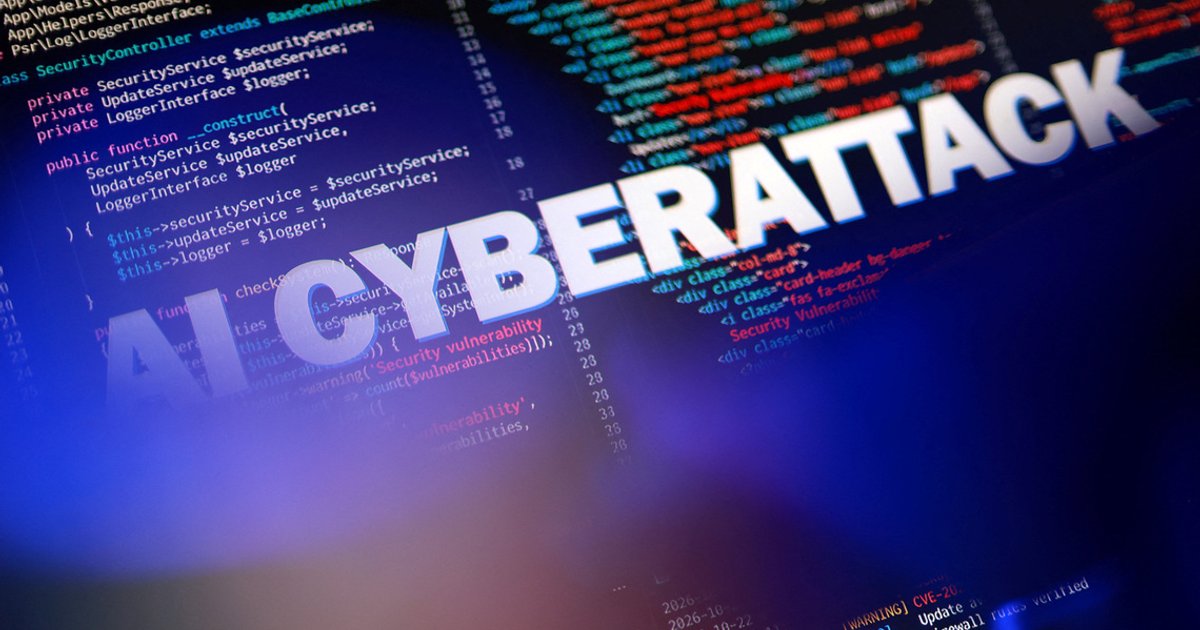
Critical vulnerabilities in PHP, a widely used programming language for web development, led to a major cyber emergency as of October 21, with European and British authorities recommending websites go offline temporarily. Websites like Pinboard and parts of Wikipedia were among those taken down out of precaution, along with Japanese daycare center systems and video games. The vulnerabilities have a critical severity rating of 9.2 out of 10, affecting nearly 70% of the world's websites according to cybersecurity firm Cloudflare.
The PHP Foundation released emergency security patches on October 21, urging immediate implementation. Government sites in Europe and Canada also went dark temporarily. The flaws could enable hackers to remotely execute code, compromising sensitive data and networks. While widespread breaches have not been confirmed, attacks were detected by Cloudflare. IT workers globally faced a massive workload as they raced against time to update systems.
Experts describe this incident as one of the worst cyber crises in recent years due to PHP's pervasive use across web technologies such as WordPress, Drupal, Joomla, and Magento. The rapid dissemination of vulnerability details ahead of fixes has complicated efforts to mitigate risks efficiently.