ICE deported Texas dad to Ghana because home country was unsafe; Ghana sent him anyway | 60 Minutes

Read the original at CBS News ↗
Cite

ICE deported Texas dad to Ghana because home country was unsafe; Ghana sent him anyway | 60 Minutes. (2026, October 25). CBS News. https://www.cbsnews.com/video/third-country-deportations-60-minutes-video-2026-10-25/

Dated from the outlet's own feed. Check the original for its byline.

CBS News · collected 2026-10-25

Quick Summary

The article discusses a case involving ICE's deportation of a Texas father to Ghana despite court rulings that his return to Ghana would pose significant safety risks. The man was initially sent to a third country before being transferred to Ghana, which ultimately expelled him. This situation highlights the challenges and controversies in U.S. deportation policies when immigrants' home countries are deemed unsafe by American judicial standards.
Written locally by qwen2.5:14b on 2026-10-26, using this article's own text rather than the other coverage of the same event (that is the story summary below).

AI analysis runs on qwen2.5:14b, locally

Story summary

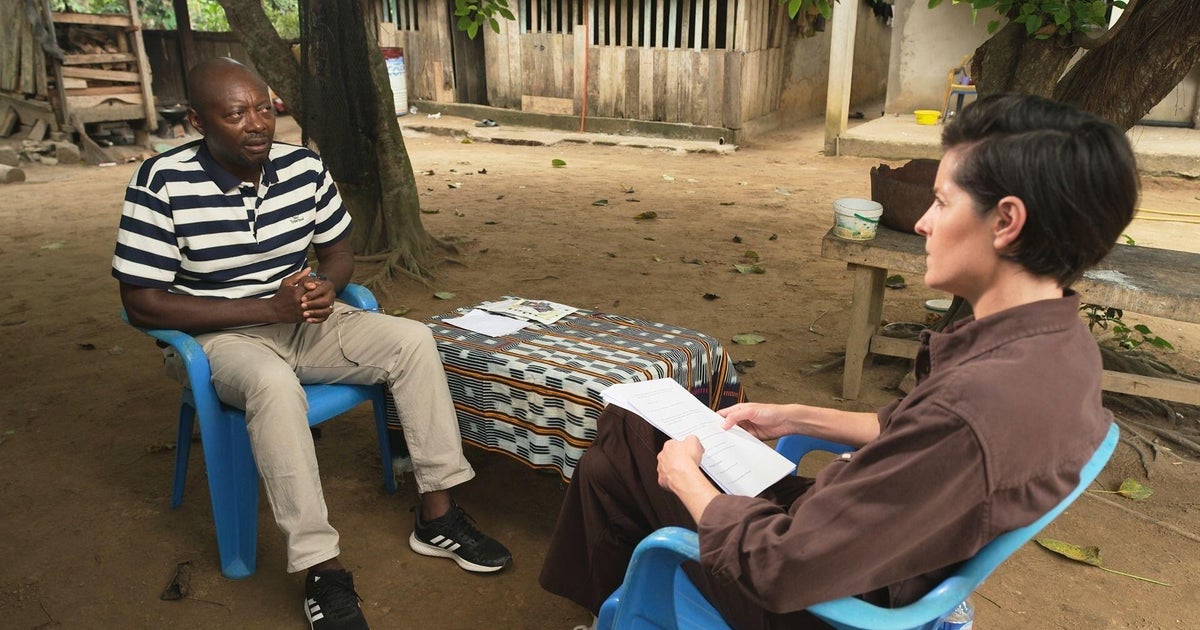
Moussa Diawara, a father from Texas originally from Mali, was deported by ICE to Ghana in the summer of 2026, despite a judge ruling that it would be unsafe for him to return to Mali due to potential persecution. Within days of arriving in Ghana, local officials forced Diawara onto a flight to Mali, which U.S. immigration judges had previously determined was likely to result in his persecution. This case highlights the complexities and unintended consequences of third-country deportations under President Trump's administration, which aims to carry out what would be the largest deportation effort in U.S. history.

Written for “ICE Deportation Controversy” on 2026-10-26, grounded in this article and the 1 other(s) covering the same event.

Story

📰 ICE Deportation Controversy
Politics · 2 article(s) covering the same event. See how they differ ↓

Compared with similar articles

This article reads unscored and hedges 0% of its claims. Each row says how that neighbour differs.
CBS News
⚖️ Leans left 🔴 3% hedged 2 of 75 📰 publisher trust 66
“Both articles describe the specific case of Moussa Diawara, a Texas dad deported to Ghana despite having an order preventing deportation to Mali due to potential persecution.”
The Globe and Mail
⚖️ Leans left 🔴 19% hedged 10 of 54 📰 publisher trust 53
“The articles describe different individuals and scenarios involving deportation to different countries.”
CBS News
⚖️ Leans left 🔴 6% hedged 8 of 130 📰 publisher trust 66
“Article A describes a general trend of third-country deportations under Trump's administration, while Article B focuses on an individual case where someone was sent to Ghana.”
How this article was measured signals, leaning charts, publisher record, byline, topics and claims

Signals How these are calculated →

Claims extracted
2
sentences that state something as happening or true
Uncertain
0%
0 of 2 hedged ("reportedly", "may", "according to")
Leaning
not political
takes no side on a contested political question
Publisher signals
66/100
CBS News's corrections and hedging, across everything collected from it. Not a measure of accuracy.
Outlets on this story
2
Politics
Same framing elsewhere
1
articles that frame the event the way this one does
Analyzed 2026-10-26 · how these are computed

How this is being covered How these are calculated →

Article leaning vs. publisher reliability
Source leaning vs. consistency

Publisher

CBS News · 3812 article(s) · 6 correction(s) detected
Running correction rate · 6 correction(s)

Who wrote this

No reporter is named on this article.

Topics

U.S.

Subjects

U.S. GPE · 2×

Narrative

When immigrants can't be deported to their home countries, the U.S. sometimes sends them to other countries.
framing: assertive · carried by 1 article(s) · first seen 2026-10-26
🔮 But some deportees end up in places where U.S. judges have ruled they will likely be persecuted.

Claims (2 extracted, 0 hedged)

When immigrants can't be deported to their home countries, the U.S. sometimes sends them to other countries. asserted
U.S. → deport → countries
But some deportees end up in places where U.S. judges have ruled they will likely be persecuted. asserted
they → end → places
💬Give feedback
🕘History 🎫Support