A 5,610-acre stretch of a multigenerational Florida ranch will remain protected from future development after state officials approved a $12.9 million conservation easement.
asserted
officials → remain → easement
Details from the Florida Department of Agriculture and Consumer Services (FDACS), Florida Department of Environmental Protection records and the Florida Wildlife Corridor Foundation show the agreement will preserve Hendrie Ranch while allowing its agricultural operations to continue.
asserted
operations → show → Ranch
The Hendrie Ranch easement was approved by Florida’s Governor and Cabinet on December 17, 2024, as part of the state’s Rural and Family Lands Protection Program.
asserted
easement → approve → Program
The protected parcel covers approximately 5,610.26 acres in Highlands County, along U.S. Highway 27 near Venus, with the state paying $12.9 million for the conservation easement.
asserted
state → cover → easement
State records put the purchase price at about $2,300 per acre.
asserted
records → put → acre
The arrangement does not turn the ranch into a public preserve or end its agricultural use.
asserted
arrangement → turn → use
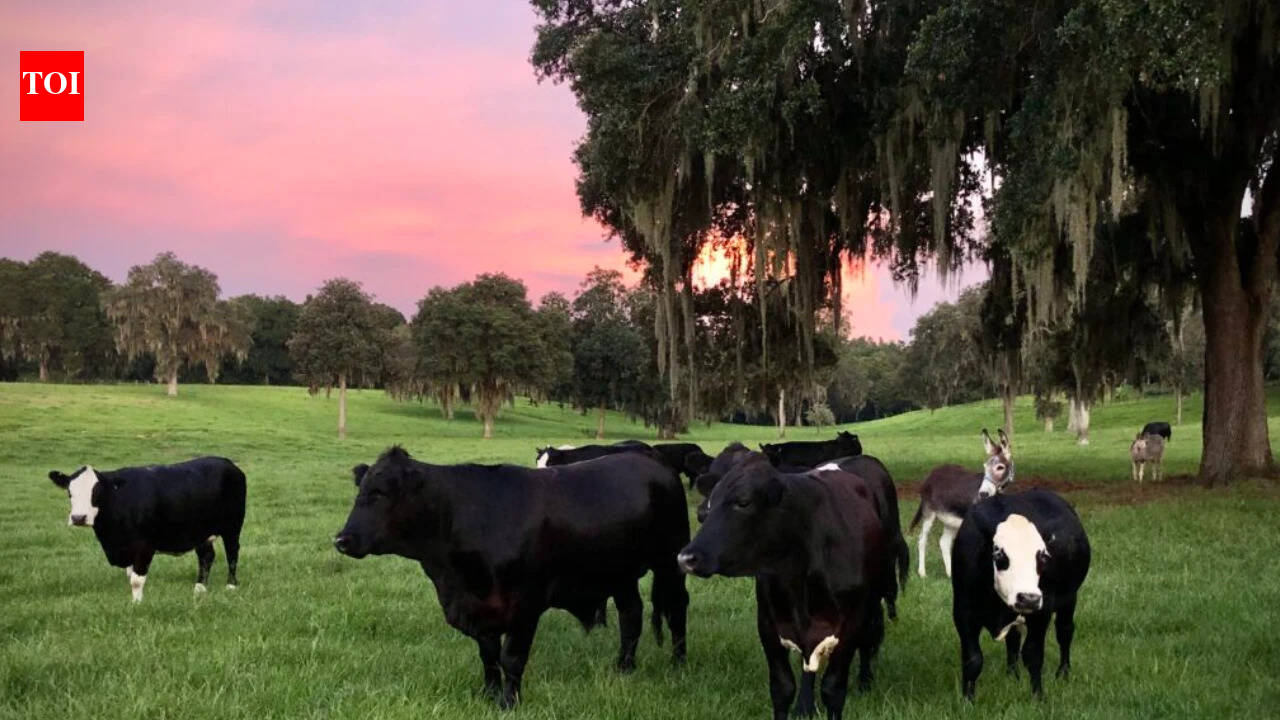
Instead, the easement limits future development while the Hendrie family can continue using the land for cattle, hay production and timber harvesting.
asserted
family → limit → cattle
The ranch has been managed by the family for more than 65 years, with the property supporting a working beef operation alongside forests, wetlands and native Florida habitat.
asserted
property → manage → forests
A working ranch inside a major wildlife corridor
Hendrie Ranch sits on the eastern slope of the southern Lake Wales Ridge and forms part of the Florida Wildlife Corridor, a network intended to connect important natural areas across the state.
asserted
Ranch → work → state
The property contains a mix of improved and native pasture, pine flatwoods, scrub, wetland forests and seasonal wetlands.
asserted
property → contain → pasture
State documents indicate that roughly 48% of the 5,610-acre easement area is wetlands, while the remainder includes uplands and agricultural areas.
asserted
remainder → indicate → uplands
The ranch is also connected to a broader conservation landscape, sitting near several protected properties and the Archbold Biological Station.
asserted
ranch → connect → properties
The Florida Wildlife Corridor Foundation notes that the ranch supports about 600 beef cattle and has been used for scientific research.
asserted
ranch → note → research
Records identify species including the Florida scrub-jay, sandhill crane, Florida mouse and Sherman’s fox squirrel, alongside Florida black bears.
asserted
Records → identify → bears
The property also provides habitat within a landscape important for species such as the Florida panther.
asserted
property → provide → panther
Protection without ending ranching
The Hendrie transaction is part of Florida’s broader effort to keep agricultural land from being converted to residential or other development while maintaining working farms and ranches.
asserted
transaction → end → farms
The Rural and Family Lands Protection Program, established in 2001, uses conservation easements to protect agricultural properties while allowing landowners to continue farming, ranching and forestry.
asserted
landowners → establish → farming
The December 2024 approvals represented a major expansion of the state’s protected working-land portfolio.
asserted
approvals → represent → portfolio
A separate 663-acre portion of the ranch received protection through a conservation easement approved in 2022.
asserted
portion → receive → 2022
That earlier project was also tied to the Florida Wildlife Corridor and Lake Wales Ridge conservation landscape.
asserted
project → tie → landscape
With the latest 5,610-acre easement, a substantial additional portion of the family ranch is now shielded from future development while cattle continue to graze the pastures and the property remains an active agricultural and timber operation.
asserted
property → shield → pastures
The result is a model increasingly being used across Florida: keeping privately owned land economically productive while permanently limiting the kind of development that could fragment its farms, forests and wildlife habitat.
uncertain
that → use → farms
 The Aporia