Emmanuel Macron has been accused by trade unions of trying to curb the fundamental French right to protest as the government fast-tracks a bill to make protesters pay for damage caused by vandalism at street demonstrations even if they did not directly cause it themselves.
asserted
they → accuse → it
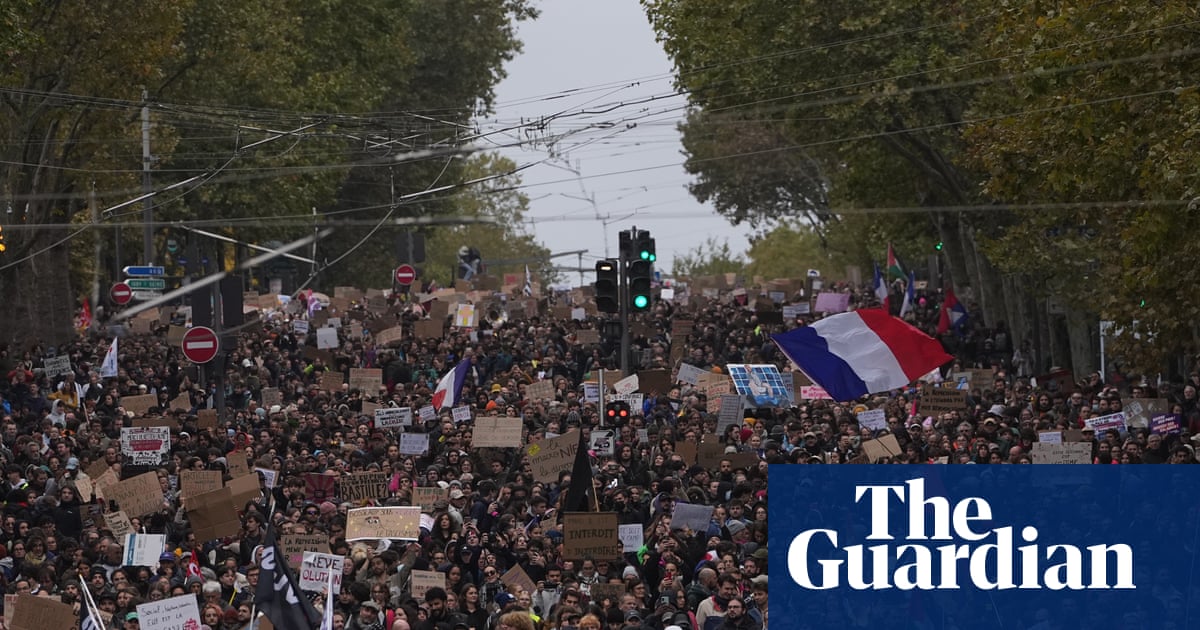
The French president, who leaves office next spring, has faced more than a month of protests in which high-school students have blockaded schools demanding a response to teacher absences, repairs to decrepit buildings and changes to the university applications platform.
asserted
students → leave → platform
Trade unions and gilets jaunes (yellow vest) anti-government protesters are now joining sustained street demonstrations in a growing social crisis over schools, as well as the cost of living and public services.
asserted
unions → join → living
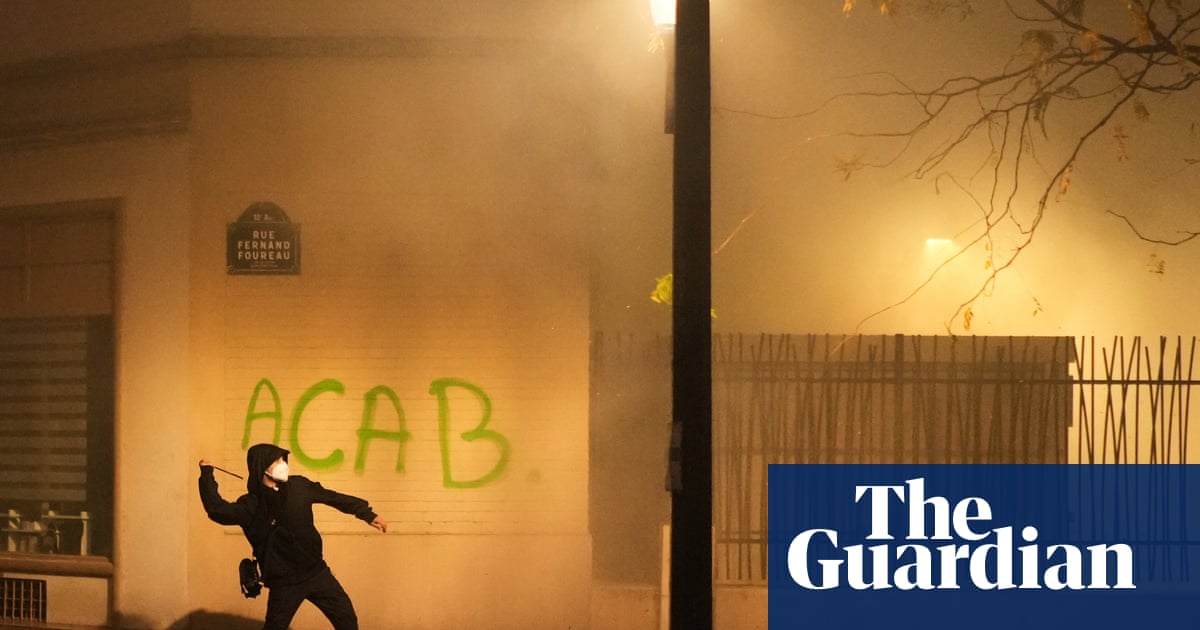
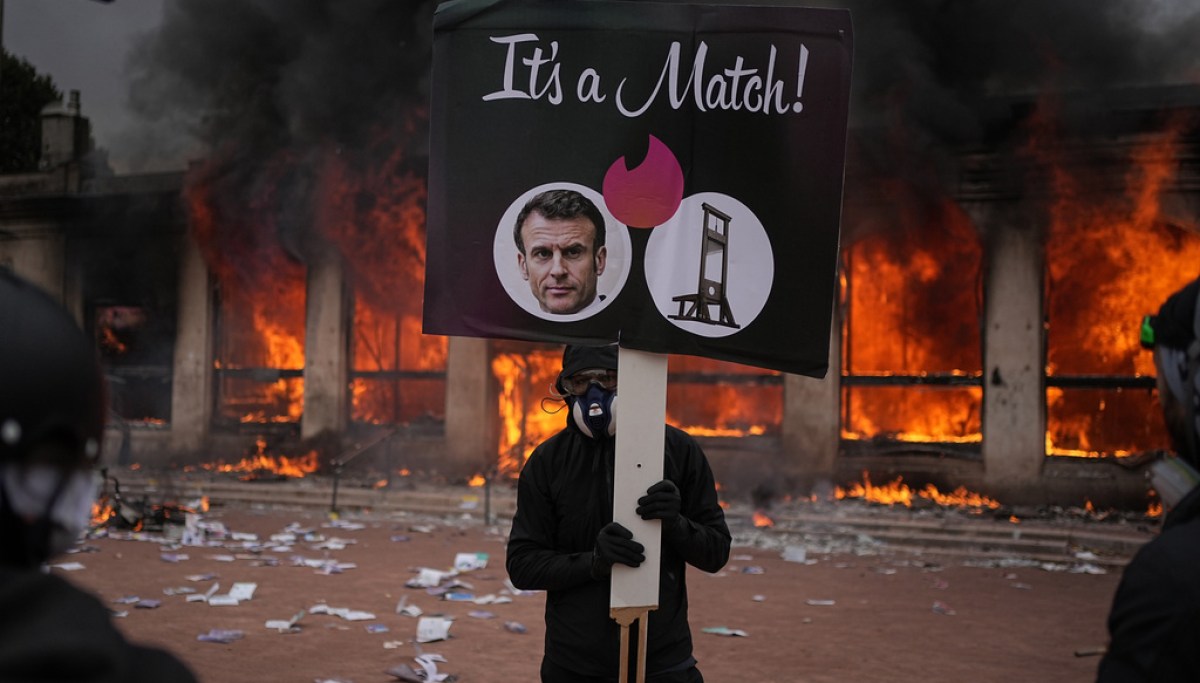
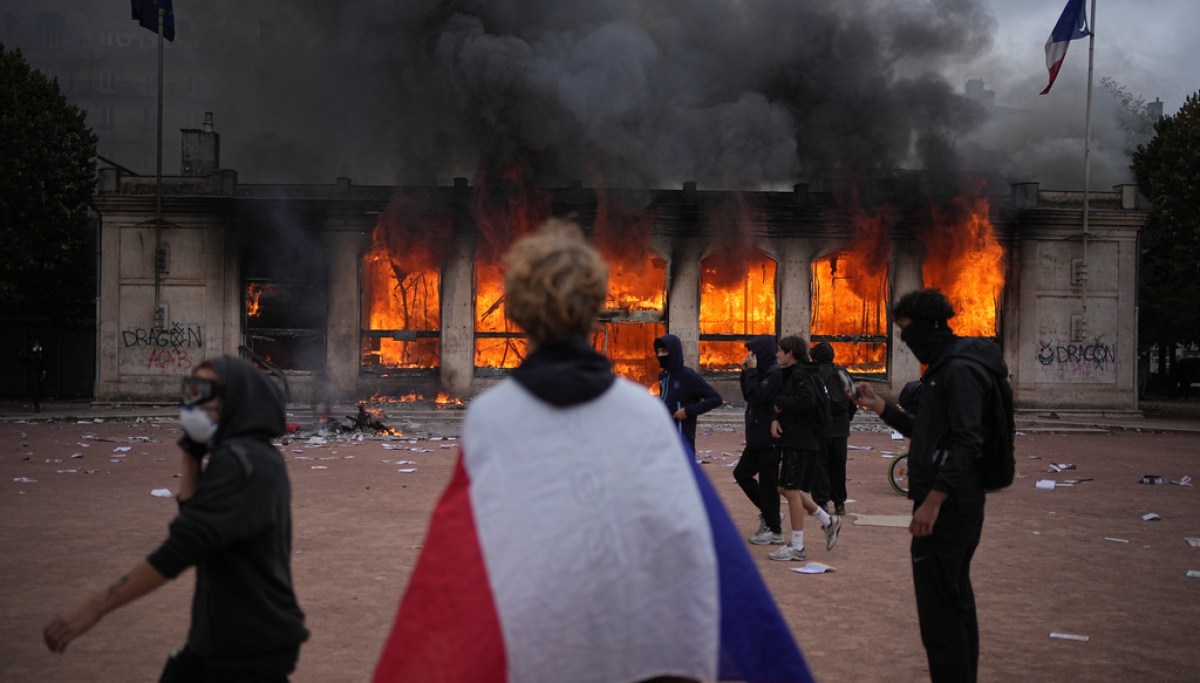
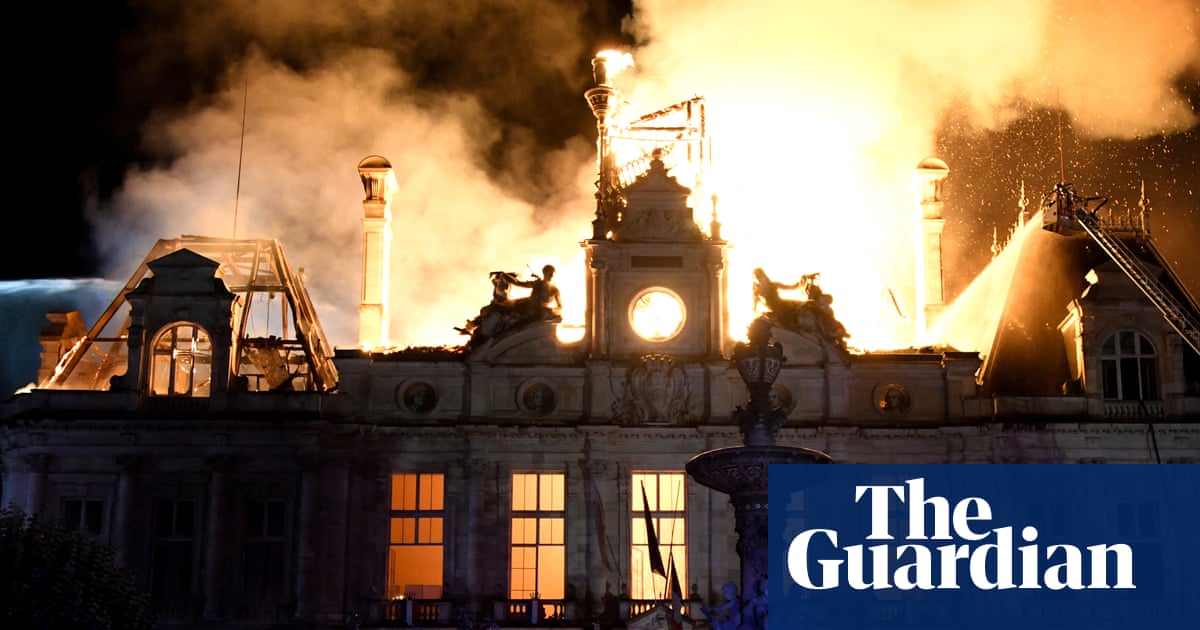
Authorities have increased security measures and placed restrictions on demonstrating after France saw one of its worst days of violence in years earlier this month when largely peaceful demonstrations were marred by looting, fires and vandalism of state buildings.
asserted
demonstrations → increase → buildings
The senate will this week debate the government’s proposed “vandals pay” law.
asserted
vandals → debate → law
The legislation would mean that a person protesting could be held liable to pay up to €10,000 for damage and vandalism even if they did not directly cause it themselves, if they were continuing to demonstrate nearby or as part of the same group as perpetrators.
uncertain
they → mean → perpetrators
The bill also provides for greater use of drones over protests.
asserted
bill → provide → protests
The prime minister, Sébastien Lecornu, said the bill, which was originally prepared in the wake of violent clashes after Paris Saint-Germain’s victory over Arsenal in the football Champions League in May, was “absolutely essential” after looting and burning during recent demonstrations across France.
uncertain
which → say → France
The bill comes as the government struggles to contain the current crisis.
asserted
government → come → crisis
Marine Le Pen, of the far-right, anti-immigration National Rally (RN), has seen her frontrunner status in next spring’s presidential election boosted as she seeks to reinforce her law-and-order credentials and back police.
asserted
she → see → police
Le Pen, who has lodged an appeal to France’s highest court over her conviction for embezzlement of European parliament funds, launched her presidential campaign on Sunday at a rally in Orléans, promising to “bring back order to France”.
asserted
who → lodge → France
The RN has claimed the “vandals pay” bill was originally its idea and Le Pen said she would ensure damage to property was paid for by rioters.
asserted
damage → claim → rioters
Le Pen told a cheering crowd of more than 8,000 people at the rally: “Vandals will pay and if it takes their whole life to pay, then they will spend their whole life paying.”
asserted
they → tell → life
She said: “We are going to restore the rule of law.
asserted
We → say → law
Who can claim that there is rule of law when hordes come to ransack and burn our buildings?”
uncertain
hordes → claim → buildings
Éric Coquerel, from Jean-Luc Mélenchon’s radical left La France Insoumise, said on Sunday that the “vandals pay” law “would mean the end of street demonstrations” in France because people would not want to take the risk of being held responsible and made to pay up to €10,000 for vandalism they had not committed.
asserted
they → say → vandalism
The Communist senator Fabien Gay told the parliamentary TV channel Public Sénat: “No demonstration could take place again in our country.”
uncertain
demonstration → tell → country
In an open letter to Le Monde, leftwing trade unions and France’s Human Rights League wrote: “This unfair law, which is a serious attack on the freedom to demonstrate, should be abandoned, or risk a major step back for the rule of law.”
asserted
which → write → law
At this weekend’s protests there was widespread anger at Macron for banning non-union demonstrations that his government deemed “illegitimate” and for keeping all protesters away from city centres.
asserted
government → be → centres
Although Macron has not put in place a state of emergency, the government and local authorities have introduced limits on demonstrating, including bans on gatherings in front of schools and demonstrating in city centres, as well as curfews in some places and extended periods of police custody for the record number of people arrested.
asserted
government → put → people
At demonstrations this weekend, many said they had come out to defend the French right to protest in the street.
asserted
they → say → street
Street protests in France, which are seen as a fundamental way for people to make themselves heard by a centralised state, have regularly been used to express criticism of changes to the law, from pension changes to same-sex marriage.
asserted
themselves → see → marriage
Serge Slama, a professor of public law at Université Grenoble Alpes, told Telerama magazine: “Although a state of emergency has been ruled out [by Emmanuel Macron] at this point, we have seen a number of decrees bringing a wide restriction on public liberties.”
asserted
we → tell → liberties
He said this was “unprecedented” and would benefit the far right if they won elections next year, allowing them to put in place further crackdowns without changing the law.
asserted
them → say → law
Lecornu will meet representatives of protesting high-schoolers on Monday as the government comes under pressure to respond to their demands with funding and school repairs in order to avoid further school blockades.
asserted
government → meet → blockades
 The Aporia