The Aporia

The narrative battle over France’s unrest. (2026, October 25). Al Jazeera. https://www.aljazeera.com/video/the-listening-post/2026/10/25/the-narrative-battle-over-frances-unrest?traffic_source=rss
“The narrative battle over France’s unrest.” Al Jazeera, 25 Oct. 2026, https://www.aljazeera.com/video/the-listening-post/2026/10/25/the-narrative-battle-over-frances-unrest?traffic_source=rss.
“The narrative battle over France’s unrest.” Al Jazeera, October 25, 2026. https://www.aljazeera.com/video/the-listening-post/2026/10/25/the-narrative-battle-over-frances-unrest?traffic_source=rss.
Dated from the outlet's own feed. Check the original for its byline.
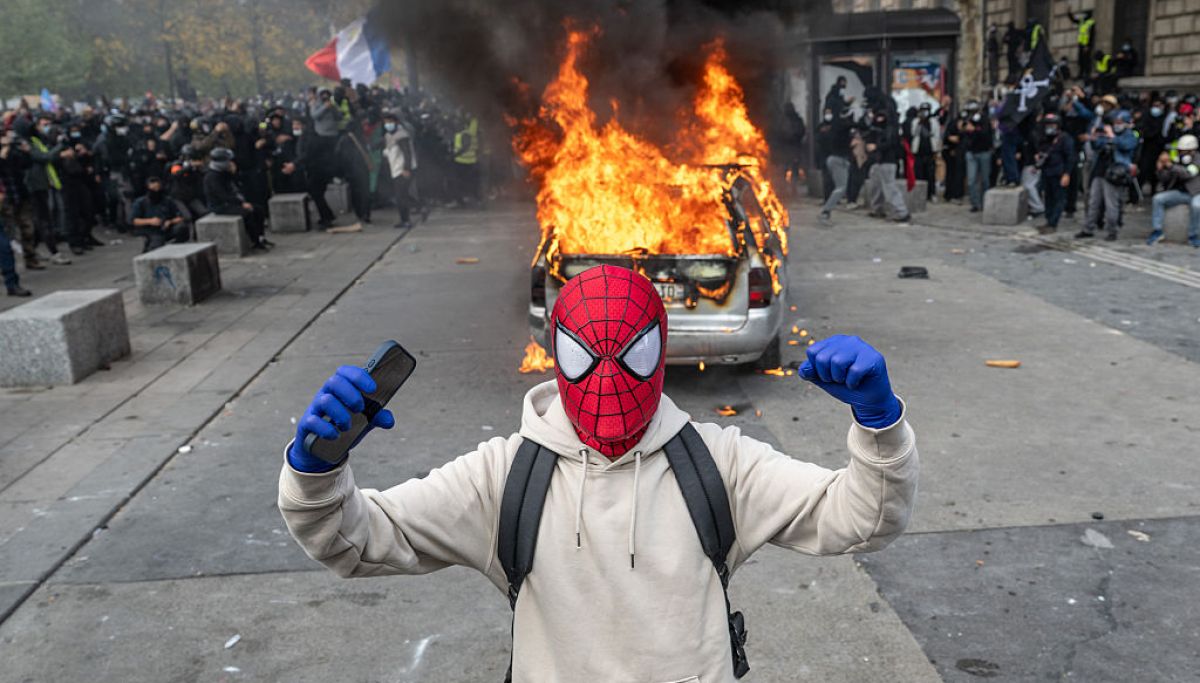
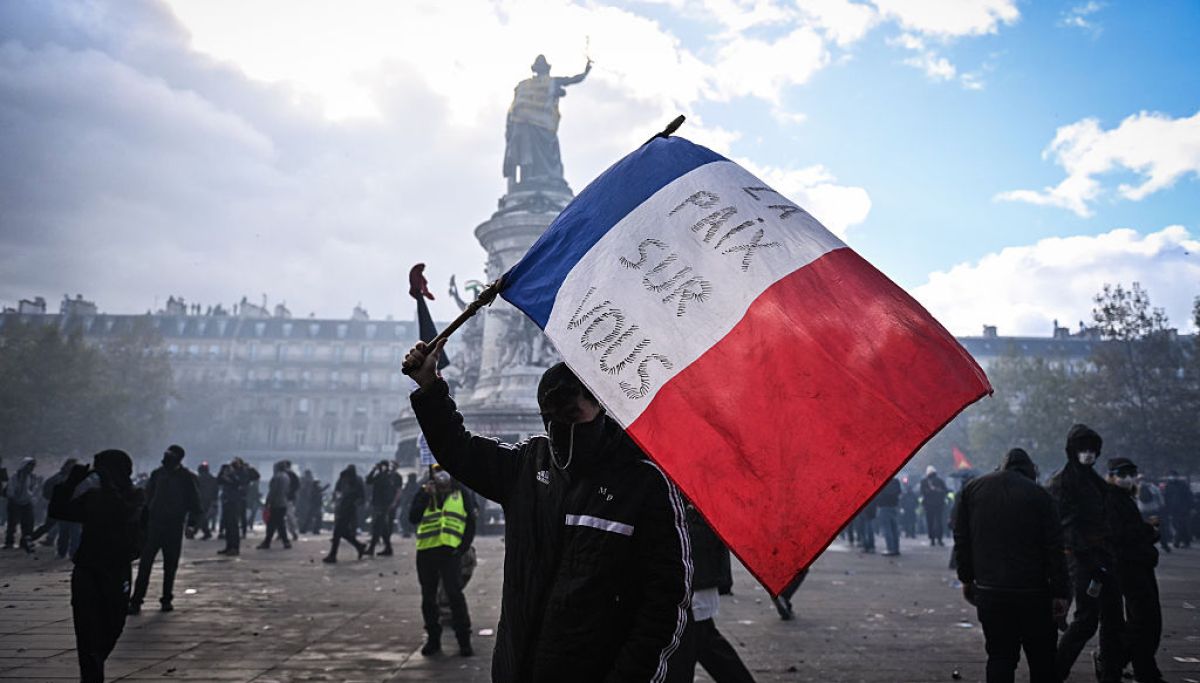
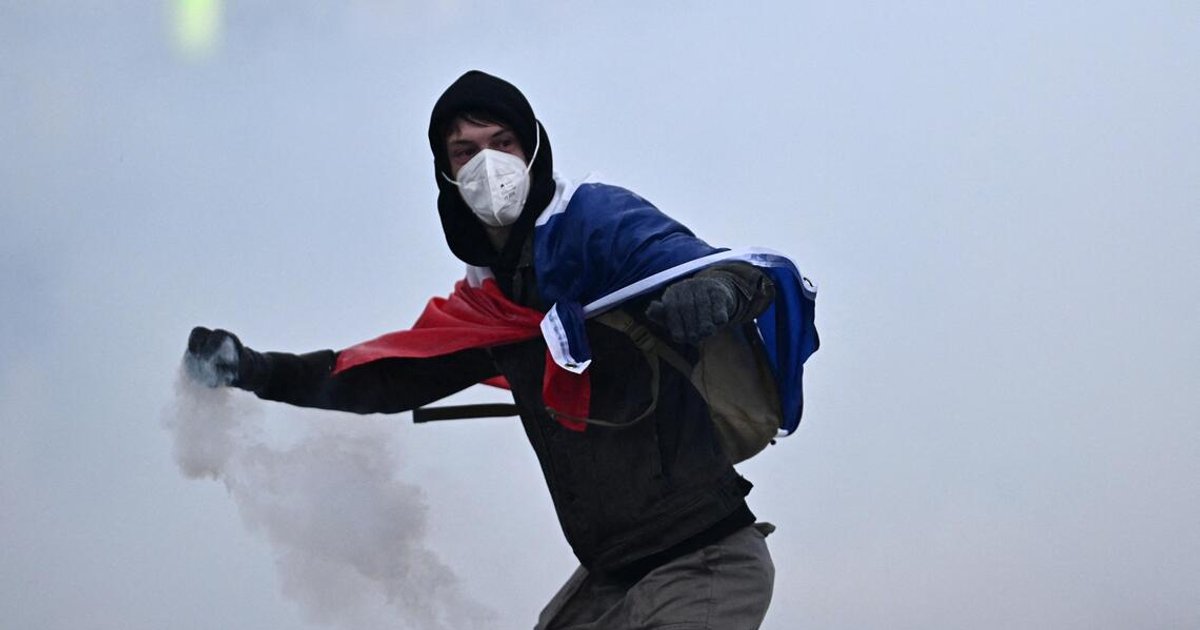
France faces continued protests as student movements spread into broader societal grievances. On October 17, large-scale demonstrations turned violent with widespread looting and vandalism across cities, leading to 1,314 arrests and significant property damage. The government deployed 70,000 police for the next major rally on October 25, which saw participation from 410,000 people without extensive violence.
Protests began with student demands over education quality and facilities but have been joined by various groups including labor unions and firefighters, united in frustration over wages, living costs, and public services. The Yellow Vests movement is also calling for mass rallies and sit-ins to pressure the government further. Major French cities experienced significant unrest, while protests spread across Europe with demonstrations in Rome’s Colosseum and Barcelona.
Media coverage has been criticized for focusing heavily on violence rather than protester demands, leading some analysts to suggest a narrative battle over the nature of these events. Meanwhile, far-right politicians like Marine Le Pen are capitalizing on public dissatisfaction to push for change and restore law and order. Overall, France's current unrest reflects deep-seated societal issues that extend beyond education into broader economic and political challenges.