The Aporia
Could A Major Part Of Brexit Be Reversed? (2026, October 25). BBC News. https://www.bbc.co.uk/sounds/play/p0phhxp0?at_medium=RSS&at_campaign=rss
“Could A Major Part Of Brexit Be Reversed?” BBC News, 25 Oct. 2026, https://www.bbc.co.uk/sounds/play/p0phhxp0?at_medium=RSS&at_campaign=rss.
“Could A Major Part Of Brexit Be Reversed?” BBC News, October 25, 2026. https://www.bbc.co.uk/sounds/play/p0phhxp0?at_medium=RSS&at_campaign=rss.
Dated from the outlet's own feed. Check the original for its byline.
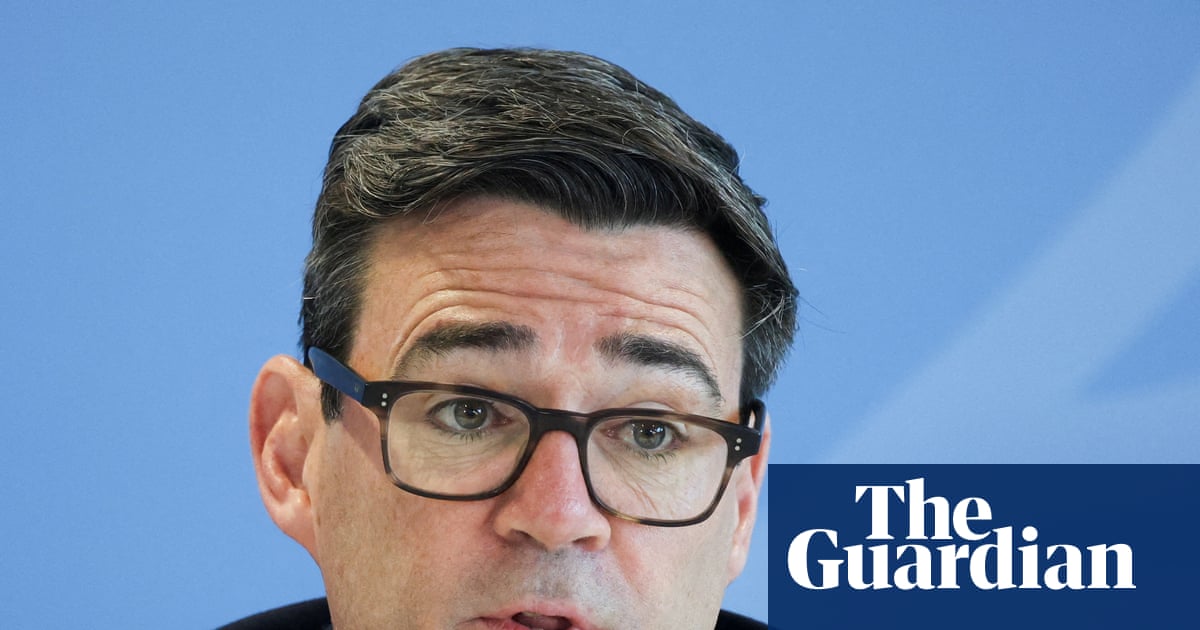
As of October 25, 2026, Andy Burnham, the UK Prime Minister and leader of the Labour Party, has called for "an honest discussion" with the EU regarding the possibility of returning to free movement between the UK and the bloc. This shift comes despite previous commitments by Labour in their 2024 election manifesto to rule out such a move until after a general election expected by 2029.
Burnham's remarks, made in an interview with The Sunday Times, suggest he is open to revisiting the relationship between Britain and Brussels, potentially including options like full EU membership or joining the single market. The PM argues that migration patterns have changed since before Brexit, making a return to free movement different from what was experienced during EU membership.
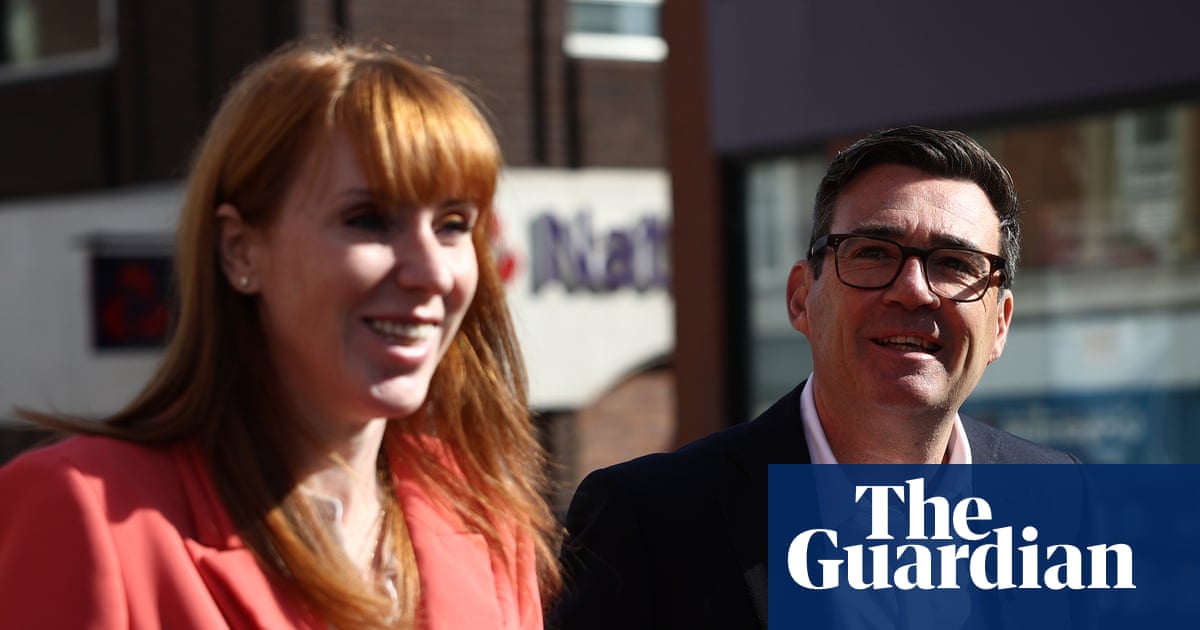
However, Burnham's comments have drawn mixed responses within his party. While senior cabinet ministers like Angela Rayner support this pragmatic approach, they face criticism from fellow Labour MPs and Eurosceptic voters concerned about the implications for jobs and wages. Opposition leaders such as Nigel Farage and Kemi Badenoch have accused Burnham of betraying the 2016 Brexit referendum results and warned that reopening free movement would harm young people's job prospects.
The debate underscores ongoing tensions within UK politics over how to balance economic interests with voter expectations from the 2016 referendum.