What makes a good spine-tingler?
asserted
What → make → tingler
Stephen Graham Jones says it's all in the ending
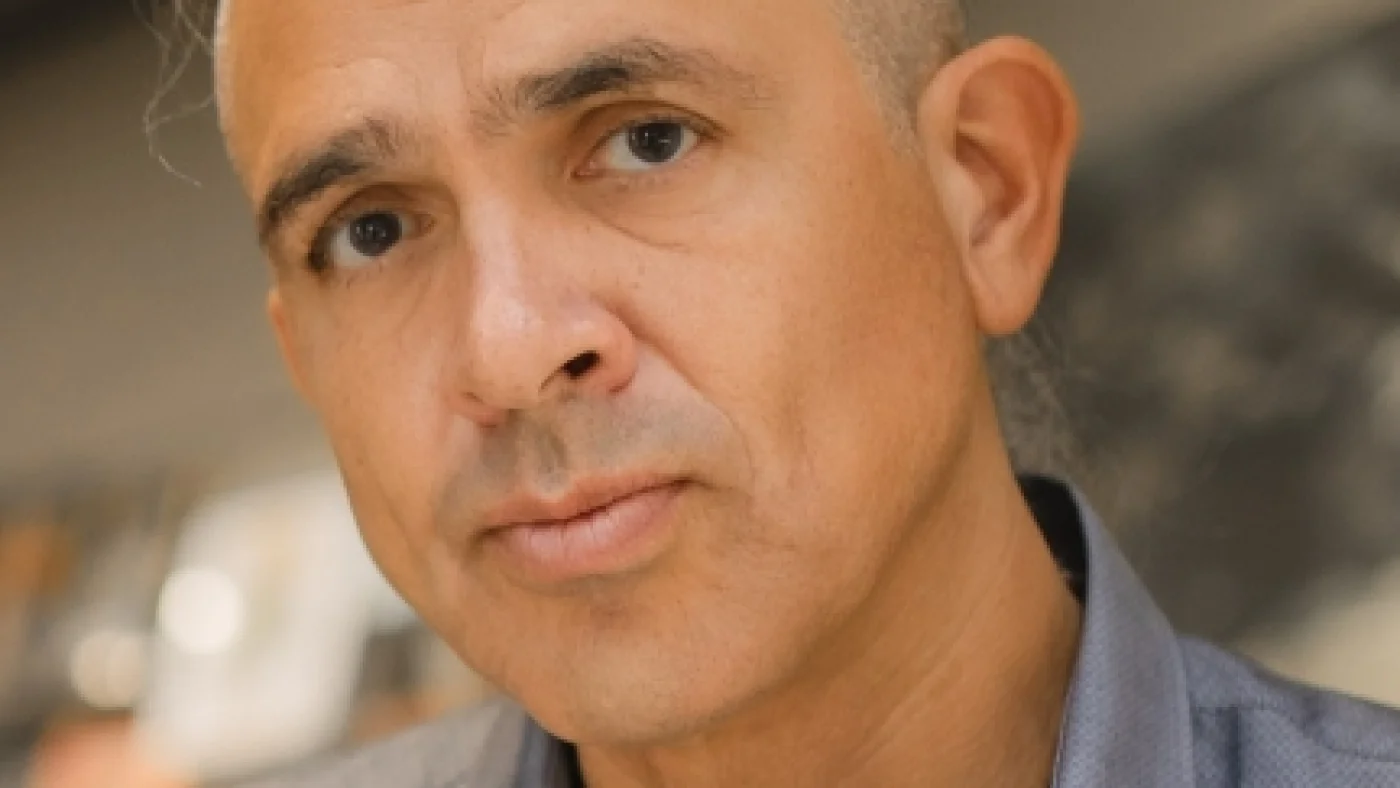
Stephen Graham Jones never intended to be a writer.
"I only planned to drive a tractor and be a farmer," he says.
asserted
he → say → tractor
Jones, a member of the Blackfeet Nation from Midland, Texas, saw either oil fields or cornfields in his future.
asserted
Jones → see → future
But he always knew he had the chops to tell a good story.
asserted
he → know → story
"I was always spilling Kool-Aid on the couch and telling my mom a story that my little brother did it," he says.
asserted
he → spill → it
"It was all self-preservation, of course, but to tell you the truth, I was reading novels since third or fourth grade and I would get to the end of those novels and I would think, 'I can do that, I can end a story like that.'
asserted
I → tell → that
"
All month, Weekend Edition has been exploring why people are drawn to scary stories, how horror has become big business, and now Jones, a professor of English at the University of Colorado Boulder, shares with us how to create a good spine-tingler.
asserted
Jones → explore → tingler
It ends
"I think craft can get you through 95% of a novel," Jones says.
asserted
Jones → end → novel
It's the little techniques you use to achieve this or that, and situate the story and the reader.
asserted
you → use → story
Jones says the actual art of writing a good story doesn't really come into focus until you get to the wrap-up.
asserted
you → say → up
"I always think of it like the story is running along the top of a flat mesa, and it's nighttime and 95% of it is even-footing.
asserted
% → think → it
But then at the very end, you jump off into the night, into the darkness, and you trust that there's going to be another toe hold out there," he says.
asserted
he → jump → darkness
Experts studying fear have theorized that one of the major reasons people are flocking to horror experiences lately — whether theme parks, novels or movies — is that the world feels so uncertain.
asserted
world → study → experiences
Jones agrees and says "whether that ending is up or down, that ending is what we're here for."
asserted
we → agree → what
"Because if this long, dark tunnel of a story has a light at the end, whether it's a train or daylight, that means that the long, dark tunnel we're in in this world is also probably going to have an end.
asserted
we → have → end
Remember the past
As much as Jones agrees that a scary present may serve as a gateway to horror, the genre also gives writers — and readers — a particular opportunity to explore the past.
uncertain
genre → remember → past
"In our current moment, there's a lot of effort to … cleanse the past of any wrongdoing," he says.
asserted
he → be → wrongdoing
"And so I think we need continual reminders that our footsteps to get here are all bloody," and that our history includes such low points as violence against native people and Indian boarding schools.
asserted
history → think → people
Jones has been publishing novels, short stories and novellas for decades but his breakout work was "The Only Good Indians."
asserted
work → publish → decades
His latest is a sequel to that 2020 hit, titled "Off the Reservation."
asserted
latest → title → Reservation
Both novels follow characters attempting to square their heritage and histories with hauntings and possessions.
asserted
novels → follow → hauntings
Jones says he was initially reluctant to use titles like these because he didn't want to "cede that damaging phrase back into the world," but that an editor said it would help the stories go "wide" and Jones says he was finally convinced by friend that the title was appropriate based on the characters' struggles with identity.
asserted
title → say → identity
"I reread the novel and every character was wrangling with, 'am I a good Indian in the contemporary world or not?'
asserted
I → reread → world
So I think the novel did earn that title."
Invite in the readers' demons
Stephen Graham Jones says that writing monsters, ghouls, or — his particular favorite – slashers are about creating characters unique enough to be interesting but with just enough blank space to give readers the space to graft their own demons onto them.
asserted
writing → think → them
"Then the story matters to them in a completely different way," he says.
asserted
he → matter → way
"Once you get the reader picturing it in their minds without you quite having to say it, that's when the scare can really be effective."
asserted
scare → get → it
"You build the monster from a bad coach you had, a parent you're having difficulties with, from a bully at school, from a teacher that doesn't like you.
asserted
that → build → you
You build them from who you're afraid of yourself."
Jones says to write a good story, you have to have something to say.
asserted
you → build → something
That doesn't mean you preach; just write truthfully and the rest will fall into place, whether you're writing for 15 people, or 15 million.
asserted
you → mean → people
 The Aporia