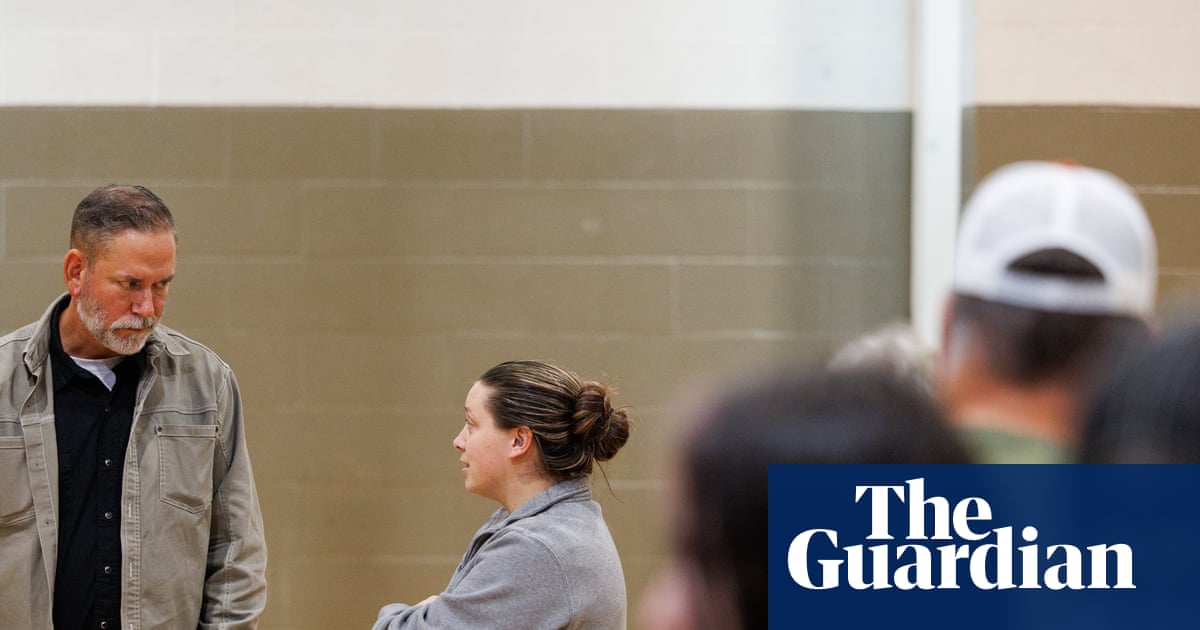
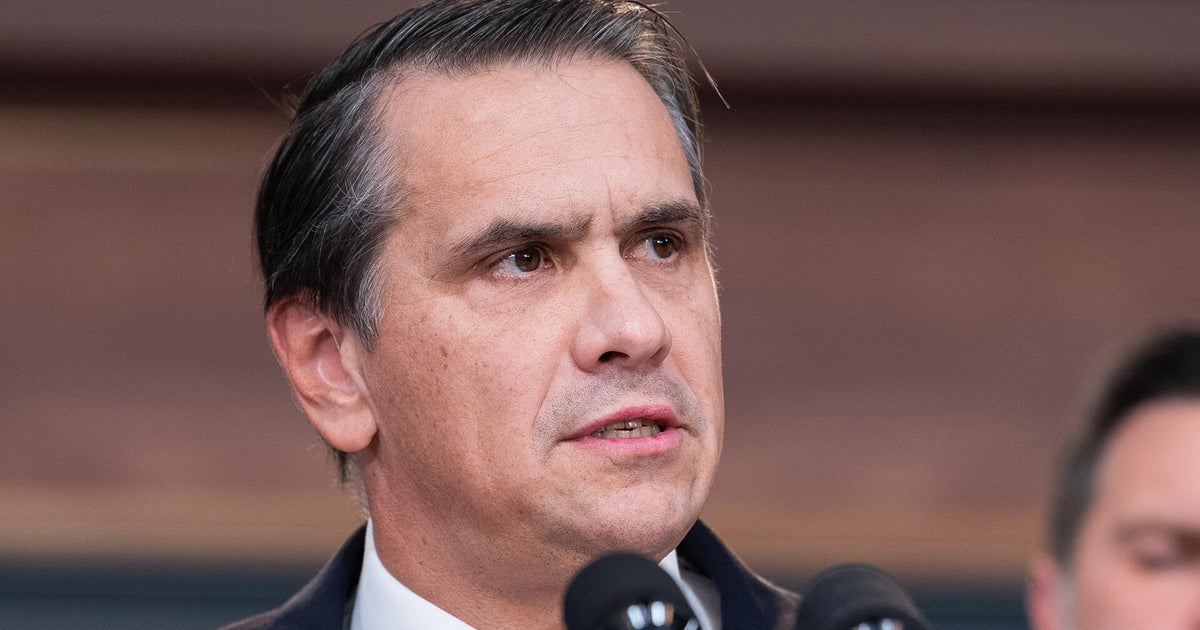
In this final stretch of the US midterm elections, Democrats and independents could win back communities and towns across America’s rural heartlands through a combination of resurgent “prairie populism”, local despair over the impact of Donald Trump’s agenda and an old-fashioned tenet of shoe-leather politics: showing up everywhere.
uncertain
Democrats → win → politics
When Dan Osborn rolled into one of the most rural counties in Nebraska earlier this month, he started walking into businesses in the tiny main drag of Arthur, ready to meet whomever he could in the town of about 100.
uncertain
he → roll → 100
For an independent making a run for the US Senate in a red state, every vote matters – even the ones in solidly Republican areas that political candidates often overlook.
asserted
candidates → make → that
Osborn is touring all 93 counties in the state before election day; he has about a dozen left.
asserted
he → tour → dozen
He’s one of several high-profile candidates seeking to win over areas the left and center ceded to Republicans in the last decade-plus.
asserted
left → ’ → decade
They’re running on populist messages rooted in the agrarian culture of their states, harkening back to politicians who stood up to corporate interests in previous generations by tying together farmers and workers who felt abandoned by both political parties.
asserted
who → run → parties
In Iowa, the Democratic US Senate candidate, Josh Turek, calls himself a “commonsense prairie populist”.
asserted
candidate → call → himself
Sam Forstag, a Democrat running for Congress in Montana, has emphasized economic populism in his campaign to flip a red district, saying he wants to fight for “people like the kid I was growing up, whose belly is full because of food stamps”.
asserted
belly → run → stamps
One writer referred to the politics of Kansas pastor Adam Hamilton, a Democrat, as a “populism of decency”, comparing Hamilton to William Jennings Bryan, a late-1900s evangelical populist from neighboring Nebraska who was known as the “great commoner”.
asserted
who → refer → commoner
“For me, populism is not doing things through a political lens, through party lens, but your political north star always being, what is best for the people?” Turek said.
asserted
Turek → do → people
“So for me, it’s what is best for Iowa.
asserted
what → ’ → Iowa
What’s best for Iowans, particularly what’s best for the middle class?
asserted
what → ’ → class
What’s best for the workers?
asserted
What → ’ → workers
What’s best for rural communities?
asserted
What → ’ → communities
What’s best for small family farms?”
asserted
What → ’ → farms
The candidates often push back on attempts to label their politics, and instead emphasize their pragmatism and willingness to work with politicians of any political background.
asserted
candidates → push → background
Hamilton’s campaign, for instance, said he looked up to Bob Dole, the late longtime Republican US senator from Kansas, and said Hamilton would work with anyone.
asserted
Hamilton → say → anyone
“It’s how Kansas got the Farm Bill that has supported farmers and low-income kids for decades – by working together, Democrats and Republicans, to deliver for our state,” Hamilton’s campaign said.
asserted
campaign → ’ → state
This election cycle adds in datacenters and artificial intelligence to the populist platform, drawing on anti-corporate and anti-elite sentiments and a desire in rural areas to maintain their land, and their lifestyles, away from big tech interference.
“I’ve never seen our party so quickly adapt to where the voters were on an issue, and really leaning into where the voters were, versus poll-testing it to death,” said Jane Kleeb, the chair of the Nebraska Democratic party.
asserted
Kleeb → add → party
“I think that’s been a lesson now for candidates to say it’s OK to talk about these local issues that people are talking about.”
asserted
people → think → that
In the late half of the 19th century, the left-of-center populist movement in the US focused on small farmers.
asserted
movement → focus → farmers
The chief enemy was the railroads, said Cory Haala, a history professor at South Dakota State University who wrote a book on midwestern progressive populism.
asserted
who → say → populism
Railroads bought up land and charged exorbitant rates to farmers who needed to ship their goods to other parts of the country.
asserted
who → buy → country
These farmers, often working together with organized labor, pushed to regulate railroads and stand against out-of-state interests, he said.
asserted
he → work → interests
Some of the hallmarks of the movement persist today: a state-run bank in North Dakota, as well as a state-run flour mill; political parties such as the Democratic-Farmer-Labor alliance in Minnesota.
asserted
Some → persist → Minnesota
Throughout the 20th century, progressive populism ebbed and flowed, with another peak in the 1980s in response to the farm crisis, when poor economic conditions led to massive small farm failures.
asserted
conditions → ebb → failures
Populists and farming-focused Democrats won for decades throughout the prairie and midwestern states, from Tom Harkin in Iowa and Byron Dorgan in North Dakota to Tom Daschle in South Dakota and Bob Kerry in Nebraska.
asserted
Populists → focus → Nebraska
By 2013, though, USA Today called them a “fading species”.
asserted
Today → call → them
“The conversations that we’re seeing around anti-monopoly, around antitrust and around datacenters are providing new flashpoints for the kind of populist organizing that was successful in the 1980s, in the 1930s and earlier than that,” Haala said.
asserted
Haala → see → that
Heidi Heitkamp, a former US senator who was the last Democrat to win statewide in North Dakota, noted that her win wasn’t that long ago – she won in 2012, then lost her re-election in 2018.
asserted
she → win → 2018
Her successor, Republican Kevin Cramer, recently told Out of State, a rural policy newsletter, that he was glad he wasn’t on the ballot this year.
asserted
he → tell → ballot
Heitkamp told the Guardian that the Democratic party decided it was easier to grow its base in the suburbs than to maintain any kind of presence in rural America.
asserted
it → tell → America
Chuck Schumer, the Democratic leader in the US Senate, said as much in 2016: “For every blue-collar Democrat we lose in western Pennsylvania, we will pick up two, three moderate Republicans in the suburbs in Philadelphia.
asserted
we → say → Philadelphia
Now, candidates rooted to their states, speaking to the economic trouble their neighbors are facing with high gas prices, tariffs, rural hospital healthcare woes and datacenters, are trying again to win over these voters.
asserted
neighbors → root → voters
Democrats and independent populists need to respond directly to these concerns to build back their reputations and ultimately expand their representation, Heitkamp said.
asserted
Heitkamp → need → representation
“Rural areas are heavily dependent on being able to get in the car and afford to drive,” she said.
asserted
she → get → car
“And where people once upon a time believed that this administration would solve those challenges, they’ve lost faith.”
asserted
they → believe → faith
Hitting the road
In Arthur, Osborn first talked to a handful of locals at the town’s market, then went next door to the Bunkhouse – a restaurant with walls lined with antlers, animal skins and Nebraska license plates.
He grabbed a burger with a couple of supporters who heard he’d be in town, then talked to other tables, first apologizing for the frequency of political ads, and then explaining who he was.
asserted
he → hit → ads
“I’m not a Republican, I’m not a Democrat, I just wanna work for workers,” he said.
asserted
he → ’m → workers
Wins – or even narrow losses – in these areas would signal to national Democrats and independents where to invest in 2028, and how to run campaigns that can win over skeptical voters in rural states.
asserted
that → signal → states
…and 48 more, not listed.
 The Aporia