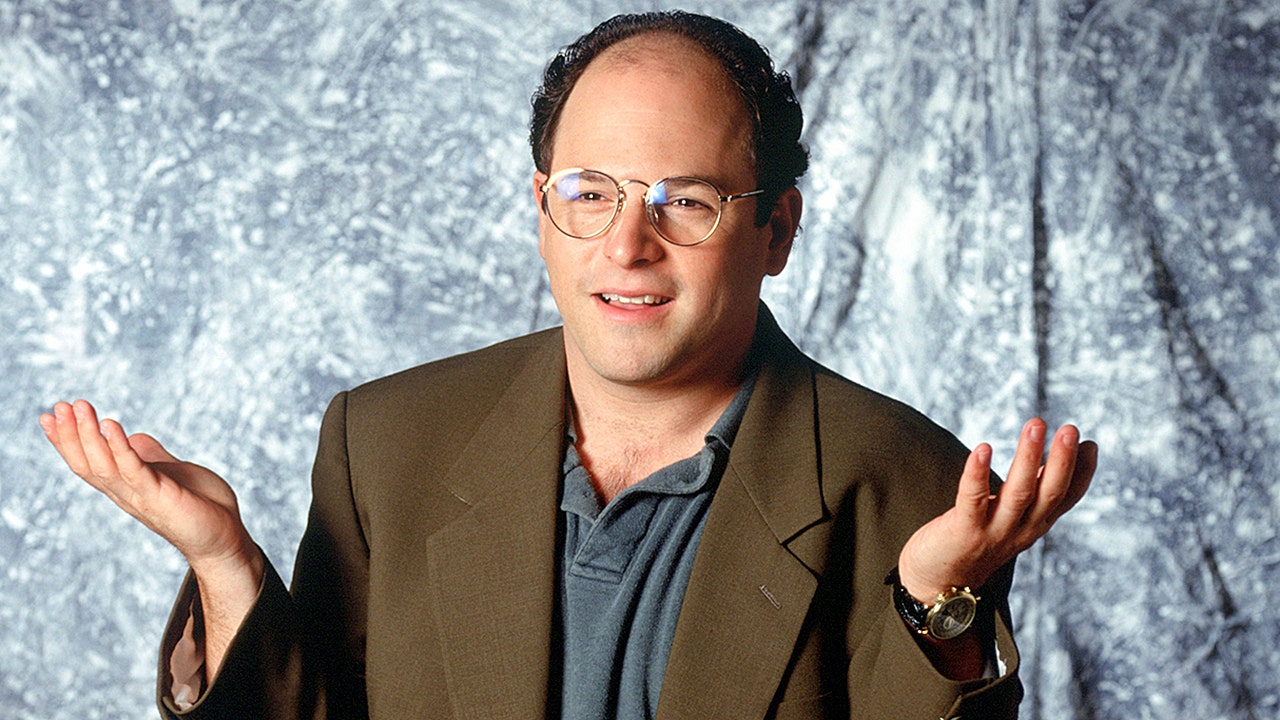
For Jason Alexander, fame wasn't all it was cracked up to be.
asserted
it → crack → Alexander
The "Seinfeld" star was a guest on Daniel Lubetzky's "Build or Break" podcast and discussed the iconic sitcom that helped shape his career.
asserted
that → build → career
Alexander told Lubetzky that therapy was the only way he was able to cope with how much the show changed his life.
asserted
show → tell → life
"You literally went to therapy?" the host asked.
asserted
host → go → therapy
"You bet," Alexander replied.
asserted
Alexander → bet → ?
"I was in therapy while it was happening."
asserted
it → happen → therapy
When Alexander was asked why, he explained that the transition from the fame that "Seinfeld" brought him would be hard for anyone.
asserted
Seinfeld → ask → anyone
"The transition from successful at your job to international celebrity, let me just tell you, I don't care how well you've been raised or who you are, you're going to need some therapy," Alexander said.
asserted
Alexander → let → therapy
Alexander went on to explain that he had one vision for himself when he was young, one dream to accomplish, and that was to make it to Broadway.
asserted
that → go → Broadway
"My fantasy of a successful life for myself as an actor growing up in New Jersey was getting across the river and working on those Broadway stages.
asserted
fantasy → grow → stages
That was the pinnacle for me," he began.
asserted
he → begin → me
He continued, "I didn't think about television.
asserted
I → continue → television
I didn't think about film.
asserted
I → think → film
I dreamt about a life in the theater.
asserted
I → dream → theater
God gave me that starting at age 21.
asserted
God → give → age
By the time I was 30, I'd won a Tony Award.
asserted
I → win → Award
And now they throw in my path 'Pretty Woman,' some of the other films, 'Seinfeld.'
asserted
they → throw → films
And I now live a life as an actor that I never dreamt of, never.
asserted
I → live → that
I never thought I would have this kind of money, that I could keep my family the way I keep them, that I would have these opportunities, that I would work with the people I've met."
uncertain
I → think → people
Alexander said that when "Seinfeld" ended, his first thought wasn't to try and replace that level of success, rather he was in awe that he was able to get there in the first place.
asserted
he → say → place
"So, if you hit that and then that goes away, I would never go, 'Why couldn't I keep that?'
asserted
I → hit → that
I go, 'I can't believe I ever got that.'
asserted
I → go → that
That's not what I was thinking.
asserted
I → think → what
So for me, life gave me more than I ever dreamed of," he said.
asserted
he → give → more
"I didn't expect that to last.
asserted
that → expect → ?
I objectively could sit back.
uncertain
I → sit → ?
And one of the reasons that we were so adamant at the end about making money on 'Seinfeld' is because I grew up at a time when if you had a hit series on television, you never worked again.
asserted
you → make → television
I mean, that was it.
asserted
that → mean → ?
"
"Seinfeld" is an American sitcom created by comedian Jerry Seinfeld and Larry David.
asserted
Seinfeld → create → Seinfeld
The series premiered in 1989 and followed a fictionalized version of Seinfeld as he navigated everyday life, relationships and friendships in New York City.
asserted
he → premier → City
The main cast included Alexander as George Costanza, Seinfeld as Jerry Seinfeld, Julia Louis-Dreyfus as Elaine Benes and Michael Richards as Cosmo Kramer.
asserted
cast → include → Kramer
Often described as a "show about nothing," the series focused on ordinary situations that spiraled into comedic chaos.
asserted
that → describe → chaos
It ran for nine seasons and 180 episodes before ending in 1998.
asserted
It → run → 1998
"Seinfeld" is widely regarded as one of television’s most influential and successful sitcoms.
asserted
Seinfeld → regard → sitcoms
 The Aporia