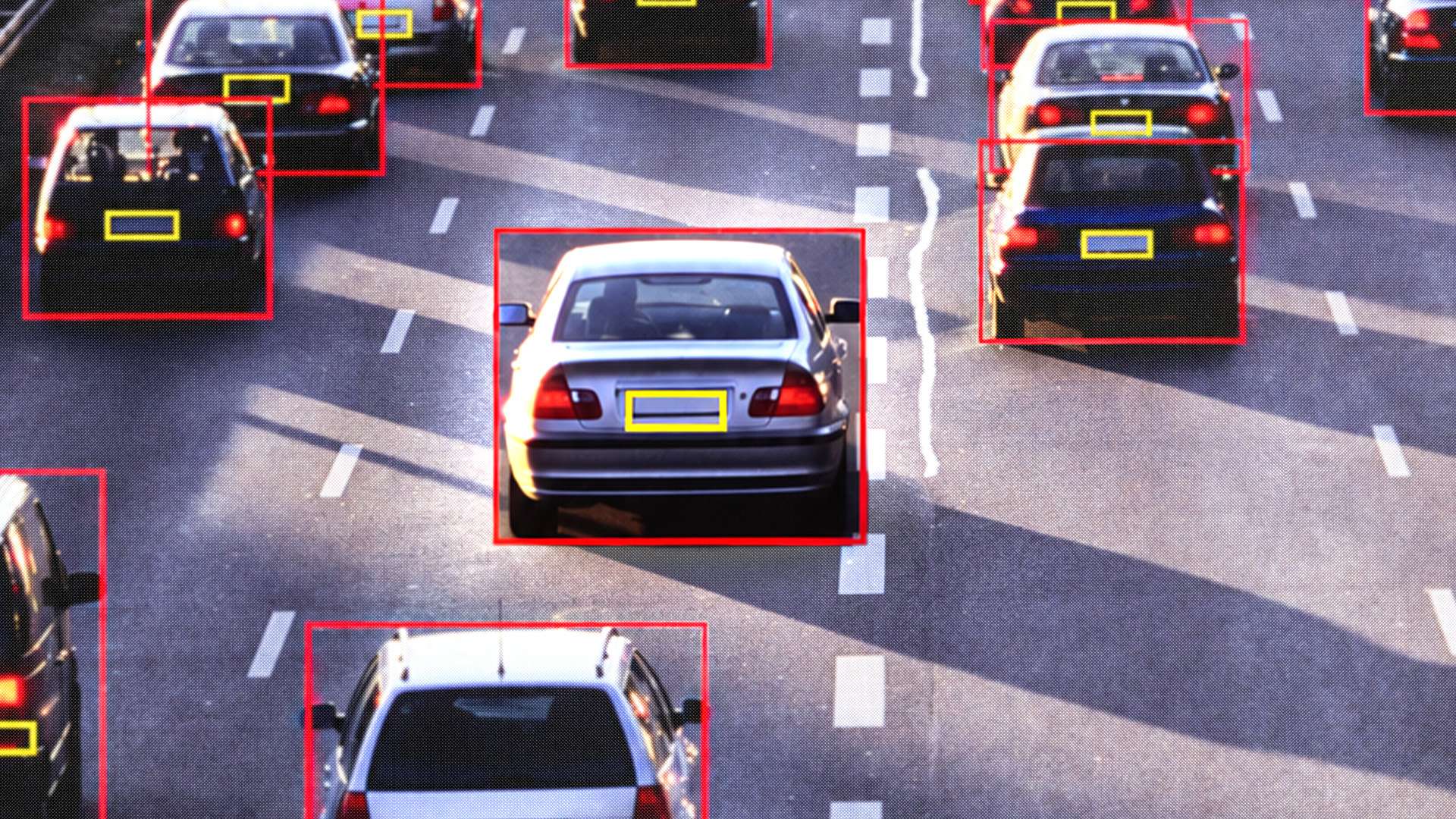
West Des Moines, Iowa—Iowa voters may disagree on immigration, taxes, and the economy, but government surveillance is drawing opposition from across the political spectrum.
uncertain
surveillance → disagree → spectrum
An Emerson College poll of 750 likely Iowa voters, conducted between late August and early September, found that 61 percent opposed police use of automated license plate reader (ALPR) cameras, compared with 26 percent in support.
asserted
percent → conduct → support
The backlash comes as police departments across the state increasingly rely on surveillance technology supplied by private companies such as Flock Safety and Motorola Solutions.
asserted
departments → come → Safety
Their cameras record license plates and vehicle information, feeding searchable databases that allow law enforcement to piece together motorists' movements, including those of people suspected of no crime.
asserted
enforcement → record → crime
As Iowa's gubernatorial and congressional campaigns enter their final stretch, voters are increasingly pressing candidates on whether they intend to place limits on the technology.
asserted
they → enter → technology
Jacqueline Thompson, an ordained elder in the Iowa Conference of the United Methodist Church and a self-described centrist Democrat, said she has been concerned about government surveillance for years.
asserted
she → describe → years
"It's always been important to me [and] I've always thought that was a problem," she said before a campaign rally at a senior living community in Des Moines earlier this month.
asserted
she → think → Moines
"So, when people started jumping on the bandwagon saying it, I was like, 'Hello, I've been here already!'"
asserted
I → jump → it
Thompson pointed to two Democratic candidates, Nate Willems, who is running for Iowa attorney general, and Taylor Wettach, a candidate for state auditor, as having caught her attention with their emphasis on corporate oversight and access to government records.
asserted
who → point → records
For Thompson, the renewed attention to privacy is a welcome development in a political environment where Democrats and Republicans rarely find common ground.
asserted
Democrats → renew → ground
"It's kind of nice to hear the people come back to the middle [and discuss this]," she said.
asserted
she → hear → this
Flock Does Not Have Enough Guardrails
asserted
Flock → have → Guardrails
Police surveillance technology has spread across Iowa faster than the rules governing its use.
asserted
technology → spread → use
A recent study identified at least 62 Iowa law enforcement agencies that had accessed other agencies' Flock databases, including departments that did not operate cameras of their own.
asserted
that → identify → own
Police departments can therefore search information collected well beyond their jurisdictions without having to install a single camera themselves.
asserted
departments → search → camera
The study (led by Megan Graham, a clinical associate professor and director of the Technology Law Clinic at the University of Iowa College of Law) found significant gaps in transparency surrounding ALPRs.
asserted
study → lead → ALPRs
The constitutional implications are already being tested in court.
asserted
implications → test → court
On October 1, a federal judge in Oklahoma ruled that a sheriff's deputy violated the Fourth Amendment by searching a motorist's location history through automated license plate reader systems operated by Flock Safety and Motorola Solutions without a warrant.
asserted
deputy → rule → warrant
The search turned up more than 50 records of the driver's whereabouts across multiple states over a month.
asserted
search → turn → month
In the 38-page ruling, the judge ordered the resulting evidence suppressed, describing the technology as a form of "indiscriminate mass surveillance."
asserted
evidence → order → surveillance
The decision is not binding in Iowa, and legal challenges to ALPR surveillance still face an uphill battle, but it adds to the legal scrutiny of police tracking motorists without warrants.
asserted
it → bind → warrants
The University of Iowa study also raised concerns about unauthorized database access, erroneous alerts, and the potential use of locally collected information for federal immigration enforcement.
asserted
study → raise → enforcement
Flock Safety says it has not provided U.S. Immigration and Customs Enforcement or Border Patrol with direct access to its systems.
asserted
it → say → systems
But the researchers found that local law enforcement agencies elsewhere in the country had conducted searches on behalf of federal authorities, effectively allowing them to obtain information without direct access.
asserted
them → find → access
Taxpayers are also footing the bill.
asserted
Taxpayers → foot → bill
Cedar Rapids reported operating 76 cameras at a combined average cost of more than $20,000 a month, according to the study.
uncertain
Rapids → report → study
Researchers struggled to determine the full extent of surveillance across Iowa.
asserted
Researchers → struggle → Iowa
Some agencies refused to disclose the number or locations of their cameras, while others withheld records concerning unauthorized access or erroneous alerts, citing confidentiality.
asserted
others → refuse → confidentiality
The cameras are not limited to Iowa's largest cities.
asserted
cameras → limit → cities
Becca Eastwood, deputy policy director at the American Civil Liberties Union of Iowa, said they have spread across large, midsize, and smaller communities, prompting a surge in opposition over the past year.
asserted
they → say → year
The backlash "has just exploded, like no other issue that I have seen in my time at the ACLU," Eastwood told Reason in an interview.
asserted
Eastwood → explode → interview
Candidates running for state and federal offices are increasingly getting asked if they support police departments using ALPR cameras, she said.
asserted
she → run → cameras
Some local governments are already reconsidering their contracts.
asserted
governments → reconsider → contracts
Indianola and Waukee suspended their Flock camera arrangements, Iowa Public Radio reported in August.
asserted
Radio → suspend → August
Dallas County paused a planned rollout while awaiting guidance from state lawmakers.
asserted
County → pause → lawmakers
Ankeny, which operates 16 Flock cameras, is reportedly expected to reconsider a possible contract extension next year.
uncertain
which → operate → extension
The backlash also cuts across the immigration debate.
asserted
backlash → cut → debate
While concerns about federal immigration enforcement have helped draw attention to the cameras, critics argue the same surveillance infrastructure can be used against anyone, regardless of which party controls the government.
asserted
party → help → government
"This is a nonpartisan issue because people recognize that surveillance can be weaponized against anyone the government wants to weaponize it against," Eastwood said.
asserted
Eastwood → recognize → it
"An increase in police surveillance impacts certain populations more, right now [but]
asserted
increase → impact → populations
…and 14 more, not listed.
 The Aporia