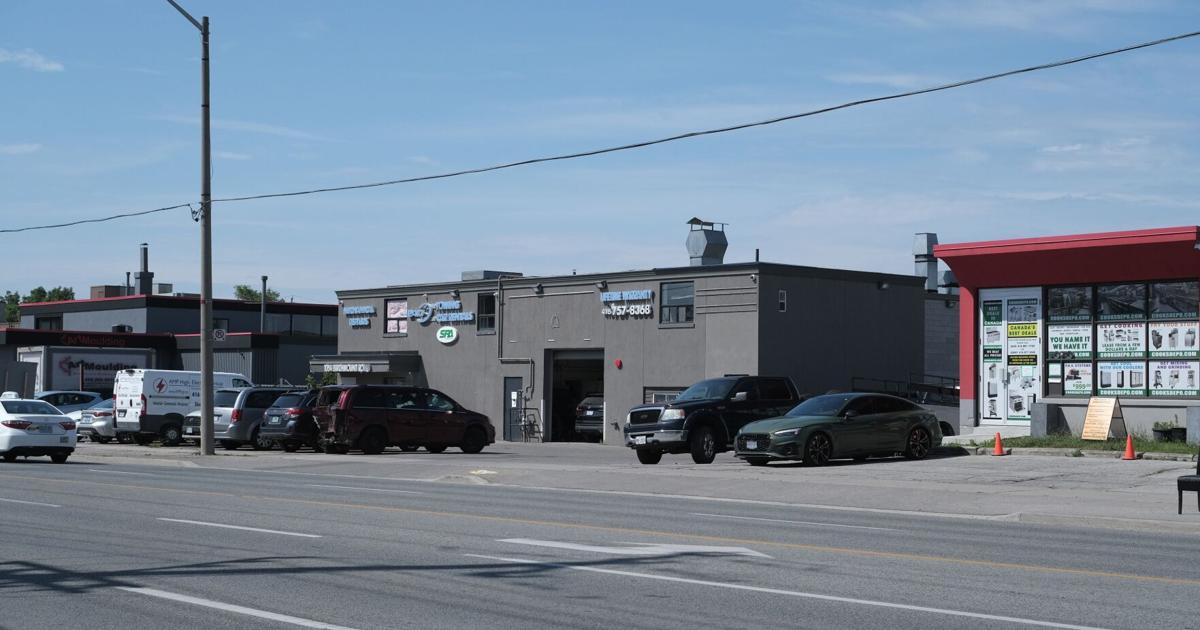
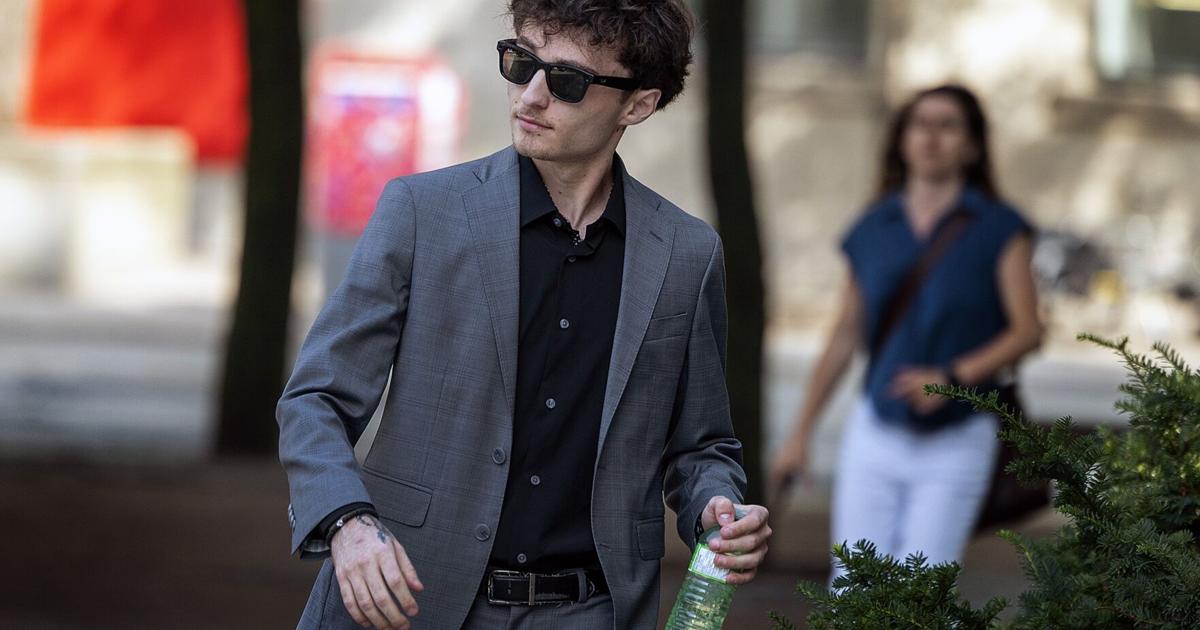
A teenager who fatally shot a tow-truck driver two summers ago — and took part in a string of shootings while being coached and paid by an unidentified man — was handed a nearly eight-year sentence by a Toronto judge Friday, leaving the now 18-year-old killer facing 30 months of “intensive rehabilitative” custody before he’s transferred into community supervision.
asserted
he → shoot → supervision
A.P. pleaded guilty in June to first‑degree murder and 13 counts of reckless firearm discharge.
asserted
A.P. → plead → discharge
Prosecutors say adults connected to the towing industry recruited him to shoot up rival businesses and carry out the assassination of Sulakshan Selvasingam, 28.
asserted
adults → say → Selvasingam
Video recordings played at earlier hearings showed him receiving instructions from a man directing the attacks, including how the killing should unfold, and demanding a higher payment than he had been given for previous shootings.
asserted
he → play → shootings
The day after firing nine rounds into Selvasingam at a Scarborough gas station on July 6, 2024, the teen drove a stolen Honda Civic to a pre‑arranged meeting point, where he and two other youths set the vehicle on fire.
asserted
he → fire → fire
He was arrested nine days later with the murder weapon.
asserted
He → arrest → weapon
A.P. “intentionally, deliberately, and callously” murdered Selvasingam, causing a devastating loss to his family, Superior Court Justice Maureen Forestell said Friday as she read her reasons in court, while the victim’s father wept softly, listening through an interpreter.
“The aggravating factors are many.
asserted
factors → murder → interpreter
A.P. recklessly shot at businesses.
asserted
A.P. → shoot → businesses
He did so for money, although he comes from an affluent family.
asserted
he → do → family
He created real safety risks to many.
asserted
He → create → many
He drove stolen cars.
asserted
He → drive → cars
He destroyed evidence to conceal his actions.”
asserted
He → destroy → actions
(The two youths have already been sentenced for their roles in the shootings that they recorded on their cellphones.)
asserted
they → sentence → cellphones
She also imposed an “IRCS sentence” as recommended by the prosecution and defence.
asserted
She → impose → prosecution
An IRCS sentence is an Intensive Rehabilitative Custody and Supervision order, which is reserved for young people who commit violent offences and have a diagnosed mental disorder or psychological condition that contributed to the crime.
asserted
that → reserve → crime
The teen, who has been diagnosed with attention deficit hyperactivity disorder and substance use disorder, will receive intensive, clinically driven programming during custody, followed by tightly supervised community reintegration.
asserted
who → diagnose → reintegration
“He has significant treatment needs, and his rehabilitation and reintegration require an IRCS order,” the judge said.
asserted
judge → have → order
A.P.‘s ultimate sentence of seven years and nine months accounts for the two years and three months he has already served at a youth facility, where the conditions were “harsh.”
asserted
conditions → account → facility
He has been subjected to “unnecessary, unlawful and humiliating strip searches” and was also denied access to fresh air for six months, she said.
asserted
she → subject → months
The period of community supervision will last the remaining 63 months.
asserted
period → last → months
Defence lawyer Sherif Foda argued his client should receive two-for-one credit for the time he has spent in custody, citing the “excessive” and unauthorized strip searches — including by someone who was fired for inappropriate touching of inmates.
asserted
who → argue → inmates
He also faced prolonged restrictions on yard access after the facility closed its outdoor area to repair a fence after a youth escaped.
asserted
youth → face → fence
The judge decided that his pre-sentence credit can be no more than on a one-to-one basis, which was sought by the Crown.
asserted
which → decide → Crown
The YCJA also mandates that A.P. be transferred to an adult facility when he turns 20.
asserted
he → mandate → 20
If he is transferred, the defence argued he will lose some of the rehabilitative aspects of the IRCS program, including rehabilitative leaves and access to open custody.
asserted
he → transfer → custody
Forestell said she will make a “strong recommendation” that he be allowed to remain in the youth facility.
asserted
he → say → facility
Initially, the Crown provided notice of its intention to seek an adult sentence if A.P. was found guilty.
asserted
A.P. → provide → sentence
However, prosecutor Sharna Reid told Forestell that it was no longer on the table given recent Supreme Court of Canada jurisprudence establishing “a very high threshold” for an imposition of an adult sentence.
asserted
it → tell → sentence
During his sentencing submissions, Foda told court that the teen’s slide into violence began around Grade 9, when puberty, school changes, negative peers and heavy substance use converged.
asserted
puberty → tell → Grade
Psychological evidence suggested he suffers from “emotional avoidance” and “suppressed trauma.”
uncertain
he → suggest → avoidance
The teen described the months before the shootings as feeling unreal, “like a video game.”
asserted
teen → describe → game
His immaturity and lack of parental supervision made him highly susceptible to violent, influential adults who preyed on him and ultimately recruited him to commit the offences, Foda told court earlier this month.
asserted
Foda → make → court
Sitting in the prisoner’s box, A.P. gave a quick wink and smile to family and friends sitting in the body of the court, and showed no other outward emotion.
asserted
A.P. → sit → emotion
He cannot be identified under the YCJA.
asserted
He → identify → YCJA
Before an officer led him from the courtroom, the judge told him: “I hope you make the most of this opportunity.”
asserted
you → lead → opportunity
 The Aporia