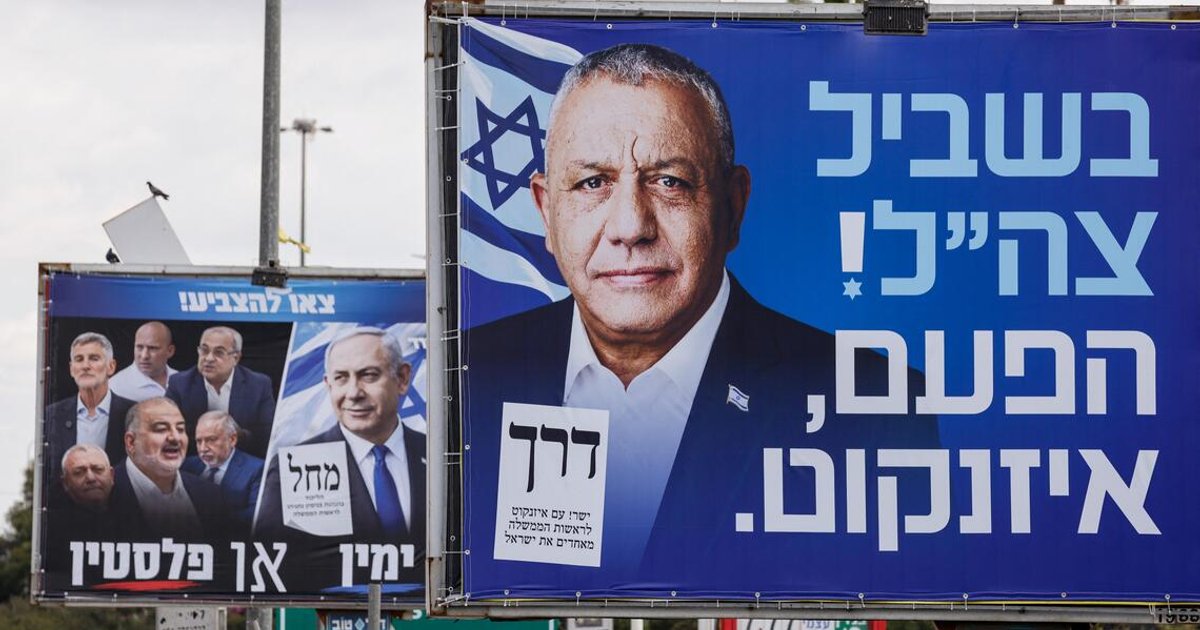
To bring down Netanyahu, Arab-Israeli parties ready for opposition alliance
asserted
parties → bring → alliance
They will not govern Israel, but Arab-majority lists could be the kingmakers in Israel’s close-fought elections next week, guided by a voter base fed up with Prime Minister Benjamin Netanyahu.
uncertain
lists → govern → Netanyahu
In interviews with AFP, the heads of the two predominantly Arab lists put forward a shared objective ahead of the Oct 27 vote: bring down what they say is a racist government.
asserted
they → put → vote
Arab Israelis, also known as Palestinian citizens of Israel, account for about 21% of the country’s population.
asserted
Israelis → know → population
They are descendants of Palestinians who remained within Israel’s borders after the state’s creation in 1948, and have long complained of discrimination from Israel’s Jewish majority.
asserted
who → remain → majority
As Israel’s rightward shift severely tests the Arab minority’s sense of belonging in society, many will head to the ballot box aiming to steer the country away from the far-right.
asserted
many → test → right
They will be represented by two lists in the Oct 27 vote.
asserted
They → represent → vote
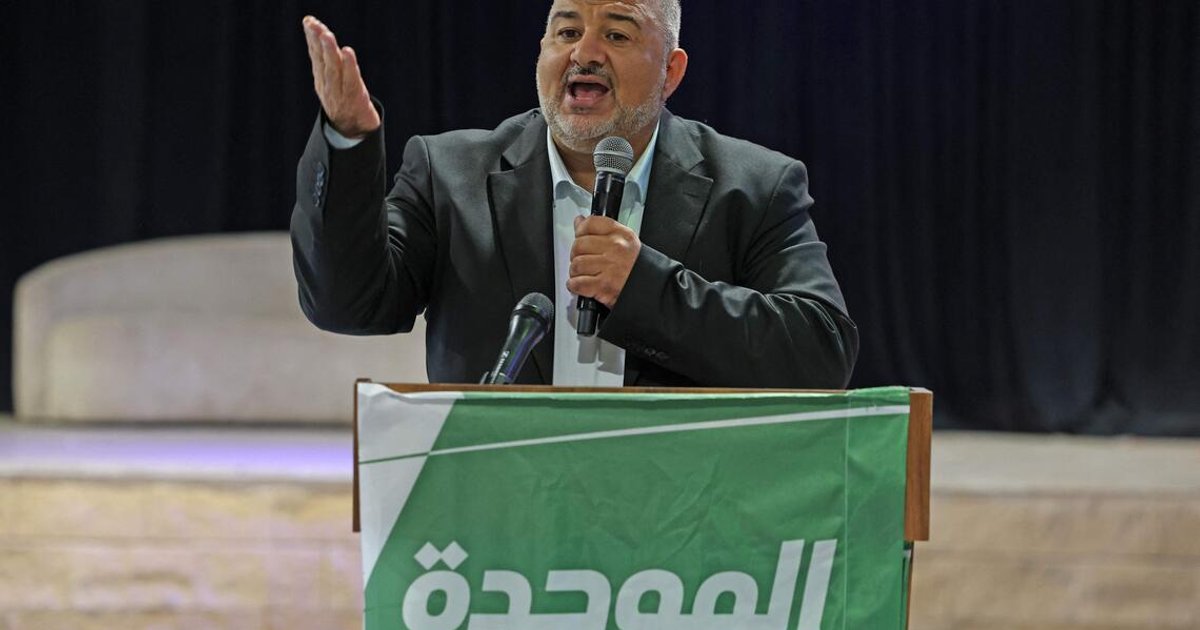
Raam, a Hebrew acronym for United Arab List, is a moderate Islamist party headed by Mansour Abbas.
asserted
Raam → head → Abbas
In 2021, he agreed to join a short-lived coalition of Netanyahu’s opponents, making Raam the first Arab party to join an Israeli government.
asserted
Raam → agree → government
The far-left Joint List, led by Yousef Jabareen, brings together three parties with a mixture of communist and Palestinian nationalist leanings.
asserted
List → lead → leanings
Abbas and Jabareen told AFP that they were ready – under certain conditions – to cooperate with the opposition, particularly the bloc of Netanyahu’s main rival Gadi Eisenkot, which is polling neck and neck with the premier’s.
asserted
which → tell → premier
Depending on the number of seats won, they could help Eisenkot secure a majority in Israel’s 120-member Parliament and possibly participate in the next government.
“We want to be influential partners, so that we can bring decisions to the next government’s table and... resolve the major problems and challenges facing Arab society,” Abbas told AFP in the Arab city of Nazareth in northern Israel.
uncertain
Abbas → depend → Israel
The 52-year-old former dentist said he entered politics to combat the violent crime wave plaguing Arab-Israeli society – a scourge which many in the community say is fuelled by police inaction.
asserted
many → say → inaction
In 2027, Abbas included on the Raam list its first-ever Jewish candidate, Yoav Segalovitz, a former senior Israeli police official who won popularity within Arab communities for his work combating crime.
asserted
who → include → crime
The move “represents a positive commitment to Arab-Jewish partnership”, Abbas said, adding that Segalovitz has “considerable professional expertise” fighting crime – which has claimed the lives of more than 170 Arab-Israelis in 2026, according to the Abraham Initiatives coexistence organisation.
Abbas said he was not a true kingmaker, because there was no chance he would sit in a coalition with Netanyahu.
uncertain
he → represent → Netanyahu
The only option, he said, was to partner with Eisenkot’s bloc.
asserted
he → say → bloc
“God willing, we will achieve our desired goal of eight seats,” Abbas told AFP, a result which according to polls could allow the opposition to secure a majority.
uncertain
opposition → achieve → majority
Demands
Jabareen, a 54-year-old university professor specialising in human rights, said that his Joint List could provide a “safety net” for an alternative government to Netanyahu’s.
uncertain
List → specialise → Netanyahu
The Joint List, he said, was prepared to “cooperate with opposition parties”.
asserted
he → say → parties
But “I do not see, in the near future, a government that we could actually be part of.
uncertain
we → see → that
The current government continues to pursue the war on Gaza, settler terrorism in the West Bank, racist policies and legislation targeting Arab citizens,” he added.
asserted
he → continue → citizens
Jabareen said support for opposition parties depended on how they responded to the Joint List’s platform and policy proposals.
asserted
they → say → platform
“We are not in anyone’s pocket, and we are not giving anyone a blank check.
asserted
we → give → check
We have demands,” he told AFP after a campaign rally in Nazareth.
asserted
he → have → Nazareth
Beyond political calculations, Arab-Israelis interviewed by AFP shared a common weariness with the current government.
asserted
Israelis → interview → government
“Never before has a government treated Arabs with such harshness.
asserted
government → treat → harshness
The government has viewed Arabs with hostility, nothing less than that,” said a 68-year-old former high school director who asked to remain anonymous for fear of reprisals.
asserted
who → view → reprisals
“I hope for change,” said Hanaa Zraiq Sayegh, a 40-year-old dance school owner, but she said she felt attitudes towards Arab society in Israel were “going backwards”.
asserted
attitudes → hope → Israel
Ziad Mansour, a 50-year-old barber, said the community simply wanted “a good, moderate government, one that treats its people and its country well”.
asserted
that → say → people
We’ve had enough.”
asserted
We → have → enough
 The Aporia