The Aporia
The Aporia
The Aporia
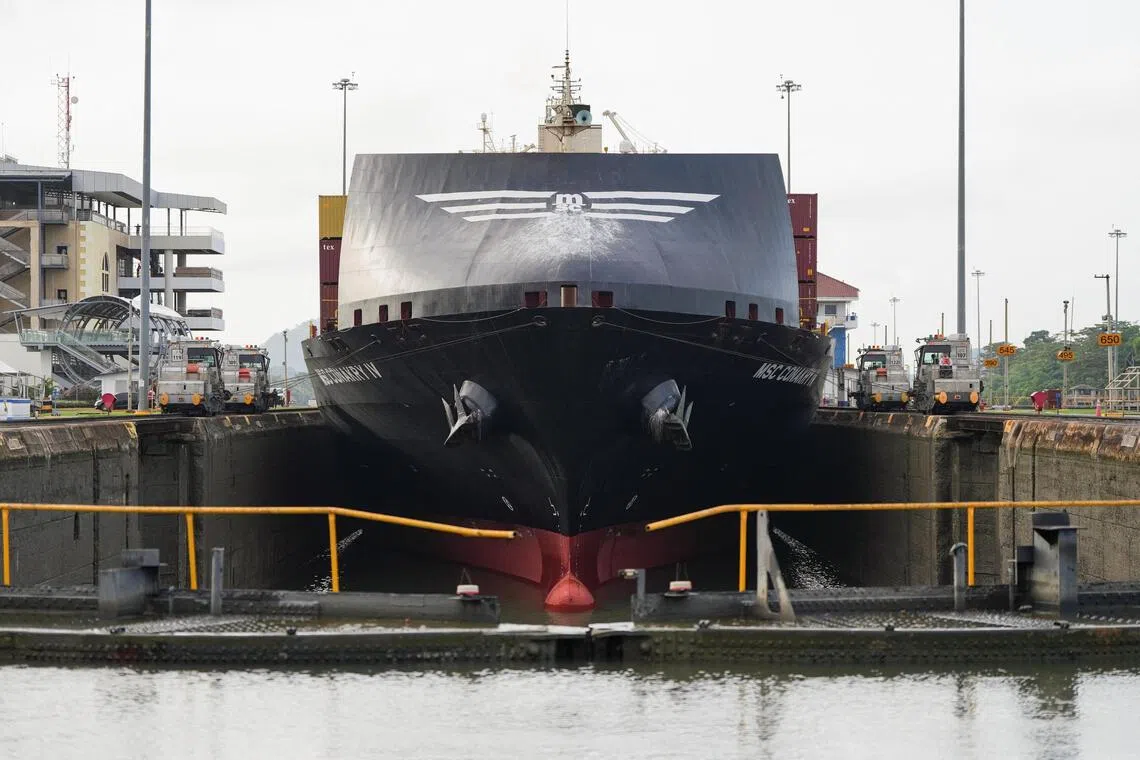
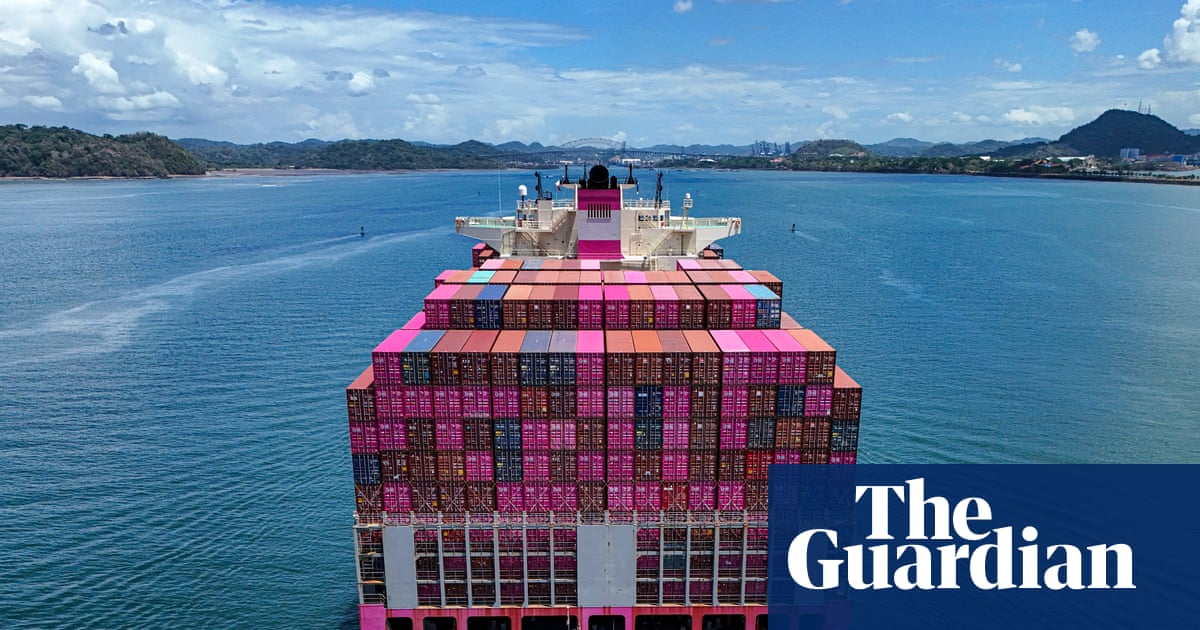
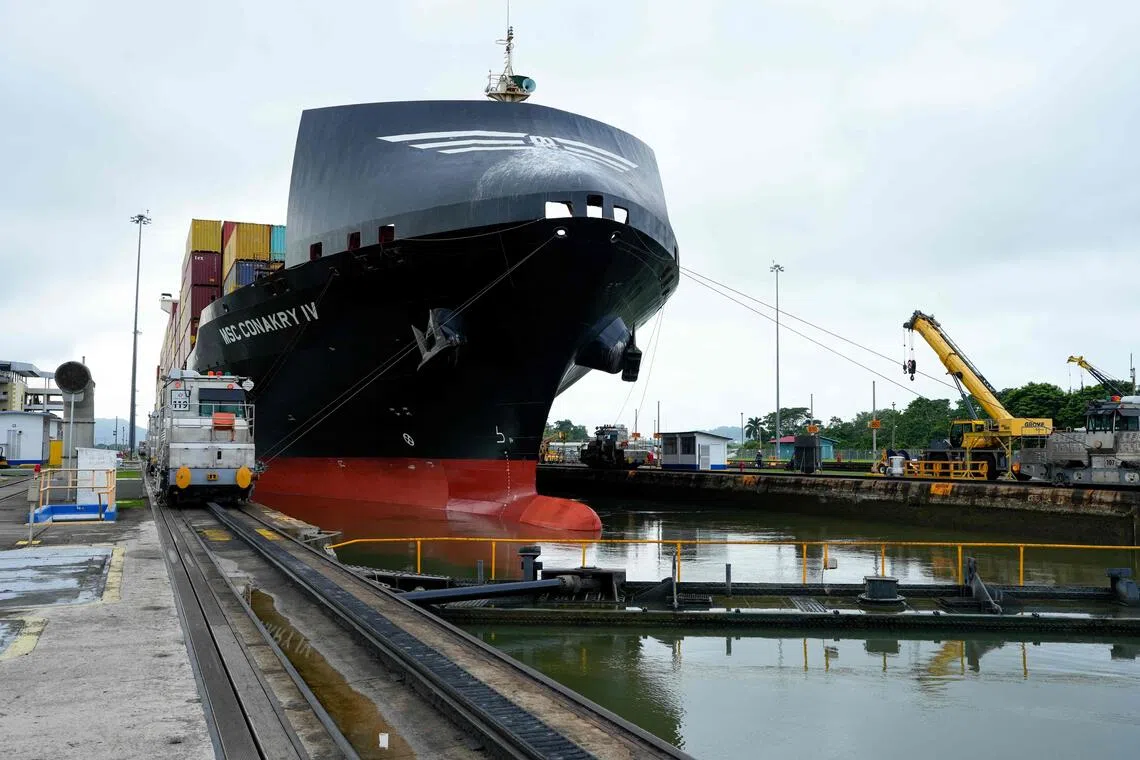
Panama's canal plans to further reduce maritime traffic from 32 vessels per day in September to an average of 29.5 daily transits starting October, due to worsening drought caused by the El Niño climate phenomenon. The canal handles about 5% of global maritime trade and around 40% of US container traffic, making it a crucial shipping route that typically reduces costs and transit times for companies trading between China, Asia, and the US. In September, officials had already cut daily transits from 36 to 32, and now the reduction will be 18% lower than August's figure of 36 vessels per day. The drought has led to longer waiting times; in August, some ships waited up to 10 days for passage, with one reportedly paying about $4 million (£3 million) to jump the queue. Panama declared a nationwide emergency over El Niño, which is affecting worldwide weather patterns and causing severe droughts in Central America, posing significant challenges to the canal's operations.
The US-Israeli war on Iran has pushed up traffic through the channel given the standstill in the Strait of Hormuz, a conduit for a fifth of the world’s oil and gas.