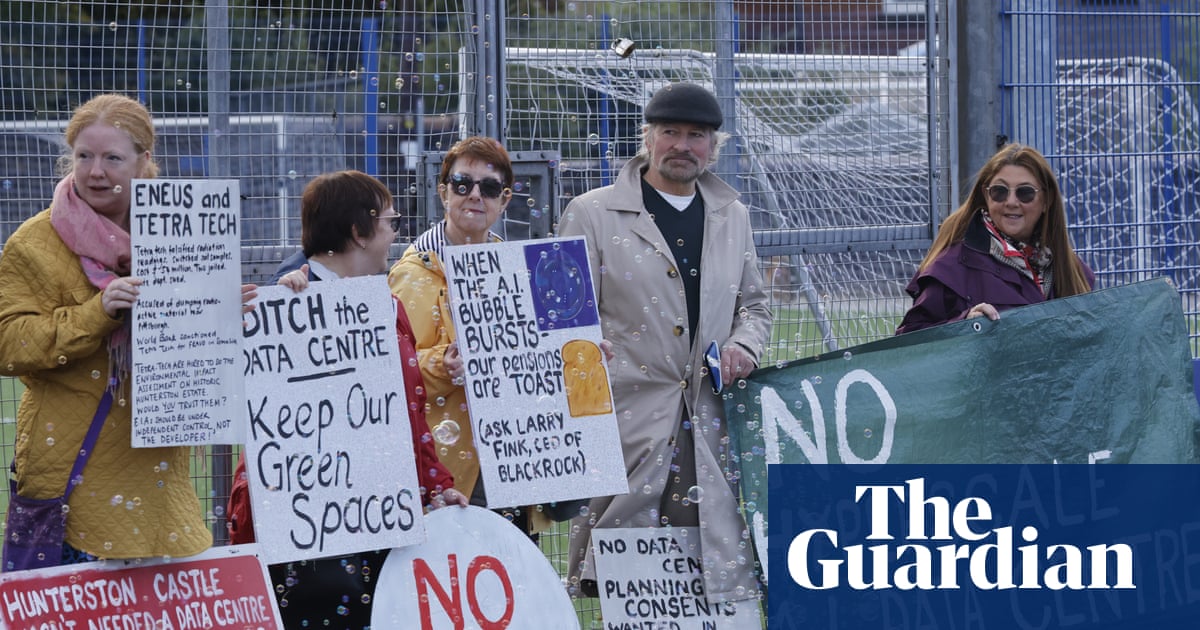
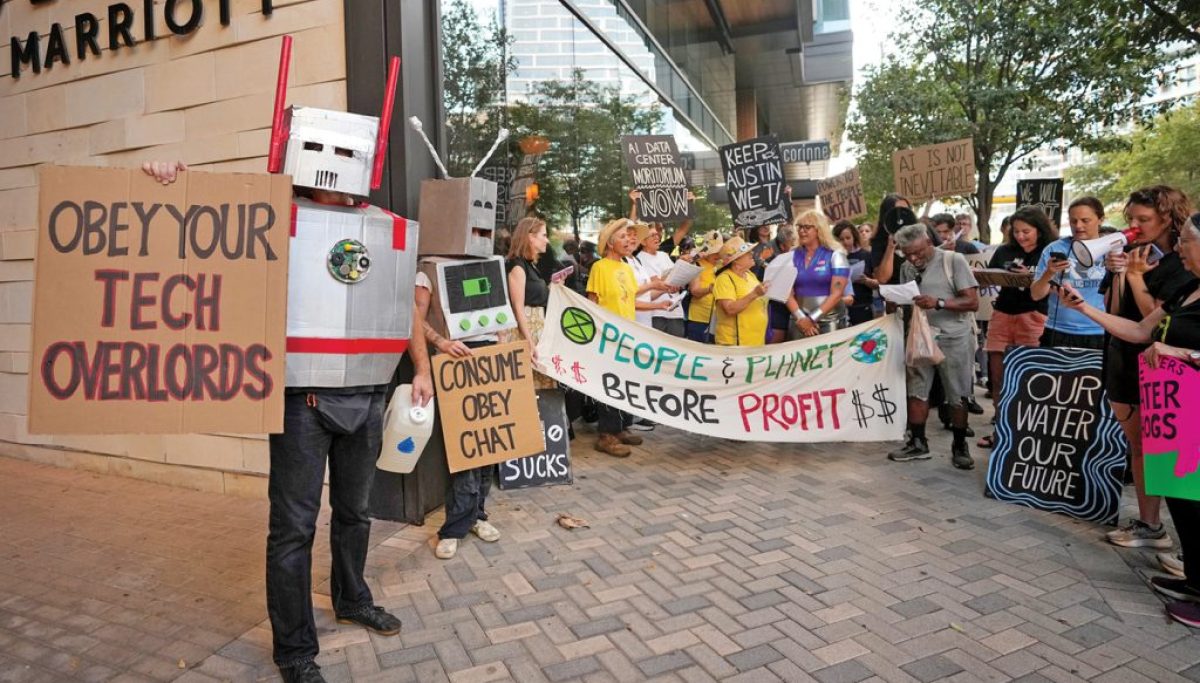
Although California lawmakers recently passed a suite of laws intended to bring transparency to the development of new data centers, local communities across the state are signaling that disclosure isn’t enough.
asserted
disclosure → pass → state
California currently ranks third among U.S. states in overall data center density, according to independent trackers like the US Data Center Map, with the state home to 366 of such facilities that are either fully operational, under construction, or moving through the planning process.
uncertain
that → rank → process
Local elected officials are proposing data center moratoriums to slow that momentum — if not stop it in its tracks.
asserted
officials → elect → tracks
In the first half of October alone, Oakland’s city council unanimously approved a 45-day moratorium on new approvals, making it the first city in Alameda County and the fourth in the Bay Area to adopt such a measure.
asserted
it → approve → measure
San Francisco approved a similar moratorium this month, while the Los Angeles County Board of Supervisors postponed a vote to permanently ban large-scale data centers, often called hyperscale facilities, on unincorporated land after receiving an overwhelming volume of public feedback.
asserted
Board → approve → feedback
In Santa Clara, city officials considered a moratorium vote, and are moving forward with new rules to govern data center development, including more stringent water and air pollution regulations.
asserted
officials → consider → regulations
Alhambra residents will vote on a moratorium measure in the November election.
asserted
residents → vote → election
Across California, at least 26 resolutions, moratoriums, or bans on data center development have been passed or proposed since June, according to the D.C.-based non-governmental organization Food & Water Watch, which tracks similar proposals nationwide.
uncertain
which → pass → proposals
The escalating pushback underscores a widening gap between state-level regulation and municipal action.
asserted
pushback → escalate → regulation
While Gov. Gavin Newsom last month signed into law seven new measures that focus primarily on disclosure requirements, environmental impact studies, and grid protection, grassroots groups and city councils are moving fast to halt construction entirely.
asserted
groups → sign → construction
“I have a hard time remembering something that caught fire the way the opposition to data centers has,” said Nicole Ghio, California Director at Food & Water Watch.
asserted
Ghio → have → Watch
“Local municipalities have been able to respond quicker to the grassroots wave of opposition of people saying, ‘Hold on, let’s press pause.
asserted
’s → respond → pause
Let’s actually figure out what we’re doing before we commit to this huge change.’
asserted
we → let → change
Opponents say these energy-hungry facilities strain power grids, potentially deplete water supplies and pollute the air, and contribute to broader economic anxieties around AI-driven job elimination.
asserted
facilities → say → elimination
The anti-data-center movement cuts across party lines; conservative group Humans First, for example, finished its nationwide Data Center Revolt tour this month with three stops in California, joining a chorus of figures on the left who call for local control as well as additional environmental and consumer protections.
asserted
who → cut → control
“This is very much a unifying issue,” Ghio noted, adding that residents are alarmed by potential rate hikes and environmental degradation.
asserted
residents → note → hikes
“This is not a future that I think a lot of people want.
asserted
lot → think → people
I mean, it’s a great future if you’re a tech billionaire.
asserted
you → mean → ?
It’s not a great future if you’re a regular American.”
asserted
you → ’ → ?
Industry proponents, however, argue that halting infrastructure development risks eroding critical national interests.
asserted
halting → argue → interests
Doug Kelly, CEO of the policy advocacy coalition American Edge Project, framed the current buildout as an essential infrastructure race.
asserted
Kelly → frame → race
“Artificial intelligence and the data centers that power it, this is the next foundational block of infrastructure that America is building out,” Kelly said, comparing it to historical investments in railroads and highways.
asserted
Kelly → power → railroads
Kelly acknowledged that past developments lacked sufficient community input, leading to local friction.
asserted
developments → acknowledge → friction
To address these fears without stopping construction, his organization promotes an “AI Community Compact” — an agreement offering local guarantees to protect ratepayers from cost spikes, safeguard resources, and promise early transparency.
asserted
organization → address → transparency
“So, communities can decide whether they want data centers there or not, but they shouldn’t just blanket ban them because then you lose all your negotiating power,” Kelly said.
asserted
Kelly → decide → power
“You’re literally saying ‘we want this billion dollar investment to go somewhere else, anywhere but here.’
asserted
investment → say → ?
Yet for local advocates, piecemeal guarantees and disclosure laws fall short of addressing the underlying risk.
asserted
guarantees → fall → risk
Advocates point to a one-year pause on hyperscale data centers that New York’s governor ordered in July as a roadmap, hoping state legislators will eventually follow local leaders’ lead.
asserted
legislators → point → lead
As cities continue to draft temporary freezes and outright bans, the tension between local community control and global technological dominance remains unresolved.
asserted
tension → continue → control
State transparency laws may have opened the books on data center growth, but local opponents are making it clear that seeing the plans isn’t the same as approving them.
uncertain
seeing → open → them
 The Aporia