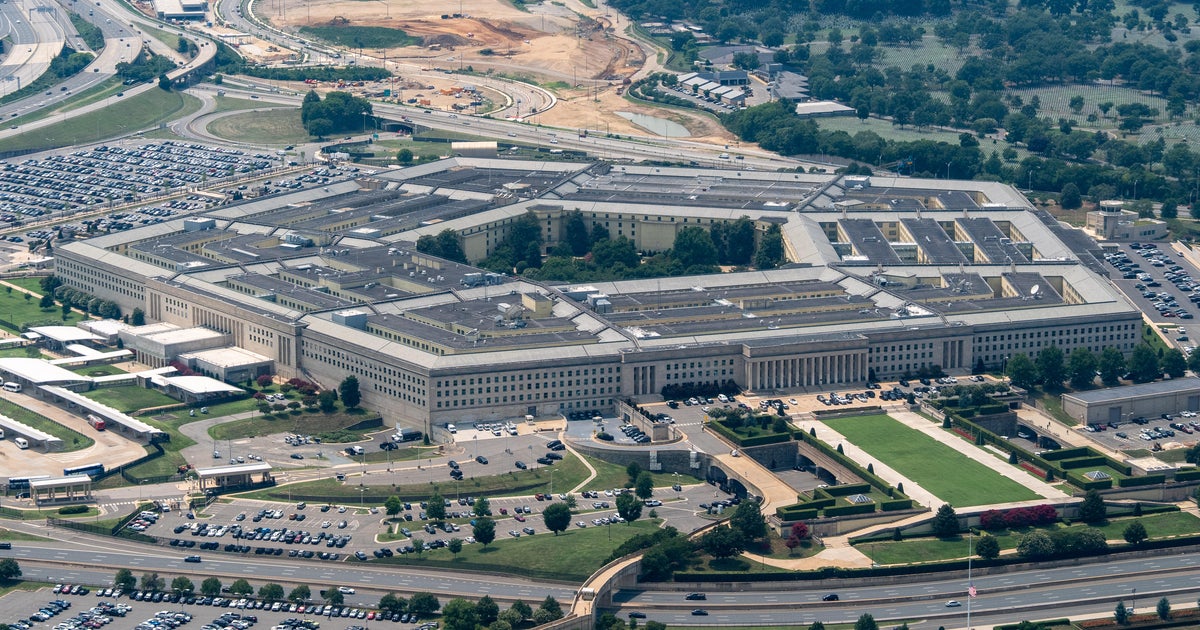
The Pentagon has temporarily rescinded new guidelines requiring male service members aged 30 and older to undergo screenings for testosterone deficiency. The interim guidance remains active, with final clinical guidelines expected soon. These screenings are part of a broader initiative aimed at addressing hormone deficiencies and optimizing the health and performance of military personnel.
Written by the local model on 2026-09-15,
using this article's own text rather than the other coverage of the
same event.
Why this leaning score
This article does not take a side on a contested political
question, so it has no leaning score. That is an
answer rather than a gap: a match report or a rescue can be warmly
or critically written without being left or right, and scoring it
anyway is how approval of a subject gets recorded as a political
position.
No political leaning scored for article 10234 · logged 2026-09-15
The Defense Department has temporarily rescinded guidelines it introduced a day ago for a new requirement that male service members ages 30 and older get screened for testosterone deficiency.
asserted
members → rescind → deficiency
The guidelines are being updated, and the final clinical guidance will be issued shortly, the Pentagon said.
asserted
Pentagon → update → ?
"The Department remains committed to addressing hormone deficiencies, protecting the long-term health of its Service members, and enabling peak operational performance," the Defense Department said.
asserted
Department → remain → performance
"The 'Interim Guidance on Testosterone Deficiency Screenings for Active Duty and Reserve Component Personnel' remains in effect.
asserted
Guidance → remain → effect
The final clinical guidance will be issued shortly."
Hegseth had called for the change earlier this summer.
asserted
Hegseth → issue → change
The Defense Health Agency released a set of clinical guidelines for the tests, which will take place during service members' regular health assessments.
asserted
which → release → assessments
The guidelines had called for screenings and blood tests for active-duty troops and reservists ages 30 and over.
asserted
guidelines → call → troops
Service members who are diagnosed with hypogonadism, or low testosterone, will get follow-up screenings and treatment, including testosterone replacement therapy, if needed.
asserted
who → diagnose → therapy
Hegseth said in July that if treatment is recommended for service members, "it's entirely your choice to receive testosterone replacement therapy."
Male service members under the age of 30 will be offered optional annual screenings.
The guidelines also called for female service members to be asked if they have any symptoms of hormonal dysregulation and referred for further assessment if needed.
asserted
they → say → assessment
In a statement, the Defense Department said its goal is to "invest in the health of its warfighters, strengthen their performance, and maximize force readiness."
asserted
goal → say → readiness
The testing push comes two and a half months after Hegseth social media video titled "The High-T Department of War" that the military would introduce mandatory testosterone screening.
asserted
military → come → screening
It's about restoring and optimizing your natural capabilities, protecting your longevity and ensuring you have the biological foundation required to sustain the fight," the defense secretary said.
asserted
secretary → restore → fight
The health guidance issued Wednesday calls testosterone levels a "critical biological marker for Warfighter readiness, directly impacting physical strength, bone density, aerobic fitness, depressive symptoms, and cardiovascular health."
It also warns that service members may be particularly at risk of decreased testosterone.
uncertain
members → issue → testosterone
Medical experts have pointed to that risk in the past.
asserted
experts → point → past
Army Maj. Theodore Crisostomo-Wynne, a Madigan Army Center urologist, said during a Food and Drug Administration panel last year that "the high operations tempo and high stress that these service members go through can actually decrease testosterone, sometimes acutely and sometimes even in the long term."
asserted
members → say → term
Some studies indicate that service members in high-stress roles — including members of the Special Operations Forces — face an especially high risk of hormone issues and other medical conditions, a condition researchers have called "Operator Syndrome."
asserted
researchers → indicate → issues
Crisostomo-Wynne said last year the phenomenon may be linked to the "chronic stress, blast exposure, traumatic brain injuries and sleep disruptions" that some service members face.
uncertain
members → say → that
 The Aporia