Trump’s diesel price relief efforts grow costlier as election nears
AI generated
asserted
election → grow → ?
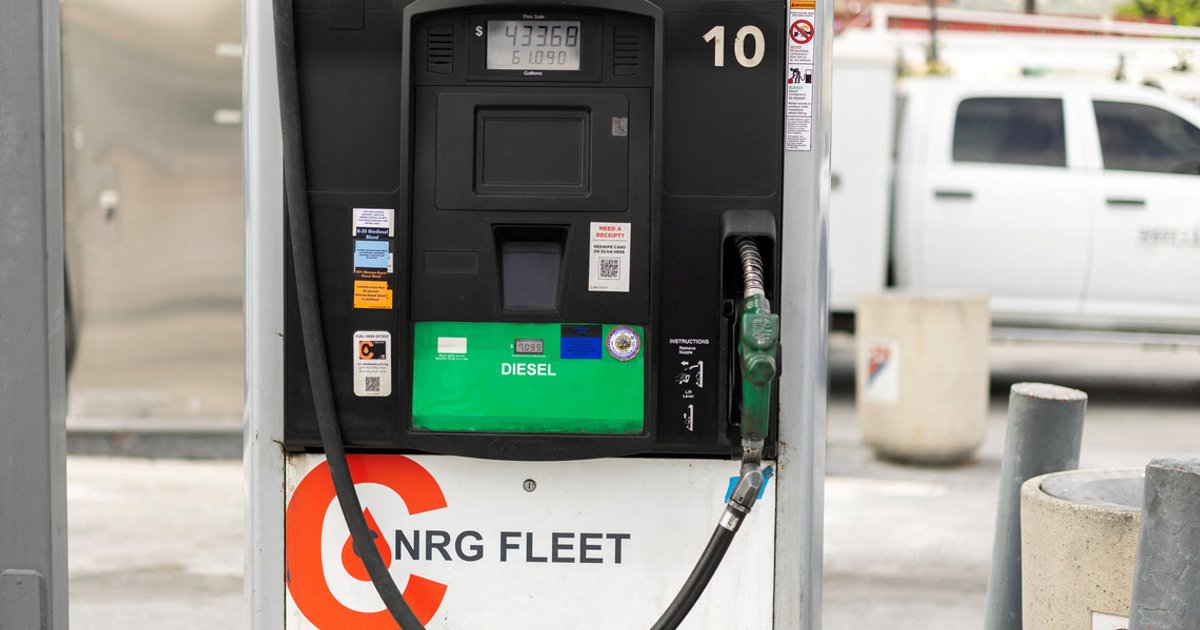
With the November midterm elections fast approaching, US President Donald Trump is throwing an array of costly and politically fraught solutions at one stubborn problem: the price of diesel.
asserted
Trump → approach → diesel
His administration has offered billions of dollars to farmers, relaxed rules for truckers, eased sanctions on Russian fuel and pressured European allies to release emergency stocks.
asserted
administration → offer → stocks
Yet diesel prices rose again last week, leaving Trump spending political and financial capital without delivering the relief his party wants as voters go to the polls.
asserted
voters → rise → polls
Republicans are defending narrow majorities in Congress, and high costs are a major concern for voters.
asserted
costs → defend → voters
Nearly 80% of Americans blame Trump for higher costs, according to an October Reuters/Ipsos poll.
uncertain
% → blame → poll
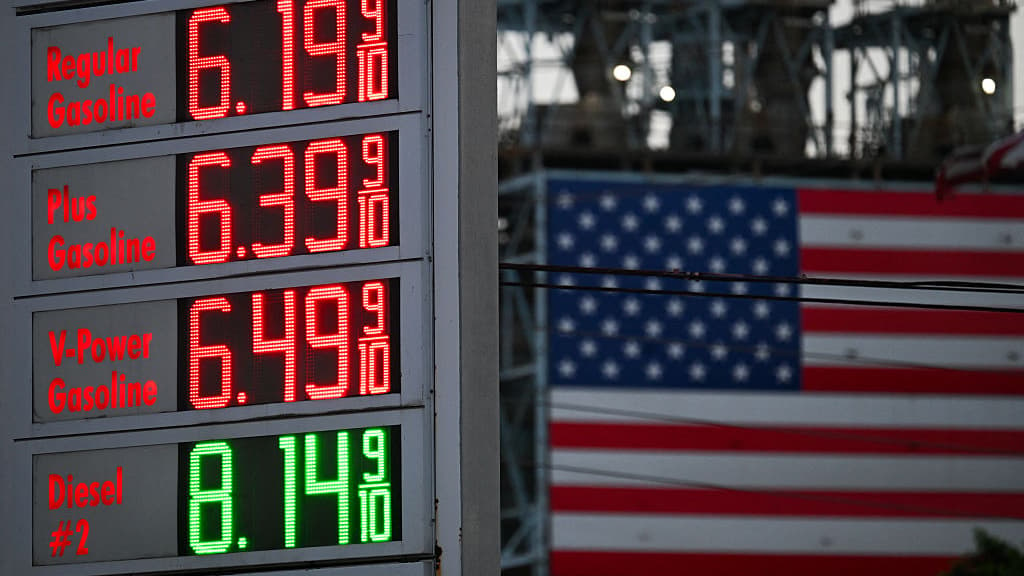
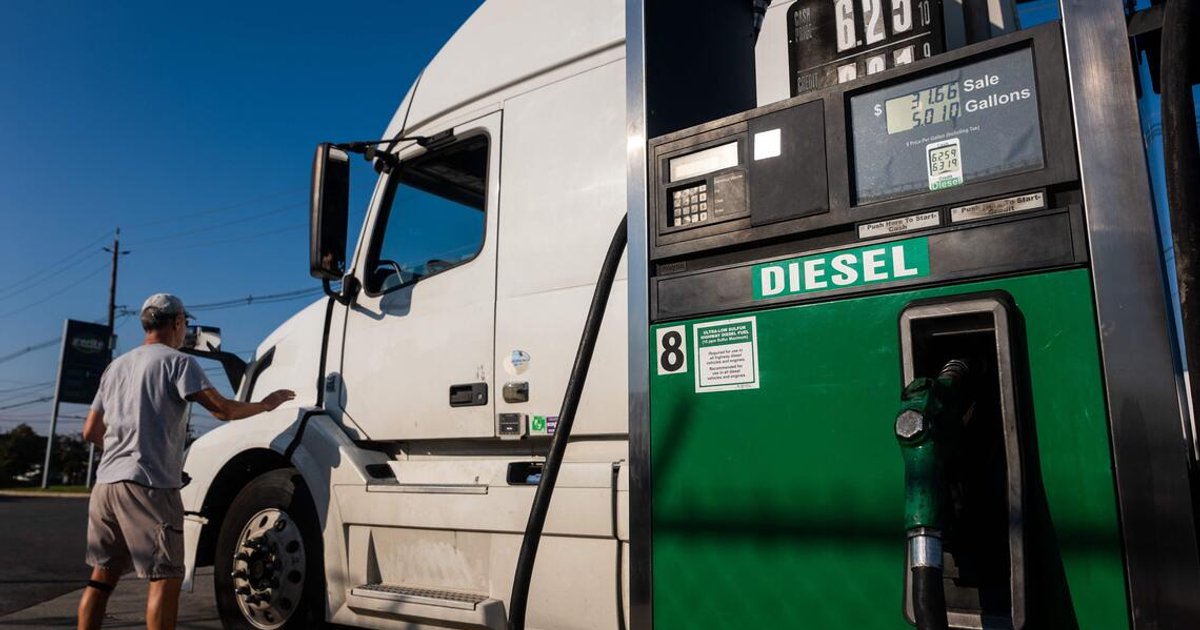
US diesel prices rose nearly 10 cents a gallon in the latest week to an average of US$6.28, reversing two weeks of declines and remaining near record highs, according to the Energy Information Administration.
uncertain
prices → rise → Administration
The political pressure is particularly acute in traditionally Republican Farm Belt states like Iowa and Kansas, where rising fuel and fertiliser costs, trade disruptions and weak farm economics have fueled discontent among some of Trump’s core supporters.
asserted
pressure → rise → supporters
Trump has promoted his diesel measures at campaign rallies across the region.
asserted
Trump → promote → region
He signed an executive order onstage in Nebraska allowing red-dyed diesel to be used in highway vehicles and announced US$8 billion (S$10.2 billion) in new farm aid during a rally in Kansas on Oct 19.
asserted
diesel → sign → Oct
The measures illustrate the trade-offs Trump is accepting in pursuit of near-term relief.
asserted
Trump → illustrate → relief
The new aid adds fresh strain on federal spending, while the Russian fuel move risks helping Moscow finance its war in Ukraine.
asserted
Moscow → add → Ukraine
Pressure on European allies to release emergency stocks, backed by a threat to restrict US diesel exports, has created diplomatic friction.
asserted
Pressure → release → friction
“The President tends to discount long-term losses over short-term gain, and I am skeptical if there is any short gain to be had here,” said Chris Borick, a pollster and political scientist at Muhlenberg College in Pennsylvania.
asserted
Borick → tend → Pennsylvania
The White House attributed high diesel prices to “pre-existing issues”, including years of refinery closures and damage from Russia’s war in Ukraine, while defending Trump’s efforts to ease costs.
asserted
House → attribute → costs
“The President wants diesel prices to fall, which is why he has taken historic actions to save American farmers, truckers, and workers every hard-earned penny,” White House spokeswoman Taylor Rogers said.
asserted
Rogers → want → penny
Scepticism and unanswered questions
One of Trump’s most direct attempts to lower diesel costs has struggled to gain traction.
asserted
One → lower → traction
Trump signed an executive order in October allowing truckers to use red-dyed diesel, typically intended for off-road use such as farm equipment, for highway driving while temporarily avoiding certain federal tax reporting and record-keeping requirements.
But the Internal Revenue Service has not eliminated the federal diesel tax, instead temporarily waiving related reporting requirements and penalties through year-end, leaving uncertainty for truck stops and fuel sellers.
asserted
Service → sign → stops
David Fialkov, top lobbyist at NATSO, a trade group representing the largest US truck stop operators, said members appreciate Trump’s effort to tackle diesel costs but that the guidance remains “murky” and carries too much risk.
“I really don’t see any of these dyed diesel announcements making a meaningful dent in diesel prices,” Fialkov said.
asserted
Fialkov → represent → prices
Trump is also turning to federal payments to cushion some of the constituencies feeling the pain.
asserted
Trump → turn → pain
Government payments to farmers were already expected to top US$47 billion in 2026, buoyed by commodity payments and US$12 billion in tariff relief distributed by the US Department of Agriculture (USDA) earlier that year.
asserted
payments → expect → Agriculture
The US$8 billion farm relief programme would push the total to a record US$55.4 billion, exceeding the previous high of US$45 billion in 2020, when farmers received pandemic assistance.
asserted
farmers → push → assistance
The payments can help farmers manage higher costs and lost sales but do not directly address the market disruptions driving up fuel and fertiliser prices.
asserted
farmers → help → prices
They also raise questions about taxpayer spending to compensate producers for damage that farm groups say is linked partly to the administration’s own trade and foreign policies.
asserted
groups → raise → policies
“This is the second round of emergency aid this year to address losses that were largely foreseeable,” National Farmers Union President Rob Larew said.
asserted
Larew → address → losses
“Trade disruptions and rising fuel costs tied to conflict abroad have put family farmers in a difficult position, and one-time payments can’t provide the stability they need to plan for the future.
asserted
they → rise → future
It is unclear how quickly the latest aid will reach farmers.
uncertain
aid → reach → farmers
USDA could not immediately say how the money would be allocated, when payments would reach farmers or whether congressional approval would be required.
uncertain
approval → say → farmers
Friction over Russian fuel
Some of Trump’s efforts to increase diesel supplies carry geopolitical trade-offs.
asserted
Some → increase → offs
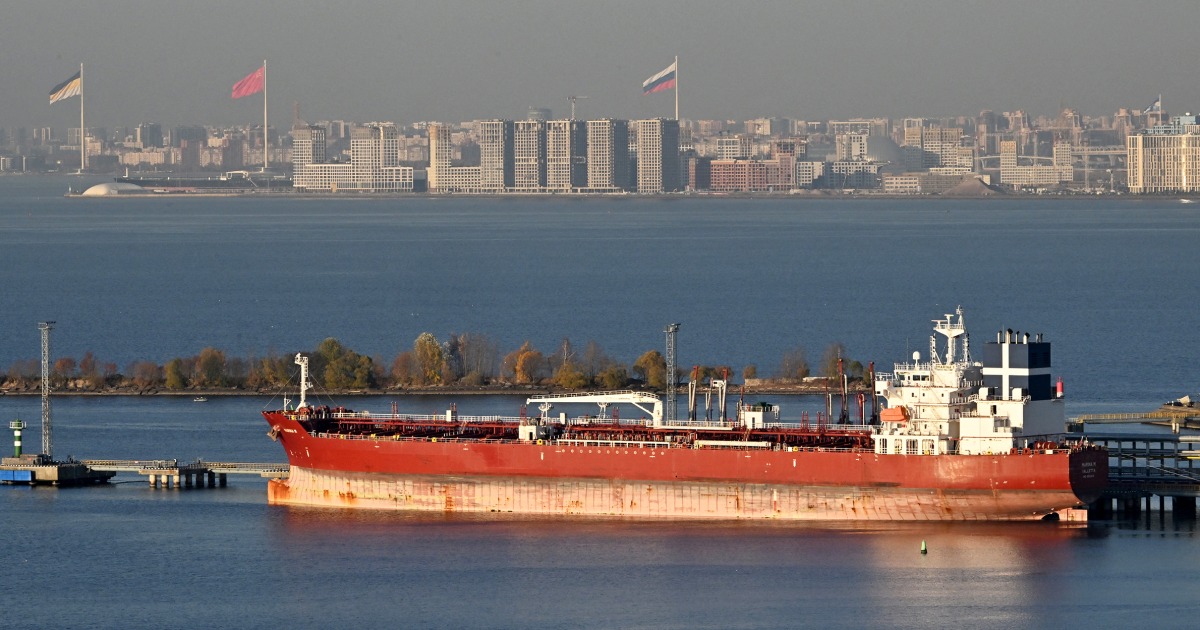
His decision to ease sanctions on Russian diesel that were designed to restrict Moscow’s energy revenues and limit its ability to finance its war in Ukraine has drawn bipartisan criticism – and raised questions about whether the move will meaningfully lower US fuel prices.
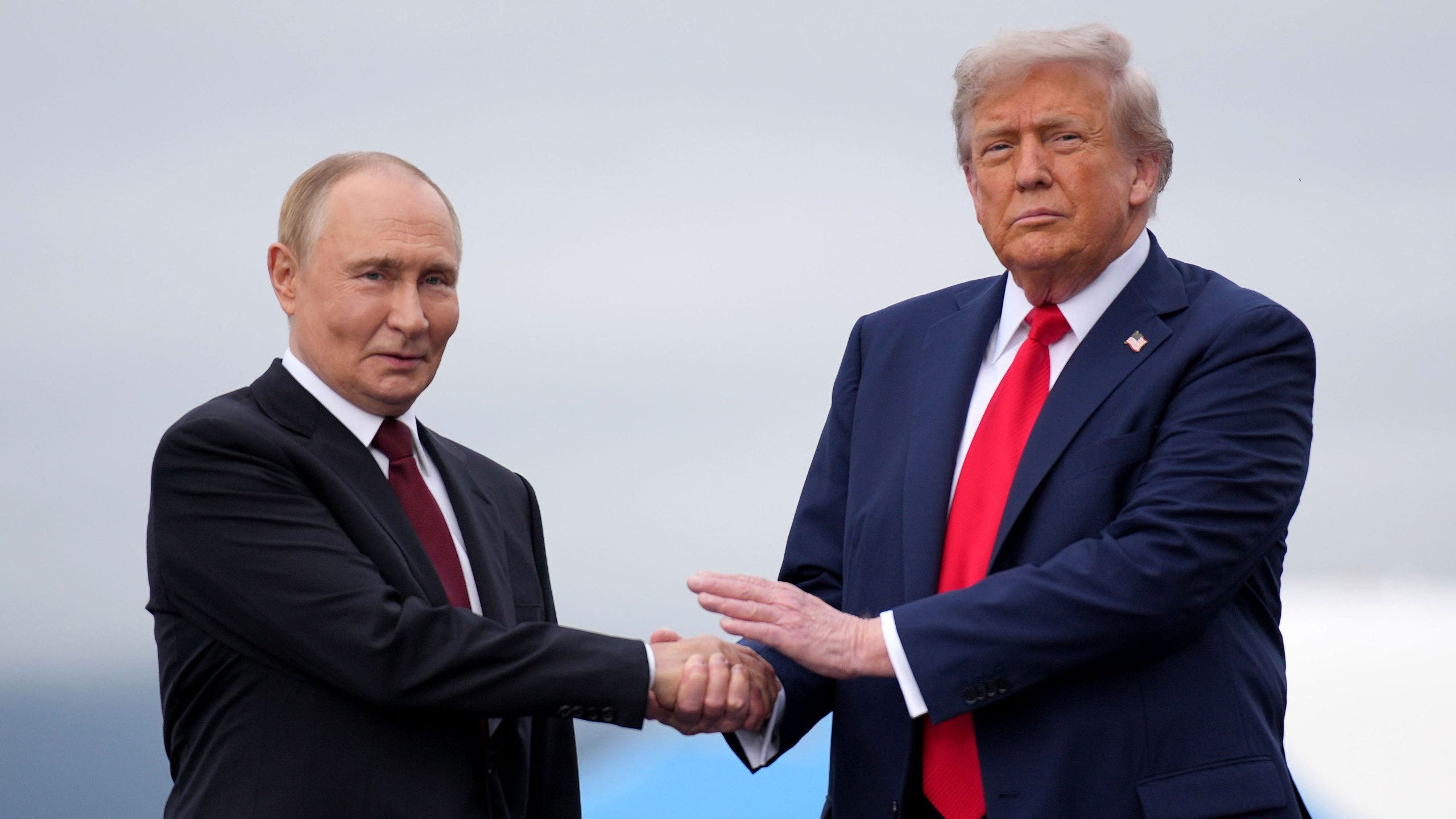
Trump has defended the sanctions relief as necessary to draw Russian President Vladimir Putin into negotiations to end the war in Ukraine and to release American prisoner Stephen Hubbard.
asserted
Trump → ease → Hubbard
As the administration’s intervention efforts have failed to lower fuel costs, Trump has sought to shift blame towards Ukraine and President Volodymyr Zelensky rather than the Iran war ahead of the Nov 3 elections.
asserted
Trump → fail → elections
Analysts say the Iran conflict has been the much bigger driver of the diesel price spike, disrupting global oil flows and refined-fuel supplies, while Ukrainian attacks on Russian refineries have helped tighten supplies but played a more limited role on the price.
asserted
attacks → say → price
“I sort of see it as a blame-shifting kind of scapegoating operation, more than a genuine attempt to moderate prices in the lead-up to the election,” said Edward Fishman, director of the Maurice R. Greenberg Center at the Council on Foreign Relations.
asserted
Fishman → see → Relations
 The Aporia