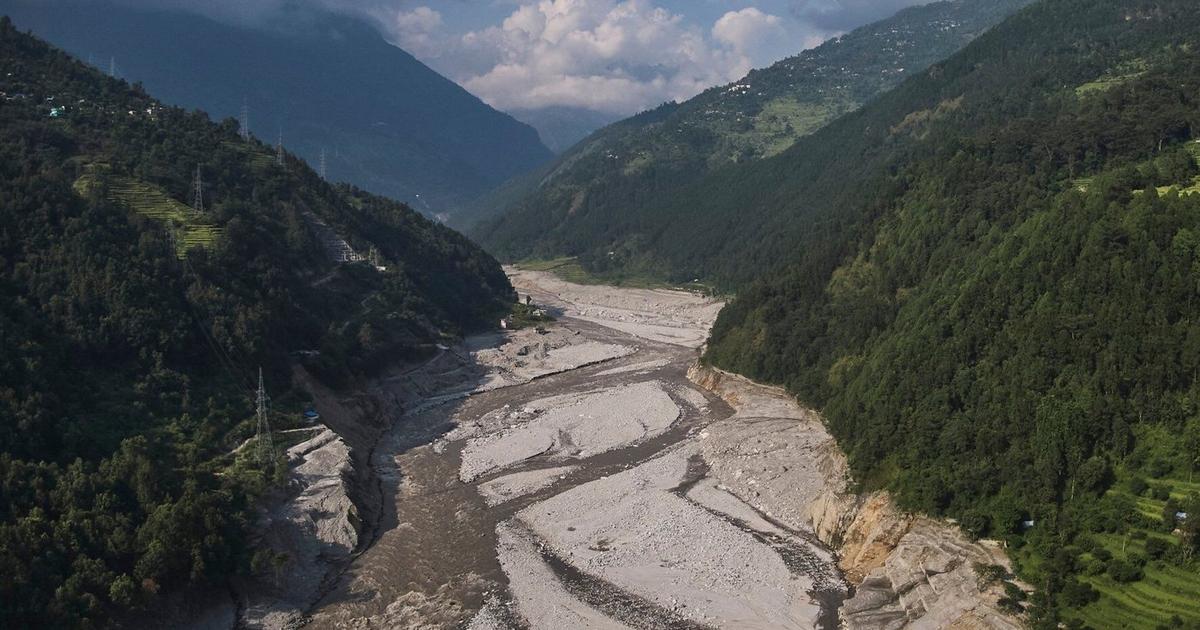
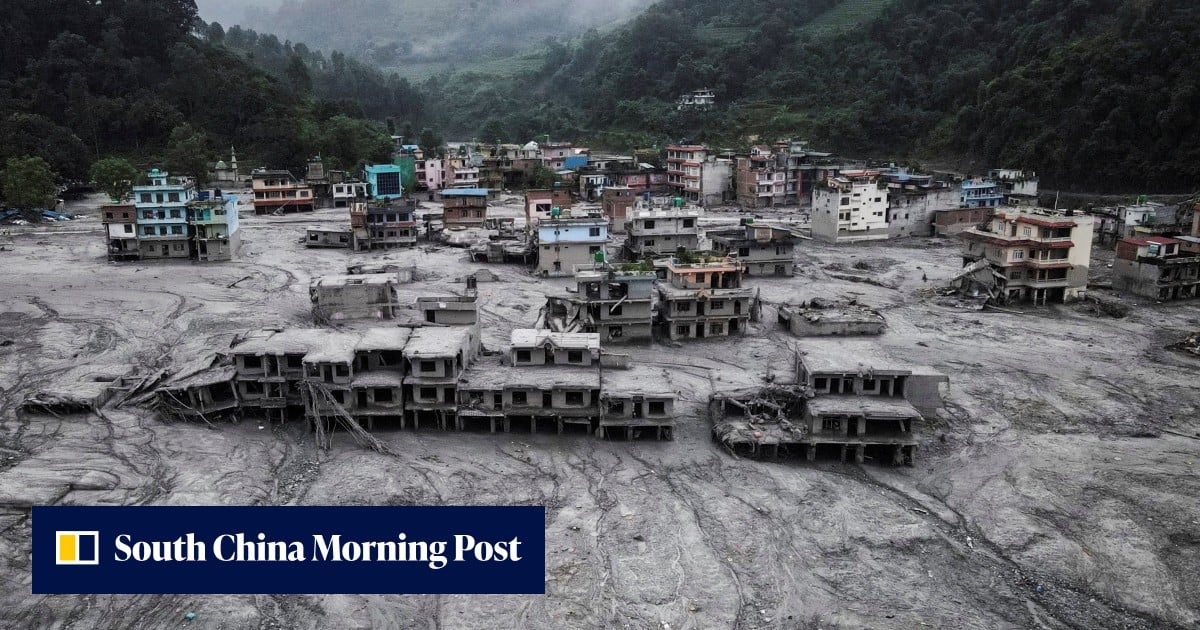
The United Nations’ climate convention’s Loss and Damage Fund has approved a $21.6 million pay out (approx. ₹205 crore) to the Nepal government to help with rebuilding, following the devastating floods in August.
asserted
Fund → approve → August
Formally, the Fund for Responding to Loss and Damage (FRLD), was set up to help developing countries that are particularly vulnerable to climate change respond to economic and non-economic losses, including from extreme weather and slow-onset events.
asserted
that → respond → weather
It operates under the financial mechanism of the UN Framework Convention on Climate Change (UNFCCC).
asserted
It → operate → Change
Governments agreed to create it at COP27 in 2022, and its Governing Instrument was adopted at COP28 in 2023.
asserted
Instrument → agree → 2023
As of March 15, 2026, 27 countries had pledged $822.06 million (approx. ₹7,809.6 crore), with $629.70 million (₹5,982 crore) in grant contributions.
asserted
countries → pledge → contributions
Its start-up allocation is $342 million with at least half of it reserved for small island developing States and least developed countries.
asserted
half → start → States
Its first call for funding requests drew 176 requests from 119 countries worth about $2.8 billion (₹26,600 crore).
asserted
call → draw → countries
In July the Board deferred decisions on those requests to December.
asserted
Board → defer → December
It is the first time the Fund has earmarked money for a specific country.
asserted
Fund → earmark → country
The Board took the decision at its first “extraordinary meeting,” held virtually on October 22, 2026.
asserted
Board → take → October
It also agreed to pilot, during the start-up phase, an approach allowing Nepal to submit a request outside the closed submission window.
asserted
Nepal → agree → window
Any further such submissions will need separate Board decisions, and the Secretariat will assess lessons for the Fund’s long-term model.
asserted
Secretariat → need → model
On August 26, 2026, an ice-and-rock avalanche, that experts say is linked to climate changed from human-accelerated global warming, set off flooding along the Bhotekoshi–Trishuli–Narayani river system.
asserted
experts → say → system
Nepal estimates economic losses of at least $2.69 billion and recovery needs of at least $4.71 billion.
asserted
Nepal → estimate → billion
The decision comes weeks before COP31 opens in Turkiye.
asserted
COP31 → come → Turkiye
How does the money pay out?
asserted
money → pay → ?
The $21.6 million approved by the Board includes $1.6 million in oversight fees, which are paid to the organisations that implement projects to cover the cost of supervising how money is used.
asserted
money → approve → cost
Nepal has been invited to submit a funding request, which the Board will consider at its tenth meeting in Manila in December.
asserted
Board → invite → December
Money would be released only after that approval.
asserted
Money → release → approval
The Fund has not publicly said how much cash it holds beyond signed contributions, and disbursement depends on donors honouring pledges.
asserted
donors → say → pledges
Why has the Fund faced questions about its credibility?
asserted
Fund → face → credibility
Since its creation at COP27, the Fund has had to show that pledges translate into money for affected countries.
asserted
pledges → have → countries
The United States, the largest historical emitter, had pledged $17.5 million under President Joe Biden.
asserted
States → pledge → Biden
In January 2025, the Trump administration withdrew the US representatives from the Fund’s board which was part of the US’ larger exit out of the Paris Agreement.
asserted
which → withdraw → Agreement
At the time, pledges stood at about $741 million.
asserted
pledges → stand → million
Jawad Khalid, a climate finance specialist writing for the Lowy Institute, an independent Australian think tank, argued that the Fund “still operates like a conventional development fund” rather than an emergency mechanism.
asserted
Fund → write → fund
“Its single funding cycle runs eleven steps, from origination through technical review to board approval.
asserted
cycle → run → approval
The Fund is hosted by the World Bank, which serves as its interim trustee,” he wrote in a piece.
asserted
he → host → piece
What concerns have experts raised following the approval?
Ajay Mathur, a former Director General of the International Solar Alliance, called the step “landmark” in a media statement.
asserted
Mathur → raise → statement
He cautioned that the sum is less than 0.5 per cent of Nepal’s estimated $5 billion reconstruction cost.
asserted
sum → caution → cost
He noted that cash would flow only after further project proposals are cleared, risking delays to relief.
asserted
proposals → note → relief
Harjeet Singh, global convenor of the Fill the Fund campaign, said in a media statement that while the Fund “took a historic first step” it it “cannot be a one-off.”
asserted
it → fill → step
He said no country should have to wait seven weeks, through “historic letters and relentless pressure,” to unlock an emergency meeting, and called for a permanent rapid-response system that moves support “in days, not months.”
asserted
that → say → days
He said developed countries insisted the decision must not set a precedent or prejudge the long-term model, adding: “Nepal needs billions to rebuild, and this Fund is responding only in millions.”
asserted
Fund → say → millions
Others read the decision more positively.
asserted
Others → read → decision
Raju Pandit Chhetri, the Least Developed Countries’ lead climate finance negotiator, said it showed countries could reach “swift, effective consensus” and set “a strong precedent.”
uncertain
countries → say → precedent
 The Aporia