King Charles III should apologise for slavery and 'the time has come' for a discussion about reparations, the Commonwealth secretary-general has claimed.
Shirley Ayorkor Botchwey said Commonwealth countries want the monarch to issue an apology for the transatlantic slave trade and him doing so 'wouldn't hurt'.
She said: 'If you're asking my personal view [on reparations], I believe the time has come for that conversation.
asserted
time → apologise → conversation
It has come.
asserted
It → come → ?
And I don't believe we can run away from it.
asserted
we → believe → it
'But it is important to determine the form that reparations should take, and that is something that will emerge eventually as countries sit around the table to discuss.
asserted
countries → determine → table
As difficult a subject as it is, I believe that countries will come to some conclusions.
asserted
countries → believe → conclusions
So whether it takes the form of financial reparations or reparations in kind, that is for the countries to decide on.
asserted
countries → take → kind
I believe that the time has come for that conversation.'
asserted
time → believe → conversation
Ghana's former foreign minister told Sky News reparations could be 'concessional financing', such as how debt was treated, 'climate issues' and the 'return of artefacts'.
uncertain
debt → tell → artefacts
Asked whether the King should apologise for slavery, Ms Botchwey also said: 'That's what the countries have asked for...
asserted
countries → ask → what
they've asked for an apology from the King.
asserted
they → ask → King
It wouldn't hurt to have that.
asserted
It → hurt → that
It wouldn't hurt to have that.
asserted
It → hurt → that
But shadow home secretary Chris Philp told the Daily Mail: 'This is nonsense.
asserted
This → tell → Mail
People today aren't responsible for what happened hundreds of years ago.
asserted
what → happen → years
Many societies appallingly practised slavery - including lots of African ones.
asserted
societies → practise → ones
The UK was the first to enforce abolition.
asserted
UK → enforce → abolition
Calls for reparations are absurd and shouldn't even be entertained.'
It comes after Buckingham Palace said the King's Caribbean tour next week will not shy away from 'the darkest days of our past' as debates about slavery and reparations continue among Commonwealth nations.
asserted
debates → entertain → nations
King Charles III and Queen Camilla meet Commonwealth secretary-general Shirley Ayorkor Botchwey during a reception at St James's Palace in London on October 14
Charles is facing renewed calls to apologise for the UK's role in the transatlantic trade in enslaved people, in the run-up to a major gathering of Commonwealth leaders he will attend with Queen Camilla in Antigua and Barbuda next month.
asserted
he → meet → Antigua
The issue of reparations – financial compensation or other forms of redress from slave trading nations – is likely to be another topic he is asked to address when he makes two solo trips – a state visit to Guyana and a tour of The Bahamas.
asserted
he → trade → Bahamas
The King follows guidance of his ministers and it is understood the Government has not advised him to offer an apology or reparations, in keeping with established policy.
asserted
Government → follow → policy
The United Nations General Assembly overwhelmingly backed a resolution declaring the transatlantic slave trade 'the gravest crime against humanity', with the UK and EU member states among 52 countries that abstained during the vote in March.
asserted
that → back → March
Foreign Secretary Ed Miliband, who is expected to attend the Commonwealth summit with Prime Minister Andy Burnham, recently reiterated the Government's position.
asserted
who → expect → position
He said during an interview with Politico: 'I don't think reparations are the answer, and I've had those discussions already with some of our Commonwealth colleagues.'
And a Buckingham Palace spokesperson said earlier this month: 'There are important discussions taking place in various fora about colonial legacy and the intergenerational impact of the transatlantic trade in enslaved persons.
'
asserted
spokesperson → say → persons
While these are primarily matters for Governments to address, His Majesty's previous statements on them have been unequivocal, describing them as an "atrocity" which "forever stains our history".
asserted
which → address → history
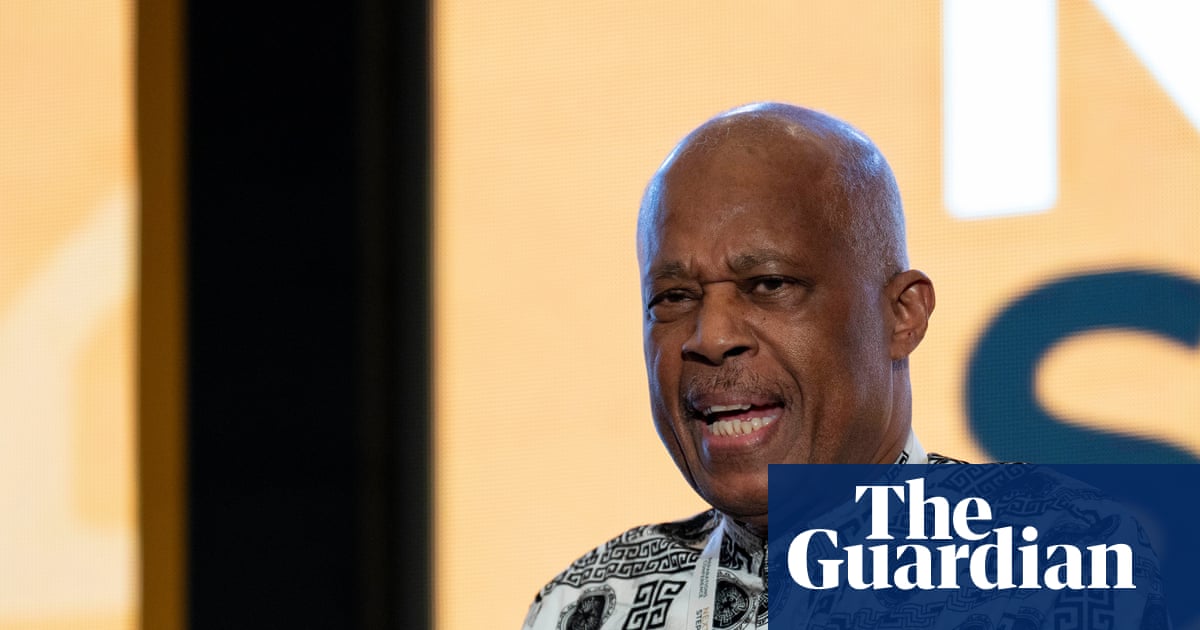
Commonwealth secretary-general Shirley Ayorkor Botchwey speaks to Sky News yesterday
asserted
Botchwey → speak → News
The visit programme will therefore not shy away from "the darkest days of our past", as His Majesty has described them, but – in keeping with the wishes of our host nations – it will principally be oriented to the vibrant present and promising future of each country, with visit programmes developed in close consultation with their governments to reflect their individual priorities.
asserted
it → shy → priorities
'That said, it is important to note here the work His Majesty himself has done over many years both to acknowledge the wrongs of the past and to find creative ways to "right inequalities that endure".
asserted
that → say → inequalities
'As you would therefore expect, opportunities will be found during the visit to reflect and renew his personal, wholehearted and continuing commitment to that process.'
asserted
opportunities → expect → process
Britain's royal family has a long association with the transportation and selling of enslaved people for profit.
asserted
family → have → profit
Elizabeth I backed the lucrative dealings of John Hawkins, one of Britain's first slave traders, and Charles II encouraged the expansion of the enterprise, granting a charter to a group of men, the Royal Adventurers, who later became the Royal African Company, and invested private funds in the firm, as did the Duke of York.
asserted
Duke → back → York
The company's charter said the initials 'DY' for Duke of York were branded on the left buttock or breast of many of the slaves the company shipped to what were called the 'sugar islands' in the Caribbean.
asserted
what → say → Caribbean
As the slavery abolitionists campaigned against the trade, they were opposed by the Duke of Clarence, George III's son, later to become William IV.
Charles, head of the Commonwealth, acknowledged the 'appalling atrocity of slavery', describing it as something 'which forever stains our history', when he attended the ceremony marking Barbados's historic transition to a republic in 2021.
asserted
he → campaign → 2021
Jamaican culture minister Olivia Grange holds a petition at Buckingham Palace last month asking the King to refer three questions about transatlantic chattel slavery to the Privy Council
A year later, he described how he was on a personal journey of discovery and was continuing to 'deepen my own understanding of slavery's enduring impact', in a speech at the opening of a Commonwealth summit hosted by Rwanda.
asserted
he → hold → Rwanda
Barbados's Prime Minister Mia Mottley, whose administration ditched Queen Elizabeth II, led a group of Caribbean leaders who launched a new slavery reparations manifesto during a reparations conference held in Ghana in June.
asserted
who → ditch → June
The UK Government's position on reparations is well established.
asserted
position → establish → reparations
It acknowledges the trade in enslaved people was abhorrent and its impact is still felt today, but it will not pay financial reparations for historical acts that did not break international laws at the time and is committed to continued dialogue with Commonwealth nations.
asserted
that → acknowledge → nations
Last month a delegation from Jamaica travelled to the UK to file a petition asking the King to refer three questions about transatlantic chattel slavery to the Judicial Committee of the Privy Council, the Caribbean island's highest court of appeal.
asserted
delegation → travel → appeal
Olivia Grange, Jamaica's minister of culture, gender, entertainment and sport, asked why her country should not seek slavery reparations when Britain was still paying off debt linked to slave-owner compensation just 11 years ago.
asserted
Britain → ask → compensation
Charles will begin his Caribbean tour by visiting The Bahamas from October 27 to 29, followed by the state visit to Guyana, October 29 to 30 and attend Chogm during his trip to Antigua and Barbuda with the Queen from November 1 to 4.
asserted
Charles → begin → 4
A palace spokesperson previously highlighted the King's comments about slavery during other Chogms, adding: 'And it's not just about what His Majesty has said, it's about what he's done – the personal support for Commonwealth education programmes since the last Chogm, and his support, over many decades, for young people through the King's Trust.
asserted
he → highlight → Trust
…and 5 more, not listed.
 The Aporia