An Australian poultry farmer is developing a system that could turn thousands of tonnes of chicken waste into electricity, fertiliser and natural food colouring, creating multiple products from a material that is commonly used as agricultural manure.
uncertain
that → develop → manure
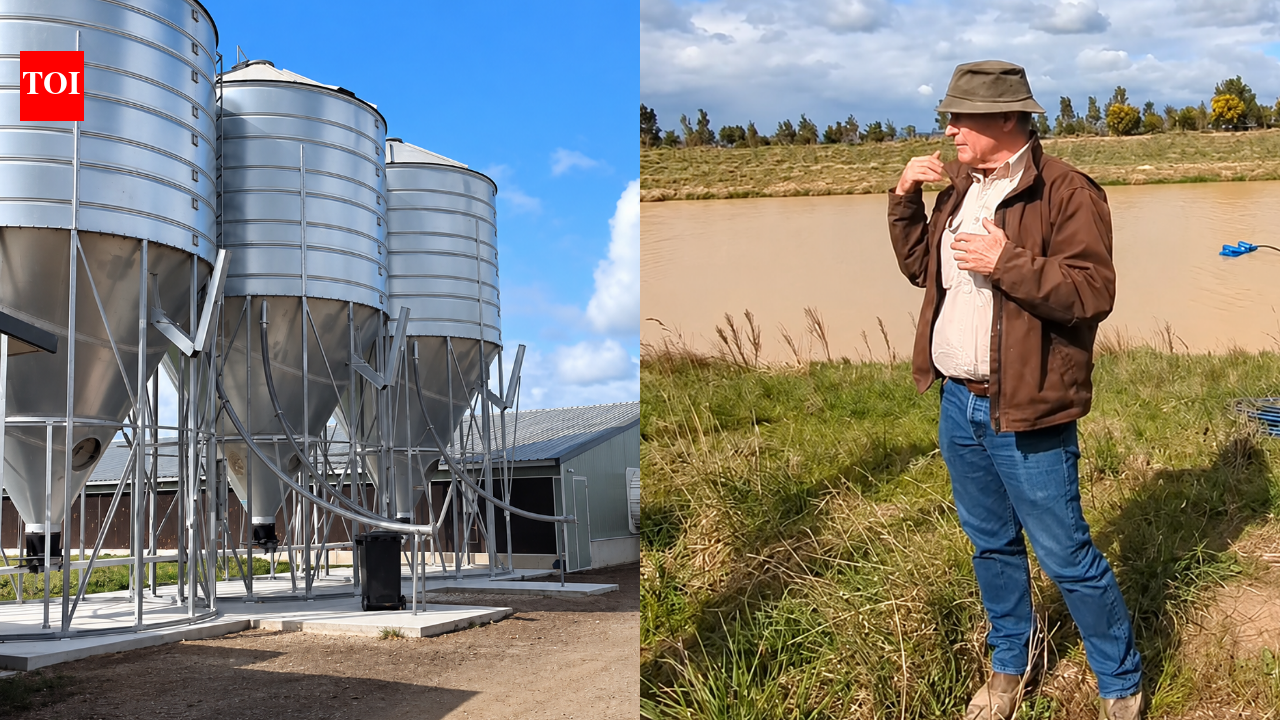
Chris Freney, who operates a poultry farm in Toongabbie, in Victoria's Gippsland region, has been exploring ways to extract energy and recover nutrients from poultry litter.
asserted
who → operate → litter
His proposed larger facility is designed to process 35,000 tonnes of litter annually and generate enough electricity to meet the estimated needs of around 1,200 homes.
asserted
facility → propose → homes
The project combines anaerobic digestion, a process that produces biogas from organic material, with nutrient recovery and the cultivation of spirulina, an algae used to produce natural blue pigments.
asserted
that → combine → pigments
How an Australian farmer plans to turn chicken waste into electricity
Freney's approach centres on anaerobic digestion, in which microorganisms break down organic material in an oxygen-free environment, producing biogas and a nutrient-rich residue called digestate.
asserted
microorganisms → plan → biogas
Poultry litter contains more than manure: it also includes bedding materials such as wood shavings or sawdust, along with feathers and spilled feed.
asserted
it → contain → feathers
During digestion, organic matter produces biogas containing methane, which can be captured and burned in an engine connected to an electricity generator.
asserted
which → produce → generator
The resulting power could supply the poultry operation, while surplus electricity could be exported to the grid.
uncertain
electricity → result → grid
The process also leaves behind liquid and solid materials containing nutrients that can be recovered for agricultural use.
asserted
that → leave → use
Instead of treating the litter solely as waste or applying it directly to land, the system aims to extract energy and recover useful components before putting the remaining material to work.
asserted
system → treat → material
A larger plant could process 35,000 tonnes annually
Freney's farm reportedly produces about 10,000 tonnes of poultry litter each year.
uncertain
farm → process → litter
To supply the proposed larger facility, he would need to source additional material from other poultry farms, taking the planned annual input to 35,000 tonnes.
asserted
he → supply → tonnes
Reports have put the proposed electricity-generation capacity at approximately 8 to 8.5 megawatts, with the output described as sufficient to power around 1,200 homes.
asserted
output → put → homes
The household figure is an estimate rather than a measurement of electricity already delivered to homes.
asserted
figure → deliver → homes
Freney has said that the facility could use a substantial share of its electricity on the farm and sell the remainder.
uncertain
facility → say → remainder
He has also discussed supplying power during evening peak-demand hours, when solar generation is unavailable.
asserted
generation → discuss → hours
The project has an environmental development licence from the Environment Protection Authority Victoria.
asserted
project → have → Victoria
However, the published licence describes a configuration designed to process 15,000 tonnes of organic waste annually, with a 1.1-megawatt combined heat and power unit.
asserted
licence → publish → unit
These specifications differ from the larger capacity reported for the proposed expansion.
asserted
specifications → differ → expansion
The project’s final capacity, construction progress and commissioning status are therefore important to understanding how the larger proposal relates to the licensed facility.
asserted
proposal → understand → facility
The unusual plan to make natural blue food colouring
One of the project's distinctive features is its proposed production of natural blue food colouring from spirulina, a blue-green microalga.
asserted
One → make → spirulina
Rather than turning chicken manure directly into a food ingredient, the process uses nutrients recovered from the waste to support algae cultivation.
asserted
process → turn → cultivation
Spirulina can produce blue pigments, including phycocyanin, which is used as a natural colourant in certain food products.
asserted
which → produce → products
The algae must be harvested and processed to extract the pigment, with the resulting ingredient meeting applicable food-safety and quality requirements.
asserted
ingredient → harvest → requirements
This creates a potential additional revenue stream alongside electricity and fertiliser.
asserted
This → create → electricity
It also illustrates how nutrient recovery can connect agricultural waste management with a separate industry.
asserted
recovery → illustrate → industry
The commercial viability of this part of the project will depend on factors such as algae yields, processing costs, product quality and demand from food manufacturers.
asserted
viability → depend → manufacturers
Fertiliser offers another use for the waste
asserted
Fertiliser → offer → waste
The residue left after anaerobic digestion contains nutrients that may be used to produce fertiliser.
uncertain
that → leave → fertiliser
Recovering these nutrients can help return useful material to agriculture and reduce the amount of untreated waste requiring management.
asserted
Recovering → recover → management
The environmental benefits depend on how the digestate is handled and applied.
asserted
digestate → depend → ?
Appropriate storage, nutrient management and application rates remain important because excess nutrients can enter waterways through runoff.
asserted
nutrients → remain → runoff
Anaerobic digestion also requires energy and can produce greenhouse gas emissions if methane escapes from the system.
asserted
methane → require → system
The approach is therefore best understood as a waste-recovery model that seeks to extract several useful products from poultry litter, rather than as a process that eliminates every environmental impact.
asserted
that → understand → impact
Why the project matters for Australian farming
Electricity is a significant operating expense for poultry farms, where heating, ventilation and other equipment must run to maintain suitable conditions for birds.
asserted
heating → matter → birds
Freney has previously invested in solar panels on his eight poultry sheds, reporting annual savings of about A$40,000 on energy bills.
asserted
Freney → invest → bills
A biogas system could complement solar power by generating electricity from stored organic material, including during periods when sunlight is unavailable.
uncertain
sunlight → complement → periods
Selling surplus power and recovering nutrients could provide additional sources of income.
uncertain
Selling → sell → income
 The Aporia