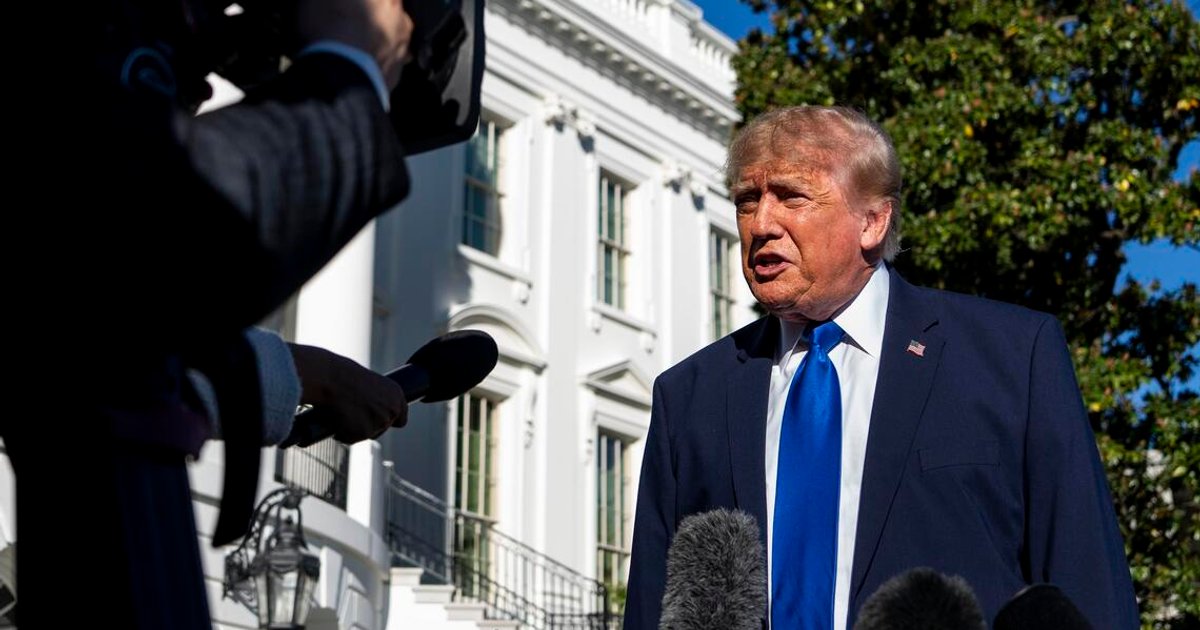
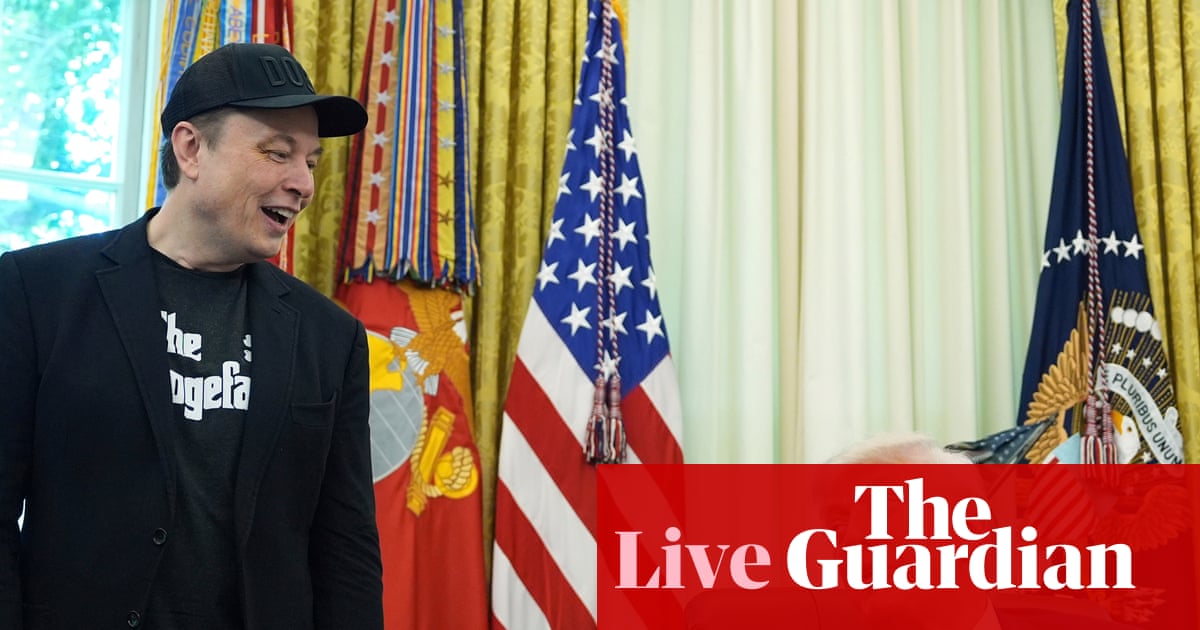
Alexander Ward and Lara Seligman of the Wall Street Journal reported today that Trump called Elon Musk yesterday to ask him to stop throttling Starlink’s military-grade communications system, Starshield, in Ukraine.
asserted
Trump → report → Ukraine
Slowing down the system degrades Ukraine’s defenses as well as its offensive drones, leaving it even more vulnerable to Russian attacks.
asserted
Slowing → slow → attacks
Russia’s president Vladimir Putin has taken advantage of this vulnerability by increasing strikes against Ukraine’s civilians.
asserted
president → take → civilians
The whole question of who ordered the slowdown in the first place remains a blame game between Trump and Musk, both of whom support Russia in its war on Ukraine.
asserted
both → order → Ukraine
Members of the administration, including Secretary of State Marco Rubio and U.S. ambassador to NATO Matt Whitaker, have tried to sell the slowdown as a business decision that Musk has the authority to make.
asserted
Musk → include → authority
Whitaker told the Fox News Channel yesterday: “They are a private company.
asserted
They → tell → Channel
Obviously they have terms of use that are applied to all of their customers, including the Ukrainians, and I think it’s more of a dispute along those lines…than anybody in this administration trying to change the way that Starshield or Starlink is used.
asserted
Starshield → have → way
Strategic studies scholar Phillips P. O’Brien wasn’t buying that explanation, posting that it is evident “the White House is desperately trying to make [Musk] the fall guy for what is happening to Ukraine.”
asserted
what → buy → Ukraine
He continued: “If Trump wanted to help Ukraine militarily and with starshield he could.
uncertain
Trump → continue → starshield
He doesn’t want to.”
asserted
He → want → ?
But it is simply astonishing that the president of the United States, the commander in chief of the United States military, is suggesting he had to negotiate with a private citizen to tell him to stop interfering with American foreign policy.
asserted
he → suggest → policy
This afternoon, asked about the call, Trump told reporters: “[I]t was a very interesting situation.
asserted
I]t → ask → reporters
So I don’t want to comment one way or the other, but, uh, my re—, my relationship with Elon is a very good one.”
asserted
relationship → want → Elon
He reiterated: “I don’t want to comment on it.
asserted
I → reiterate → it
You know, whether I called or whether somebody else called, doesn’t make any difference.
asserted
somebody → know → difference
I guess the bottom line, he put it back.
asserted
he → guess → it
It remains unclear if the Ukrainians do, in fact, have full use of the networks again.
uncertain
Ukrainians → remain → networks
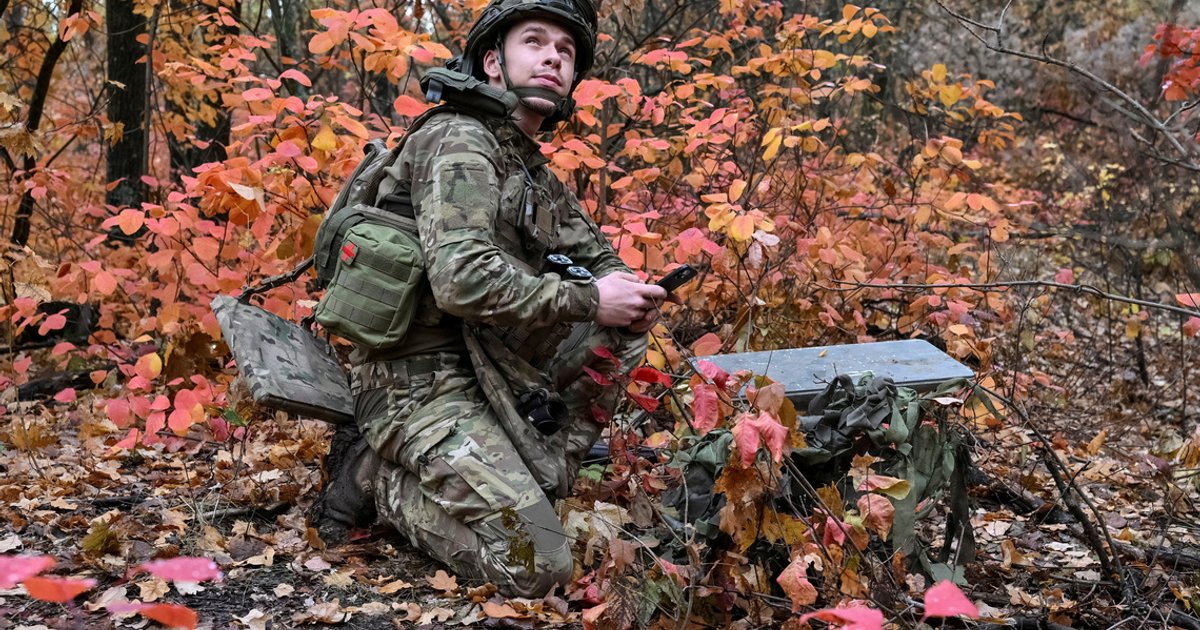
Siobhán O’Grady, Carlotta Gall, and Anton Troianovski of the New York Times reported yesterday that a senior Ukrainian commander told them he had lost more than a million dollars worth of drones when Starshield went fuzzy from the slowdown.
asserted
Starshield → report → slowdown
For the next three days, he had to stop almost all operations, endangering his troops by hampering their ability to stop Russian advances by striking Russian command posts and fuel hubs.
asserted
he → have → posts
Meanwhile, Bloomberg reported today that officials from Rosneft, Russia’s biggest oil producer, say sanctions and Ukrainian drone strikes that are pushing deeper and deeper into Russia threaten the company’s survival.
asserted
that → report → survival
Profits for the company, which produces about a third of Russia’s oil, are falling and its debt is rising as the strikes cause fuel shortages.
asserted
strikes → produce → shortages
Ukrainians are repeatedly hitting the refineries, one as far as 2,500 kilometers (about 1,553 miles) from the border, first damaging the structures and then destroying repairs after workers have rebuilt the structures, forcing the company to take on more and more debt as it shovels money into repairs that don’t survive.
asserted
that → hit → repairs
Even when it can find the money, sanctions limit its ability to replace equipment.
asserted
sanctions → find → equipment
The officials say even a few more months of war could destroy Rosneft.
uncertain
months → say → Rosneft
The crisis explains why Putin and Trump are so desperate to stop Ukrainian attacks on Russia’s oil refineries and to lift sanctions on Russia.
asserted
Putin → explain → Russia
Rosneft’s loans from the Credit Bank of Moscow are becoming problematic, straining the bank.
asserted
loans → become → bank
In a sign this year’s writers are straining to make things as obvious as possible, Alex Horton and Dan Lamothe of the Washington Post broke the story today that in February, Defense Secretary Pete Hegseth apparently decided he wanted to display in his office one of the two floor globes General Dwight D. Eisenhower used during World War II.
asserted
Eisenhower → strain → II
Eisenhower was the erudite five-star general who oversaw the Allied invasions of North Africa and Sicily before directing the Allied invasion of France and Germany as the Supreme Allied Commander in Europe.
asserted
who → oversee → Europe
He is widely credited with defeating the Nazis.
asserted
He → credit → Nazis
After the war, Eisenhower went on to the presidency of Columbia University, where he devoted his energies to founding the American Assembly, a think tank to gather the world’s greatest minds to bring the understanding of history, foreign affairs, and philosophy to address the problems of the post–World War II world.
asserted
he → go → world
In 1952, when the frontrunner for the Republican presidential nomination vowed to cut U.S. support for the fledgling North Atlantic Treaty Organization (NATO), Eisenhower ran for president to protect the new postwar institutions that he believed were vital to global security in the face of an aggressive Soviet Union.
asserted
he → vow → Union
He won the Republican nomination and then the presidency with almost 55% of the vote, retaking the White House from Democrats for the first time since 1933.
asserted
He → win → 1933
During the war, Eisenhower had visited Ohrdruf, the Nazi concentration camp that funneled prisoners to Buchenwald, a week after soldiers liberated it.
asserted
soldiers → visit → it
He was shocked to the core.
asserted
He → shock → core
“I never dreamed that such cruelty, bestiality, and savagery could really exist in this world!” he wrote to his wife.
uncertain
he → dream → wife
Determined to do all he could to guarantee that such atrocities never happened again, he urged reporters and congressmen to visit the camp to ensure there were witnesses, pictures, and films to contradict anyone who might, in the future, try to deny the horrors that had taken place.
uncertain
that → do → place
After the war, Eisenhower embraced the work of San Francisco philosopher Eric Hoffer, who explained in his 1951 book The True Believer: Thoughts on the Nature of Mass Movements that economically or culturally dispossessed people were natural targets for political and religious extremists.
asserted
people → embrace → extremists
They could easily be manipulated to back a demagogue who promised to resurrect a world in which they had enjoyed prosperity and cultural significance.
uncertain
they → manipulate → prosperity
Such a leader was dangerous enough during the Nazi era, Eisenhower thought, but with the advent of nuclear weapons in 1945, such a strongman could destroy humanity.
uncertain
strongman → think → humanity
Eisenhower believed that it was crucial for the U.S. to build alliances and to help increase standards of living around the globe in order to prevent such a scenario.
asserted
U.S. → believe → scenario
…and 6 more, not listed.
 The Aporia