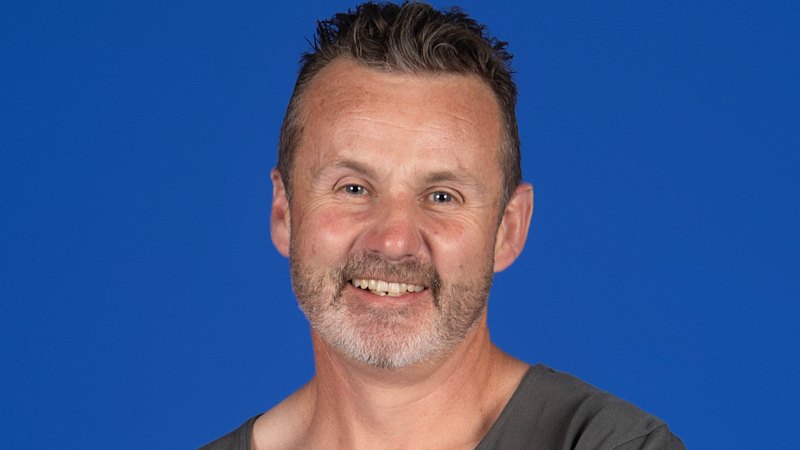
Starting primary school in Australia as a six-year-old, Atong Atem was astonished by what she found.
asserted
she → start → what
She and her family had come from a refugee camp in Kenya, where she and her brothers made figurines out of the clay from the ground and instruments out of cardboard boxes.
asserted
she → come → boxes
“The art supplies in the art room, it was like a wonderland to me,” she says.
asserted
she → say → me
“It was from one world to another, I was just blown away by all these books, the playground, all this stuff ... and it was all free and people were encouraging me to engage with it all.”
asserted
people → blow → it
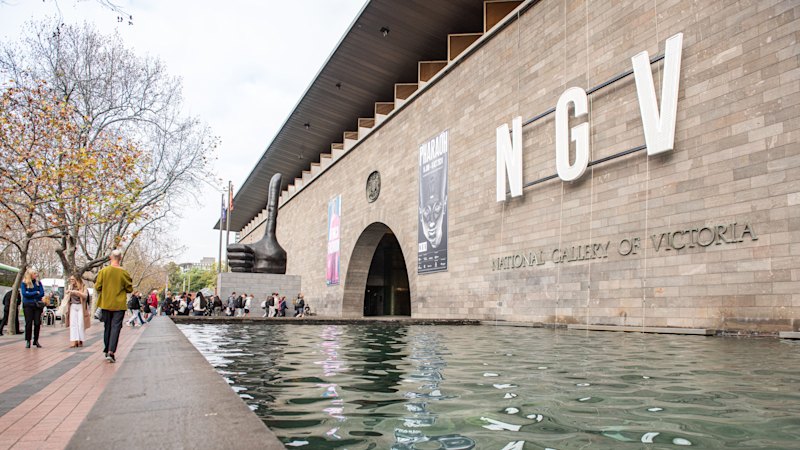
The first major survey of the 35-year-old’s work opens at the NGV next week.
asserted
survey → open → NGV
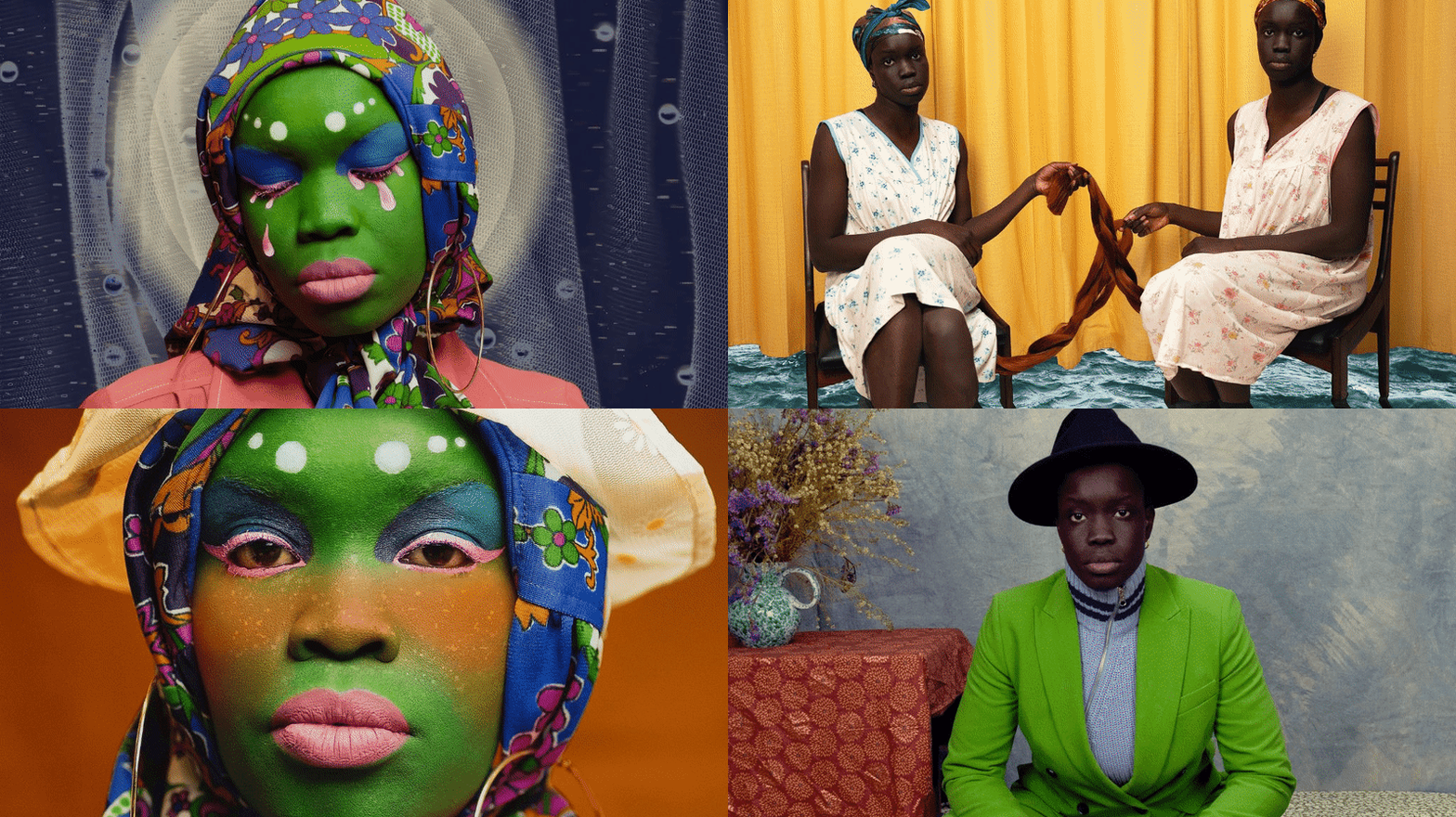
Called Passage: The Art of Atong Atem, it includes 65 of her photographs, several never seen in Australia.
asserted
it → call → Australia
Her art is powerful, political and playful, combining portraiture with painting and textiles, with influences spanning from her South Sudanese Dinka Bor heritage through to science fiction, the cosmos and colonisation.
asserted
art → combine → fiction
Often using her body as a canvas, Atem explores ideas around performance, both in daily life and in front of a camera.
asserted
Atem → use → camera
Atem and her family immigrated to Australia from South Sudan, having spent time in a refugee camp in Kakuma in north-west Kenya.
asserted
Atem → immigrate → Kenya
They settled on the central coast of NSW in 1997; Atem moved to Melbourne in 2014.
asserted
Atem → settle → 2014
Now a mother of two, she has been working full-time as an artist for the past 12 or so years; her love for making art stems back to childhood.
asserted
love → work → childhood
“Before I felt that I could be an artist, I felt pressure … to take advantage of the fact that my parents had sacrificed so much in order for my siblings and I to have as much opportunity as we can, and way more than they did.
uncertain
they → feel → opportunity
So I thought I’m going to work really hard in school and I’ve always liked school.
asserted
I → think → school
I was such a nerd,” she says, with a laugh.
asserted
she → say → laugh
After school, she briefly studied architecture, then moved on to painting and photography; all those disciplines are melded in her practice.
“I’m deeply curious, consistently researching, I love to learn.
asserted
I → study → practice
Knowledge is my hobby, I guess,” she says.
asserted
she → guess → ?
Her work includes references from “my entire life, my relationship to the world…
asserted
work → include → world
I just have an intuitive response to colour and composition and subject.”
asserted
I → have → colour
For Ego 2 (2019), Atem painted her face blue, linking the indigo to poetic references of blue-black skin used in Black literature, music and poetry.
asserted
Atem → paint → literature
“Skin becomes a character.
asserted
Skin → become → ?
Whether we like it or not, our bodies get read.
asserted
bodies → like → it
Choosing to engage with that through colour and stylisation becomes a conscious act,” she says in notes for the show.
asserted
she → choose → show
Her work is informed by her upbringing and displacement and by her community, which she credits regularly, saying that with the exception of her self-portraits, all her work is collaborative.
asserted
work → inform → portraits
The Banksia series, created for the Immigration Museum in 2021, reflects this approach, with Atem shooting friends and members of her community.
asserted
Atem → create → community
The show’s co-curator, Anna Honan, NGV assistant curator, contemporary art, says that in these collaborative works, Atem is “breaking down the idea of power in a photography studio”.
asserted
Atem → say → studio
Atem’s work has been shown at London’s Tate Modern and Victoria and Albert Museum, Fotografiska Shanghai, Rotterdam’s Wereldmuseum, Stadtgalerie in Germany and the National Maritime Museum in Amsterdam.
asserted
work → show → Amsterdam
She is one of several Australian artists featured in On Country: Photography from Australia which just opened at Melbourne’s Immigration Museum, first shown in 2025 in Arles, France.
asserted
which → feature → Arles
A solo show is planned for Sydney next year.
asserted
show → plan → Sydney
The Scars and Constellations series was created for Shadows on the Atlantic, a show by artists of African descent that looked at the impact of colonisation, commissioned by the National Maritime Museum in Amsterdam in 2024.
asserted
that → create → 2024
“So it was literally part of the whole mechanism of colonialism,” Atem says.
asserted
Atem → say → colonialism
So the ships would come in and get fixed there, and lots of cargo would come in and out.”
asserted
lots → come → cargo
It was, she says, really powerful to have people who had been directly affected by colonisation making work that was uncensored and unapologetic.
asserted
that → say → work
“When we talk about my art within a global context, you can’t ignore the fact that my family was displaced because of colonialism,” she says.
asserted
she → talk → colonialism
“We ended up in Australia and the reason we’re here and who welcomed us and all that sort of stuff is directly linked to colonialism.
asserted
who → end → colonialism
Since having children, Atem is more and more occupied by the issue.
asserted
Atem → have → issue
“Because I think about, not the legacy that I will personally leave, but what are they inheriting?
asserted
they → think → what
What’s the dialogue that they then pick up from?
asserted
they → ’ → that
Time will tell, I guess.”
asserted
I → tell → ?
People’s relationship to colonialism in Australia “tends to be kind of removed”, says Atem.
asserted
Atem → tend → Australia
“It feels really distant because in so many ways I feel like this is an example of a successful colonial project.”
asserted
this → feel → project
…and 24 more, not listed.
 The Aporia