In the 15 years since the oil company went public, it has leveraged savvy fracking skills and astute acquisitions to grow from a scrappy West Texas driller — its stock ticker is FANG — to a behemoth responsible for about 4% of US oil production.
asserted
ticker → go → production
This year, thanks to the surge in oil prices caused by the war in Iran, Diamondback’s second-quarter profits per share more than doubled from last year; Wall Street expects another boost when third-quarter earnings are released in a few weeks.
asserted
earnings → cause → weeks
But CEO Kaes Van’t Hof isn’t celebrating.
asserted
Hof → celebrate → ?
“We don’t like when prices are too high,” he told me.
asserted
he → like → me
Oil prices north of $100 per barrel — the US benchmark is around $99 this week — “are great for a month or two, and then I get called to Congress and called a price gouger.”
asserted
I → call → Congress
High fuel prices could be a decisive disadvantage for US President Donald Trump in the looming midterm elections.
uncertain
prices → loom → elections
As he scrambles abroad for barrels, the Permian Basin — the country’s biggest and richest oilfield, the bedrock of US energy security at a time of unprecedented turmoil in global markets — remains the place where his battle will be won or lost.
asserted
battle → scramble → markets
Diamondback, like its peers, has been hesitant to answer Trump’s repeated calls to “drill, baby, drill”; the company’s latest production target for the year is only about 4% higher than it was before the US-Iran war.
asserted
it → answer → war
Across the Permian, daily production is only 1.5% above where it was when the Strait of Hormuz crisis began in February, despite US oil prices rising 50%.
asserted
prices → begin → February
Despite major engineering strides in driving down production costs, and a wave of industry consolidation that has concentrated resources and decision making in fewer hands, executives like Van’t Hof are less willing than ever to take billion-dollar gambles adding rigs just because the president wants them to.
asserted
them → drive → rigs
No matter how attractive oil prices look today, many in the Permian believe a price crash is inevitable, either because Trump’s daily “jawboning” keeps futures traders feeling bearish, or because of a genuine security breakthrough in Iran, evaporating consumer demand owing to high prices and the clean energy transition, or the influx of foreign barrels from places like Venezuela.
asserted
jawboning → look → Venezuela
That’s a market reality that Washington often seems to miss: Trump’s overall “energy dominance” strategy relies on companies like Diamondback to drill more, but sets them up for failure if they do too much.
asserted
they → ’ → much
“We’re the only business in the country where neither side of the aisle wants you to make money,” Van’t Hof said.
asserted
Hof → ’re → money
“‘Drill, baby, drill’ is basically drill as much as you can to commit economic suicide.”
asserted
you → drill → suicide
Standing on the site of Diamondback’s newest frack, I began to understand why an unprecedented oil supply crisis has not unleashed a corresponding gold rush in the Permian.
asserted
crisis → stand → Permian
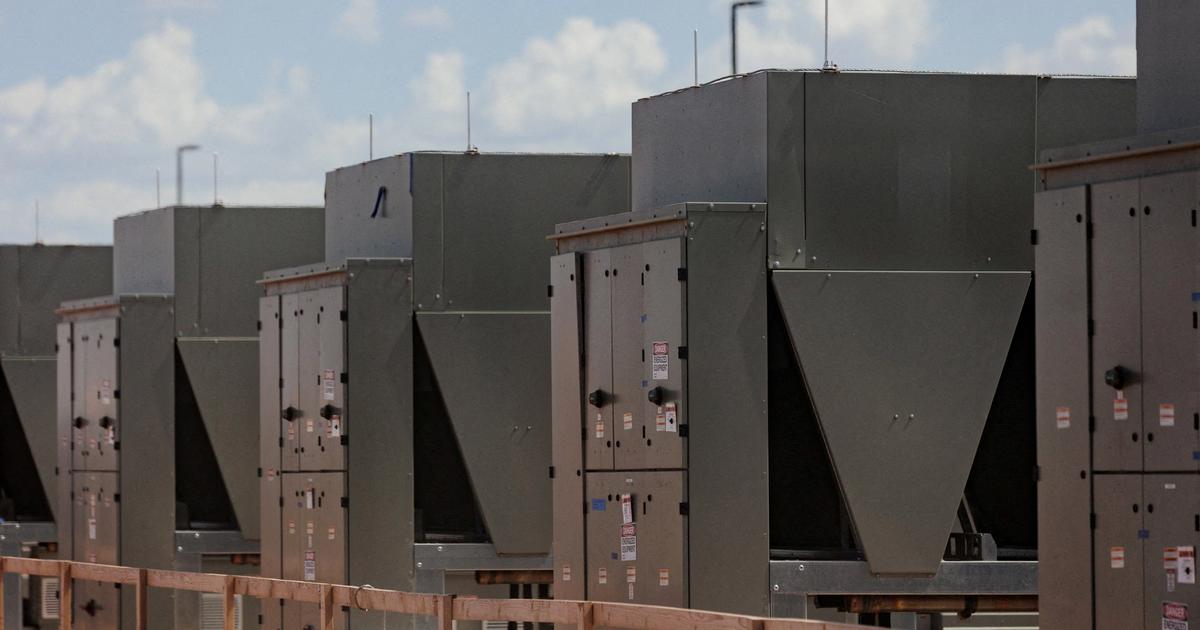
Here, you can hear this vanguard of US oil drilling before you see it: the earth-shaking racket of a dozen semi-truck-sized gas generators, powering more than a dozen equally huge pumping machines, pushing sand and fluids into four brand-new wells.
asserted
you → hear → wells
To get these wells pumping, three dozen people, including workers from Halliburton and several other subcontractors, work in round-the-clock shifts for at least a week, using explosives and high-pressure fluids to “fracture” deep shale rock formations along the length of a horizontal well that can run for miles parallel to the surface so oil and gas can be siphoned out.
asserted
oil → get → surface
This is the basic technology that revolutionized US oil a decade ago, and made the country by far the world’s top producer.
asserted
country → revolutionize → oil
But it was always somewhat odious to oil company shareholders, who found it a money pit that didn’t make sense if crude prices weren’t high.
asserted
prices → find → sense
When prices picked up this year, no one expected Chevron or ExxonMobil to suddenly drill more in the US.
asserted
Chevron → pick → US
Their monster capex budgets change direction slowly, and both companies have their hands full with far-flung global drilling adventures.
asserted
hands → change → adventures
But in booms of the past, small and midsize drillers would have jumped to cash in.
asserted
drillers → jump → past
The muted reaction to this year’s market spikes reveals a fundamental shift underway for companies in the Permian, from chasing the most lucrative short-term barrels to chasing a kind of financial sustainability capable of returning cash to shareholders after the boom goes bust.
asserted
boom → reveal → shareholders
The only way to keep up production and stay economically competitive has been to obsess over cost efficiency, Hunter Landers, Diamondback’s senior vice president of well construction, told me as we walked the site: “We’ve been pulling all kinds of rabbits out of our hats to save money and stay resilient.”
asserted
We → keep → money
The core of that strategy is to drill deeper and longer, so that the fixed costs of the fracking operation are spread over more barrels per well.
asserted
costs → drill → well
The frack happening beneath us was about half as deep as Mount Everest is high, in a section of oil-rich rock that used to be considered out of reach; other innovations allow for simultaneous fracks, minimizing downtime.
asserted
innovations → happen → downtime
Others have different tactics: Brendan McCracken, CEO of midsized driller Ovintiv, said the company boosted its rate of production per foot to the highest in the Permian in part by pushing surfactants — essentially slippery industrial soap — into its wells.
asserted
company → have → wells
Companies are preparing wells that can be brought online more quickly when prices tick up.
asserted
prices → prepare → wells
They’re using AI to scavenge for insights among vast datasets.
asserted
They → use → datasets
They’re writing hedge clauses into sales contracts, to shield themselves from price crashes.
asserted
They → write → crashes
They’re even sourcing frack sand locally rather than importing it from quarries in the Midwest.
asserted
They → source → Midwest
And the spate of M&A consolidation that rolled through the region in the past few years — Diamondback completed a $26 billion merger with its rival Endeavor Energy Resources in 2024, for example — means there are both fewer executives around to make rash decisions and fewer underground resources available for less-scrupulous wildcatters to jump on.
asserted
Diamondback → roll → decisions
Kirk Edwards, CEO of the small Odessa-based producer Latigo Petroleum, lived through the bust of the mid-2010s, when reckless growth in US shale triggered a price collapse.
asserted
growth → base → collapse
“That was horrible,” he said.
asserted
he → say → ?
“Now you’ve got our president saying, ‘Hey, we’re going for $40 oil again.’
asserted
we → get → oil
So nobody’s going crazy on drilling.”
asserted
nobody → go → drilling
Instead, the name of the game is to create pockets of stability in an inherently volatile business.
asserted
name → create → business
“We’re all grown up now,” Van’t Hof said.
asserted
Hof → grow → ?
“And I get screamed at less in meetings by investors.”
The View From Midland
Despite the year’s geopolitical turmoil, there’s a newfound sense of economic stability in Midland that, for the first time in the city’s history, doesn’t seem to depend on sustained high oil prices.
asserted
that → scream → prices
When I visited recently, the mood in the Permian, a storied expanse of muddy scrubland where innumerable fortunes in black gold have been won and lost, was mostly positive.
asserted
fortunes → visit → gold
…and 24 more, not listed.
 The Aporia