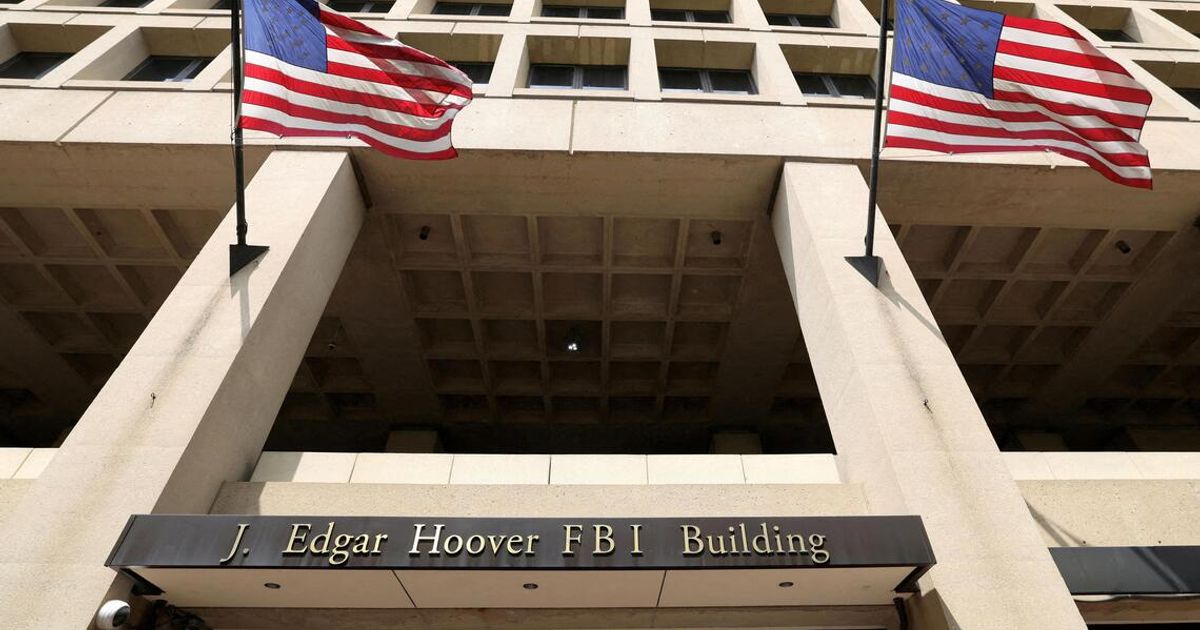
Photo via The Straits Times

Black mould, bugs found at Chinese plants making GLP-1 compounding agents

Read the original at The Straits Times ↗
Cite

The Straits Times. (2026, October 15). Black mould, bugs found at Chinese plants making GLP-1 compounding agents. The Straits Times. https://www.straitstimes.com/world/united-states/black-mould-bugs-found-at-chinese-plants-making-glp-1-compounding-agents

Dated from the outlet's own feed. Check the original for its byline.

The Straits Times · collected 2026-10-15 · by The Straits Times

Quick Summary

US inspectors found severe hygiene issues at two Chinese factories producing key components for popular weight-loss drugs like semaglutide and tirzepatide. Problems included black mould on equipment, floor contamination, and insect infestations. Employees attempted to hide documentation from investigators, leading the FDA to add these companies to its import alert list, preventing their products from entering the US market. These compounded drug versions are not approved by regulators for safety or effectiveness, raising concerns about potential health risks.
Written by AI on 2026-10-15, from this article's own text only (the story summary below draws on all the coverage).
See how they differ ↓

AI analysis

Story summary

US inspectors documented severe hygiene issues at two Chinese factories producing key components for compounded GLP-1 drugs popular in America, including black mould and bug infestations. The inspections, conducted under a Freedom of Information Act request, revealed that employees at one plant were attempting to hide paperwork and pouring out product samples when inspectors arrived. These plants manufacture semaglutide and tirzepatide, the active ingredients in weight-loss drugs from Novo Nordisk and Eli Lilly & Co., for custom-made versions not approved by regulators. The Food and Drug Administration (FDA) has placed both companies on its import-alert list, potentially blocking their products from entering the US market. China is a major supplier of these active ingredients to drug compounders that produce cheaper copies of popular weight-loss medications.

Written for “FDA Inspectors Find Issues In Chinese Plants” on 2026-11-21, grounded in this article and the 1 other(s) covering the same event.

How they differ

2 outlets covered “FDA Inspectors Find Issues In Chinese Plants”.

What each outlet says

One AI summary per outlet of its latest article on this story, written from that article alone and checked against it. Open the article for the outlet's own words.

The Straits TimesThis outlet15 Oct

US inspectors found severe hygiene issues at two Chinese factories producing key components for popular weight-loss drugs like semaglutide and tirzepatide. Problems included black mould on equipment, floor contamination, and insect infestations. Employees attempted to hide documentation from investigators, leading the FDA to add these companies to its import alert list, preventing their products from entering the US…

Black mould, bugs found at Chinese plants making GLP-1 compounding agents (this article)
New York Post15 Oct

FDA inspectors discovered significant contamination issues at two Chinese factories producing components for GLP-1 weight-loss drugs like semaglutide and tirzepatide. The inspection uncovered mold, bugs in the ceiling, and improper disposal of samples by factory employees attempting to hide documents from investigators. One facility, operated by Chengdu Shengnuo Biopharm Co., had staff pouring out product samples…

FDA inspectors found bugs, mold at two Chinese factories that make GLP-1 weight-loss drugs: report →

Compared with similar articles

This article reads unscored and hedges 26% of its claims. Each row says how that neighbour differs.
New York Post
Hedges 7 of 18 claims Outlet record 66/100

Story

FDA Inspectors Find Issues In Chinese Plants
Health · 2 article(s) covering the same event. See how they differ ↑
How this article was measured signals, leaning charts, publisher record, byline, topics and claims

Signals How these are calculated →

Claims extracted
27
sentences that state something as happening or true
Uncertain
26%
7 of 27 hedged ("reportedly", "may", "according to")
Leaning
not political
takes no side on a contested political question
Publisher signals
64/100
The Straits Times's corrections and hedging, across everything collected from it. Not a measure of accuracy.
Outlets on this story
2
Health
Same framing elsewhere
1
articles that frame the event the way this one does
Analyzed 2026-10-15 · how these are computed

How this is being covered How these are calculated →

Article leaning vs. publisher reliability
Source leaning vs. consistency

Publisher

The Straits Times · 5640 article(s) · 7 correction(s) detected
Running correction rate · 7 correction(s)

Who wrote this

The Straits Times
3923 article(s) here · 1 carrying a prediction
The apparent compromise of the National Crime Information Center database would mark the second intrusion involving an FBI system in recent months and the latest in a string of cyber incidents that have alarmed US officials over the past week.
Electrify the world Australia’s Climate Minister Chris Bowen, who was shuttling between delegations to seek compromises, said he would work over the “coming hours, for as long as it takes, to get the job done”.
New York City’s Rikers Island jail complex would close by 2032 under a sweeping plan announced Nov 20 by Mayor Zohran Mamdani of New York City, whose strategy for finally shuttering the notorious facility hinges on substantially reducing the number of people kept behind bars.
Prosecutors have alleged that while placing his 911 call, Rinderknecht asked the artificial intelligence app ChatGPT on his phone whether someone could be found at fault for lighting a fire “because of your cigarettes”, to which ChatGPT replied, “Yes”.
A placard beside Trump’s podium listed a series of broad agreements the president had reached with Chinese President Xi Jinping and Russian President Vladimir Putin, which included a reaffirmation that nuclear war would be futile for all nations involved.
He told groups of subordinates that they had become so rich that he couldn’t motivate them simply with money, according to three people who spoke on the condition of anonymity to discuss confidential conversations.
The closed freeway lanes recall stems from unusual circumstances where a Waymo vehicle may enter and continue driving in a closed freeway lane, the company said, adding it is still working on the recall remedy.
Araqchi says Iran wants diplomacy to end war; Trump says terms unacceptable Nov 20 - Iran's Foreign Minister Abbas Araqchi said Tehran still hoped diplomacy could end its war with the United States, while US President Donald Trump said Iran wanted a deal but one that was not acceptable to him.
While You Were Sleeping: 5 stories you might have missed, Nov 21, 2026 Trump, Xi agree military AI decisions should involve humans US President Donald Trump and Chinese President Xi Jinping agreed humans should always be involved in military decisions that use artificial intelligence technologies, even as the two countries compete for AI supremacy, Treasury Secretary Scott Bessent said on Nov 20.
US Vice President Vance declines to say he would have ordered Iran strikes WASHINGTON, Nov 20 - US Vice President JD Vance on Friday declined to say whether he would have authorized strikes on Iran to prevent the country from developing a nuclear weapon, sidestepping President Donald Trump's calls for him to say the attacks were necessary and that he would carry them out again.
Also by The Straits Times
Nothing else under this byline is closely related to this article, so these are simply their most recent.
All 3923 articles by The Straits Times →

Topics

America China Chinese FDA Freedom of Information Act

Subjects

FDA ORG · 6× China GPE · 4× Chengdu Shengnuo GPE · 2× Chinese NORP · 2× Nanjing Chengong ORG · 2× America GPE · 1× Eli Lilly & Co ORG · 1× Michael Rogers PERSON · 1× Novo Nordisk ORG · 1× The Food and Drug Administration ORG · 1×

Narrative

Plants in that country have often fallen short of US pharmaceutical-manufacturing standards, even as China has increasingly become an integral part of the generic market, providing active ingredients and raw materials to companies that finish and sell the lower-cost, FDA-approved versions of treatments.
framing: mixed · carried by 1 article(s) · first seen 2026-10-15
And if a drug falls into short supply – as semaglutide and tirzepatide did in 2022 – the compounding industry may step in. But they are no longer in shortage, and all compounders have not scaled down.
2026-10-15 · The Straits Times
Black mould, bugs found at Chinese plants making GLP-1 compounding agents · mixed framing

Claims (27 extracted, 7 hedged)

Black mould, bugs found at Chinese plants making GLP-1 compounding agents US inspectors documented egregious conditions at two Chinese factories making key components for compounded GLP-1 drugs popular in America, including black mould on equipment and “gross contamination” on floors at one plant. asserted
inspectors → find → plant
The inspectors caught employees trying to hide paperwork and furtively pouring out product samples at that plant and evidence of bogus documentation at the other, according to reports obtained under a Freedom of Information Act request. uncertain
employees → catch → request
The two companies manufactured semaglutide and tirzepatide – the active ingredients in weight-loss blockbusters from Novo Nordisk and Eli Lilly & Co – for custom-made versions that are not approved for sale by regulators nor reviewed for safety or effectiveness. asserted
that → manufacture → safety
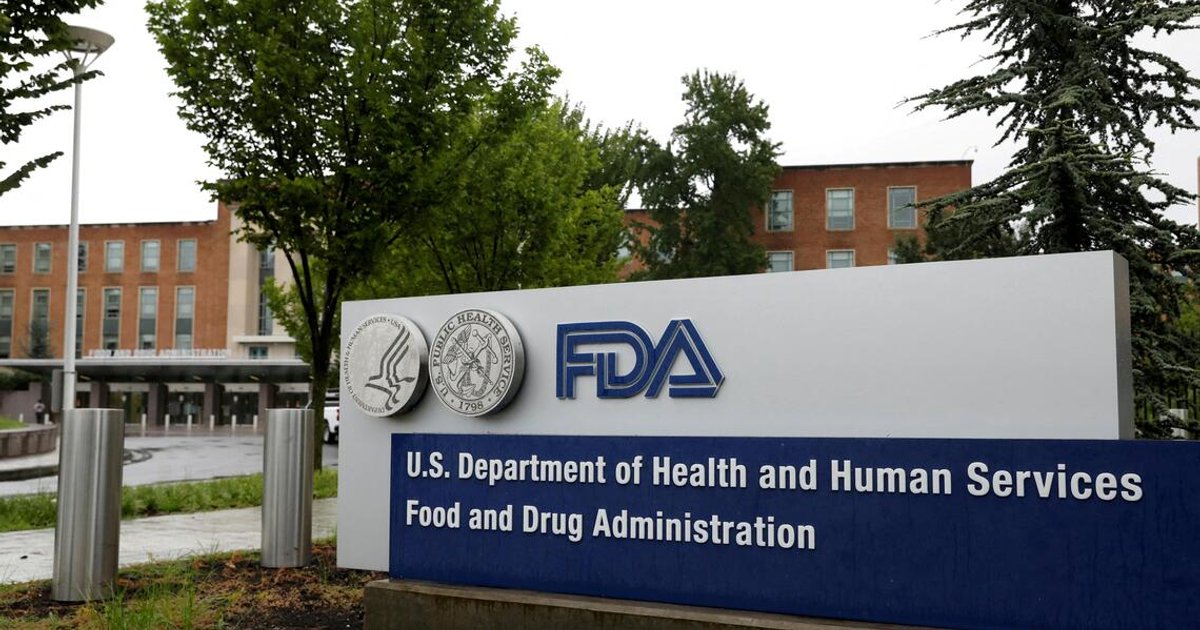
The Food and Drug Administration (FDA) put the companies on its import-alert list, meaning their products can be prevented from entering the US. asserted
products → put → US
So-called drug compounders have flooded the market with relatively cheap copies of hugely popular weight-loss medications, with China a major supplier of the active ingredients. asserted
China → call → ingredients
The inspection findings “suggest a serious accident waiting to happen,” said Michael Rogers, a principal at Canal Row Advisors and a former associate commissioner for inspections and investigations at the FDA. asserted
Rogers → suggest → FDA
It said in a regulatory filing in China that it has been “diligently implementing effective measures” to rectify the issues. asserted
it → say → issues
When FDA inspectors arrived at Chengdu Shengnuo in southwest China in August, they caught quality control staff running with documents from their lab to a room across the hall, where they stuffed the papers into lockers, according to the report. uncertain
they → arrive → report
The inspectors said they were not able to recover all the documents and that they also saw personnel pouring product samples into sinks “in a seemingly coordinated effort.” asserted
personnel → say → effort
In addition to the mould and filthy floors, inspectors noticed “significant insect activity” in ceilings. asserted
inspectors → notice → ceilings
At Nanjing Chengong Pharmaceutical on China’s east coast, inspectors discovered in September that workers had been buying active ingredients made by other factories and slapping Nanjing Chengong’s seal of approval on them, according to a second report. uncertain
workers → discover → report
Nanjing Chengong’s staff didn’t review the other factories’ testing information to confirm the products were safe, according to the report. uncertain
products → review → report
Drug and active-ingredient makers that sell to the US market are supposed to test samples and retain supporting documentation for FDA inspectors. asserted
that → sell → inspectors
The companies didn’t respond to email requests for comment. asserted
companies → respond → comment
Amphastar Pharmaceuticals, a specialty-drug company based in Rancho Cucamonga, California, holds an 11.5% minority ownership in Nanjing Hanxin Pharmaceutical Technology, said Dan Dischner, a spokesperson. asserted
Dischner → base → Technology
Amphastar neither controls nor is actively involved in Nanjing Hanxin’s or its subsidiaries’ operations, Dischner said. asserted
Dischner → control → Hanxin
Shortage over While brand-name and generic drugs receive FDA review and approval, compounded drugs do not. asserted
drugs → receive → review
Inspectors make spot checks of suppliers of compounding facilities, which are required to purchase ingredients from FDA-registered manufacturers. asserted
which → make → manufacturers
Nanjing Chengong was last inspected in March 2025 and Chengdu Shengnuo in September 2023, according to agency records. Compounders are allowed to offer alternatives to patients who cannot tolerate brand-name medications, tweaking a formula by, say, removing inactive ingredients people are allergic to or creating different dosage forms. uncertain
people → inspect → forms
And if a drug falls into short supply – as semaglutide and tirzepatide did in 2022 – the compounding industry may step in. But they are no longer in shortage, and all compounders have not scaled down. uncertain
compounders → fall → shortage
Some operate under the theory that US law allows the sale of copycats if at least one additive is thrown in, such as vitamin B12. asserted
additive → operate → B12
Compounding came under intense scrutiny almost 15 years ago when the New England Compounding Pharmacy sold contaminated drugs, including steroid shots for pain, that infected more than 700 people with meningitis, killing 64. asserted
that → come → 64
The deaths prompted a congressional investigation and gave the FDA increased oversight of compounders. asserted
deaths → prompt → compounders
But the agency has struggled to maintain the resources to keep up with the task. asserted
agency → struggle → task
A significant proportion of active ingredients in compounded GLP-1s come from China, according to an analysis from the Brookings Institution, a think tank in Washington, DC. uncertain
proportion → compound → Washington
Its 2025 report said Nanjing Hanxin, Nanjing Chengong’s parent company, was a large supplier. asserted
Hanxin → say → ?
Plants in that country have often fallen short of US pharmaceutical-manufacturing standards, even as China has increasingly become an integral part of the generic market, providing active ingredients and raw materials to companies that finish and sell the lower-cost, FDA-approved versions of treatments. asserted
that → fall → treatments
Give feedback · no sign-in needed

No sign-in needed for now. Your note is sent without a name, so it cannot be answered.

History Support