That is 0 articles you have read today.
The Aporia is free and carries no advertising, so readers are the only
thing paying for it. If you are getting this much out of it, a small
donation is what keeps it independent.
You have read 0 articles today.
That is more than the 15 a day The Aporia gives away,
and well past what it can carry on nothing. Your allowance resets at
midnight.
There is no advertising here and nothing about you is sold, so readers
are the only thing paying for it. If the site is worth this much of
your day, it is worth a few dollars.
Everything else stays open: the front page, the
directory and search do
not count against this, and neither does re-opening something you have
already read today.
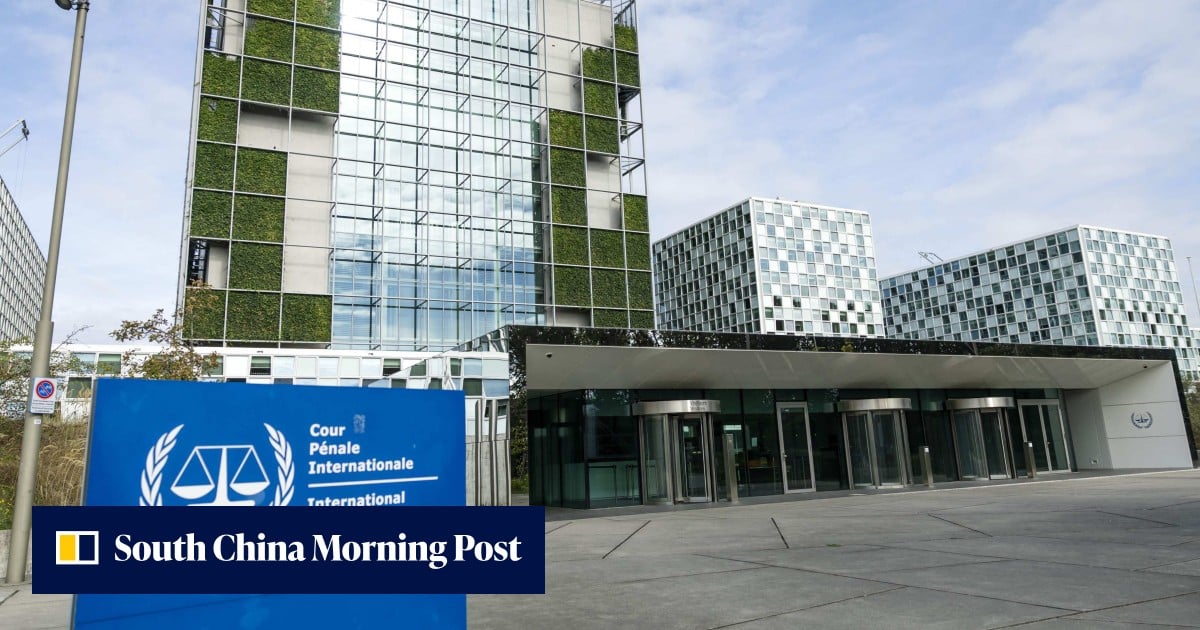
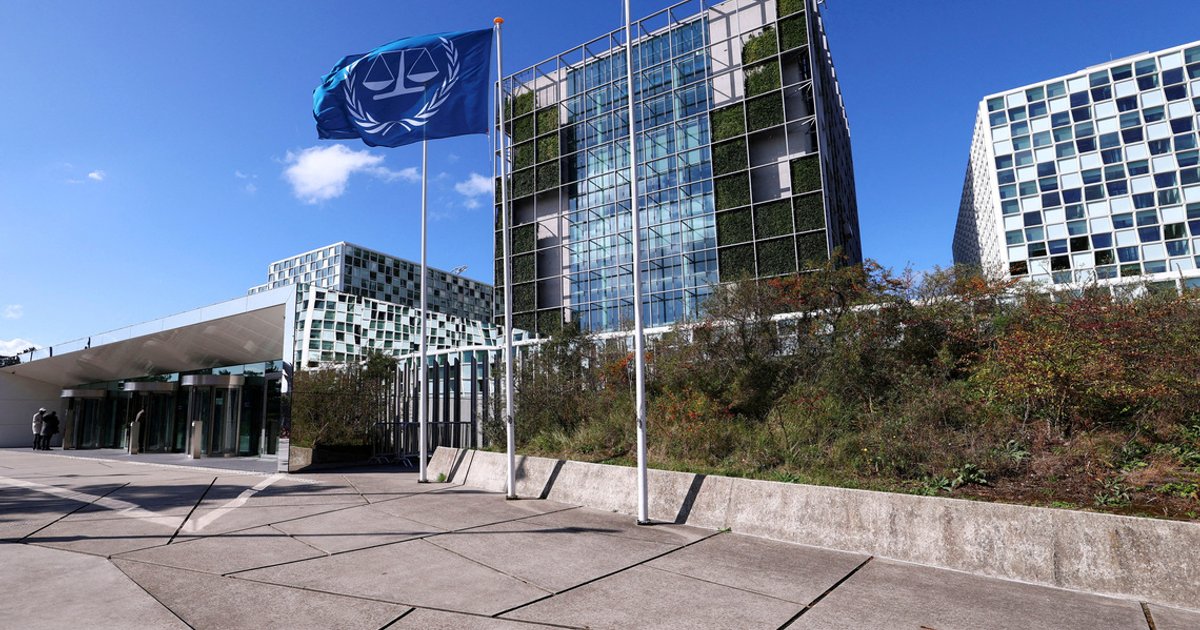
Photo via Al Jazeera
‘Rogue court’: US sanctions ICC hours after ex-judge wins Nobel Prize
‘Rogue court’: US sanctions ICC hours after ex-judge wins Nobel Prize. (2026, October 9). Al Jazeera. https://www.aljazeera.com/video/newsfeed/2026/10/9/rogue-court-us-sanctions-icc-hours-after-ex-judge-wins-nobel-prize?traffic_source=rss
“‘Rogue court’: US sanctions ICC hours after ex-judge wins Nobel Prize.” Al Jazeera, 9 Oct. 2026, https://www.aljazeera.com/video/newsfeed/2026/10/9/rogue-court-us-sanctions-icc-hours-after-ex-judge-wins-nobel-prize?traffic_source=rss.
“‘Rogue court’: US sanctions ICC hours after ex-judge wins Nobel Prize.” Al Jazeera, October 9, 2026. https://www.aljazeera.com/video/newsfeed/2026/10/9/rogue-court-us-sanctions-icc-hours-after-ex-judge-wins-nobel-prize?traffic_source=rss.
Dated when The Aporia collected the article, usually within hours of publication. Check the original for its exact date and byline.
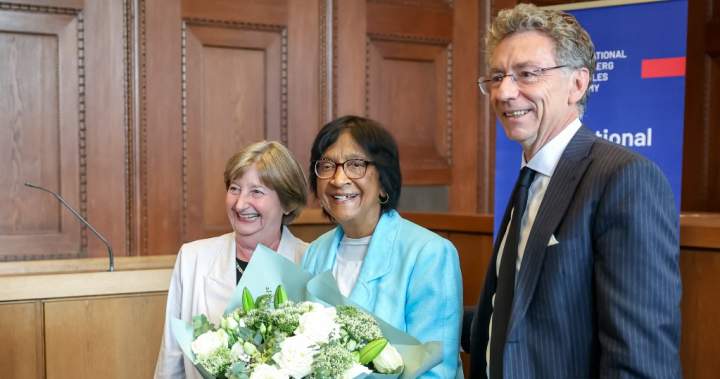
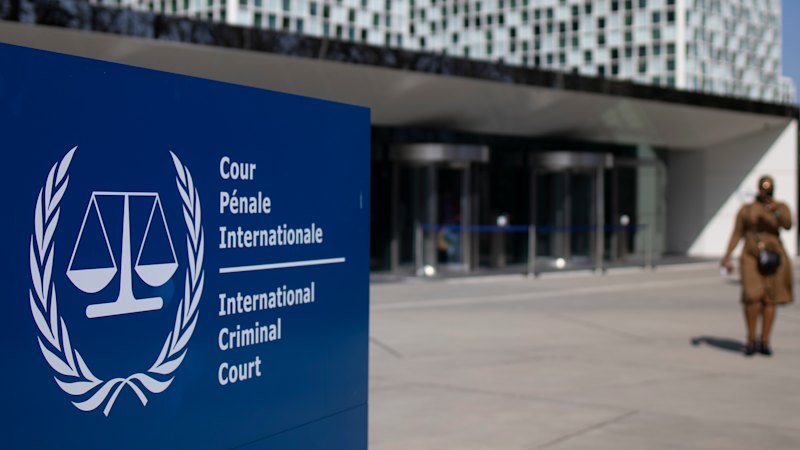
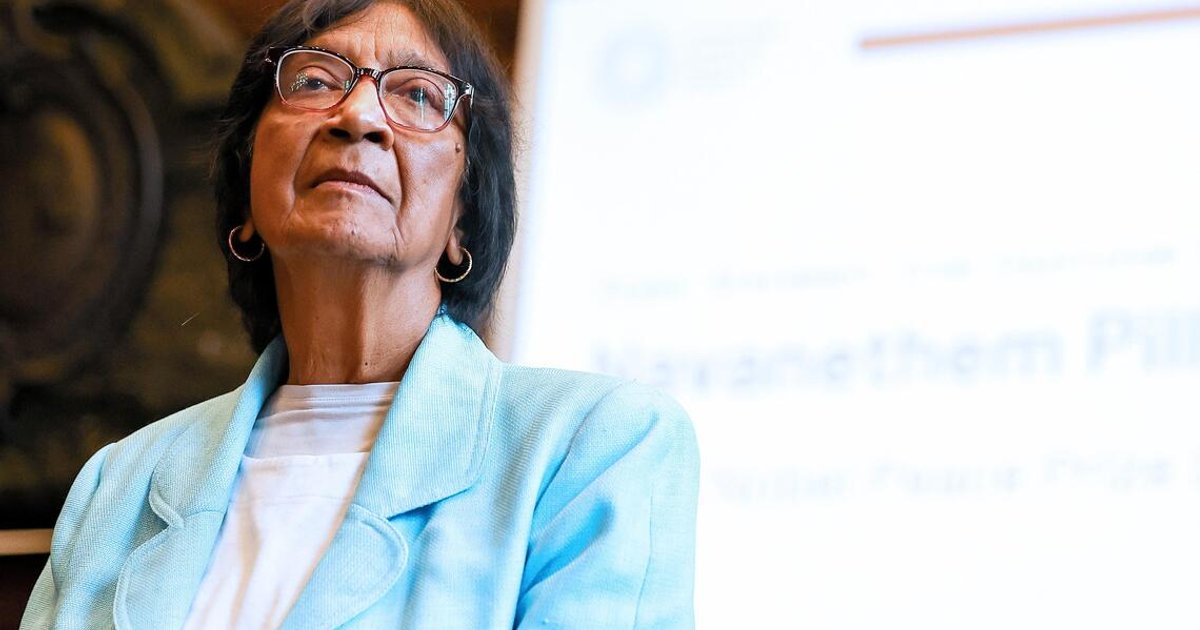
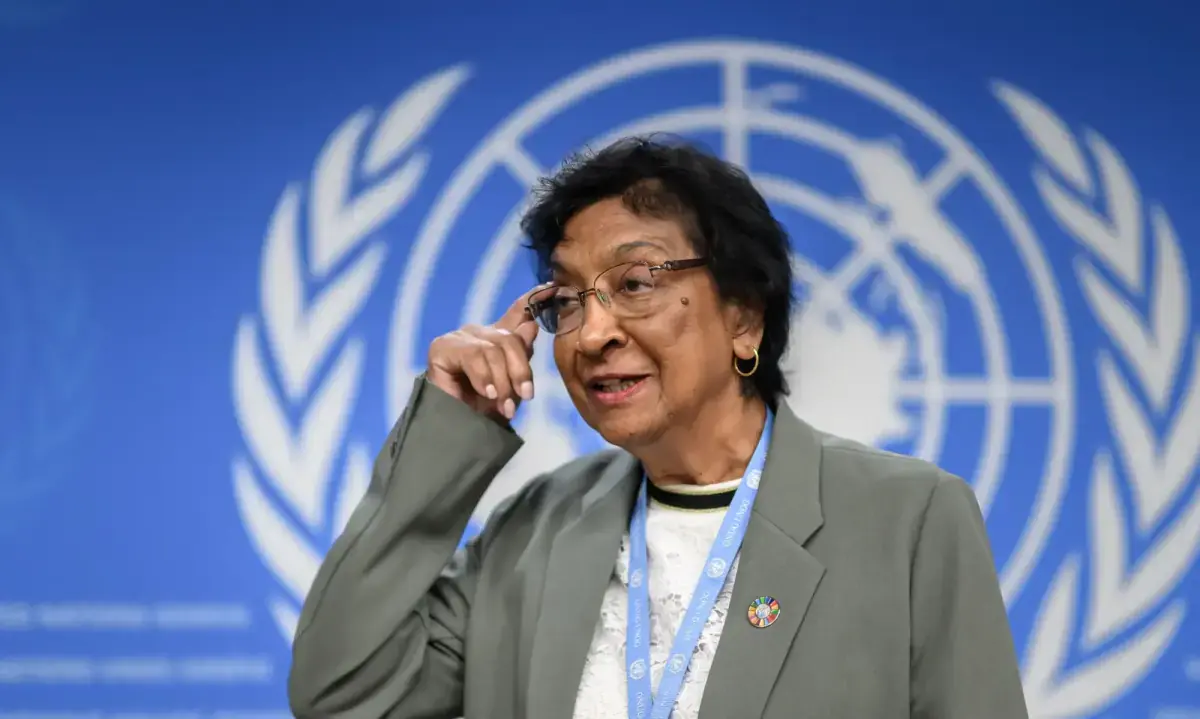
US Secretary of State Marco Rubio imposed sanctions on the International Criminal Court shortly after the court's former judge, Navi Pillay, won a Nobel Prize. Rubio referred to the ICC as a "rogue court" and warned of taking actions to dismantle it.
Written by AI on 2026-10-09,
from this article's own text only (the story summary below draws on all the coverage).
On October 9, 2026, the U.S. State Department imposed new sanctions on the International Criminal Court (ICC) in response to its attempts to charge American service members for war crimes. Secretary of State Marco Rubio announced these sanctions via a video address, declaring that the United States would ban transactions with what he called a "rogue court," aiming to cut off its funding and hinder its operations. The sanctions block any assets the ICC might have in U.S. jurisdictions and set a six-month timeline for U.S. companies to wind down business with the court.
The move came just hours after former South African prosecutor Navi Pillay, who had led investigations into potential ICC charges against U.S. troops in Iraq and Afghanistan, was awarded the Nobel Peace Prize. The sanctions were met with condemnation from ICC Deputy Prosecutor Nazhat Shameem Khan, who stated that they would not halt the tribunal's work.
The Trump administration has long been hostile toward the court, having previously sanctioned its prosecutors and judges but now going further by potentially punishing companies providing services to the ICC itself. Pillay, in an interview on October 14, called these sanctions "illegal" and urged U.S. President Donald Trump to consult legal advisors about international law.
Written for “US Sanctions Against ICC” on 2026-11-20,
grounded in this article and the 19 other(s) covering the same event.
How they differ
15 outlets covered “US Sanctions Against ICC”.
What each outlet says
One AI summary per outlet of its latest article on this story, written from that article alone and checked against it. Open the article for the outlet's own words.
Al JazeeraThis outlet9 Oct
US Secretary of State Marco Rubio imposed sanctions on the International Criminal Court shortly after the court's former judge, Navi Pillay, won a Nobel Prize. Rubio referred to the ICC as a "rogue court" and warned of taking actions to dismantle it.
‘Rogue court’: US sanctions ICC hours after ex-judge wins Nobel Prize (this article)The Straits Times11 Oct
On October 10, Nobel Peace Prize laureate Navi Pillay condemned US sanctions on the International Criminal Court (ICC) as "unacceptable" during an event at the Nobel Peace Center in Oslo. The sanctions were announced by the United States hours after Pillay was awarded the prize, with US Secretary of State Marco Rubio stating that Washington would ban transactions with what it deemed a “rogue court.” Pillay…
Nobel Peace Prize winner Navi Pillay criticized former US President Donald Trump’s sanctions against the International Criminal Court (ICC), calling them illegal and a reaction to her award. The sanctions, announced on Friday, aim to hinder the ICC's operations by targeting its technology and banking systems, with Dutch Prime Minister Rob Jetten urging talks to discuss reforms before they take effect in six months…
Navi Pillay, a Nobel Peace Prize laureate for her work promoting international law and peace, has criticized US sanctions on the International Criminal Court (ICC) as "unacceptable" and unprecedented. The sanctions, announced after President Trump expressed dissatisfaction with Pillay's award, target ICC judges and officials to discourage investigations involving Americans. While the US offers a grace period before…
The US State Department plans to implement additional sanctions against the International Criminal Court due to its investigations involving American service members. An internal memo details longstanding U.S. concerns over not being a signatory to the court’s founding treaty, emphasizing that the ICC has positioned itself above nation-states and threatens American sovereignty. The sanctions follow Secretary of…
The US has imposed sanctions on the International Criminal Court (ICC), targeting companies providing services to the court, shortly after an ex-ICC judge won a Nobel prize. The Trump administration’s action includes condemning ICC officials and could affect businesses involved with the court. Secretary of State Marco Rubio stated that President Trump will not permit the ICC to prosecute Americans.
The Trump administration has imposed sanctions against the International Criminal Court (ICC), targeting its financial resources and operations within U.S. jurisdictions. Secretary of State Marco Rubio announced these measures in a video address, arguing that the court is politically motivated and unjustly targets American military personnel. The sanctions require U.S. entities to cease transactions with the ICC…
President Trump’s administration has imposed sanctions on the International Criminal Court (ICC) just hours after one of its former judges, Navi Pillay, was awarded the Nobel Peace Prize. The sanctions target companies that provide services to the ICC, aiming to restrict its operations by cutting off financial resources and transactions. Deputy Prosecutor Nazhat Shameem Khan condemned these measures, asserting they…
The Trump administration has imposed sanctions on the International Criminal Court (ICC), targeting its resources and operations in response to perceived threats against American and Israeli interests. U.S. Secretary of State Marco Rubio announced these measures, which include a ban on transactions with the ICC within U.S. jurisdictions and a six-month period for U.S. entities to cease dealings with the court. The…
The Trump administration has imposed sanctions on the International Criminal Court (ICC), targeting the court itself after previously sanctioning its judges and prosecutors. Secretary of State Marco Rubio vowed to dismantle the ICC if it does not cease its investigations into alleged war crimes by U.S. personnel in Afghanistan and Israeli leaders over actions in Gaza. The sanctions block the ICC's assets under U.S…
The US government imposed sanctions on the International Criminal Court (ICC) on Friday as part of a broader effort to undermine its operations. Secretary of State Marco Rubio stated that these measures aim to prevent the ICC from prosecuting Americans and indicated that the United States expects other nations, especially those relying on American military support, to curtail the court’s activities or face further…
The US has imposed sanctions on the International Criminal Court (ICC), hours after one of its former judges received the Nobel Peace Prize. Secretary of State Marco Rubio announced these measures, which will freeze the ICC’s assets in the US and block financial transactions with American companies. The sanctions have been criticized by US allies like Japan, Canada, and the UK, who argue they could cripple the…
The Trump administration has imposed sanctions on the International Criminal Court (ICC), banning transactions with it and cutting off access to US financial services and technology companies in response to the ICC’s investigation into alleged war crimes committed by U.S. troops in Afghanistan. Secretary of State Marco Rubio labeled the court a 'rogue court' and urged allies to restrict its activities, threatening…
On Friday, the Trump administration announced severe financial sanctions against the International Criminal Court (ICC), threatening transactions with entities doing business with the court after a six-month grace period. Secretary of State Marco Rubio stated the move aims to prevent the ICC from prosecuting Americans and undermining U.S. sovereignty, following President Trump's February 2025 executive order. The…
This editorial from The Guardian critiques President Donald Trump's actions, viewing them as a demonstration of his disregard for international law and the rule of law. It highlights Trump's sanctions against the International Criminal Court (ICC) and a deal with Russia to purchase diesel, arguing that these moves undermine global standards. The piece also criticizes Trump’s support for Vladimir Putin despite…
The United States is imposing sanctions on the International Criminal Court.12
Framing
How the first headlines put it
The New York Post frames the sanctions as a response to an 'unaccountable' ICC, while CBC presents it as part of a broader campaign against the court.12
Deutsche Welle emphasizes the US's intent to dismantle the ICC, whereas The New York Post focuses on the threat posed by the ICC to American sovereignty.31
Words to watch (1)
Nobel Peace Prize winner Navi Pillay blasts Trump's 'unlawful' sanctions against ICC Dawn
Leans strongly left
further left than thisHedges 0 of 16 claimsOutlet record 64/100
“The articles describe different points in time: Article A reports on US sanctions against the ICC and the Nobel Prize announcement, while Article B covers Pillay's response to those sanctions a day later.”
“While both articles refer to US sanctions on the ICC and Navi Pillay's Nobel Prize win, they describe different moments: Article A reports Rubio's announcement of sanctions, while Article B covers Pillay's reaction to those sanctions a day later.”
‘Rogue court’: US sanctions ICC hours after ex-judge wins Nobel Prize
asserted
judge → sanction → Prize
US Secretary of State Marco Rubio announced sanctions against the International Criminal Court on Friday, hours after the Nobel Prize was awarded to the court’s former judge Navi Pillay.
asserted
Prize → announce → judge
Rubio called the ICC a “rogue court” and threatened to “dismantle it piece by piece”.
asserted
Rubio → call → piece
Give feedback · no sign-in needed
No sign-in needed for now. Your note is sent without a name, so it cannot be answered.

 The Aporia