That is 0 articles you have read today.
The Aporia is free and carries no advertising, so readers are the only
thing paying for it. If you are getting this much out of it, a small
donation is what keeps it independent.
You have read 0 articles today.
That is more than the 15 a day The Aporia gives away,
and well past what it can carry on nothing. Your allowance resets at
midnight.
There is no advertising here and nothing about you is sold, so readers
are the only thing paying for it. If the site is worth this much of
your day, it is worth a few dollars.
Everything else stays open: the front page, the
directory and search do
not count against this, and neither does re-opening something you have
already read today.
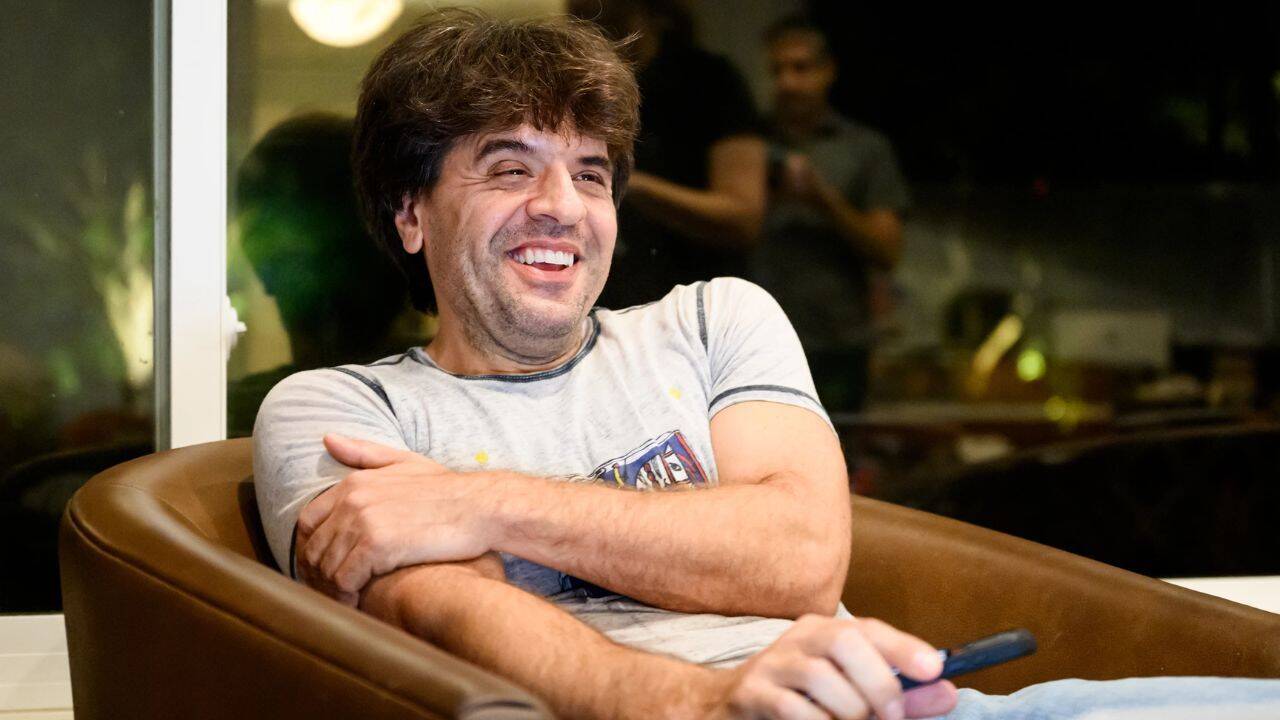
Photo via Toronto Star
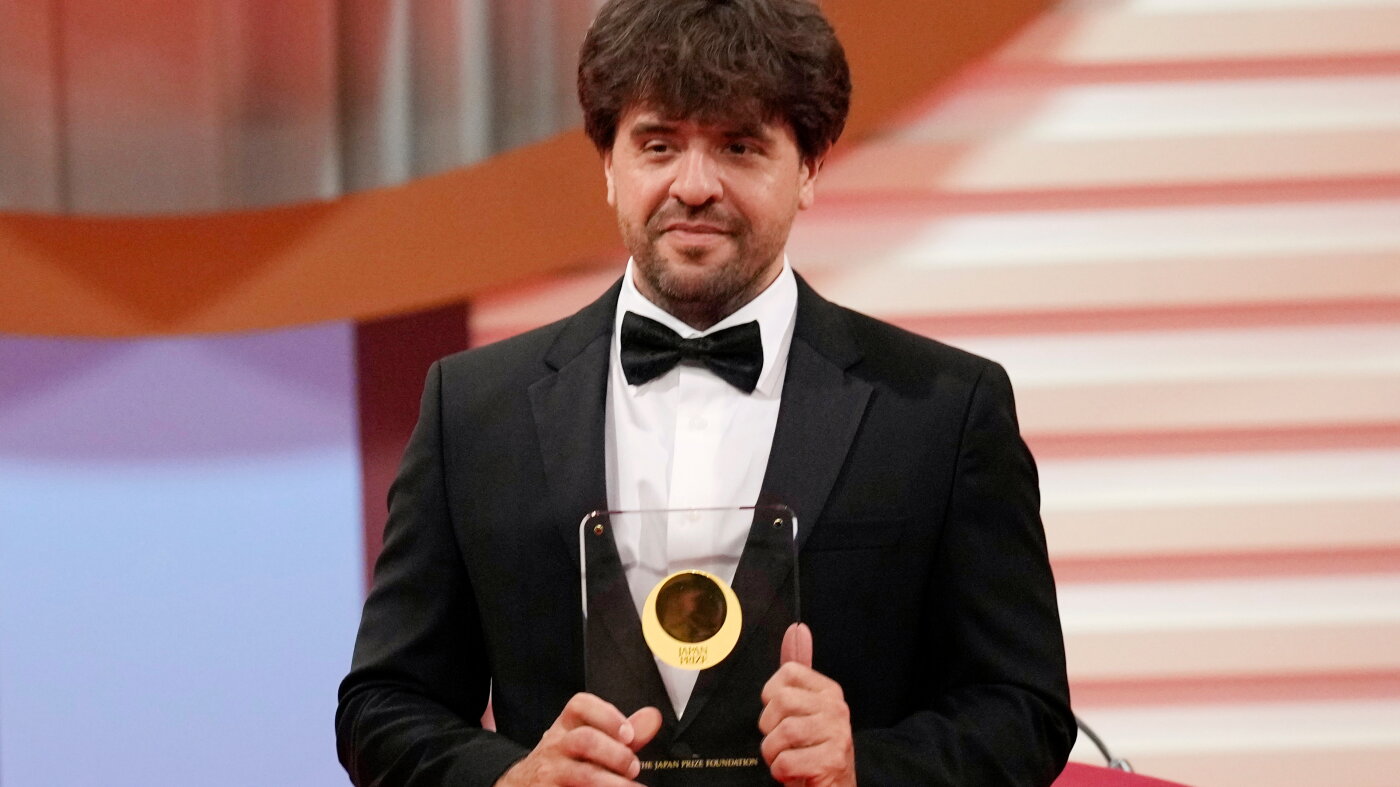
California scientist wins a Nobel Prize, then makes school lunches for his kids
Chea, T., Berger, N., & Ramakrishnan, A. (2026, October 5). California scientist wins a Nobel Prize, then makes school lunches for his kids. Toronto Star. https://www.thestar.com/news/world/europe/california-scientist-wins-a-nobel-prize-then-makes-school-lunches-for-his-kids/article_e2dc8f25-dedf-546f-847e-77b9650997cd.html
Chea, Terry, et al. “California scientist wins a Nobel Prize, then makes school lunches for his kids.” Toronto Star, 5 Oct. 2026, https://www.thestar.com/news/world/europe/california-scientist-wins-a-nobel-prize-then-makes-school-lunches-for-his-kids/article_e2dc8f25-dedf-546f-847e-77b9650997cd.html.
Chea, Terry, Noah Berger, and Adithi Ramakrishnan. “California scientist wins a Nobel Prize, then makes school lunches for his kids.” Toronto Star, October 5, 2026. https://www.thestar.com/news/world/europe/california-scientist-wins-a-nobel-prize-then-makes-school-lunches-for-his-kids/article_e2dc8f25-dedf-546f-847e-77b9650997cd.html.
Dated when The Aporia collected the article, usually within hours of publication. Check the original for its exact date and byline.
Toronto Star
· collected 2026-10-05 · by Terry Chea, Noah Berger, Adithi Ramakrishnan
Quick Summary
Dr. Karl Deisseroth, a scientist from California, received news early Monday that he won the Nobel Prize for medicine for his work on optogenetics. After handling numerous congratulatory calls and interviews throughout the morning, Dr. Deisseroth requested some time off to prepare school lunches for his children, who were still asleep at home in Stanford.
Written by AI on 2026-10-05,
from this article's own text only (the story summary below draws on all the coverage).
Dr. Karl Deisseroth, a scientist at Stanford University in California, won the 2026 Nobel Prize in Physiology or Medicine for his groundbreaking work in optogenetics. After receiving congratulatory calls from journalists and well-wishers during the early hours of Monday morning, October 5th, Dr. Deisseroth needed to take a break to make school lunches for his children who were asleep at home in Stanford. His research, which combines light with genes to control neurons in living brains, was recognized alongside German researchers Peter Hegemann and Georg Nagel, marking a significant advancement in brain science. Despite the accolades, Dr. Deisseroth prioritized his family responsibilities by preparing meals for his children before they headed off to school that morning.
Written for “Nobel Prize Winner Makes Lunch” on 2026-11-21,
grounded in this article and the 3 other(s) covering the same event.
How they differ
4 outlets covered “Nobel Prize Winner Makes Lunch”.
What each outlet says
One AI summary per outlet of its latest article on this story, written from that article alone and checked against it. Open the article for the outlet's own words.
Toronto StarThis outlet5 Oct
Dr. Karl Deisseroth, a scientist from California, received news early Monday that he won the Nobel Prize for medicine for his work on optogenetics. After handling numerous congratulatory calls and interviews throughout the morning, Dr. Deisseroth requested some time off to prepare school lunches for his children, who were still asleep at home in Stanford.
California scientist wins a Nobel Prize, then makes school lunches for his kids (this article)The Guardian7 Oct
Stanford University released a video showing Karl Deisseroth informing his family about winning the Nobel Prize in Medicine. After receiving congratulatory calls early Monday morning, Deisseroth paused to make lunches for his sleeping children at home in Stanford. The prize was awarded to Deisseroth and two German researchers for their contributions to optogenetics, which uses light and genes to control neurons in…
Dr. Karl Deisseroth, a scientist and physician, shared on The National how his children reacted with overwhelming excitement upon learning that he was awarded the 2026 Nobel Prize in Physiology or Medicine. The article focuses specifically on the emotional and joyful reaction of Dr. Deisseroth's kids to this significant achievement.
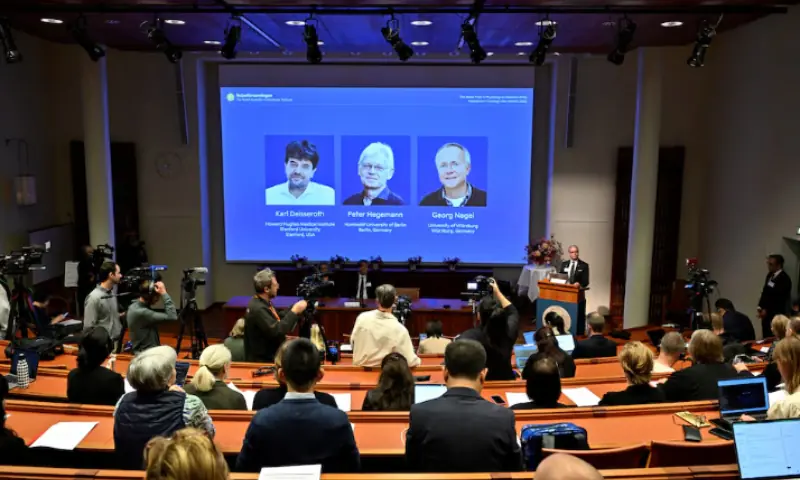
Stanford University professor Karl Deisseroth, who won the 2026 Nobel Prize in Physiology or Medicine along with German researchers Peter Hegemann and Georg Nagel for their work on optogenetics, paused his celebration to make lunch for his children. After receiving congratulatory calls early on October 5th, Deisseroth needed to attend to this daily family task as his children prepared for school. The article…
“While both articles report on Dr. Karl Deisseroth winning the Nobel Prize, Article B focuses specifically on an instance where he was making school lunches for his children after receiving the award, which is a distinct event from the actual awarding ceremony or announcement.”
“While both articles discuss Karl Deisseroth winning a Nobel Prize, Article B focuses on his personal life after the announcement, describing him making school lunches for his children, which is not mentioned in Article A.”
“While both articles report on Karl Deisseroth winning the Nobel Prize, Article B focuses on his personal life after receiving the news, which is a different specific occurrence.”
“While both articles discuss Karl Deisseroth winning the Nobel Prize for medicine, Article B focuses on a subsequent personal anecdote about making school lunches, which is not covered in Article A.”
“While both articles discuss Dr. Karl Deisseroth winning the Nobel Prize in Medicine, ARTICLE B focuses on a specific incident where he makes school lunches after receiving the news, while ARTICLE A does not mention this particular event.”
“While both articles report on Karl Deisseroth winning a Nobel Prize for his work, Article B focuses specifically on an incident after the prize announcement involving him making school lunches, which is not covered in Article A.”
“While both articles report on Dr. Karl Deisseroth winning the Nobel Prize, ARTICLE B focuses on a different aspect: his personal routine of making school lunches for his children after receiving the award.”
“While both articles discuss Karl Deisseroth winning a Nobel Prize for his work, ARTICLE B focuses on a specific incident of him making school lunches after receiving the news, while ARTICLE A is a broader report on the prize recipients.”
“While both articles discuss Dr. Karl Deisseroth winning a Nobel Prize for his work on optogenetics, Article B covers a different aspect of the event by focusing on his personal life and actions after receiving the news.”
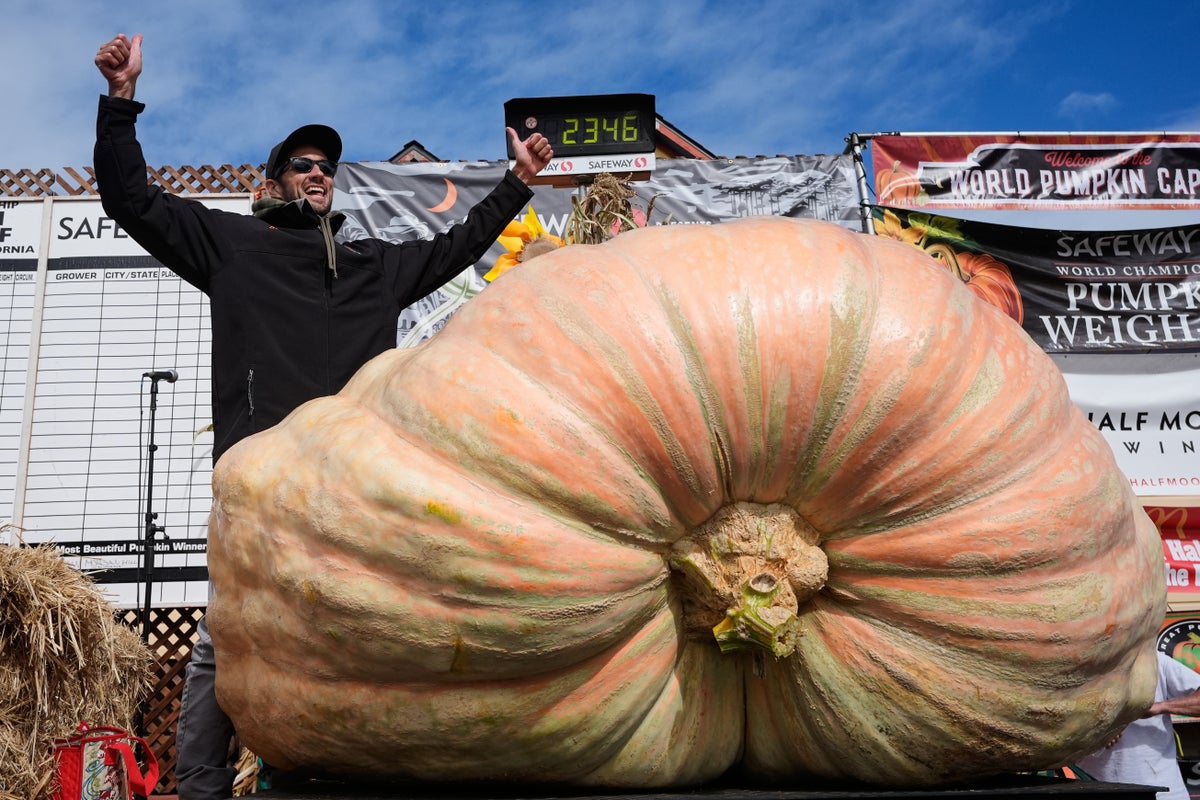
Growers of giant pumpkins and their colossal gourds will gather on Monday in Northern California for an annual weighing competition, vying for the top award and a chance to challenge a world record set just last week in England.
Growers of giant pumpkins and their colossal gourds will gather on Monday in Northern California for an annual weighing competition, vying for the top award and a chance to challenge a world record set just last week in England.
They can fade over the course of weeks to months, but if patches persist and spread, it could be a sign of acne, which dermatologists consider a medical condition.
Dr. Karl Deisseroth spent hours fielding congratulatory calls after learning early Monday that he had won a Nobel Prize for medicine for helping to open a new field of brain science called optogenetics.
asserted
he → spend → science
But it wasn’t long before the California scientist asked for a break from all the attention for a more ordinary task: He needed to make school lunches for his children, who were asleep in the family home in Stanford, where their father had been speaking in the middle of the night with journalists and well-wishers.
asserted
father → ask → journalists
Give feedback · no sign-in needed
No sign-in needed for now. Your note is sent without a name, so it cannot be answered.

 The Aporia