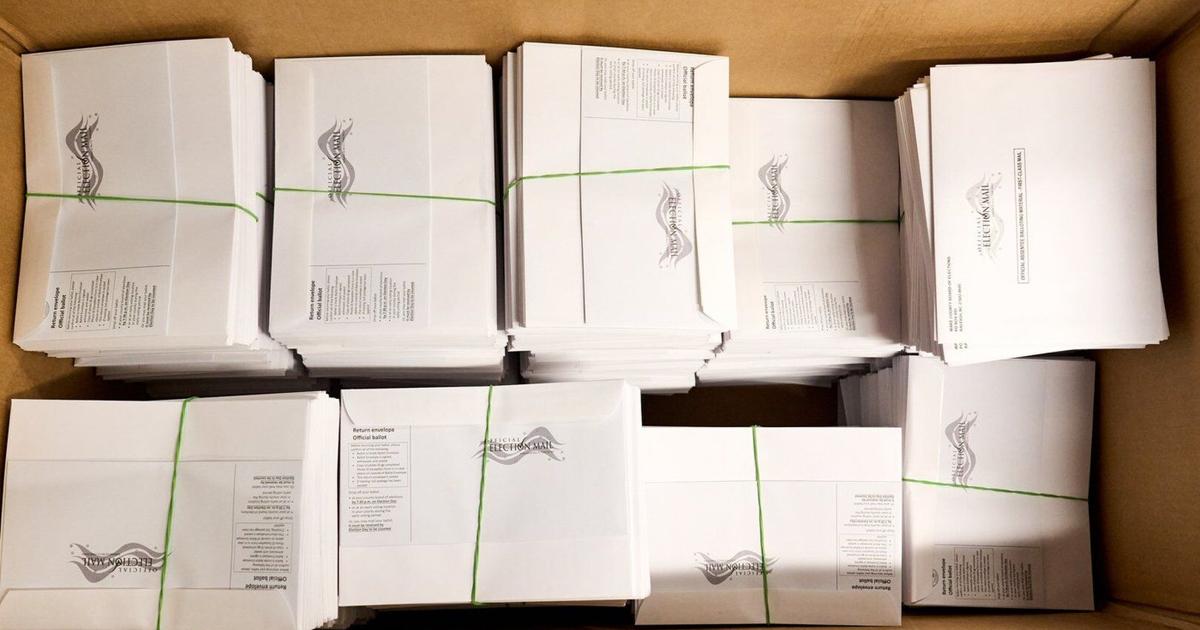
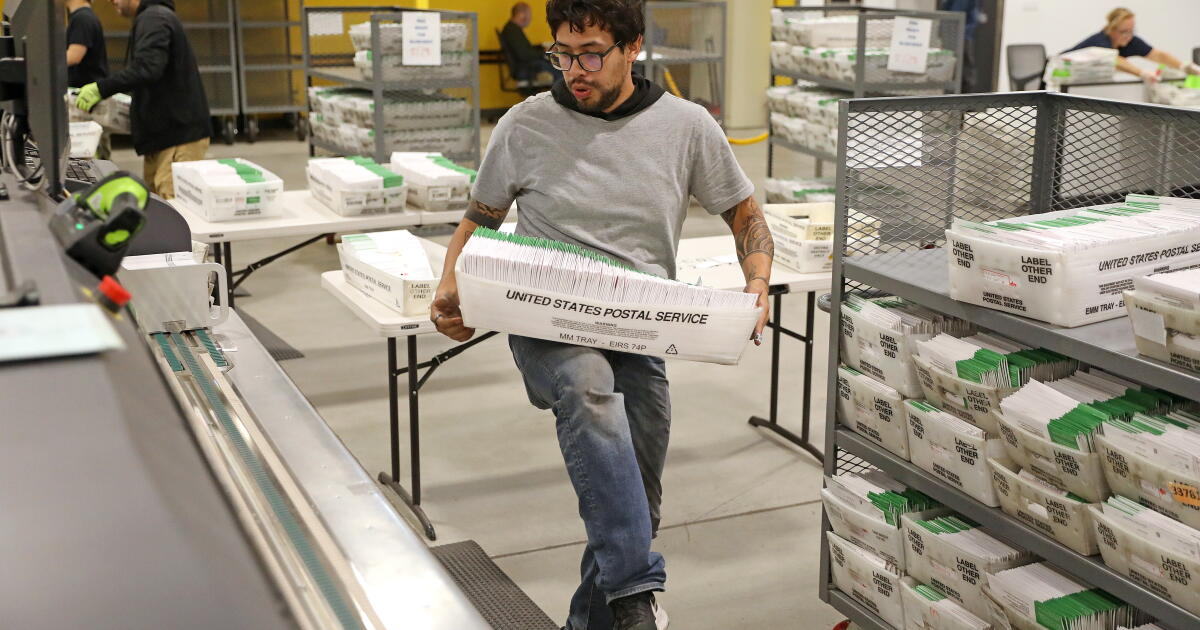
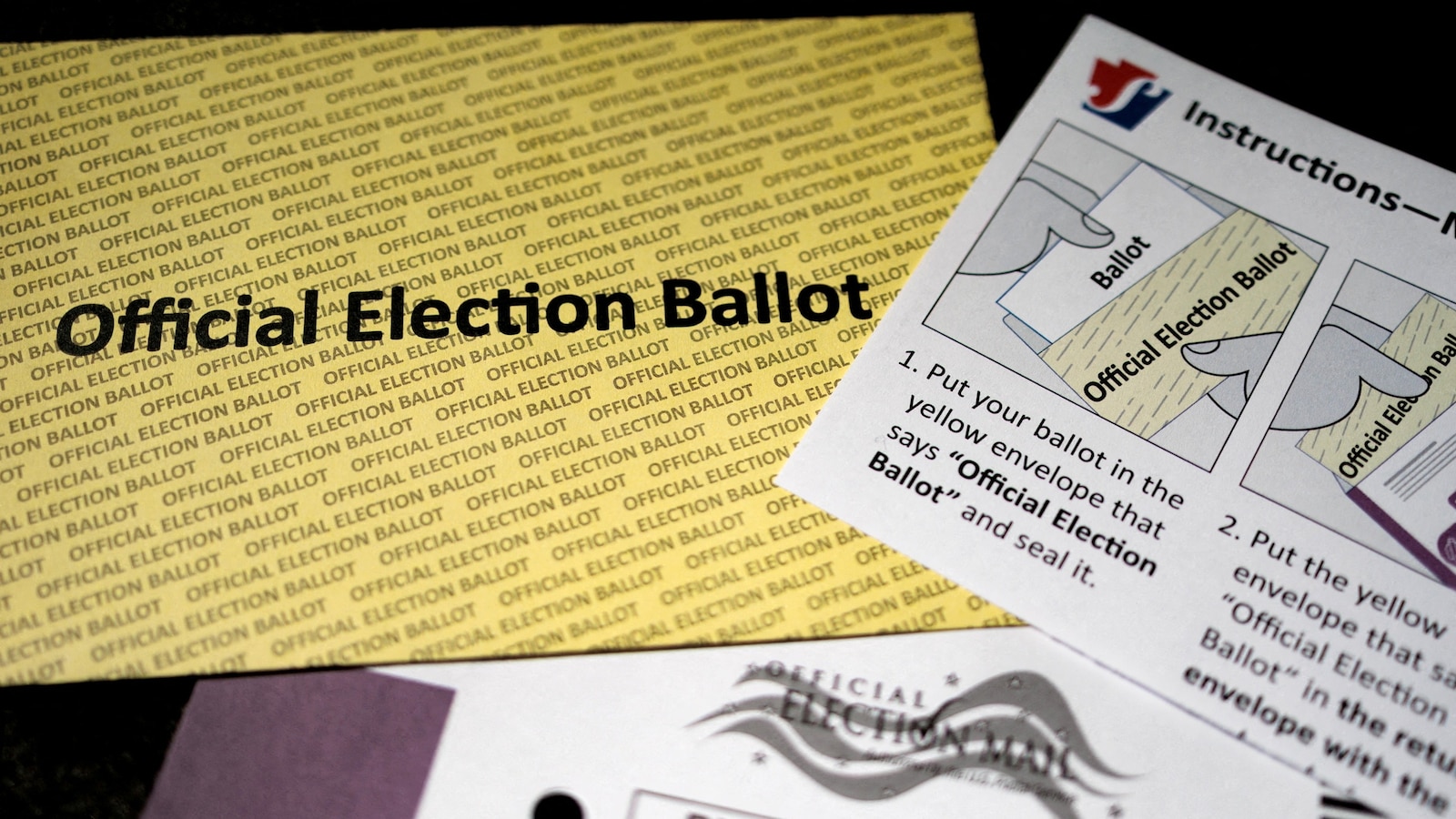
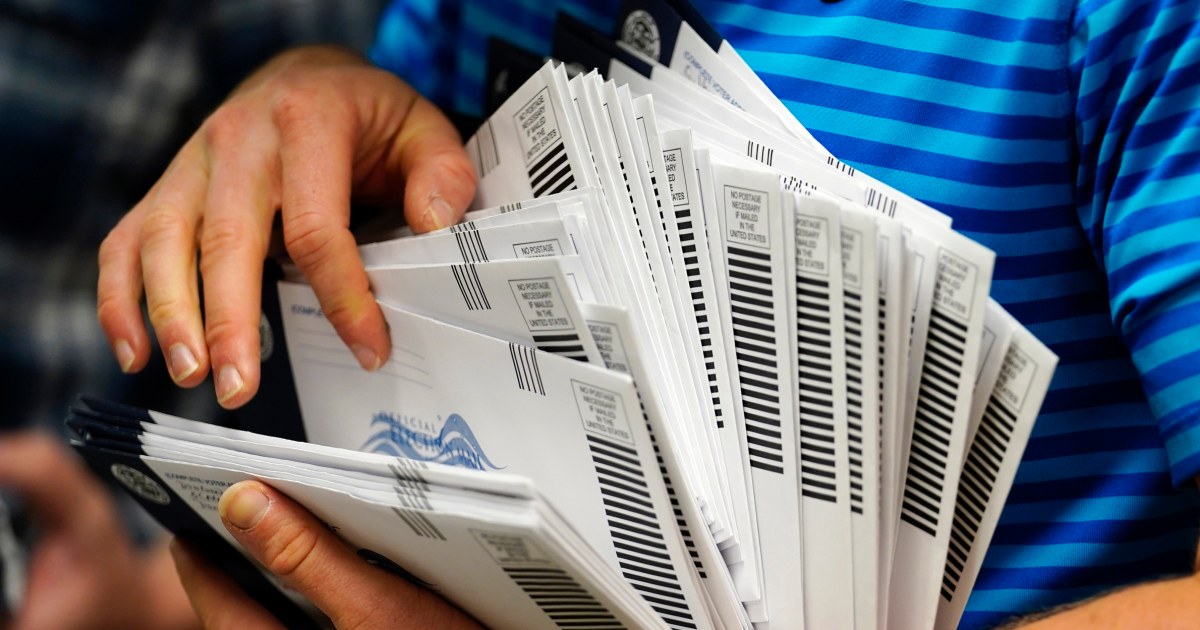
Photo via Letters from an American

September 5, 2026

Read the original at Letters from an American ↗
Cite

Richardson, H. C. (2026, September 6). September 5, 2026. Letters from an American. https://heathercoxrichardson.substack.com/p/september-5-2026

Dated when The Aporia collected the article, usually within hours of publication. Check the original for its exact date and byline.

Letters from an American · collected 2026-09-06 · by Heather Cox Richardson commentary

Quick Summary

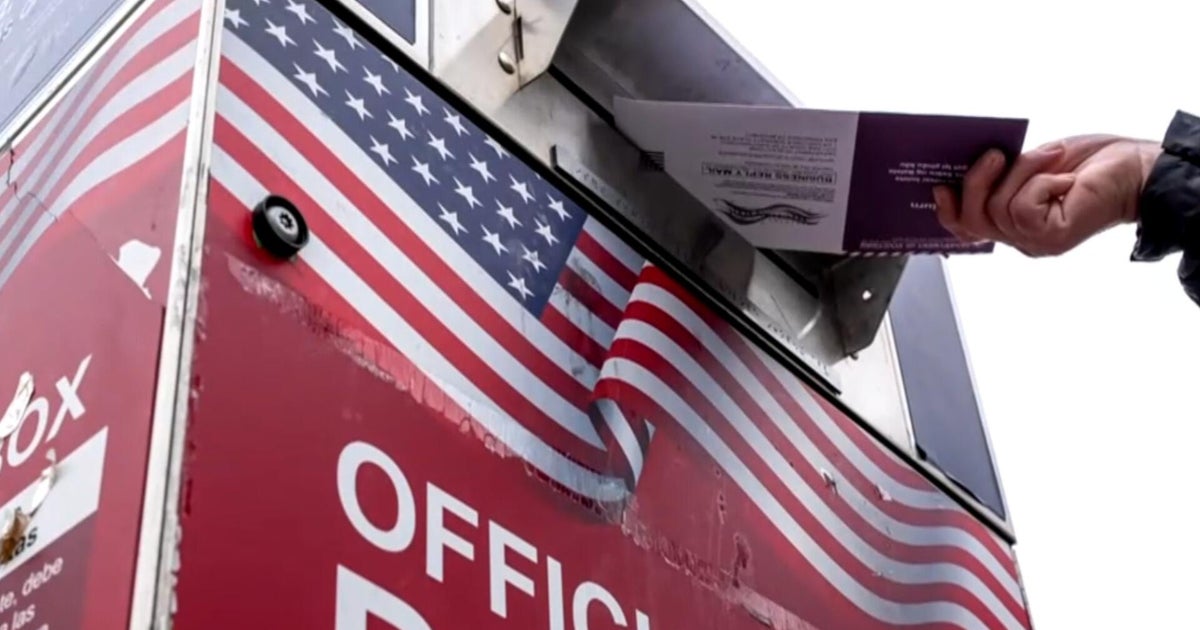
U.S. District Judge Indira Talwani blocked the Trump administration's plan to use the USPS to screen mail-in voters, calling it both illegal and unconstitutional. The lawsuit against the plan was brought by groups defending voting rights, including the League of Women Voters of Massachusetts and 24 states' Democratic attorneys general. The ruling affects millions of American citizens who could have been impacted by the plan. The Trump administration immediately requested permission to implement the rule despite Talwani's order.
Written by AI on 2026-09-06, from this article's own text only (the story summary below draws on all the coverage).
See how they differ ↓

AI analysis

Story summary

Here's a summary of the news story:

The Trump administration has been trying to implement new rules for mail-in voting, which would require states to provide lists of eligible voters to the US Postal Service (USPS) so that they can verify who receives mail-in ballots. However, this move has been met with opposition from states and election officials, who claim it would be "virtually impossible" to comply with these changes in time for the midterm elections.

A federal judge, Massachusetts District Judge Indira Talwani, issued a preliminary injunction on Friday evening blocking the new rules while a legal battle plays out. The Trump administration has already asked the Supreme Court for permission to push the changes through, but it's unclear if this will be allowed.

Meanwhile, North Carolina became the first state to start sending out mail-in ballots on Friday, despite the uncertainty over whether these new federal rules will be allowed to take effect and whether the USPS can implement them in time. Other states are expected to follow suit in the coming days and weeks.

There is also a whistleblower who has warned that there could be "potentially catastrophic problems" with the new system for handling mail-in ballots, which could lead to millions of ballots being undelivered.

Overall, the situation is uncertain and chaotic, with multiple lawsuits and legal battles playing out over these new rules.

Written for “Mail Voting Disputes with Trump” on 2026-11-20, grounded in this article and the 36 other(s) covering the same event.

How they differ

21 outlets covered “Mail Voting Disputes with Trump”.

What each outlet says

One AI summary per outlet of its latest article on this story, written from that article alone and checked against it. Open the article for the outlet's own words.

Letters from an AmericanThis outlet6 Sep

U.S. District Judge Indira Talwani blocked the Trump administration's plan to use the USPS to screen mail-in voters, calling it both illegal and unconstitutional. The lawsuit against the plan was brought by groups defending voting rights, including the League of Women Voters of Massachusetts and 24 states' Democratic attorneys general. The ruling affects millions of American citizens who could have been impacted by…

September 5, 2026 (this article)2 articles from Letters from an American on this story
The Guardian11 Sep

A US appeals court has rejected Donald Trump's bid to impose restrictions on mail-in voting before the November midterms, upholding an injunction issued by a lower court judge last week. The ruling blocks the US Postal Service from tightening rules around postal voting, which would have limited delivery of ballots to voters on approved lists. Three judges nominated by Joe Biden agreed that Trump does not have the…

US appeals court rejects Trump’s bid to restrict mail-in voting before midterms →5 articles from The Guardian on this story
Washington Examiner6 Sep

The Trump administration has appealed to the Supreme Court for the third time over a federal judge's block on mail-in ballot restrictions that were set to take effect before the midterm elections. The Department of Justice argues that the preliminary injunction, which was extended by Judge Indira Talwani on Friday, could cause "confusion and chaos" in the voting process. According to Solicitor General John Sauer…

Trump appeals to Supreme Court for third time over mail-in ballot restrictions →4 articles from Washington Examiner on this story
Los Angeles Times10 Sep

A coalition of 24 states led by California warned the US Supreme Court that implementing new USPS mail ballot rules proposed by President Trump would cause "chaos" and potentially disenfranchise millions of voters. The states argue that compliance with the rules, which include submitting voter lists and using bar-coded envelopes, is impossible ahead of the November election in some states. This could result in…

California, other states warn Supreme Court of 'chaos' if it lets USPS mail ballot rules stand →3 articles from Los Angeles Times on this story
NBC News6 Sep

The Trump administration has asked the Supreme Court for the third time to allow mail ballot restrictions to move forward, despite a federal judge blocking the plan just two days earlier. The rule, issued in March by President Donald Trump, would require states to upload voter information to an online portal and potentially reject ballots sent to or from voters not included in a federal database. U.S. District Judge…

Trump administration asks Supreme Court to allow mail ballot restrictions to move forward for a third time →3 articles from NBC News on this story
CBS News7 Sep

The Trump administration's appeal to the Supreme Court aims to limit mail ballots for the upcoming midterm elections. No specific numbers or details on the proposed restrictions are provided. The article reports that this is the second time the administration has asked the Supreme Court to intervene in mail ballot policies. Taurean Small is reporting live from Bridgewater, New Jersey, where he is traveling with…

Trump administration appeals to Supreme Court again to restrict mail ballots →3 articles from CBS News on this story
Show 15 more outlets
The Independent6 Sep

The Trump administration has filed its third appeal with the Supreme Court to allow new restrictions on mail ballots ahead of the midterm elections. The restrictions, which were blocked by a federal judge, would require states and local election officials to comply with certain Postal Service directives that have yet to be clarified. Solicitor General John Sauer argued in the filing that allowing the plan to move…

Trump asks Supreme Court to allow new mail ballot restrictions ahead of midterm elections →2 articles from The Independent on this story
Toronto Star6 Sep

The Trump administration has filed its third appeal with the Supreme Court to allow new restrictions on mail ballots ahead of the midterms, after a federal judge blocked the plan earlier this week. The restrictions were set to be enforced by the Postal Service for the November elections. Almost one-third of voters in the US cast mail ballots, making this issue crucial in the upcoming elections where control of…

Trump administration makes another appeal to the Supreme Court to allow mail ballot restrictions →2 articles from Toronto Star on this story
Zeteo31 Aug

The article reports on various events and actions taken by the Trump administration in the past week, as part of a broader pattern of undermining democracy and harming societies worldwide. The key numbers mentioned include over 1,000 stock trades made by President Trump in June, at least 227 deaths resulting from US military strikes since last year, and up to 200,000 visas that may be revoked by the Trump…

This Week in Democracy – Week 84: Trump Admin Plans Largest Visa Revocations in History as ICE Arrests Reach Record High →
ProPublica3 Sep

USPS officials expressed concerns that new mail voting rules could delay or block ballots for large numbers of eligible voters, but the rules were implemented anyway. The rules, which were directed by President Trump's March executive order, require states to provide USPS with a list of all eligible voters and use that information to track and potentially block ballots. A whistleblower has come forward warning that…

New Mail Voting Rules Moved Forward Despite USPS Officials’ Concerns About Mass Disenfranchisement →
NPR4 Sep

The Trump administration has asked the Supreme Court to lift a federal judge's restraining order blocking its plan to restrict mail-in voting, which includes requiring state election officials to provide lists of eligible voters to the USPS before it will deliver mail-in ballots. North Carolina is set to start mailing out absentee ballots today, marking the beginning of this year's midterm voting season. If the…

Trump asks SCOTUS to OK changes to mail-in ballots. And, diesel prices hit record high →
Euronews4 Sep

A federal judge's ruling that mail voting compliance is "practically impossible" has thrown the midterm election into disarray, with voters in North Carolina receiving their mail-in ballots on Friday despite Trump's push to limit the practice. The Trump administration has filed an emergency request with the Supreme Court to lift a lower court's block on an executive order that would restrict mail voting, which…

Trump presses Supreme Court to curb mail voting as ballots begin reaching Americans →
ABC News (US)4 Sep

The Trump administration has filed an emergency appeal with the Supreme Court to implement new U.S. Postal Service mail ballot rules for November, which would require states to submit voter information and use unique barcodes on ballots. The appeal comes after a federal judge temporarily blocked the rules, finding them likely unlawful and potentially disenfranchising millions of voters. A decision from the Supreme…

White House files another SCOTUS emergency appeal over USPS mail ballot rules →
The Straits Times4 Sep

The US midterm elections began on September 4 amidst confusion over President Donald Trump's plan to impose new restrictions on mail-in voting, which could delay or disqualify ballots due to a single barcode problem. A federal judge has blocked some of these restrictions, but Trump is seeking to revive them through the Supreme Court. As a result, voters and election officials are unclear about what rules will govern…

US midterm elections begin with chaos over mail-in voting crackdown →
The Hindu5 Sep

A federal judge has blocked the US Postal Service's attempt to impose stricter rules on mail-in voting ahead of congressional elections in November. Judge Indira Talwani, citing that only Congress can supersede state authority over elections, extended a temporary ban on the rule, which would have required states to provide unique barcodes for all ballots and allowed the USPS to refuse delivery of non-compliant…

U.S. Judge again blocks Postal Service’s mail-in voting restrictions →
Times of India6 Sep

US District Judge Indira Talwani has extended a preliminary injunction blocking President Donald Trump's executive order restricting mail-in voting, preventing the US Postal Service from implementing new procedures ahead of the November midterm elections. The ruling, which follows a lawsuit by 24 state attorneys general, states that implementing the new system would lead to "significant disenfranchisement" of…

Indian-American judge extends block on Trump’s mail-voting curbs ahead of midterm polls →
UPI6 Sep

The Trump administration has asked the Supreme Court for a third time to allow new U.S. Postal Service rules governing mail-in voting to take effect before November's midterm elections. The proposed rules would require states to report qualified voters to the USPS and implement a new ballot envelope design, with potential penalties for non-compliance. A federal judge in Boston has already indefinitely paused the…

Trump administration asks Supreme Court for third time to allow mail-in voting rules →
Al Jazeera6 Sep

The Trump administration has appealed again to the US Supreme Court to allow restrictions on mail-in voting ahead of the midterms in November. The court will consider whether the Postal Service can track and potentially reject mail-in ballots, despite a federal judge's ruling that such moves are likely unconstitutional. According to the Trump administration, their executive order imposes "modest" requirements for…

Trump administration appeals again to US Supreme Court over mail-in voting →
Fox News6 Sep

The Trump administration filed a new appeal with the Supreme Court on Sunday seeking to enforce restrictions on mail ballots, which includes requirements such as using official Election Mail logos and unique barcodes on envelopes. The filing asks the court to stay a preliminary injunction issued by U.S. District Judge Indira Talwani that prevents the Postal Service from enforcing these requirements. The…

Trump admin’s mail-in ballot fight lands back at Supreme Court →
The Dispatch9 Sep

The Trump administration has filed its third appeal with the Supreme Court in less than six weeks to implement a rule allowing the US Postal Service (USPS) to oversee mail ballots, targeting blue states that are opposing it. The disputed USPS list-matching rule would allegedly help with election integrity, but according to this article, such claims are unfounded. No specific numbers or data are cited to support the…

A Mail Voting Fight About Nothing →
Reason11 Sep

A unanimous panel of the US Court of Appeals for the First Circuit has rejected the Trump Administration's motion to stay an injunction blocking implementation of a rule limiting mail-in voting in federal elections. The ruling upheld a district court's determination that the Postal Service rule implementing Trump's order is likely unlawful under the Constitution, which gives states primary authority over election…

First Circuit Refuses to Stay District Court Injunction Against Trump's Executive Order on Mail-In Voting →

Where they agree and split

Agreed

AI · cited, from two or more outlets

  • A federal judge extended the block on Trump's executive order regarding mail-in ballots.23
  • The new rules require states to provide lists of eligible voters for mail ballots and allow USPS to track and potentially reject ballots not included in a federal database.15
Quoted from the coverage (4)

The battle could have major ramifications for this year’s elections, when control of Congress is at stake.

5 outlets

Democratic states and voting rights groups say the changes are unconstitutional.

5 outlets

The filing marks the third time the administration has asked the Supreme Court to intervene in the dispute.

5 outlets

The action comes a day after the Trump administration asked the Supreme Court to override a temporary order issued by Talwani last week halting the rule.

4 outlets

Disputed

Picked by our model, which is sometimes wrong

  • ProPublica reports that the new rules could disenfranchise millions of eligible voters, while Fox News argues allowing the injunction to remain risks 'sowing confusion and chaos'.16

Framing

How the first headlines put it

  • ProPublica highlights USPS officials' concerns about disenfranchisement, whereas NPR includes information on diesel prices in its headline.14
  • The Toronto Star focuses on the federal judge's extension of the block, while Fox News emphasizes the Trump administration’s appeal to the Supreme Court.26
Words to watch (3)

California, other states warn Supreme Court of 'chaos' if it lets USPS mail ballot rules stand Los Angeles Times

First Circuit Refuses to Stay District Court Injunction Against Trump's Executive Order on Mail-In Voting Reason

US midterm elections begin with chaos over mail-in voting crackdown The Straits Times

The full story: what happened, how it changed, and all 37 articles →

Compared with similar articles

This article reads leans left and hedges 8% of its claims. Each row says how that neighbour differs.
ProPublica
Leans strongly left further left than this Hedges 7 of 38 claims Outlet record 59/100
September 3, 2026 Same event
Letters from an American
Leans strongly left further left than this Hedges 5 of 40 claims
The Independent
Hedges 4 of 22 claims Outlet record 59/100
Toronto Star
Leans left Hedges 0 of 2 claims Outlet record 64/100
The Guardian
Leans left Hedges 1 of 31 claims Outlet record 64/100
Los Angeles Times
Leans right further right than this Hedges 7 of 46 claims Outlet record 95/100
ABC News (US)
Leans left Hedges 1 of 15 claims Outlet record 67/100
NBC News
Leans strongly left further left than this Hedges 2 of 25 claims Outlet record 78/100
CBS News
Leans strongly left further left than this Hedges 2 of 23 claims Outlet record 67/100
The Hindu
Leans strongly left further left than this Hedges 4 of 25 claims Outlet record 60/100

Story

Mail Voting Disputes with Trump
Politics · 37 article(s) covering the same event. Compare every outlet's account →
How this article was measured signals, leaning charts, publisher record, byline, topics and claims

Signals How these are calculated →

Claims extracted
52
sentences that state something as happening or true
Uncertain
8%
4 of 52 hedged ("reportedly", "may", "according to")
Leaning
Leans left
expected in commentary, which argues a position · beta estimate
Publisher signals
not measured
these signals count newsroom corrections; Commentary has none to count
Outlets on this story
37
Politics
Same framing elsewhere
1
articles that frame the event the way this one does
Analyzed 2026-09-06 · how these are computed

How this is being covered How these are calculated →

Article leaning vs. publisher reliability
Source leaning vs. consistency

Publisher

Letters from an American · 160 article(s) · 0 correction(s) detected
No corrections detected for this publisher. That may mean careful reporting, or simply that nothing has been checked.

Who wrote this

Heather Cox Richardson
139 article(s) here · 1 carrying a prediction
Democrats who will soon be at the head of congressional committees are indicating to members of the administration that they will soon be answering questions about their actions during the past two years.
2026-11-20 · assertive framing · November 19, 2026
“We would have never went if the airlines—if the airways—weren’t completely open.
2026-11-18 · assertive framing · November 17, 2026
Huang has made it clear that he thinks Nvidia should be able to sell advanced AI chips to everyone, including China, with the argument that such sales will make the rest of the world dependent on American technology.
2026-11-17 · assertive framing · November 16, 2026
But on the day he took office, Trump issued an executive order that could freeze all disbursements of money under the Bipartisan Infrastructure Law, an order that Carson, along with 153 other House Democrats, opposed.
2026-11-16 · assertive framing · November 15, 2026
On Monday, November 9, White House counsel Will Scharf, the top lawyer in the White House, sent a letter to Representative Robert Garcia (D-CA), who is expected to take over the House Oversight Committee, warning that the Democrat’s promise to investigate the actions of the Trump administration “may cross the line into blatant criminality.”
2026-11-14 · assertive framing · November 13, 2026
I am not telling you your opinion is wrong; I am suggesting your opinion appears to be missing a key factor—public opinion is king, and I fear many will not be honest with you and call this out.
2026-11-14 · assertive framing · Politics Chat, November 13, 2026
Because jurors were drawn from voting lists, being purged from them meant Black Americans couldn’t sit on juries, either.
2026-11-13 · assertive framing · November 12, 2026
After the unfortunate results of the recent Midterm Elections, The MAGA movement took a blow, but I will not falter….
2026-11-12 · assertive framing · November 11, 2026
While the Democrats will remain in the minority in Congress until January, they are making it clear they intend to hit the ground running.
2026-11-11 · assertive framing · November 10, 2026
In another post he suggested just what that “worse” might be.
2026-11-09 · assertive framing · November 8, 2026
Also by Heather Cox Richardson
November 19, 2026
2026-11-20 · Letters from an American
Politics Chat, November 19, 2026
2026-11-20 · Letters from an American
November 17, 2026
2026-11-18 · Letters from an American
Politics Chat, November 17, 2026
2026-11-18 · Letters from an American
Nothing else under this byline is closely related to this article, so these are simply their most recent.
All 139 articles by Heather Cox Richardson →

Topics

Congress Iran U.S. the District of Massachusetts the United States Postal Service

Subjects

U.S. GPE · 8× Trump PERSON · 6× Talwani ORG · 5× Congress ORG · 3× Iran GPE · 3× the New York Times ORG · 2× Indira Talwani PERSON · 1× USPS ORG · 1× the District of Massachusetts GPE · 1× the United States Postal Service ORG · 1×

Narrative

Jonathan Swan, Adam Entous, Maggie Haberman, and Eric Schmitt of the New York Times reported on Friday that although Trump and members of the administration insist that reports of a shortage of crucial munitions are a lie, government investigators forced about 50 members of the U.S. military’s Joint Staff—about 2,000 officials who coordinate operations and policy with commanders around the world—to take lie detector tests to determine if they had been the source of the leaks to journalists.
framing: assertive · carried by 1 article(s) · first seen 2026-09-06
According to officials who spoke with the reporters, the deal could mean moving as much as $2 billion from the National Institute of Allergy and Infectious Diseases—roughly one-third the budget of the agency Dr. Anthony Fauci used to run—to the Pentagon.
2026-09-06 · Letters from an American
September 5, 2026 · assertive framing

Claims (52 extracted, 4 hedged)

Events of Friday, September 4, showed the Trump administration in a nutshell. asserted
Events → show → nutshell
U.S. District Judge Indira Talwani of the District of Massachusetts blocked Trump’s plan to use the United States Postal Service to screen mail-in voters. asserted
Talwani → block → voters
Referring to the final rule the USPS is trying to put into place, Talwani wrote: “Unauthorized by the Elections Clause, the Final Rule clashes with Congress’s statutory scheme, and is unconstitutional where it intrudes not only on Congress’s Elections Clause powers but also that power left to the States.” asserted
it → refer → States
As Jacob Knutson and Jim Saksa of Democracy Docket reported, Talwani was responding to a lawsuit over the plan brought by groups defending the right to vote, including the League of Women Voters of Massachusetts and Democratic attorneys general from 24 states and the District of Columbia. asserted
Talwani → report → Columbia
Talwani agreed that the rule threatens the voting rights of millions of American citizens. asserted
rule → agree → citizens
Hours after Judge Talwani’s order, the Trump administration asked U.S. District Judge Carl Nichols to permit the rule to go into effect, claiming it simply “imposes modest informational requirements on senders of outbound federal ballot mailings.” asserted
it → ask → mailings
Contradicting Talwani, the Department of Justice lawyers claimed: “The Rule does not displace a single State election law. asserted
Rule → contradict → law
And it need not and should not prevent a single voter from voting by mail.” asserted
it → prevent → mail
Meanwhile, a day after Interior Secretary Doug Burgum announced the administration was starting work on the 250-foot (76-meter) triumphal arch Trump wants in Washington, D.C., U.S. District Judge Tanya Chutkan ordered the administration to give the court at least 48 hours’ notice before doing anything except dig pits to identify cultural artifacts at the site. asserted
Chutkan → announce → site
She noted that in April the administration agreed to provide 14 days’ notice before any construction started, an agreement ordered by the court. asserted
construction → note → court
Burgum’s announcement suggested the administration is pushing the project forward without going through any of the required permitting or obeying the law that requires Congress to pass a law allowing another memorial in the protected area of Washington, D.C., known as Area I. Questioned about the war in Iran, Trump told reporters in the Oval Office on Friday that it is actually not a war but “a military conflict because it’s small potatoes for us.” uncertain
it → suggest → us
He compared the Iran war, which is in its sixth month without congressional authorization of any sort and has taken the lives of 18 U.S. service members, to the much longer Vietnam War which he claimed took more than 100,000 service members’ lives (the Department of Defense says the actual number was 58,220). asserted
number → compare → Defense
Trump also denied that military personnel are seeing record long deployments, and insisted that the U.S. controls the Strait of Hormuz. asserted
U.S. → deny → Hormuz
He turned back to the argument that the war was to prevent Iran from obtaining a nuclear weapon, although those discussions now appear to be off the table as the U.S. tries to reopen the Strait of Hormuz. asserted
U.S. → turn → Hormuz
Jonathan Swan, Adam Entous, Maggie Haberman, and Eric Schmitt of the New York Times reported on Friday that although Trump and members of the administration insist that reports of a shortage of crucial munitions are a lie, government investigators forced about 50 members of the U.S. military’s Joint Staff—about 2,000 officials who coordinate operations and policy with commanders around the world—to take lie detector tests to determine if they had been the source of the leaks to journalists. asserted
they → report → journalists
The journalists note that such a proceeding is unprecedented and comes as Hegseth works harder and harder to control information coming from the Pentagon. asserted
Hegseth → note → Pentagon
“Mass polygraph tests have never been administered to the top ranks of the U.S. military in modern history,” they write. asserted
they → administer → history
Also on Friday, Catie Edmondson and Carolyn Y. Johnson reported in the New York Times that the Defense Department and the National Institutes of Health have signed an agreement providing a framework to collaborate on biodefense and pandemic preparedness. asserted
Department → report → preparedness
According to officials who spoke with the reporters, the deal could mean moving as much as $2 billion from the National Institute of Allergy and Infectious Diseases—roughly one-third the budget of the agency Dr. Anthony Fauci used to run—to the Pentagon. uncertain
Fauci → accord → Pentagon
Amidst reports that the Navy has run out of money, Defense Secretary Pete Hegseth has been trying unsuccessfully to push through Congress a short-term injection of $350 billion on top of the additional $150 billion congressional Republicans gave the Pentagon last year. asserted
Republicans → run → billion
Senator Patty Murray of Washington, the top Democrat on the Senate Appropriations Committee, accused the Defense Department of “trying to rob N.I.H. of billions of dollars that Congress provided for medical research so that it can pad the Pentagon’s budget.” asserted
it → accuse → budget
NIH director Dr. Jay Bhattacharya appeared to confirm the agreement when he posted on social media that “far from siphoning money away from research, this partnership between [NIH] and [the Defense Department] focuses on research projects that will drive discoveries to improve the health of American citizens and members of the military.” asserted
that → appear → military
In the White House on Friday, Trump appeared to misunderstand not only that since World War II trade has made the United States wealthy, but also the concept of trade itself. asserted
States → appear → trade
“We could do tremendous good for ourselves by just not trading with other countries,” he said. uncertain
We → do → countries
“We lose with Mexico $195 billion a year. asserted
We → lose → billion
They have nothing that we have to have, I mean, hot tamales, tomatoes, a couple of things.” asserted
I → have → things
Aside from the fact the U.S. imports machinery, agricultural products, vehicles, auto parts, electronics, and so on from Mexico, readers on social media noted: “The trade deficit is not a debt, it does not represent losing money to the other country. asserted
it → import → country
It means more goods were imported from it than exported to it. asserted
goods → mean → it
Why has to do with many factors, mainly the United States has more highly paid, skilled, and educated service workers. asserted
States → have → workers
On Friday, the White House debuted computer games on the official White House website. asserted
House → debut → website
The “games” are ripoffs of older games like Snake, this one with a white man in a suit picking up Black, Asian, and Latino men and putting them in orange jumpsuits. asserted
man → pick → jumpsuits
There was also apparently one ripping off Tetris, which was apparently about building Trump’s wall, but it disappeared as the real Tetris posted: “At Tetris we believe in the power of connection and bringing people together, not dividing them. asserted
we → be → them
To our fans everywhere: we love you, we see you, and we’re grateful to have you in our community. asserted
we → love → community
“P.S. The Tetris Company was not involved in the creation of ‘Build the Wall’. asserted
Company → involve → Wall
“P.P.S. We take copyright infringement very seriously.” asserted
We → take → infringement
On Friday, September 4, the administration also reiterated its determination to roll back environmental protections, proposing a new rule that would end protections against pollution and industrial impacts for a significant number of streams and wetlands. asserted
that → reiterate → streams
As Zahra Hirji of Bloomberg reported, the Environmental Protection Agency and the U.S. Army Corps of Engineers proposed redefining which bodies of water would qualify for federal protection. asserted
bodies → report → protection
Also on Friday, the United Nations General Assembly voted 164–1, with six countries abstaining, for a resolution changing the world map to more accurately reflect the sizes of the continents. asserted
countries → vote → continents
As Jewel Bright of NPR reports, the commonly-used Mercator projection, created by Flemish cartographer Gerardus Mercator in 1569, was designed to enable navigators to plot courses on the straight lines of compass bearings. asserted
projection → report → bearings
It distorts the size of landmasses, making the ones closest to the poles disproportionately large, while areas close to the Equator—like Africa—are shown as significantly smaller than they really are. asserted
they → distort → Africa
…and 12 more, not listed.

Give feedback · no sign-in needed

No sign-in needed for now. Your note is sent without a name, so it cannot be answered.

History Support