That is 0 articles you have read today.
The Aporia is free and carries no advertising, so readers are the only
thing paying for it. If you are getting this much out of it, a small
donation is what keeps it independent.
You have read 0 articles today.
That is more than the 15 a day The Aporia gives away,
and well past what it can carry on nothing. Your allowance resets at
midnight.
There is no advertising here and nothing about you is sold, so readers
are the only thing paying for it. If the site is worth this much of
your day, it is worth a few dollars.
Everything else stays open: the front page, the
directory and search do
not count against this, and neither does re-opening something you have
already read today.
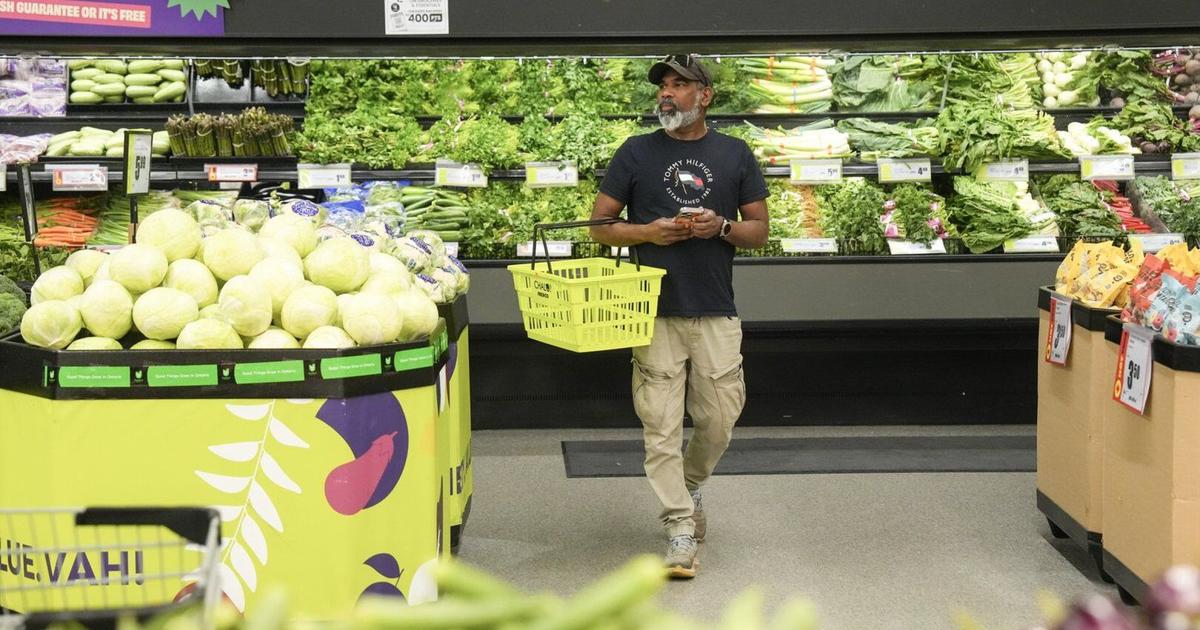
Photo via Toronto Star
Competition Bureau investigates minimum advertised pricing policies in grocery sector
Bundale, B. (2026, September 28). Competition Bureau investigates minimum advertised pricing policies in grocery sector. Toronto Star. https://www.thestar.com/business/competition-bureau-investigates-minimum-advertised-pricing-policies-in-grocery-sector/article_5a827f95-917a-58a2-9060-ba1f8ea66e72.html
Bundale, Brett. “Competition Bureau investigates minimum advertised pricing policies in grocery sector.” Toronto Star, 28 Sept. 2026, https://www.thestar.com/business/competition-bureau-investigates-minimum-advertised-pricing-policies-in-grocery-sector/article_5a827f95-917a-58a2-9060-ba1f8ea66e72.html.
Bundale, Brett. “Competition Bureau investigates minimum advertised pricing policies in grocery sector.” Toronto Star, September 28, 2026. https://www.thestar.com/business/competition-bureau-investigates-minimum-advertised-pricing-policies-in-grocery-sector/article_5a827f95-917a-58a2-9060-ba1f8ea66e72.html.
Dated when The Aporia collected the article, usually within hours of publication. Check the original for its exact date and byline.
Toronto Star
· collected 2026-09-28 · by Brett Bundale
Quick Summary
The Competition Bureau has started an investigation into minimum advertised pricing policies used by grocery stores in Canada. These policies restrict retailers from advertising their lowest prices, which the bureau is examining to determine if they hinder price competition, create entry barriers for new and discount grocers, and facilitate price coordination among existing grocers.
Written by AI on 2026-09-28,
from this article's own text only (the story summary below draws on all the coverage).
The Competition Bureau has launched an investigation into minimum advertised pricing policies in Canada's grocery sector. These policies prevent retailers from advertising their lowest prices, which could make it harder for Canadians to find deals and reduce price competition among grocers. The watchdog is also concerned that these policies create barriers for discount and new grocers while making it easier for existing grocers to co-ordinate prices. Jeanne Pratt, the interim commissioner of the Competition Bureau, stated that Canadians expect grocery stores to be able to advertise their best deals and that preventing this could impact food affordability at a time when it remains an important concern for consumers.
Written for “Grocery Sector Pricing Investigation” on 2026-11-22,
grounded in this article and the 1 other(s) covering the same event.
One AI summary per outlet of its latest article on this story, written from that article alone and checked against it. Open the article for the outlet's own words.
Toronto StarThis outlet28 Sep
The Competition Bureau has started an investigation into minimum advertised pricing policies used by grocery stores in Canada. These policies restrict retailers from advertising their lowest prices, which the bureau is examining to determine if they hinder price competition, create entry barriers for new and discount grocers, and facilitate price coordination among existing grocers.
Competition Bureau investigates minimum advertised pricing policies in grocery sector (this article)Global News28 Sep
The Competition Bureau has started investigating minimum advertised pricing policies used by grocery stores, which restrict retailers from advertising their lowest prices. Jeanne Pratt, interim commissioner, expressed concern that these policies could hinder price competition and consumer access to lower prices at a time when food affordability is a significant issue for Canadians. The bureau seeks evidence from…
“While both articles discuss investigations by the Competition Bureau into the grocery sector, Article A focuses on a broader investigation including various aspects of competition and pricing policies, while Article B specifically mentions an investigation into minimum advertised pricing policies.”
“While both articles discuss investigations by the Competition Bureau related to grocery sector pricing practices, they describe different aspects and stages of the investigation.”
“As a result of that review, a number of regional and area-level activities, training opportunities, and support functions will be deferred, paused, or cancelled for the remainder of the fiscal year.”
Canada’s inflation rate is expected to remain elevated when new figures are released next week, but economists are divided over whether rising energy costs will fuel broader price increases.
The head of Canada’s aluminum industry says the U.S. midterm election results could mark a turning point in the trade dispute between Canada and the United States.
Goncalves says the number of layoffs “was never 500” but is rather 175, despite an internal Stelco letter to employees on Sept. 28 warning that up to 500 workers at Hamilton Works and Lake Erie Works in Nanticoke, Ont., could be affected.
If the company fails to comply, she said the federal government may apply to a superior court for remedies including an order requiring Cleveland-Cliffs to divest control of Stelco.
Poilievre announced the plan Friday in Burlington, Ont., overlooking Stelco’s Hamilton operations across the harbour, where layoffs began this week after the Cleveland-Cliffs-owned steelmaker announced up to 500 workers could be laid off.
If the company does not respond to the federal government's demand for a plan outlining how it will meet all of its commitments, including maintaining more than 1,500 jobs, Ottawa will pursue enforcement action, Joly said.
Business lawyer Nassira El Hadri said Wednesday the company’s plan to cut up to 500 workers at its Hamilton and Lake Erie facilities in Ontario could prompt legal action.
The Competition Bureau has launched an investigation into the use of minimum advertised pricing policies in the grocery sector, rules that can prevent retailers from advertising their lowest prices.
asserted
that → launch → prices
The watchdog is examining whether these policies make it harder for Canadians to find deals, reduce price competition, create barriers for discount and new grocers, and make it easier for grocers to co-ordinate prices.
asserted
grocers → examine → prices
Give feedback · no sign-in needed
No sign-in needed for now. Your note is sent without a name, so it cannot be answered.

 The Aporia