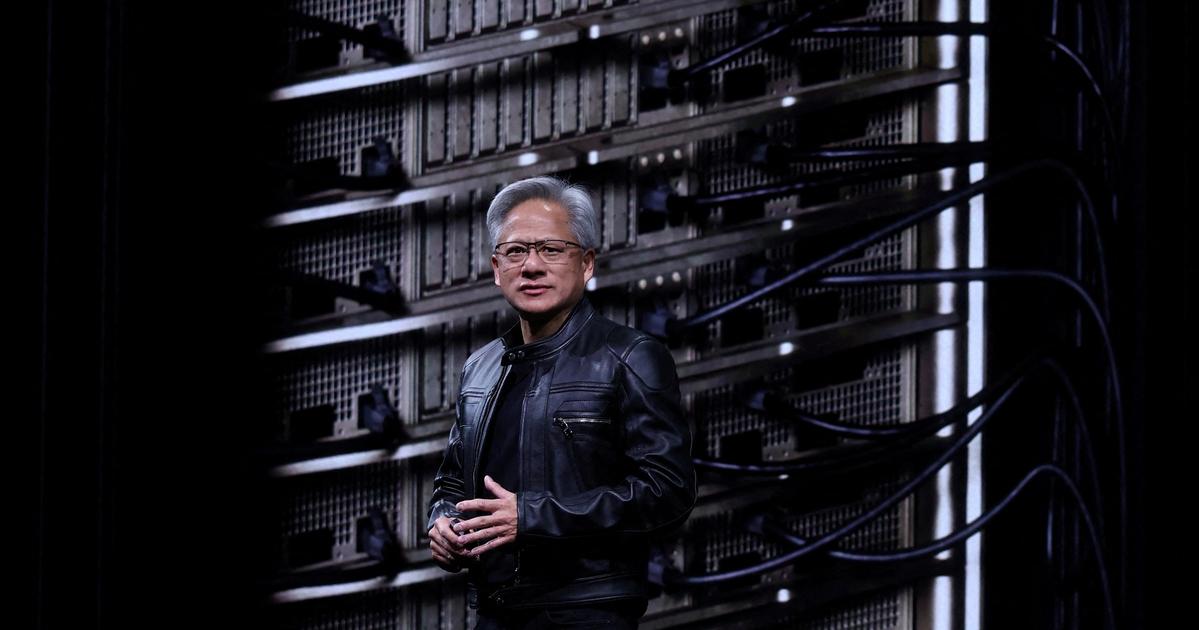
Photo via Semafor

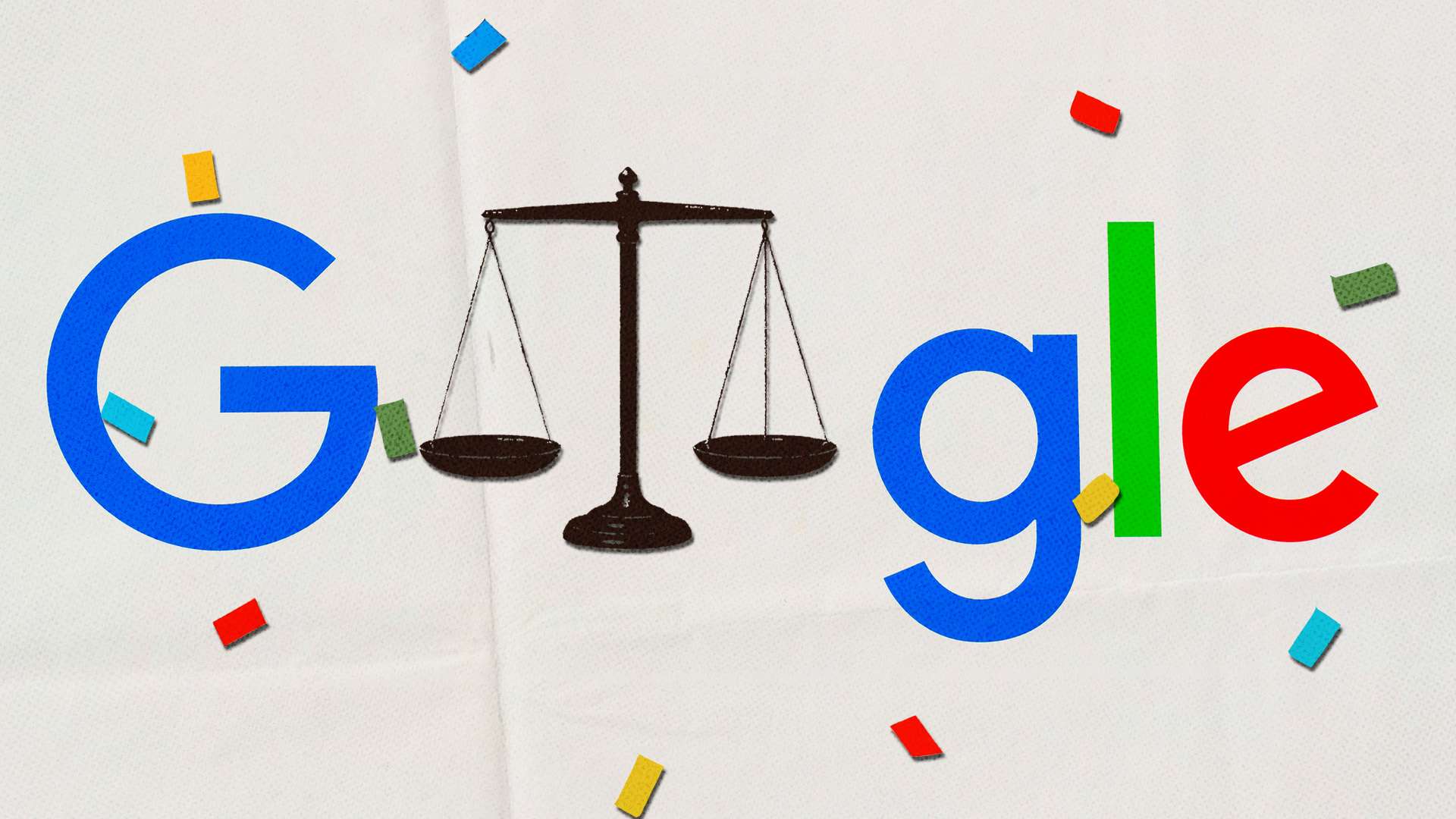
Breaking up Google could have handed more power to other monopolies

Read the original at Semafor ↗
Cite

Albergotti, R. (2026, September 4). Breaking up Google could have handed more power to other monopolies. Semafor. https://www.semafor.com/article/09/04/2026/breaking-up-google-could-have-handed-more-power-to-other-monopolies

Dated when The Aporia collected the article, usually within hours of publication. Check the original for its exact date and byline.

Semafor · collected 2026-09-04 · by Reed Albergotti

Quick Summary

Antitrust advocates are criticizing the decision not to break up Google after it was found guilty of violating antitrust law with its advertising business, arguing that breaking up one company can create or reinforce monopolistic power elsewhere. The article cites a 2012 case where the Department of Justice sued Apple and book publishers for collusion, but ultimately allowed Amazon to dominate the market, leading to higher consumer prices and fewer bookstores. If Google were broken up, other companies like Apple could gain even more power, particularly in the smartphone market. The author suggests that investing in university research and supporting new startups through tax incentives and grants is a better way to promote competition in the tech industry.
Written by AI on 2026-09-04, from this article's own text only (the story summary below draws on all the coverage).
See how they differ ↓

AI analysis

Story summary

Here's a summary of the news story:

Judge Leonie Brinkema of the Eastern District of Virginia rejected a plan by the Justice Department to break up Google's advertising business as punishment for violating antitrust law. This is the third time in recent years that a judge has refused to break up a major tech company despite finding them guilty of operating an illegal monopoly. The decision was likely influenced by Brinkema's concerns about who would buy and operate Google's ad exchange, and whether it would be a better steward than Google. Google has been found guilty of "willfully acquiring and maintaining monopoly power" in the digital ad market. This ruling suggests that breaking up big tech companies may not be an effective solution to fostering competition, as it could create or reinforce monopolistic power elsewhere in the industry.

Written for “Google Antitrust Ruling” on 2026-11-20, grounded in this article and the 2 other(s) covering the same event.

How they differ

2 outlets covered “Google Antitrust Ruling”.

What each outlet says

One AI summary per outlet of its latest article on this story, written from that article alone and checked against it. Open the article for the outlet's own words.

SemaforThis outlet4 Sep

Antitrust advocates are criticizing the decision not to break up Google after it was found guilty of violating antitrust law with its advertising business, arguing that breaking up one company can create or reinforce monopolistic power elsewhere. The article cites a 2012 case where the Department of Justice sued Apple and book publishers for collusion, but ultimately allowed Amazon to dominate the market, leading to…

Breaking up Google could have handed more power to other monopolies (this article)2 articles from Semafor on this story
Reason.com3 Sep

Judge Leonie Brinkema has rejected a Justice Department proposal that would have forced Google to sell off parts of its advertising business as punishment for anticompetitive conduct. The Trump administration's plan was met with skepticism by Brinkema, who had previously expressed concerns about the practicality and feasibility of such a breakup. According to estimates, a sale of Google's ad tech business could…

Judge Rejects Trump Administration's Plan To Break Up Google's Ad Business →

Compared with similar articles

This article reads leans strongly right and hedges 10% of its claims. Each row says how that neighbour differs.
Reason
Leans strongly right Hedges 5 of 17 claims Outlet record 94/100
Semafor
Leans left further left than this Hedges 0 of 8 claims Outlet record 64/100

Story

Google Antitrust Ruling
Technology · 3 article(s) covering the same event. See how they differ ↑
How this article was measured signals, leaning charts, publisher record, byline, topics and claims

Signals How these are calculated →

Claims extracted
20
sentences that state something as happening or true
Uncertain
10%
2 of 20 hedged ("reportedly", "may", "according to")
Leaning
Leans strongly right
of the writing, not the subject · beta estimate
Publisher signals
64/100
Semafor's corrections and hedging, across everything collected from it. Not a measure of accuracy.
Outlets on this story
3
Technology
Same framing elsewhere
1
articles that frame the event the way this one does
Analyzed 2026-09-04 · how these are computed

How this is being covered How these are calculated →

Article leaning vs. publisher reliability
Source leaning vs. consistency

Publisher

Semafor · 1913 article(s) · 7 correction(s) detected
Running correction rate · 7 correction(s)

Who wrote this

Reed Albergotti
26 article(s) here · 1 carrying a prediction
The conversation with the director took place before the company’s earnings report and before Huang issued a public statement Tuesday that he’d be willing to return to the company if the board decides it is in the “best interest of our shareholders, our employees, the company, and America.”
2026-11-18 · assertive framing · Some Nvidia directors continue push to bring Huang back
Political people understood this would never last, and it would end in hearings, investigations, and prosecutions.
The Huang hangover might still be a problem even after he’s gone.
The good news for American companies is that tech exports that were going to China are now expected to be redirected to US firms, one person told me.
Nvidia has been battered over the past couple of days, but it could get worse.
2026-11-11 · assertive framing · Nvidia is more than a chip company
Zhang doesn’t think AI will get so good that it can entirely replace humans, at least not in his field.
2026-11-11 · assertive framing · Airwallex’s CEO isn't worried about AI
Sayers re-upped his year-old X post again on Nov. 2, days before Huang admitted to having an affair with an alleged Chinese spy, on the back of weeks of media coverage digging into Megaspeed, an AI data center company based in Singapore that US government officials allege might be smuggling Nvidia chips into China.
A move to the center may mean more productive relations between government officials and the tech industry, they say, and neither side wants to screw it up.
Putting California’s billionaire tax on the ballot, which was trailing in early results but remained too close to call Wednesday, may have felt like a crusade against the rich and powerful.
My hope was that the reporting would lead to some smart questions, not a shame-and-blame witch hunt that would result in a resignation: Does it make sense to have a blanket ban on something that has become so prevalent and can fool some of the world’s most renowned editors?
Also by Reed Albergotti
Nothing else under this byline is closely related to this article, so these are simply their most recent.
All 26 articles by Reed Albergotti →

Topics

Amazon Android Apple Google the Department of Justice

Subjects

Amazon ORG · 4× Apple ORG · 4× Google ORG · 4× Reed PERSON · 1× the Department of Justice ORG · 1×

Narrative

The best solution to fostering competition in the industry is to prioritize disruptive new technology by pumping money into university research, which creates the raw material for new technology startups.
framing: assertive · carried by 1 article(s) · first seen 2026-09-04
Consumer prices rose anyway, because without competition, Amazon could charge more in the long run.
2026-09-04 · Semafor
Breaking up Google could have handed more power to other monopolies · assertive framing

Claims (20 extracted, 2 hedged)

Antitrust advocates on the left and the right are upset that, yet again, a big tech giant has avoided being broken up after an antitrust lawsuit. asserted
giant → avoid → lawsuit
This time, it’s Google — again — that gets to stay together despite being found guilty of flouting antitrust law with its advertising business. asserted
that → ’ → business
But here’s the problem with the “break up big tech” argument: If you break up one tech giant, you create or reinforce monopolistic power somewhere else. asserted
you → ’ → power
The antitrust balloon-squeezing phenomenon is well documented. asserted
phenomenon → squeeze → ?
In 2012, the Department of Justice sued Apple and major book publishers for collusion. asserted
Department → sue → collusion
At the time, Amazon was undercutting book publishers by buying their e-books and then selling them at a loss. asserted
Amazon → undercut → loss
Apple wanted to compete against Amazon with its own e-book product, so it got publishers together to agree on pricing. asserted
publishers → want → pricing
Publishers settled, and Apple went to court and lost. asserted
Apple → settle → court
So Amazon got to completely dominate book publishers, who now have less money to publish books. asserted
who → get → books
Consumer prices rose anyway, because without competition, Amazon could charge more in the long run. uncertain
Amazon → rise → run
Bookstores were shuttered. asserted
Bookstores → shutter → ?
If you broke up Google, you’d supercharge other monopolies. asserted
you → break → monopolies
For instance, if you spun off Android, which Google offers for free, low-cost smartphones would become more expensive. asserted
smartphones → spin → free
Apple, already too powerful, would dominate even more. asserted
Apple → dominate → ?
In many cases, it’s become too complex to even assess whether it’s good for consumers or for innovation to force Google to spin off Chrome, search, cloud, or its advertising business. asserted
innovation → become → Chrome
And antitrust law can only operate with tunnel vision on individual cases. asserted
law → operate → cases
A judge can’t just break up all of big tech, clearing the way for a new competitive landscape to blossom. asserted
landscape → break → way
The best solution to fostering competition in the industry is to prioritize disruptive new technology by pumping money into university research, which creates the raw material for new technology startups. asserted
which → foster → startups
Breaking up a company might be satisfying in the short term. uncertain
Breaking → break → term
But forcing the tech industry to face a constantly changing landscape is better for everyone in the long run. asserted
forcing → force → run
Give feedback · no sign-in needed

No sign-in needed for now. Your note is sent without a name, so it cannot be answered.

History Support