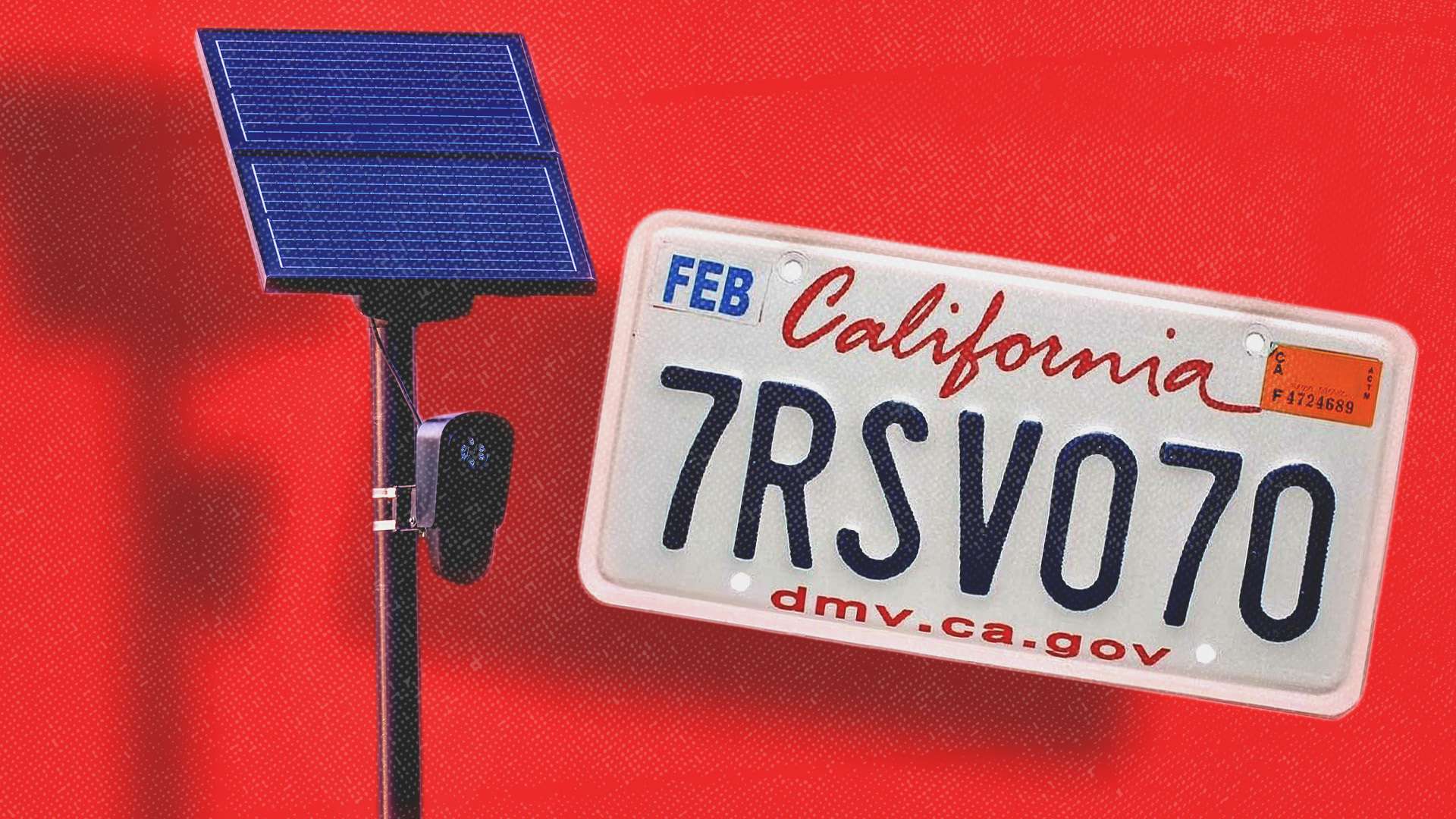
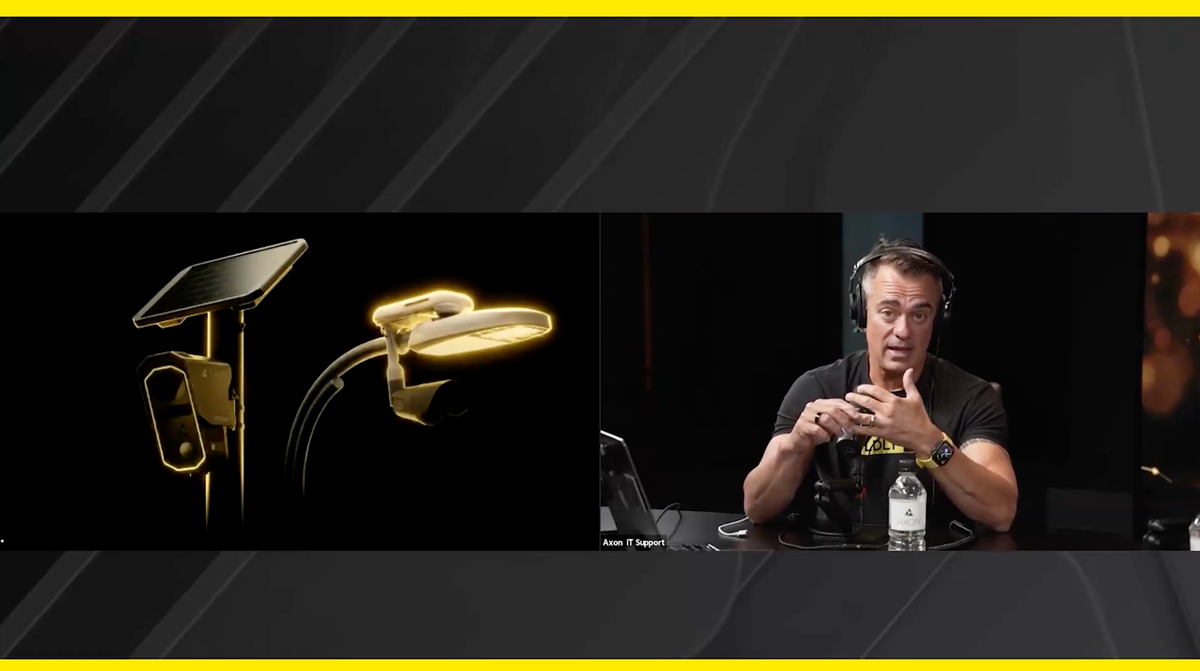
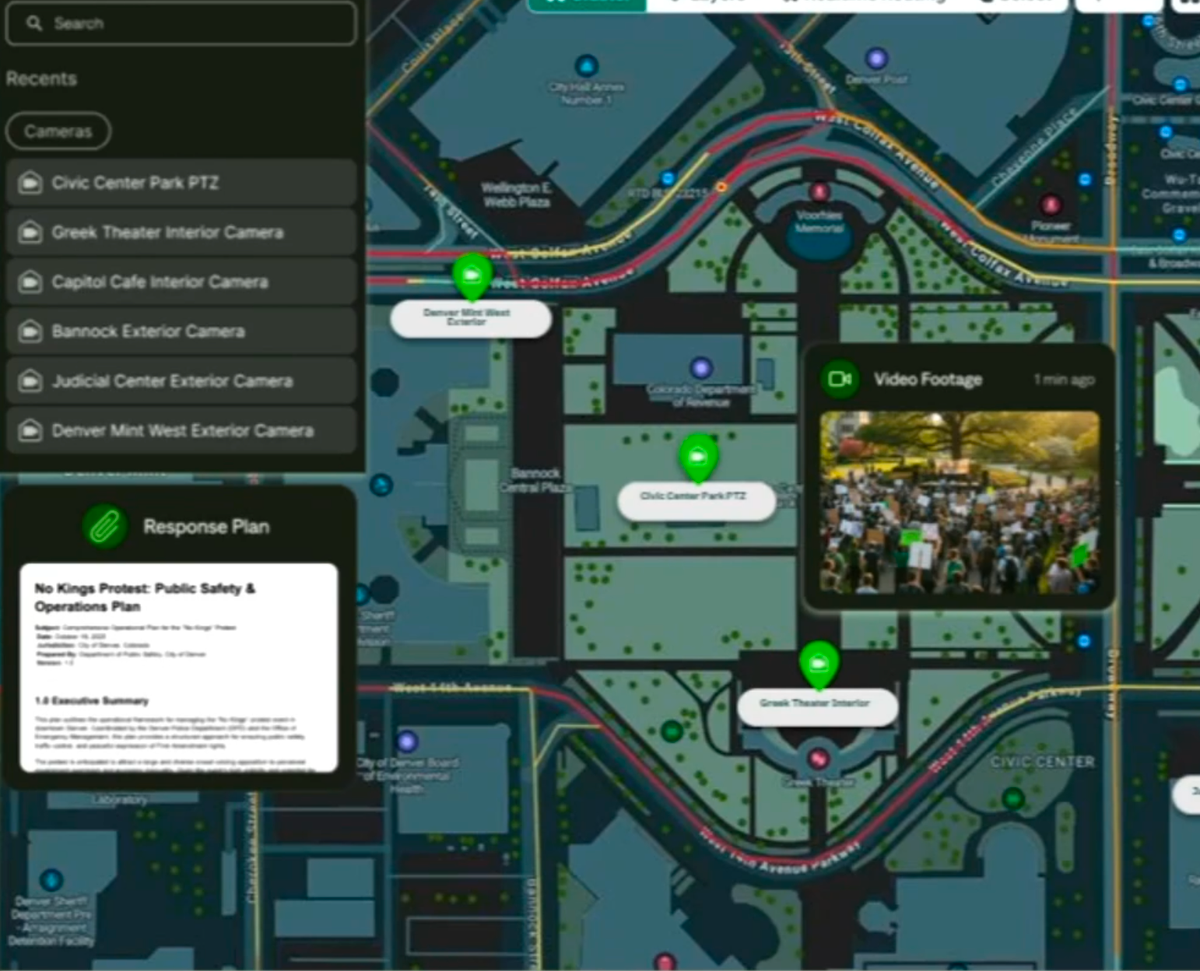
Photo via Reason

The Belated Backlash Against Flock Cameras

Read the original at Reason ↗
Cite

Sullum, J. (2026, August 31). The Belated Backlash Against Flock Cameras. Reason. https://reason.com/2026/08/31/the-belated-backlash-against-flock-cameras/

Dated when The Aporia collected the article, usually within hours of publication. Check the original for its exact date and byline.

Reason · collected 2026-08-31 · by Jacob Sullum

Quick Summary

A warning from U.S. police departments is circulating on social media, advising drivers to be mindful of personal information displayed on their cars through stickers and decals. The advisory suggests that such details could make drivers an "easy target" for criminals. Meanwhile, law enforcement agencies have been using a nationwide network of AI-assisted cameras, known as Automated License Plate Readers (ALPRs), which photograph vehicles billions of times a week and collect extensive data on their travels and activities. As of late August, 137,000 ALPRs had been mapped across the country.
Written by AI on 2026-08-31, from this article's own text only (the story summary below draws on all the coverage).
See how they differ ↓

AI analysis

Story summary

Benn Jordan, a YouTube host, wanted to attend the Flock Safety convention in Atlanta to investigate the company's relationship with law enforcement. However, after discovering that Flock had canceled his ticket and was trying to keep him out, he decided to set up radio equipment and a drone outside the convention center to unmask attendees and even listen to microphones inside. Jordan's actions were in response to Flock's claims that police customers don't need a warrant to track drivers with its automated license plate reading cameras because drivers have "no reasonable expectation of privacy" on public roads.

Flock Safety has 120,000 cameras across 49 states and works with over 5,000 law enforcement agencies, capturing more than 20 billion license plate scans every month. The company's CEO, Garrett Langley, appeared on Fox News to plead for a national "compromise" to save the company from efforts to ban its technology outright.

Meanwhile, some law enforcement agencies are asking Axon to redesign their automatic license plate readers (ALPRs) to look different from Flock cameras due to widespread vandalism of Flock's devices. Axon has reported that some towns and cities are switching from Flock to Axon's cameras after discovering abuses of access to stalk ex-spouses, among other concerns.

The controversy surrounding Flock Safety highlights the need for strong legal protections against mass surveillance technology, rather than simply banning a single company or product.

Written for “Flock Camera Controversy” on 2026-11-20, grounded in this article and the 4 other(s) covering the same event.

How they differ

3 outlets covered “Flock Camera Controversy”.

What each outlet says

One AI summary per outlet of its latest article on this story, written from that article alone and checked against it. Open the article for the outlet's own words.

Reason.comThis outlet31 Aug

A warning from U.S. police departments is circulating on social media, advising drivers to be mindful of personal information displayed on their cars through stickers and decals. The advisory suggests that such details could make drivers an "easy target" for criminals. Meanwhile, law enforcement agencies have been using a nationwide network of AI-assisted cameras, known as Automated License Plate Readers (ALPRs)…

The Belated Backlash Against Flock Cameras (this article)3 articles from Reason.com on this story
Washington Examiner25 Aug

The article argues that conservative supporters of Flock cameras are being shortsighted by ignoring the potential for government overreach. Democrats such as Govs. Gretchen Whitmer and Andrew Cuomo, along with President Donald Trump, empowered state authorities to impose restrictive COVID-19 measures, including lockdowns and vaccine mandates. The author suggests that if a nationwide AI-powered camera network had…

Pro-Flock conservatives ignore the potential for state tyranny →
404 Media3 Sep

Axon's CEO Rick Smith revealed in a now-deleted webinar that police are asking the company to make its automatic license plate readers (ALPRs) look different from Flock cameras due to widespread vandalism of Flock devices. The number of vandalized Flock cameras is not explicitly stated, but authorities have arrested and charged multiple people for destroying them. Axon is considering redesigning its Outpost ALPR…

Cops Are Asking Axon to Make Their Cameras Look Different From Flock So People Don't Destroy Them →

Where they agree and split

Framing

How the first headlines put it

Stated as fact2
The headlines (2)

This YouTuber Got Kicked Out of the Flock Convention. So He Ran His Own Surveillance. Reason.com · stated as fact

Pro-Flock conservatives ignore the potential for state tyranny Washington Examiner · stated as fact

The full story: what happened, how it changed, and all 5 articles →

Compared with similar articles

This article reads leans left and hedges 16% of its claims. Each row says how that neighbour differs.
Reason
Leans left Hedges 7 of 24 claims Outlet record 94/100
404 Media
Leans right further right than this Hedges 1 of 23 claims Outlet record 95/100
404 Media
Leans strongly right further right than this Hedges 2 of 43 claims Outlet record 95/100
“Article A discusses a general warning by U.S. police departments about the potential risks of revealing sensitive information on car stickers, while Article B specifically mentions a Flock webinar on surveilling protesters and small parades”

Story

Flock Camera Controversy
Crime & Law · 5 article(s) covering the same event. Compare every outlet's account →
How this article was measured signals, leaning charts, publisher record, byline, topics and claims

Signals How these are calculated →

Claims extracted
203
sentences that state something as happening or true
Uncertain
16%
32 of 203 hedged ("reportedly", "may", "according to")
Leaning
Leans left
of the writing, not the subject · beta estimate
Publisher signals
94/100
Reason's corrections and hedging, across everything collected from it. Not a measure of accuracy.
Outlets on this story
5
Crime & Law
Same framing elsewhere
1
articles that frame the event the way this one does
Analyzed 2026-08-31 · how these are computed

How this is being covered How these are calculated →

Article leaning vs. publisher reliability
Source leaning vs. consistency

Publisher

Reason · 43 article(s) · 0 correction(s) detected
No corrections detected for this publisher. That may mean careful reporting, or simply that nothing has been checked.

Who wrote this

Jacob Sullum
45 article(s) here · 1 carrying a prediction
Contrary to the implication of that label, the initiative affected many people who had no criminal convictions that would justify revoking their visas.
Trump also averred that his projects do not involve much money, although the ballroom alone is expected to cost around $600 million, half of which will be covered by taxpayers.
Last week, the city of Delray Beach, Florida, announced that it will not organize or sponsor next year's St. Patrick's Day parade, citing a state law that takes effect on January 1.
That means SSJC members cannot even legally transport their guns to the vicinity of the synagogue on those occasions, since they would pass within 300 feet of parks, schools, and other houses of worship while walking there.
In a 60 Minutes interview that aired on Sunday night, President Donald Trump conceded that his mass deportation campaign may have contributed to the Republican rout in last week's midterm elections because "a lot of people think it's too tough."
2026-11-11 · assertive framing · Trump Debates Mass Deportation With Himself
They say Hegseth is flouting the law, undermining basic principles of justice, and perverting the mission of the U.S. military by treating civilians as combatants who can be killed at will, from a distance and in cold blood, without any semblance of due process.
Attorney General Todd Blanche nevertheless seemed to reinforce Trump's threat during an interview on CNN's State of the Union yesterday, saying members of the House Oversight Committee, which will be chaired by Rep. Robert Garcia (D–Calif.) in the next congressional session, should "be very worried."
President Donald Trump today announced that Stephen Miller will replace Susie Wiles as White House chief of staff.
Like many other police officers in New Mexico, Paul Jessen Jr., a Bernalillo County sheriff's deputy, was willing to accept bribes from Albuquerque defense attorney Thomas J. Clear III in exchange for compromising DWI cases against Clear's clients.
These results might be dismissed as anomalous, the product of anger at the party of an unpopular president whose war, tariff, and deportation policies, combined with his constant self-aggrandizement and presidential profiteering, alienated Americans who otherwise might have voted for Republicans.
Also by Jacob Sullum
Nothing else under this byline is closely related to this article, so these are simply their most recent.
All 45 articles by Jacob Sullum →

Topics

Schertz Texas U.S.

Subjects

Bronson PERSON · 2× Connecticut GPE · 1× Flock ORG · 1× Glenn Bronson PERSON · 1× Schertz GPE · 1× Texas GPE · 1× U.S. GPE · 1×

Narrative

"Once the surveillance data is shared," The Wichita Eagle noted in 2022, "Wichita police officials have no control over how those outside agencies use it and no way to flag unlawful searches of its license plate reader database." That loss of control raises problems that go beyond cops who improperly use ALPR databases for personal purposes.
framing: assertive · carried by 1 article(s) · first seen 2026-08-31
The advisory, which describes the sort of information that criminals could glean from the back of your car, suggests you might be endangering yourself and your family with stickers that reveal potentially sensitive details about your life.
2026-08-31 · Reason
The Belated Backlash Against Flock Cameras · assertive framing

Claims (203 extracted, 32 hedged)

"What information are you driving around?" asks a pictorial warning widely shared by U.S. police departments. asserted
warning → drive → departments
The advisory, which describes the sort of information that criminals could glean from the back of your car, suggests you might be endangering yourself and your family with stickers that reveal potentially sensitive details about your life. uncertain
that → describe → life
Thanks to your careless exuberance, the illustration warns, bad actors may know the school your kids attend and the extracurricular activities in which they participate (an indication that you will be "gone most evenings and/or weekends for practices or games"). uncertain
you → warn → practices
They also may know your hobbies (which might suggest you have "expensive equipment" at home or in the car), the sort of dog you own (possibly a little, nonthreatening breed), your place of work, and your spouse's job (which might indicate frequent, prolonged absences). uncertain
which → know → absences
By advertising your "baby on board," the advisory adds, you signal that you are "an easy target" because you will be "distracted" and encumbered when you arrive at your destination. asserted
you → advertise → destination
Even your personalized license plate might be risky, because it is more easily remembered by a hothead you "unintentionally offend" or a creep who "wants to keep track of" your vehicle. uncertain
who → remember → vehicle
"Always protect your personal information and limit what you share," the Schertz, Texas, police department advises in a typical Facebook post. asserted
department → protect → post
"What could seem like a harmless decal could lead to an unsafe situation." uncertain
seem → seem → situation
In other words, drivers should guard their privacy, meaning they should be aware of the facts their cars might be divulging. uncertain
cars → guard → facts
Meanwhile, the law enforcement agencies offering that advice have access to all this information and more, thanks to a nationwide network of AI-assisted cameras that photograph vehicles billions of times a week. asserted
that → offer → times
The information collected by automated license plate readers (ALPRs), 137,000 of which had been mapped as of late August, goes far beyond what someone might surmise from studying the back of your car. uncertain
someone → collect → car
It allows police to track your travels, identify other nearby vehicles, and even predict your itinerary. asserted
police → allow → itinerary
Police can search that database on computers or mobile phones, conducting sophisticated queries that specify vehicle characteristics and locations, generate travel maps and route predictions, and use "convoy analysis" to show which cars have been spotted in a target's vicinity. asserted
cars → search → vicinity
Cops can supplement that information with details from other government databases and publicly available records. asserted
Cops → supplement → databases
They can do all that without any sort of judicial oversight and often without meaningful internal supervision. asserted
They → do → supervision
As the companies that install ALPR cameras and their customers see it, the benefits of that warrantless surveillance system are clear: It helps detect, investigate, and deter crime, offering an affordable "force multiplier" that lets law enforcement agencies stretch their resources in ways that were previously impractical. asserted
that → install → ways
But the technological innovations underlying that development raise obvious privacy concerns that judges and legislators have started to address only recently, two decades after ALPRs began proliferating as a law enforcement tool. asserted
ALPRs → underlie → tool
Flock Takes Off asserted
Flock → take → ?
Glenn Bronson, an electrical engineer and networking specialist who began tinkering with roadside cameras in 2013 and took several stabs at starting ALPR businesses, understands the technology's potential benefits. asserted
who → begin → benefits
But over the years, he has become increasingly worried by local governments' tendency to install ALPRs without public debate. asserted
he → become → debate
Bronson's interest in the subject was piqued by a thief who kept stealing metal from his family's construction business in Connecticut. asserted
who → pique → Connecticut
The burglar would show up before sunrise and walk through the woods to the back of the building, systematically removing and sorting machinery parts, fabrication steel, stainless steel, aluminum, copper, and brass. asserted
burglar → show → parts
Then he would carry his loot to the road in front of the building and load it into his pickup truck. asserted
he → carry → truck
Although Bronson had installed security cameras all over the property, the thief apparently disabled one that was low enough to reach and managed to evade the others, sometimes crawling on the ground to stay below a camera's field of view while dragging material from the building. asserted
that → instal → building
But it dawned on Bronson that the thief could still be caught after he returned to his pickup truck. uncertain
he → dawn → truck
When Bronson researched the question, he discovered that it was perfectly legal to aim cameras at roads because it was taken for granted that people did not have a reasonable expectation of privacy in their public movements. asserted
people → research → movements
Bronson set up his first roadside camera outside his family's business in October 2013, and the surveillance enabled local police to identify the burglar, who was arrested in 2014. asserted
who → set → 2014
The cops welcomed Bronson's assistance in nabbing that guy and other criminal suspects, which suggested a business opportunity. uncertain
which → welcome → opportunity
Even a criminal who is careful to avoid detection by security cameras, Bronson realized, typically has to drive away at some point, exposing information that, with the help of ALPRs, can be used to apprehend him. asserted
that → avoid → him
Bronson continued to experiment with roadside cameras, including DIY devices and off-the-shelf equipment. asserted
Bronson → continue → shelf
He pitched them as crime-fighting tools to businesses, condo associations, police departments, and investors. asserted
He → pitch → businesses
Bronson's efforts to commercialize the concept ultimately did not pan out. asserted
efforts → commercialize → concept
But meanwhile, Flock Safety, an Atlanta-based company that another electrical engineer, Garrett Langley, launched in 2017 along with two fellow Georgia Tech graduates, made a go of it in a big way. asserted
engineer → base → way
Langley, now Flock's CEO, tells an origin story similar to Bronson's. asserted
Langley → tell → Bronson
"He was troubled by how easy it was to break into cars in his neighborhood in Atlanta," The New York Times reports. asserted
Times → trouble → Atlanta
"When he asked police why they were unable to catch the thieves," Langley told the Times, they said "they needed the perpetrators' license plate numbers." asserted
they → ask → numbers
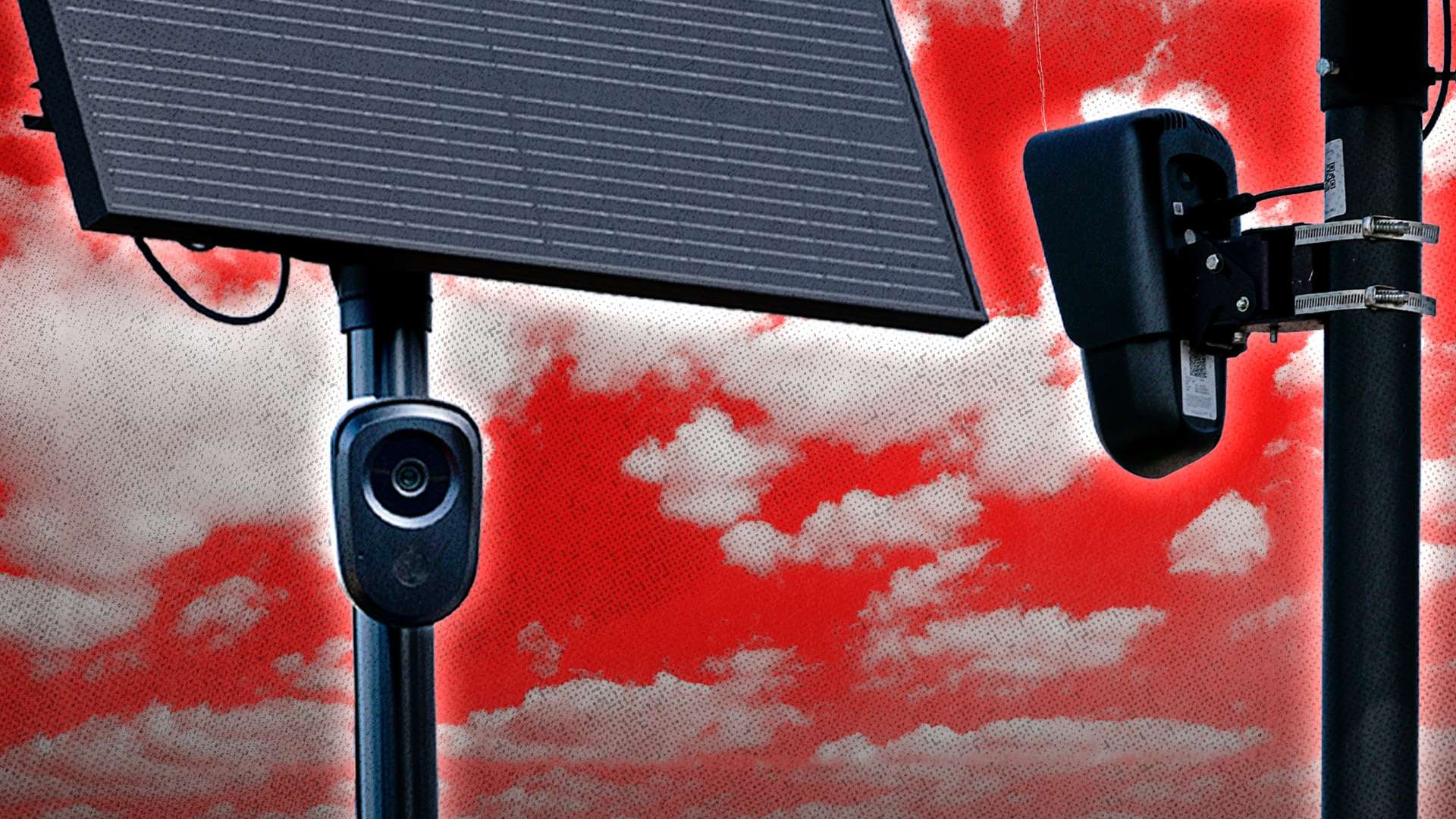
Flock started with homeowners associations, then expanded to police departments, offering solar-powered, internet-connected cameras that it promoted as boons to overtaxed law enforcement agencies. asserted
it → start → agencies
By 2025, Flock was reporting more than $300 million in annual revenue, and its self-estimated value was $7.5 billion, a number it later upped to $8.4 billion. asserted
it → report → billion
The company, which says it has installed more than 120,000 ALPR cameras in 12,000 or so communities across 49 states, accounts for around 80 percent of the U.S. market. asserted
it → say → market
It also offers camera-equipped drones that it says can respond to service calls "anywhere in your jurisdiction" within a minute and a half. asserted
it → offer → minute
…and 163 more, not listed.
Give feedback · no sign-in needed

No sign-in needed for now. Your note is sent without a name, so it cannot be answered.

History Support