Photo via TIME

The Supreme Court Let Trump’s Ballroom Proceed—for Now. Here’s What That Means

Read the original at TIME ↗
Cite

Schneid, R. (2026, August 24). The Supreme Court Let Trump’s Ballroom Proceed—for Now. Here’s What That Means. TIME. https://time.com/article/2026/08/23/the-supreme-court-let-trumps-ballroom-proceed-for-now-heres-what-that-means/

Dated when The Aporia collected the article, usually within hours of publication. Check the original for its exact date and byline.

TIME · collected 2026-08-24 · by Rebecca Schneid

Quick Summary

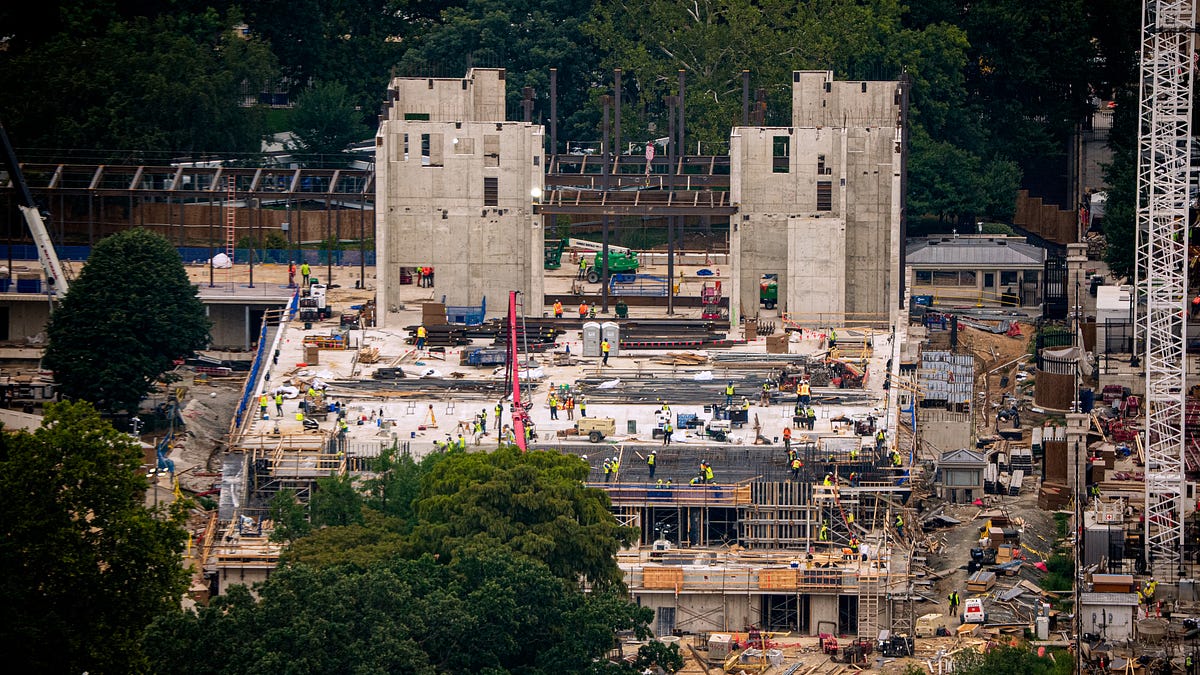
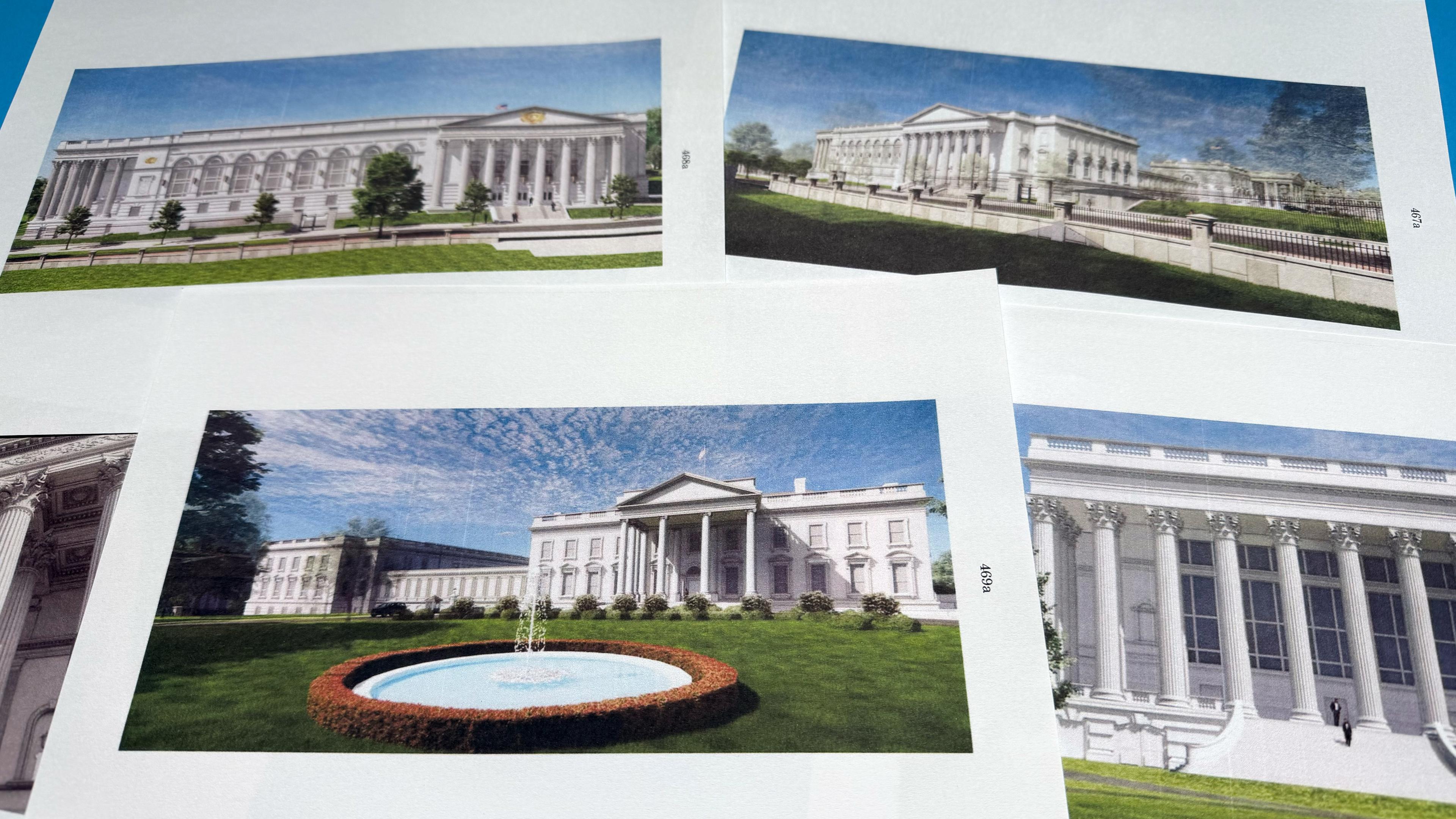
The US Supreme Court has issued a temporary stay allowing President Donald Trump to continue construction on a new White House ballroom. Chief Justice John Roberts made the decision in a one-sentence order, which gives the full court more time to consider the Trump Administration's request for further review. The project, estimated to cost $400 million, is part of the White House's Military/Ballroom Complex and has been halted by lower courts over concerns that it requires congressional approval. A federal district judge had previously blocked construction on the aboveground portion of the project, but this stay allows work to continue for now.
Written by AI on 2026-08-24, from this article's own text only (the story summary below draws on all the coverage).
See how they differ ↓

AI analysis

Story summary

Here's a summary of the news story:

The Trump administration is building a new $400 million ballroom at the White House, which has been delayed due to a court order. The National Trust for Historic Preservation had sued to block the construction, arguing that President Trump does not have the authority to make major changes to federally owned property without congressional approval. However, in a one-sentence order, Chief Justice John Roberts granted the Trump administration a temporary stay, allowing construction to continue while the Supreme Court considers the case. The ballroom is part of a larger renovation project at the White House, which has been criticized for its cost and lack of transparency.

The White House ballroom project, which includes the addition of an underground military facility, was approved by President Trump without congressional authority. A court order had halted construction, but Chief Justice John Roberts' temporary stay allows it to continue while the Supreme Court considers the case. The National Trust for Historic Preservation argues that a President cannot unilaterally make major changes to federally owned property without congressional approval, citing the Property Clause of the Constitution.

Written for “Trump's White House Renovations” on 2026-11-20, grounded in this article and the 5 other(s) covering the same event.

How they differ

5 outlets covered “Trump's White House Renovations”.

What each outlet says

One AI summary per outlet of its latest article on this story, written from that article alone and checked against it. Open the article for the outlet's own words.

TimeThis outlet24 Aug

The US Supreme Court has issued a temporary stay allowing President Donald Trump to continue construction on a new White House ballroom. Chief Justice John Roberts made the decision in a one-sentence order, which gives the full court more time to consider the Trump Administration's request for further review. The project, estimated to cost $400 million, is part of the White House's Military/Ballroom Complex and has…

The Supreme Court Let Trump’s Ballroom Proceed—for Now. Here’s What That Means (this article)
The Guardian20 Aug

The White House is undergoing extensive renovations, including a new granite driveway and refurbished columns, overseen by President Donald Trump in his role as "builder-in-chief". Trump showed off these upgrades, along with a newly laid helipad and sod, during a 40-minute press tour on Wednesday. The renovations are estimated to be part of a larger $40 trillion national debt that surpassed the milestone for the…

Trump shows off White House renovations and ornate new helipad →2 articles from The Guardian on this story
Fox News18 Aug

U.S. Supreme Court Chief Justice John Roberts is considering an application for a stay on a lower court's order that has halted construction on the new East Wing of the White House due to concerns over its design and materials. The order was issued by U.S. District Judge Richard Leon, who was appointed by President George W. Bush in 2002, and upheld by the D.C. Circuit Court. The Department of Justice has asked the…

MORNING GLORY: SCOTUS should urgently allow construction at the White House to proceed →
ABC News (US)20 Aug

President Donald Trump showed off the multimillion-dollar White House helipad being built on the South Lawn and added his signature to one of its slabs. The project's cost is estimated at $5 or $6 million, with Sikorsky paying for most of it and Lockheed Martin contributing as well. Questions are mounting about who will ultimately cover the costs, including taxpayers. Trump signed his name on the helipad, which will…

Trump shows off multimillion-dollar White House helipad and adds his signature →
The Bulwark24 Aug

Chief Justice John Roberts has issued a temporary stay on an injunction halting construction of Donald Trump's White House ballroom and underground bunker until Congress can weigh in. The lower court had ruled that Trump needed congressional approval for the project, but Trump sought intervention from the Supreme Court. The Supreme Court's decision allows Trump to proceed with the construction without Congress'…

John Roberts Gives Trump a License to Bulldoze the Law →

Where they agree and split

The full story: what happened, how it changed, and all 6 articles →

Compared with similar articles

This article reads leans left and hedges 20% of its claims. Each row says how that neighbour differs.
The Guardian
Hedges 1 of 19 claims Outlet record 64/100
The Bulwark
Leans strongly left further left than this Hedges 5 of 46 claims
NPR
Leans right further right than this Hedges 4 of 24 claims Outlet record 60/100
“The articles cover two separate incidents involving different locations and parties: a Supreme Court stay on Trump's White House ballroom project (Article A) versus a potential demolition of the Kennedy Center by its board due to renovation plans (Article B)”
BBC News
Leans right further right than this Hedges 1 of 14 claims Outlet record 65/100
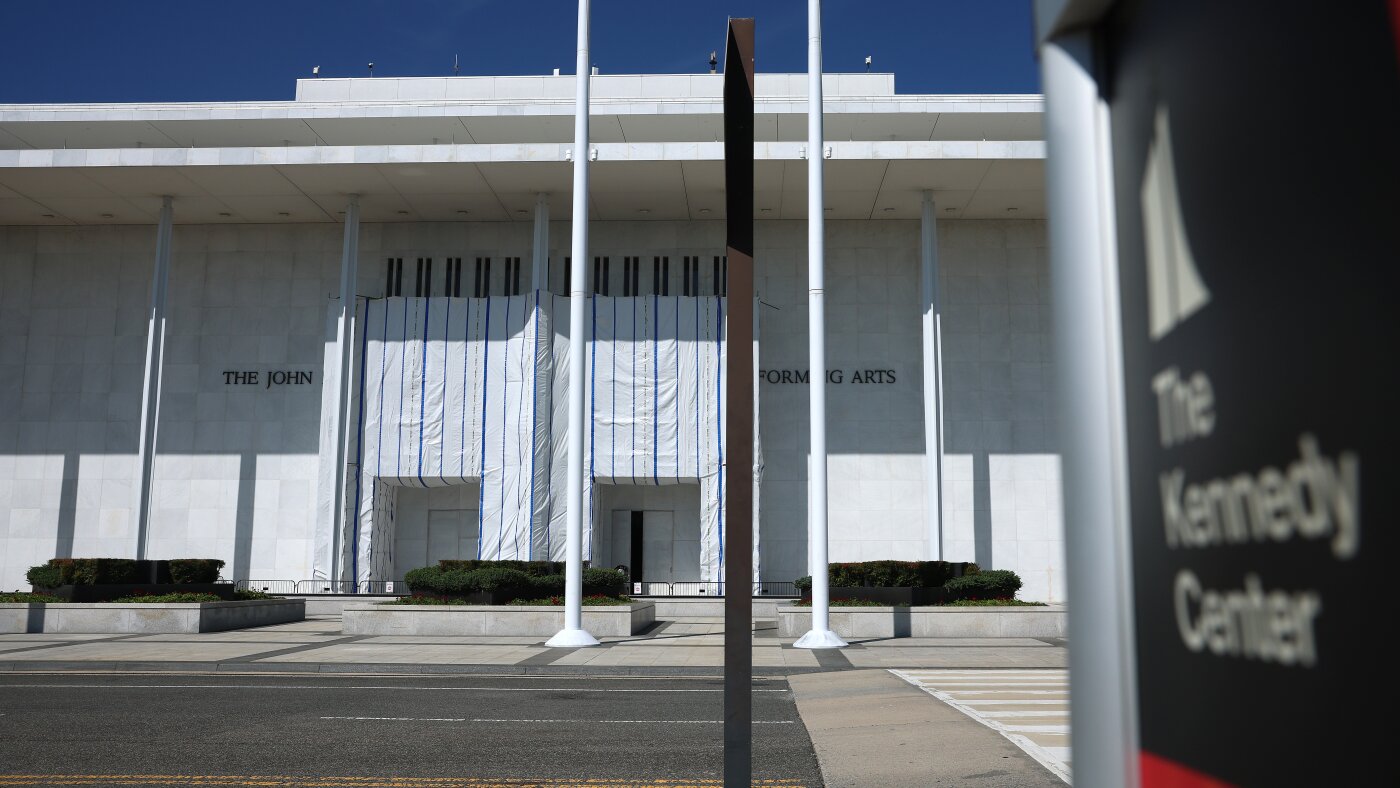
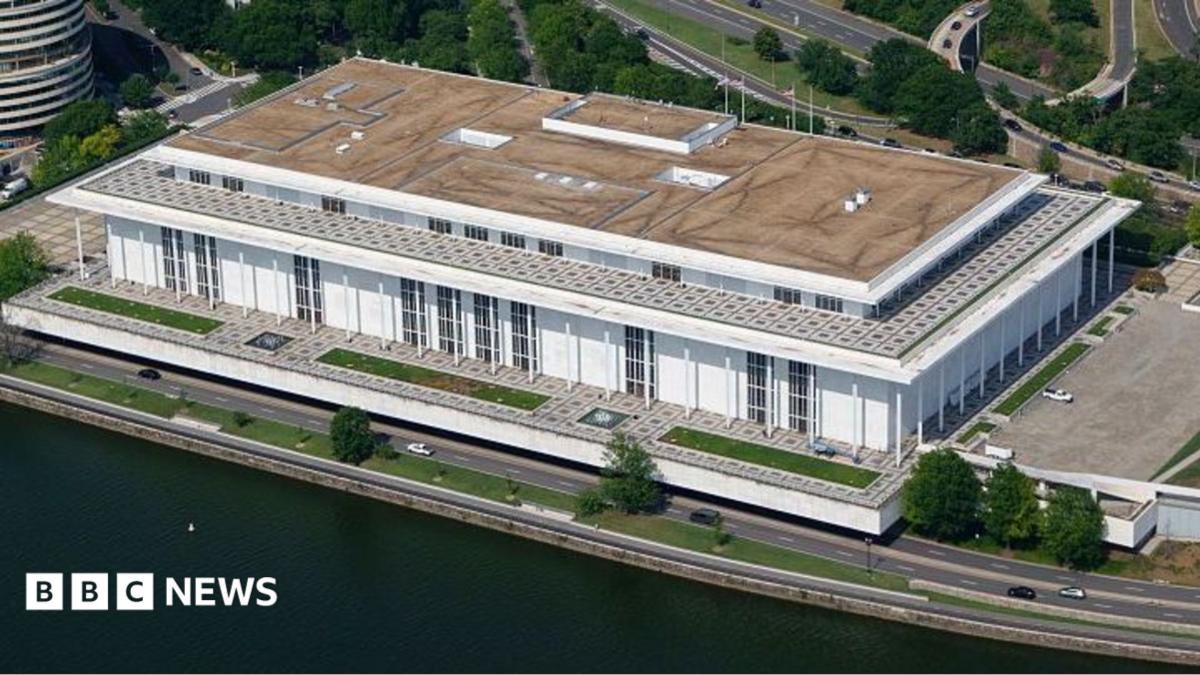
“Article B mentions a threat to demolish the Kennedy Center if renovations are blocked, whereas Article A discusses a temporary stay on construction of a White House ballroom”

Story

Trump's White House Renovations
Politics · 6 article(s) covering the same event. Compare every outlet's account →
How this article was measured signals, leaning charts, publisher record, byline, topics and claims

Signals How these are calculated →

Claims extracted
59
sentences that state something as happening or true
Uncertain
20%
12 of 59 hedged ("reportedly", "may", "according to")
Leaning
Leans left
of the writing, not the subject · beta estimate
Publisher signals
60/100
TIME's corrections and hedging, across everything collected from it. Not a measure of accuracy.
Outlets on this story
6
Politics
Same framing elsewhere
1
articles that frame the event the way this one does
Analyzed 2026-08-24 · how these are computed

How this is being covered How these are calculated →

Article leaning vs. publisher reliability
Source leaning vs. consistency

Publisher

TIME · 1067 article(s) · 2 correction(s) detected
Running correction rate · 2 correction(s)

Who wrote this

Rebecca Schneid
38 article(s) here · 1 carrying a prediction
The President also expressed confidence that the bill would create jobs and help drive the economy, writing: “Importantly, hundreds of thousands of Blue Collar Workers will be positively affected, BIG TIME, by the passage of this Bill.”
He went on to say that the course would close on Nov. 15 to undergo renovations, which would take 15 months to complete.
The incident raised questions about what might have led to the historic event—only the second nationwide ground stop since 9/11—and what authorities were doing to prevent it from happening again.
It’s the first of several steps necessary to determine the next Prime Minister—but a potentially months-long process could leave Benjamin Netanyahu in power for the foreseeable future.
Trump’s unsubstantiated fraud claims come nearly two weeks after he told reporters on Oct. 27 that he would respect the election results “if they’re honest elections.” As results came in throughout Nov. 3 and into Nov. 4, Trump seemed to accept the outcome.
2026-11-09 · mixed framing · Trump Casts Doubt on Midterm Election Results
Experts tell TIME that the threats themselves might be the point—launching a fear campaign meant to disrupt systems and put millions of people on edge.
2026-11-08 · assertive framing · Europe’s Bomb Threats Raise Fears of Hybrid Warfare
Experts weigh in on what may have prompted the shifts.
But in recent weeks the election forecaster twice shifted the race toward Democrats as polls showed Hamilton narrowing the gap with Marshall, moving it first to “Lean Republican” on September 23 and then to a true “Toss Up” on Oct. 6. Republicans took notice in the past two months, diverting resources from swing-state Senate battles like that in North Carolina to defend Marshall’s seat.
The Trump Administration has said that construction could begin as early as next week.
A more coordinated reporting system could help researchers and advocates better assess the scale of the problem.
Also by Rebecca Schneid
Nothing else under this byline is closely related to this article, so these are simply their most recent.
All 38 articles by Rebecca Schneid →

Topics

Congress The U.S. Supreme Court the National Trust for Historic Preservation the Supreme Court the White House

Subjects

the Supreme Court ORG · 5× Roberts PERSON · 4× Congress ORG · 2× Court ORG · 2× Trump PERSON · 2× the National Trust for Historic Preservation ORG · 2× the Trump Administration ORG · 2× the White House ORG · 2× Donald Trump PERSON · 1× The U.S. Supreme Court ORG · 1×

Narrative

The ruling comes after months of debate over a legal challenge brought by the National Trust for Historic Preservation, which argues that a President cannot unilaterally make a major, permanent change to federally owned property when Congress has not authorized it, pointing toward the Property Clause of the Constitution.
framing: mixed · carried by 1 article(s) · first seen 2026-08-24
However, there is no established timeline for when Roberts or the Court might take further action.

Claims (59 extracted, 12 hedged)

The U.S. Supreme Court has allowed President Donald Trump to continue construction on a new White House ballroom with a temporary stay issued Friday—just before the aboveground portion of the project was about to be halted. asserted
portion → allow → project
Chief Justice John Roberts, in a one-sentence order, stayed a federal district court judge’s injunction that barred further development. asserted
that → stay → development
The move gives the full Supreme Court more time to consider the Trump Administration’s request to keep the injunction on hold while it seeks further review. asserted
it → give → review
However, there is no established timeline for when Roberts or the Court might take further action. uncertain
Roberts → be → action
The ruling comes after months of debate over a legal challenge brought by the National Trust for Historic Preservation, which argues that a President cannot unilaterally make a major, permanent change to federally owned property when Congress has not authorized it, pointing toward the Property Clause of the Constitution. asserted
Congress → come → Constitution
“We reiterated that the Administration has no unilateral legal authority—constitutional, statutory, or otherwise—to build a Ballroom on the site of the now-demolished East Wing, unless and until Congress expressly approves,” the National Trust for Historic Preservation said in a statement last week. asserted
Trust → reiterate → statement
“Each court that has reviewed this case has agreed with the National Trust. asserted
that → review → Trust
We hope the Supreme Court will uphold the rule of law by stopping this illegal project.” asserted
Court → hope → project
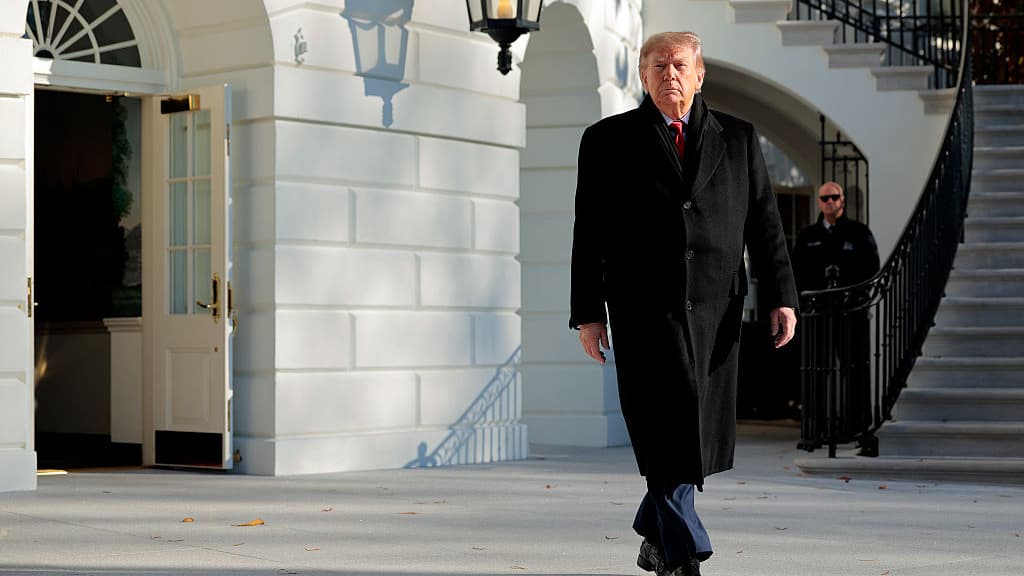
Trump reacted to the administrative stay on Truth Social on Friday, praising both the Supreme Court and Roberts, who was appointed by former President George W. Bush in 2005. asserted
who → react → 2005
“We are grateful for the Decision of the United States Supreme Court,” Trump said. asserted
Trump → say → Court
“The Military/Ballroom Complex being built on the hallowed grounds of the White House, which is so vital for National Security, will be THE GREATEST OF ITS KIND!” asserted
which → build → KIND
How did the ballroom case reach the Supreme Court? asserted
case → reach → Court
Two lower-court decisions brought the dispute before the Supreme Court. asserted
decisions → bring → Court
First, Senior Judge Richard Leon of the U.S. District Court for the District of Columbia found that the National Trust was likely to succeed on its claim that the project required congressional approval, and he ruled in March that construction on the aboveground ballroom could not take place while litigation continued. uncertain
litigation → find → place
He modified that preliminary injunction on April 16 to clarify that security-related work could continue if it is "strictly necessary to ensure the safety and security of the White House.” uncertain
it → modify → House
The second decision came when the Trump Administration appealed, and a D.C. Circuit panel upheld the modified injunction. asserted
panel → come → injunction
In its August ruling, it said that each President is a “temporary tenant, not the owner,” of the White House. asserted
President → say → House
According to Kimberly Wehle, professor of law at the University of Baltimore School of Law, the injunction is meant to ensure that the project does not advance while the courts review its legality, the limits of presidential authority, and whether it might cause irreparable harm. uncertain
it → accord → harm
“The court is saying, ‘We just need to stop the bleeding right now, because if this continues, it'll just cause more harm,’” she tells TIME. asserted
she → say → TIME
The Trump Administration then asked the Supreme Court to intervene through an emergency application, which is meant for urgent review of time-sensitive matters that fall outside of the typically months- or years-long case review timeline for the country’s highest court. asserted
that → ask → court
The case was put in front of Roberts, who oversees emergency appeals filed in the D.C. Circuit. asserted
who → put → Circuit
That led to the administrative stay—a short-term order that freezes a lower court decision or deadline in order to buy time for a bench to review an emergency request. asserted
bench → lead → request
An administrative stay does not reflect a case’s merits or legality; it acts as an interim measure for a future ruling from Roberts or the Court. asserted
it → reflect → Roberts
In this case, it paused the preliminary injunction originally handed down by Leon. asserted
it → pause → Leon
Therefore, the stop-work order was put aside for the time being, allowing construction to continue. asserted
construction → stop → being
"We are aware of the administrative stay," the National Trust tells TIME, in response to the latest developments. asserted
Trust → tell → developments
"To be clear, this is not a final decision on the merits of the government’s stay application, and we await further action.” asserted
we → await → action
No court has issued a final ruling on the project’s legality. asserted
court → issue → legality
But next steps will likely include determining whether the renovation is two distinct projects—aboveground and below—or a singular build. asserted
renovation → include → ?
Is Trump building a ballroom or a military complex? asserted
Trump → build → ballroom
Trump’s 90,000-square-foot construction project comprises a luxury ballroom—which is meant to host 650 seated guests—with an underground military complex beneath it, featuring “protective missile resistant steel columns, beams, drone proof roofing materials, and bullet, ballistic, and blast proof glass,” according to one court document. uncertain
which → comprise → document
Lower courts treated the two components separately, finding that the National Trust was likely to establish that the aboveground ballroom required congressional approval while exempting underground security construction from the injunction. asserted
ballroom → treat → injunction
In making his injunction determination, Leon said: “Defendants themselves distinguished between below-ground and above-ground construction, stating that ‘the below-surface work is driven by national security concerns independent of the above-grade construction.’” asserted
work → make → construction
Leon and the D.C. Circuit said the Administration had shifted from treating the components as independent to describing them as inseparable. asserted
Administration → say → them
The Administration disputes that characterization, saying the design became less flexible as construction progressed. asserted
construction → dispute → characterization
It now argues that the entire project is integrated and that halting the aboveground work would compromise its structural integrity and security functions. asserted
halting → argue → integrity
“Every day the President does not have access to the vital security features of the military complex presents unacceptable risk, no matter how long the Project takes to complete,” Solicitor General John Sauer argued in court filings last week. asserted
Sauer → have → filings
“Built with integrated engineering, the Project will provide in a very large way, a ‘safe room’ for the Presidency and the continuity of government.” asserted
Project → build → government
Presidents in the past have relied on the White House’s Presidential Emergency Operations Center (PEOC), which dates to World War II, as a safe room or bunker. asserted
which → rely → room
The Administration has argued that the former East Wing’s security infrastructure had become vulnerable to modern threats, including drones and missiles, making the new construction urgent. asserted
construction → argue → drones
…and 19 more, not listed.
Give feedback · no sign-in needed

No sign-in needed for now. Your note is sent without a name, so it cannot be answered.

History Support