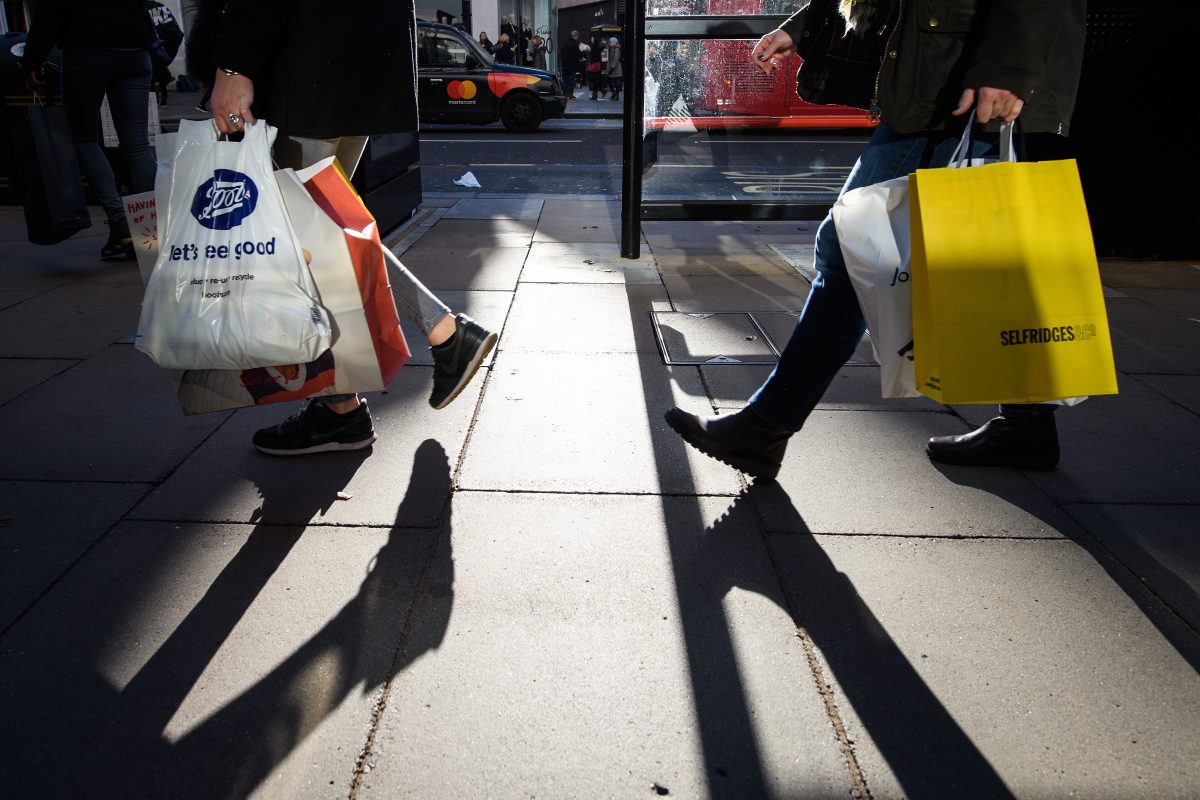
Photo via City AM

Harsh winter could drive energy bills ‘even higher’, warns energy chief

Read the original at City AM ↗
Cite

Armstrong, F. (2026, November 29). Harsh winter could drive energy bills ‘even higher’, warns energy chief. City AM. https://www.cityam.com/harsh-winter-could-drive-energy-bills-even-higher-warns-energy-chief/

Dated from the outlet's own feed. Check the original for its byline.

City AM · collected 2026-11-29 · by Felix Armstrong

Quick Summary

Fatih Birol, head of the International Energy Agency, warned that a harsh winter in Europe could increase energy bills further due to ongoing conflicts in the Middle East, particularly the closure of the Strait of Hormuz, which has disrupted global energy markets. Current energy bills in the UK are projected to rise by 26% in January, and Birol emphasized that unless the Strait of Hormuz is reopened, wholesale energy prices may increase next year. He also noted a 400% rise in cyber attacks on energy infrastructure, contributing to the instability in energy markets.
Written by AI on 2026-11-29, from this article's own text only (the story summary below draws on all the coverage).
See how they differ ↓

AI analysis

Story summary

The head of the International Energy Agency (IEA), Dr. Fatih Birol, has warned that a harsh winter in Europe could drive energy prices even higher than the current forecast. Energy bills in the UK are set to increase by 26% in January, with the average household's annual bill rising to £2,166 from £1,723 due to higher wholesale costs driven by the Iran war. Birol told the BBC that the conflict in the Middle East, including the closure of the Strait of Hormuz, has significantly impacted global energy markets and could lead to further price hikes if not resolved. He emphasized that there is no credible pathway for the global energy system to revert to its pre-war state, highlighting the substantial increases in oil, gas, and fertilizer prices since the conflict began. Despite these warnings, Birol does not expect energy shortages but rather "difficulties" if the Strait of Hormuz remains closed and Europe experiences a harsh winter.

Written for “Fears of Higher Energy Prices in Winter” on 2026-11-29, grounded in this article and the 2 other(s) covering the same event.

How they differ

3 outlets covered “Fears of Higher Energy Prices in Winter”.

What each outlet says

One AI summary per outlet of its latest article on this story, written from that article alone and checked against it. Open the article for the outlet's own words.

City A.M.This outlet29 Nov

Fatih Birol, head of the International Energy Agency, warned that a harsh winter in Europe could increase energy bills further due to ongoing conflicts in the Middle East, particularly the closure of the Strait of Hormuz, which has disrupted global energy markets. Current energy bills in the UK are projected to rise by 26% in January, and Birol emphasized that unless the Strait of Hormuz is reopened, wholesale…

Harsh winter could drive energy bills ‘even higher’, warns energy chief (this article)
BBC29 Nov

Dr Fatih Birol, the head of the International Energy Agency, warned in an interview with the BBC that energy prices in Europe could rise further if the winter is harsh. Birol attributes the current price surge to the ongoing conflict in Iran, describing it as the largest energy security threat in history. He emphasized that returning to the pre-war energy system is unlikely, given the significant increases in oil…

Harsh winter in Europe could drive energy prices 'even higher', agency boss warns →
Evening Standard29 Nov

Dr. Birol warned during a BBC interview that Europe could face higher energy prices if the Strait of Hormuz remains closed and a harsh winter occurs. He noted that while shortages are unlikely, prices could rise further from the current level, with the price cap increasing by £443 per year for average households in England, Scotland, and Wales. Dr. Birol emphasized the unprecedented nature of the current energy…

Fears energy prices could climb ‘even higher’ if Europe sees harsh winter →

Where they agree and split

Framing

How the first headlines put it

Stated as fact3
The headlines (3)

Harsh winter in Europe could drive energy prices 'even higher', agency boss warns BBC · stated as fact

Harsh winter could drive energy bills ‘even higher’, warns energy chief City A.M. · stated as fact

Fears energy prices could climb ‘even higher’ if Europe sees harsh winter Evening Standard · stated as fact

The full story: what happened, how it changed, and all 3 articles →

Compared with similar articles

This article reads unscored and hedges 33% of its claims. Each row says how that neighbour differs.
BBC News
Hedges 4 of 17 claims Outlet record 70/100
Evening Standard
Hedges 2 of 19 claims Outlet record 64/100
Evening Standard
Hedges 2 of 27 claims Outlet record 64/100
“While both articles discuss the same impending energy price hike in the UK, they report on different time periods and sources (Swinney vs. Birol), indicating different but related events rather than the same specific incident.”
Evening Standard
Hedges 0 of 28 claims Outlet record 64/100
“While both articles discuss the same increase in UK energy bills, Article A focuses on the announcement of the price cap increase, while Article B emphasizes potential future increases due to a harsh winter and global market conditions.”
Evening Standard
Hedges 0 of 16 claims Outlet record 64/100
“While both articles discuss the same upcoming energy price cap increase in January, they describe different aspects and sources of information, and the second article includes a warning about future increases due to winter conditions, indicating different specific occurrences.”
Evening Standard
Hedges 0 of 16 claims Outlet record 64/100
“While both articles discuss the upcoming increase in energy bills, they describe different aspects of the event. Article A focuses on the actual increase in the price cap and the government's response, while Article B discusses a broader warning about potential further increases due to a harsh winter and geopolitical factors.”
Evening Standard
Hedges 3 of 24 claims Outlet record 64/100
“While both articles discuss the same 26% increase in the energy price cap, Article A focuses on the immediate impact and calls for urgent action, whereas Article B discusses a broader warning about harsh winter conditions potentially driving energy bills even higher next year.”
Evening Standard
Outlet record 64/100
“The articles discuss related topics but refer to different aspects of the energy bill situation; one focuses on the announced increase in January, while the other warns of potential further increases due to winter conditions and global events.”
Evening Standard
Hedges 0 of 27 claims Outlet record 64/100
“While both articles discuss the same general topic of rising energy bills due to regulatory changes and market conditions, they describe different time points and outcomes: Article A focuses on the initial announcement and its immediate impact, while Article B warns about further increases due to a harsh winter, a later development.”
Evening Standard
Hedges 1 of 11 claims Outlet record 64/100
“While both articles discuss a similar upcoming rise in energy price caps, they refer to different specific time periods and contexts for the warning about the price increase.”

Story

Fears of Higher Energy Prices in Winter
Economy/Business · 3 article(s) covering the same event. Compare every outlet's account →
How this article was measured signals, leaning charts, publisher record, byline, topics and claims

Signals How these are calculated →

Claims extracted
15
sentences that state something as happening or true
Uncertain
33%
5 of 15 hedged ("reportedly", "may", "according to")
Leaning
not political
takes no side on a contested political question
Publisher signals
95/100
City AM's corrections and hedging, across everything collected from it. Not a measure of accuracy.
Outlets on this story
3
Economy/Business
Same framing elsewhere
1
articles that frame the event the way this one does
Analyzed 2026-11-29 · how these are computed

How this is being covered How these are calculated →

Article leaning vs. publisher reliability
Source leaning vs. consistency

Publisher

City AM · 596 article(s) · 0 correction(s) detected
No corrections detected for this publisher. That may mean careful reporting, or simply that nothing has been checked.

Who wrote this

Felix Armstrong
53 article(s) here · 1 carrying a prediction
Andy Sumpter, Sensormatic’s head of consulting and analytics, said: “With consumers’ growing appetite for bargains and the top five busiest in-store shopping days of Peak Trading still to come, retailers will be looking ahead to the rest of the Golden Quarter.
The boss of the global energy watchdog has warned that a harsh winter in Europe could drive energy bills “even higher” next year.
The army’s existing 5,000-strong fleet of ageing Land Rovers are set to be phased out of use by 2030.
Amid speculation that Imperial Brands could be the latest FTSE 100 stalwart to quit London, Felix Armstrong looks ahead to a new rush of dealmaking in the tobacco sector.
2026-11-28 · assertive framing · Marlboro man strikes match on tobacco dealmaking
Chinese retail giants like Temu and Shein could be the big winners from this year’s Black Friday, as high street shops are starved of “make or break” footfall, industry figures have warned.
As Black Friday kicks off, shoppers will be hoping to take advantage of hefty discounts at a time when consumer confidence is near a 10-year low.
Making their way to work on Thursday morning, Poundland’s thousands of staff couldn’t help but wonder how many more commutes they had left.
A spokesperson for Xyra Group Holdings’ bid for Poundland, told City AM the investment firm will “engage with administrators” following the high street giant’s collapse.
2026-11-26 · assertive framing · Investment firm Xyra plots renewed bid for Poundland
The decision to use this extra proceeds to “accelerate planned investment” will help Halfords reach an underlying pre-tax profit of between £60m and £65m in the full year, the group told shareholders.
The now-collapsed retailer’s directors told its 12,000 staff that they were forced to trigger an administration after they “exhausted all options to have adequate funds released that would allow the business to trade solvently”.
Also by Felix Armstrong
Nothing else under this byline is closely related to this article, so these are simply their most recent.
All 53 articles by Felix Armstrong →

Topics

Birol IEA Ofgem the International Energy Agency the Iran war

Subjects

Birol PERSON · 4× BBC ORG · 1× England GPE · 1× Fatih Birol PERSON · 1× IEA ORG · 1× Laura Kuenssberg PERSON · 1× Ofgem ORG · 1× the International Energy Agency ORG · 1×

Narrative

Fatih Birol, the head of the International Energy Agency (IEA), said that the energy system is unlikely to “go back where it was” following the Iran war and its closure of the Strait of Hormuz, which has taken a hammer blow to global energy markets.
framing: mixed · carried by 1 article(s) · first seen 2026-11-29
The boss of the global energy watchdog has warned that a harsh winter in Europe could drive energy bills “even higher” next year.

Claims (15 extracted, 5 hedged)

The boss of the global energy watchdog has warned that a harsh winter in Europe could drive energy bills “even higher” next year. uncertain
winter → warn → bills
Fatih Birol, the head of the International Energy Agency (IEA), said that the energy system is unlikely to “go back where it was” following the Iran war and its closure of the Strait of Hormuz, which has taken a hammer blow to global energy markets. asserted
which → say → markets
Energy bills in the UK are set to soar by 26 per cent in January after energy regulator Ofgem hikes its price cap from £1,723 to £2,166 for the typical household’s annual bill. asserted
Ofgem → set → bill
The higher oil prices caused by the closure of the vital shipping route has affected global stock markets and driven central banks’ decisions to raise interest rates, but they also feed into domestic energy bills and fuel costs. asserted
they → cause → bills
Birol told the BBC’s Sunday with Laura Kuenssberg that wholesale energy prices could rise further next year if the conflict in the Middle East, which he called the “largest energy security threat in history,” is not resolved. uncertain
he → tell → history
He said that “everything will depend on, first of all, if the Strait of Hormuz is going to be opened, and in a convincing way for all the market”. “If we have a harsh winter in Europe, we may have difficulties. uncertain
we → say → difficulties
I don’t think that we will have shortages, but we may see even higher prices than we have now.” uncertain
we → think → prices
Birol: ‘The vase is broken’ Birol added that he does not “see any credible pathway for the energy system, global energy system goes back where it was before the war. asserted
it → break → war
“Oil prices, gas prices, natural gas prices, fertilisers, all of them increased substantially. asserted
all → increase → them
Once it is broken, you cannot bring it back together.” asserted
you → break → it
The government has attempted to put a lid on rising energy costs by removing VAT, standing charges and green levies from energy bills. asserted
government → attempt → bills
In October, the Chancellor announced that up to 20m households in England will get £100 to help towards their energy costs this winter. asserted
households → announce → costs
But energy bills remain vulnerable to the changes in energy prices caused by tensions in the Middle East and attacks on oil tankers. asserted
bills → remain → tankers
Birol added that energy infrastructure has faced a 400 per cent uplift in the number of attempted cyber attacks this year. asserted
infrastructure → add → attacks
The price of Brent crude – the international benchmark for oil markets – rose by nearly two per cent across the last week to $94 per barrel, marking the first weekly gain this month. Escalating attacks on infrastructure and tankers in the Middle East are heightening concerns that the supply of oil could be stretched, though prices have fallen sharply from highs of $115 per barrel in mid-October. uncertain
prices → rise → October

Give feedback · no sign-in needed

No sign-in needed for now. Your note is sent without a name, so it cannot be answered.

History Support