Photo via The Independent

South Sudan: a country of conflict

Read the original at The Independent ↗
Cite

Kiley, S. (2026, November 28). South Sudan: a country of conflict. The Independent. https://www.independent.co.uk/news/world/africa/south-sudan-conflict-history-b3069256.html

Dated from the outlet's own feed. Check the original for its byline.

The Independent · collected 2026-11-28 · by Sam Kiley analysis

Quick Summary

The article discusses the prolonged conflict in South Sudan since the country's independence from Sudan in 1956. It highlights internal strife between ethnic groups, particularly the Dinka and Nuer, and their leaders, John Garang and Riek Machar. Recent fighting has been attributed to political tensions and military actions, such as government bombings of hospitals and threats against communities. The piece also notes that during the civil war, much of the humanitarian aid intended for the population was diverted by rebel groups, leading to a culture where current government officials view international aid and resources as entitlements rather than assistance.
Written by AI on 2026-11-28, from this article's own text only (the story summary below draws on all the coverage).

Compared with similar articles

Nothing to compare against. No article is close enough to this one for the pipeline to have linked or judged the pair.

Story

South Sudan Conflict
World · 1 article(s) covering the same event.
How this article was measured signals, leaning charts, publisher record, byline, topics and claims

Signals How these are calculated →

Claims extracted
11
sentences that state something as happening or true
Uncertain
9%
1 of 11 hedged ("reportedly", "may", "according to")
Leaning
Leans strongly right
of the writing, not the subject · beta estimate
Publisher signals
59/100
The Independent's corrections and hedging, across everything collected from it. Not a measure of accuracy.
Outlets on this story
1
World
Same framing elsewhere
1
articles that frame the event the way this one does
Analyzed 2026-11-28 · how these are computed

How this is being covered How these are calculated →

Article leaning vs. publisher reliability
Source leaning vs. consistency

Publisher

The Independent · 5249 article(s) · 11 correction(s) detected
Running correction rate · 11 correction(s)

Who wrote this

Sam Kiley
9 article(s) here · 1 carrying a prediction
Just as they were entitled to harvest whatever they could from the global taxpayer during their liberation war.
2026-11-28 · assertive framing · South Sudan: a country of conflict
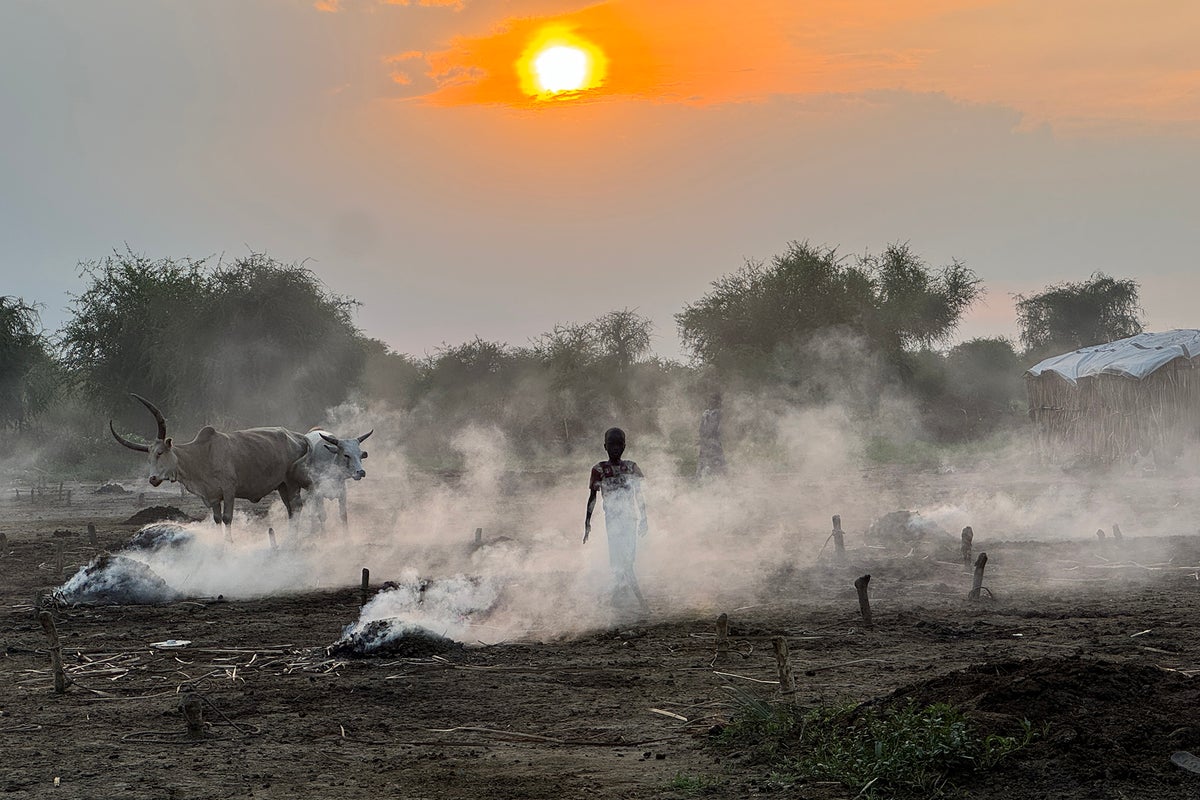
There are deep fears that soon the government may strike here again – maybe with air raids.
Watch the full investigation on YouTube to see what happens when a nation's survival is outsourced, and what it will take to break the cycle.
This would mean bowing to oscow’s demands that eastern Europe reduce its military capabilities and withdraw Nato bases and other capabilities to defend the region.
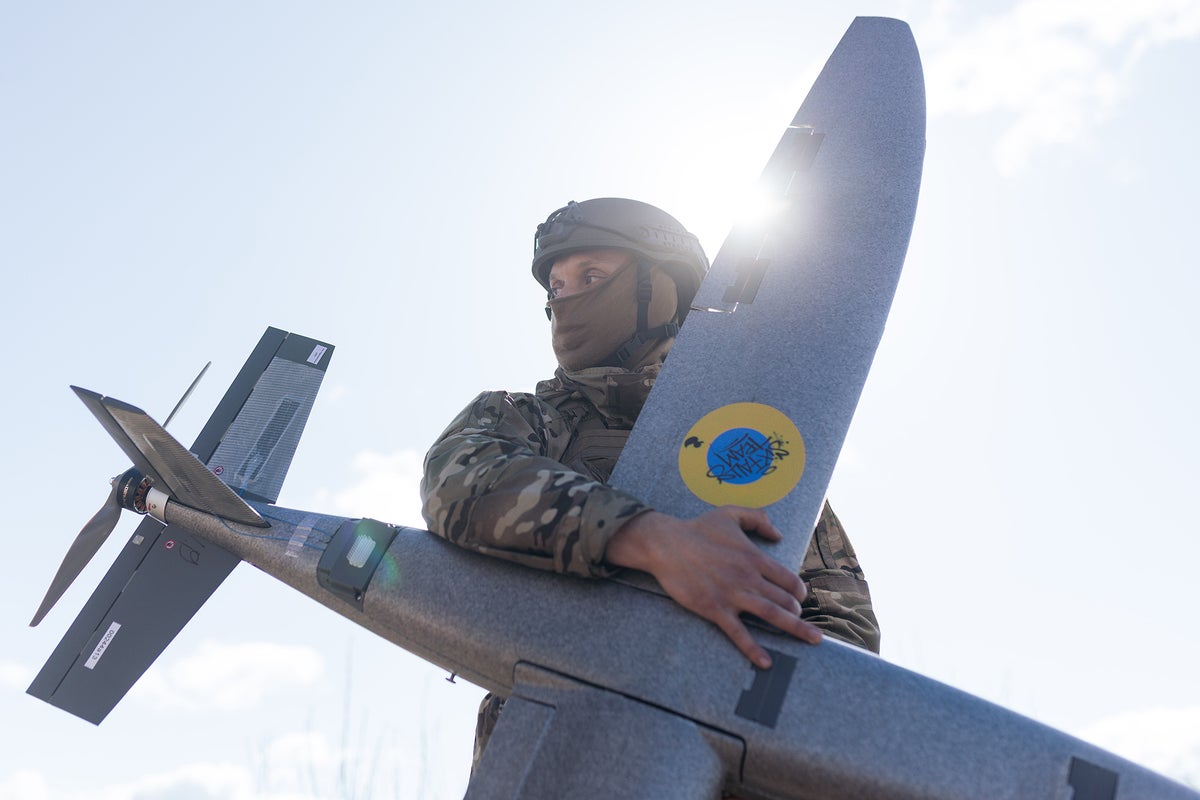
Were Ukrainian levels of UAV use to be adopted by the British Army, approximately 45% of the formation would make up the UAV enterprise,” the report says.
“We only cared that our weapons would be effective on the front line, not on some paperwork.
The meeting of leaders of three of the world’s great powers should be a cause for some celebration - not the consternation that a gathering of Donald Trump, Xi Jinping and Vladimir Putin will generate this week.
Lately there have been intelligence warnings that an embattled Putin may strike at a Nato flank, or fringe location, to test the resolve of the most powerful military coalition on earth.
Putin will have the US president to thank for that.
Also by Sam Kiley
Nothing else under this byline is closely related to this article, so these are simply their most recent.
All 9 articles by Sam Kiley →

Topics

Arab British Muslim SPLA Sudan

Subjects

Garang PERSON · 2× Machar PERSON · 2× Riek Machar PERSON · 2× SPLA ORG · 2× Arab NORP · 1× British NORP · 1× Christians NORP · 1× Muslim NORP · 1× Sudan GPE · 1× the Sudan People’s Liberation Army ORG · 1×

Narrative

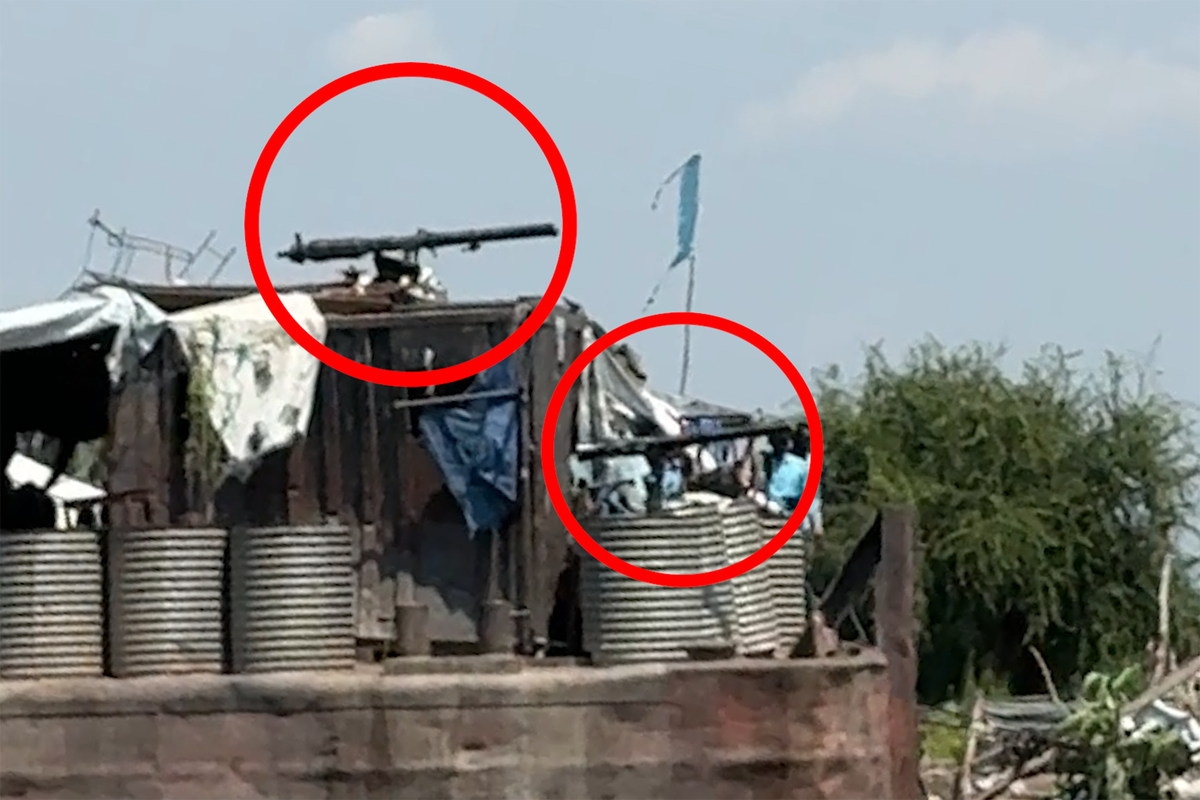
Earlier this year the government, claiming to be targeting Machar’s rebels, bombed several hospitals in rebel-held areas. The government also threatened to wipe out whole communities as fighting spread along the White Nile into the north and east.
framing: assertive · carried by 1 article(s) · first seen 2026-11-28
Just as they were entitled to harvest whatever they could from the global taxpayer during their liberation war.
2026-11-28 · The Independent
South Sudan: a country of conflict · assertive framing

Claims (11 extracted, 1 hedged)

First, there was the fight for separation from the Arab-ruled Muslim-dominated north of the vast country, where southerners were Christians and animists. asserted
southerners → be → country
Through the 80s and 90s rebels, fighting under the banner of the Sudan People’s Liberation Army, caused far more deaths through internal conflict and famine, than those who were killed in actual combat against the north. asserted
who → fight → north
Crucially, much of the internecine strife was between the ethnic Dinka of SPLA leader John Garang and Riek Machar, an ethnic Nuer who split from Garang in 1991. asserted
who → split → 1991
Other southern warlords and breakaway groups were often funded by the north - but most of the killing, and all of the dying from famine, was by southerners. asserted
warlords → fund → southerners
Then, the post-independence civil wars in South Sudan have also been between Garang’s successor, Salva Kiir (the president), and his old rival Riek Machar, acting as vice president. asserted
wars → act → president
The most recent round of fighting was set off when Machar was detained in the capital, Juba, where he is on trial for treason. asserted
he → set → treason
Earlier this year the government, claiming to be targeting Machar’s rebels, bombed several hospitals in rebel-held areas. The government also threatened to wipe out whole communities as fighting spread along the White Nile into the north and east. asserted
fighting → claim → north
In the early 1990s, a report leaked to me from inside the UN concluded that around 80 per cent of help going to UN’s Operation Lifeline Sudan, as the global humanitarian response was called then, was being taken by the SPLA rebels. asserted
response → leak → rebels
Hospitals, schools, refugee camps in-country and in Kenya, food supplies, roads - all the responsibilities of local leadership - were supported by foreigners trying to “help”. asserted
Hospitals → support → foreigners
The result, today, is that former rebel leaders in government see themselves now, as they did then, as entitled to the largesse of national revenues. asserted
leaders → see → revenues
Just as they were entitled to harvest whatever they could from the global taxpayer during their liberation war. uncertain
they → entitle → war

Give feedback · no sign-in needed

No sign-in needed for now. Your note is sent without a name, so it cannot be answered.

History Support