That is 0 articles you have read today.
The Aporia is free and carries no advertising, so readers are the only
thing paying for it. If you are getting this much out of it, a small
donation is what keeps it independent.
You have read 0 articles today.
That is more than the 15 a day The Aporia gives away,
and well past what it can carry on nothing. Your allowance resets at
midnight.
There is no advertising here and nothing about you is sold, so readers
are the only thing paying for it. If the site is worth this much of
your day, it is worth a few dollars.
Everything else stays open: the front page, the
directory and search do
not count against this, and neither does re-opening something you have
already read today.
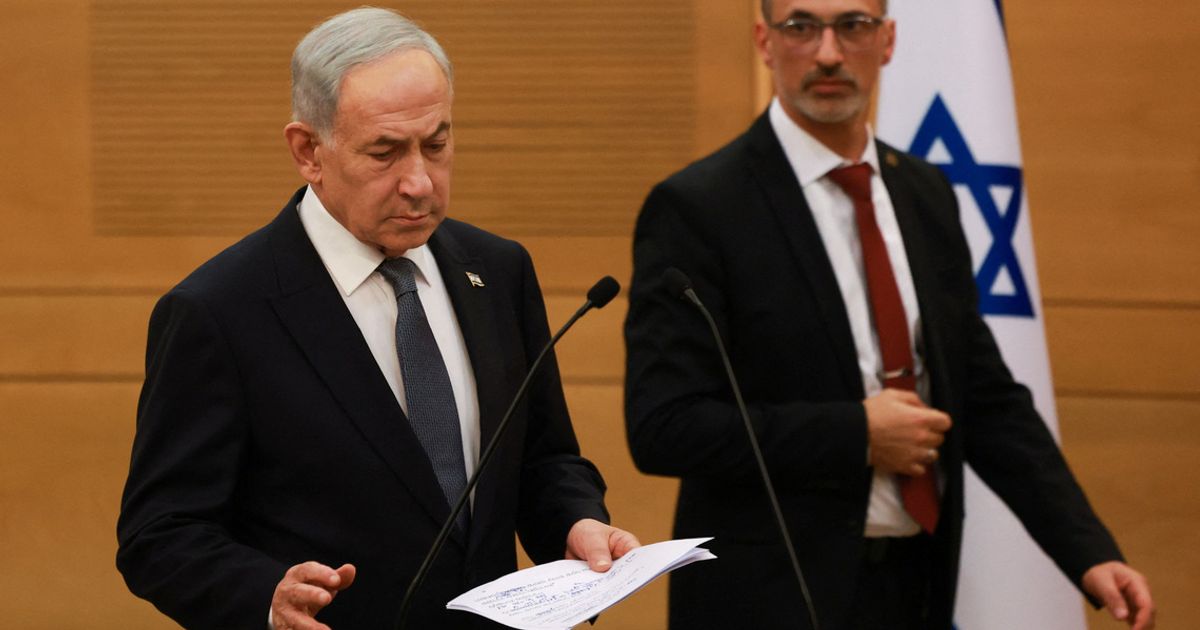
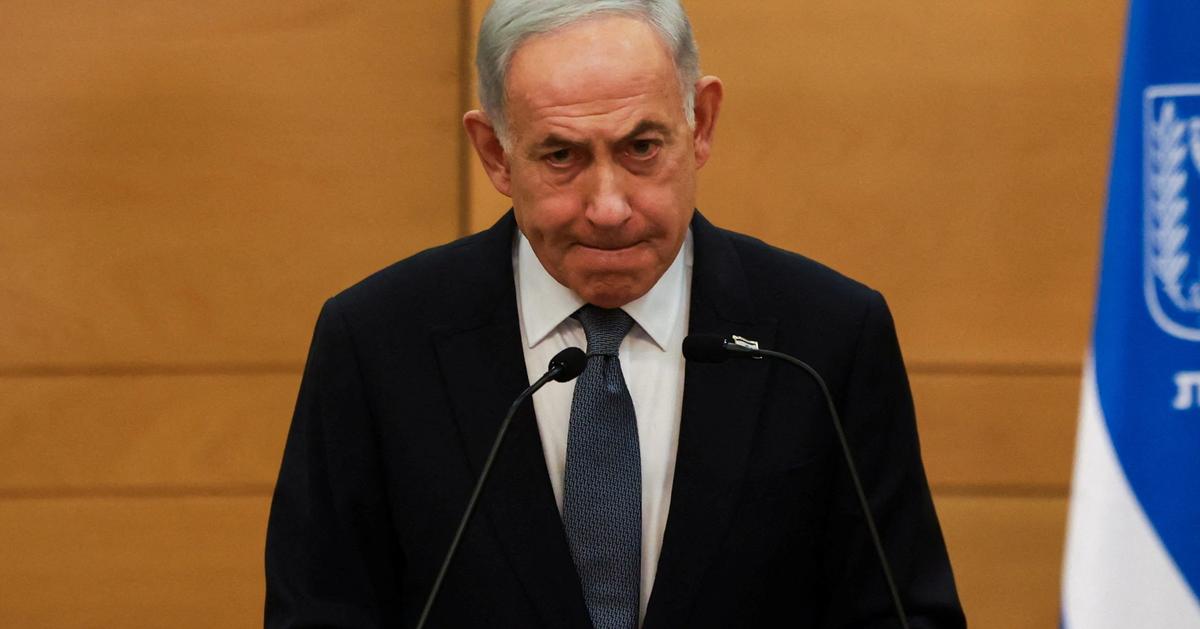
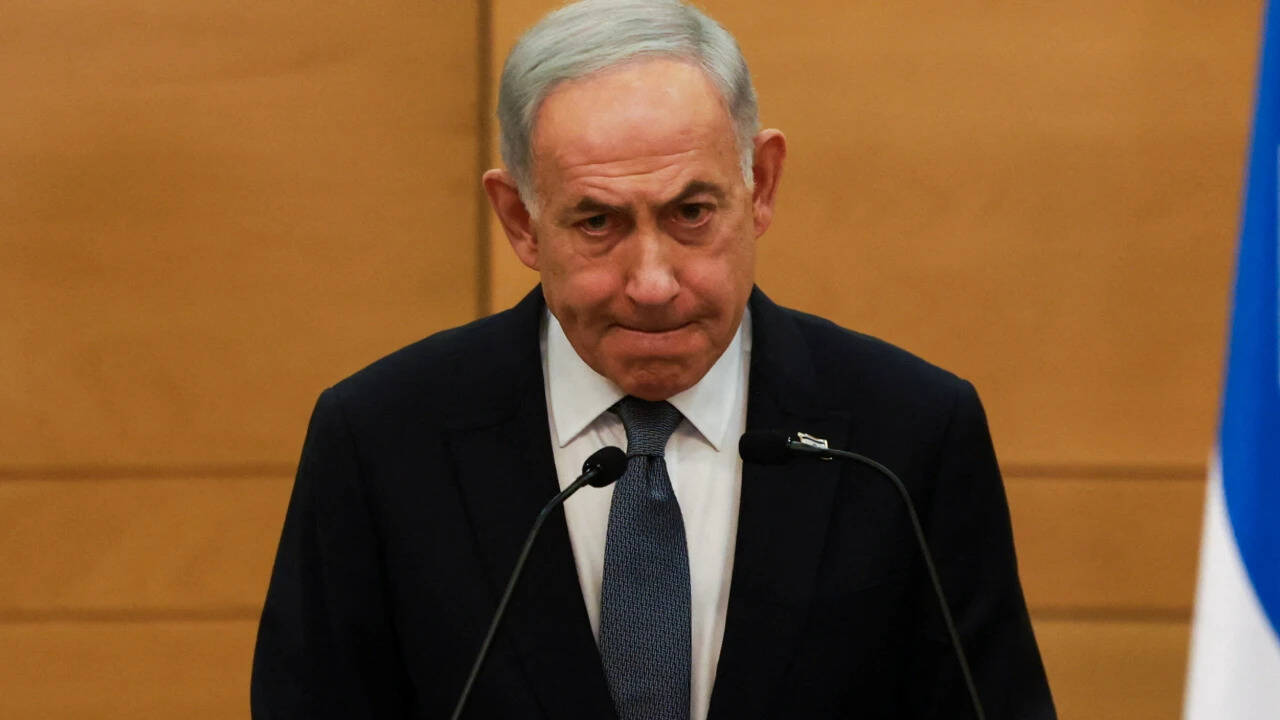
Photo via Al Jazeera
Why Benjamin Netanyahu’s corruption trial could be unravelling
Why Benjamin Netanyahu’s corruption trial could be unravelling. (2026, November 27). Al Jazeera. https://www.aljazeera.com/video/newsfeed/2026/11/27/why-benjamin-netanyahus-corruption-trial-could-be-unravelling?traffic_source=rss
“Why Benjamin Netanyahu’s corruption trial could be unravelling.” Al Jazeera, 27 Nov. 2026, https://www.aljazeera.com/video/newsfeed/2026/11/27/why-benjamin-netanyahus-corruption-trial-could-be-unravelling?traffic_source=rss.
“Why Benjamin Netanyahu’s corruption trial could be unravelling.” Al Jazeera, November 27, 2026. https://www.aljazeera.com/video/newsfeed/2026/11/27/why-benjamin-netanyahus-corruption-trial-could-be-unravelling?traffic_source=rss.
Dated from the outlet's own feed. Check the original for its byline.
This article discusses potential developments in Benjamin Netanyahu's corruption trial as of November 27, 2026. It examines factors that might lead to the unraveling of the case against the former Israeli prime minister, focusing on legal and political dynamics.
Written by AI on 2026-11-27,
from this article's own text only (the story summary below draws on all the coverage).
Judges in Benjamin Netanyahu's long-running corruption trial recommended that prosecutors drop the most serious charge, known as Case 4000, potentially boosting Netanyahu's political survival as caretaker prime minister. The judges, who expressed doubt about the viability of conviction in two of the cases against Netanyahu, suggested reconsidering Case 2000 and urged shelving Case 1000. Attorney General Gali Baharav-Miara stated she would consider the judges' recommendations during a hearing on November 25, 2026, in Jerusalem District Court. This development comes as Israel's opposition advances an amendment to prevent Netanyahu from reentering government, moving closer to forming a coalition that excludes the country’s longest-serving leader.
Written for “Netanyahu Corruption Trial Unravels” on 2026-11-28,
grounded in this article and the 14 other(s) covering the same event.
One AI summary per outlet of its latest article on this story, written from that article alone and checked against it. Open the article for the outlet's own words.
Al JazeeraThis outlet27 Nov
This article discusses potential developments in Benjamin Netanyahu's corruption trial as of November 27, 2026. It examines factors that might lead to the unraveling of the case against the former Israeli prime minister, focusing on legal and political dynamics.
Why Benjamin Netanyahu’s corruption trial could be unravelling (this article)4 articles from Al Jazeera on this storyThe Straits Times25 Nov

On November 25, Israeli judges recommended that prosecutors drop one of three bribery cases against Prime Minister Benjamin Netanyahu, specifically Case 4000, which involves allegations that Netanyahu granted regulatory favors worth approximately $500 million to Bezeq Telecom in exchange for positive media coverage. The judges also suggested reconsidering Case 2000 due to doubts about its criminal nature. Netanyahu…
Judges in Benjamin Netanyahu’s corruption trial suggested dropping charges in two of the three cases against him due to low chances of conviction. In a brief hearing, Judge Rivka Friedman-Feldman expressed doubts about the evidence in Case 4000 and Case 2000, indicating potential dismissal of the first case and requiring further arguments for the second. For the third case, the judge suggested moving toward a…
Israel’s Supreme Court has advised Attorney General Gali Baharav-Miara that the ongoing prosecution of Prime Minister Benjamin Netanyahu for bribery is unlikely to succeed, particularly regarding the most serious charge in Case 4000. This warning came during a court hearing on Wednesday, where justices indicated that the prosecution’s efforts might be futile and suggested that prosecutors consider alternative legal…
Israeli judges have recommended that prosecutors drop the most serious bribery charges against former Prime Minister Benjamin Netanyahu, potentially clearing the path for him to avoid conviction in the three corruption cases he faces. The judges, in a highly unusual move, summoned the attorney general to express their doubts about the likelihood of conviction in the first case, known as Case 4,000, and suggested…
Judges in Benjamin Netanyahu’s corruption trial recommended prosecutors drop the most serious charge against him, providing a boost to the embattled Israeli prime minister. Netanyahu responded by saying the trial had “fallen” and praising the decision as a sign of truth and justice. This development coincides with opposition parties moving closer to forming a coalition government without Netanyahu, who remains…
Three judges presiding over Benjamin Netanyahu's corruption trial have questioned the validity of two of the three cases against him, suggesting a low chance of conviction. This development comes as Netanyahu, who is behind in the race to form a new government after recent elections, faces accusations of receiving gifts from Australian billionaire James Packer. The judges' comments effectively encourage prosecutors…
Israeli Prime Minister Benjamin Netanyahu declared his corruption trial had "fallen apart" after judges questioned key charges and suggested prosecutors might need to reconsider the cases. The Jerusalem District Court panel raised doubts about the strength of evidence in three cases involving bribery, fraud, and breach of trust, including allegations that Netanyahu exchanged regulatory favors for positive media…
Israeli judges expressed significant doubts about the viability of three corruption cases against Prime Minister Benjamin Netanyahu, urging prosecutors to reconsider the charges. The judges noted low chances of conviction in Case 4,000 and questioned whether a crime was committed in Case 2,000, while leaving open the possibility of conviction in Case 1,000. Attorney General Gali Baharav-Miara responded that she…
Judges in Benjamin Netanyahu's ongoing corruption trial have urged prosecutors to reconsider their case, particularly suggesting the dropping of bribery charges in Case 4000, which involves Netanyahu allegedly using his influence to benefit Bezeq in exchange for favorable media coverage. In another case, Case 2000, the judges questioned whether the described conduct constitutes a criminal offense. The court's…
Israeli Prime Minister Benjamin Netanyahu received a significant legal victory when judges in his years-long corruption trial suggested the prosecution reconsider or modify its approach in two of the three cases against him. The judges recommended a plea deal for Case 1000, which involves charges of fraud and breach of trust related to Netanyahu accepting gifts worth nearly $200,000 from Israeli film producer Arnon…
Leans right
Hedges 4 of 7 claimsOutlet record 72/100
“The articles describe different events involving Benjamin Netanyahu: one discusses his corruption trial, and the other his political maneuvering to maintain power by offering a unity appeal to his rival.”
“Article A reports on a specific recommendation by judges to drop one bribery case against Netanyahu on a certain date, while Article B provides a broader analysis of Netanyahu's trial unraveling on a later date.”
“The articles discuss different moments in Netanyahu's corruption trial, with Article A focusing on judges recommending the drop of the most serious charge on November 25, while Article B discusses the broader implications and potential unraveling of the trial on November 27.”