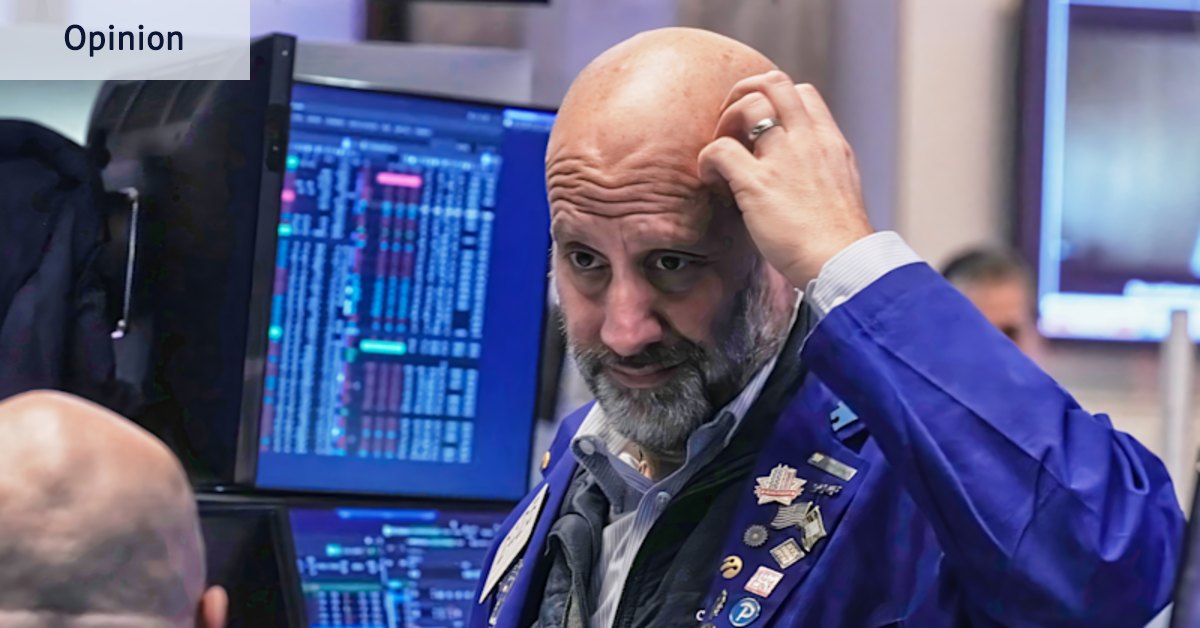
It is fitting that, on the day that Donald Trump announced his latest slate of tariffs on America’s major trading partners, there was a release of US inflation data showing yet another “hot” reading.
asserted
Trump → announce → reading
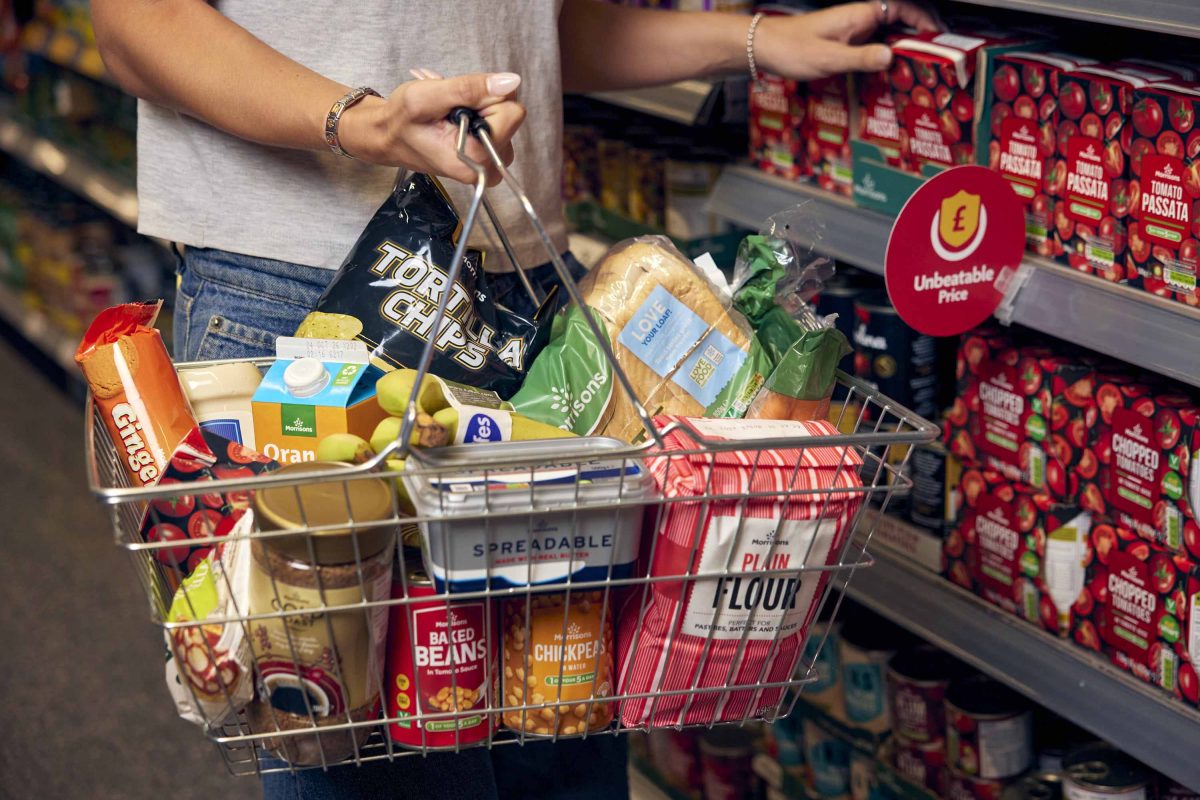
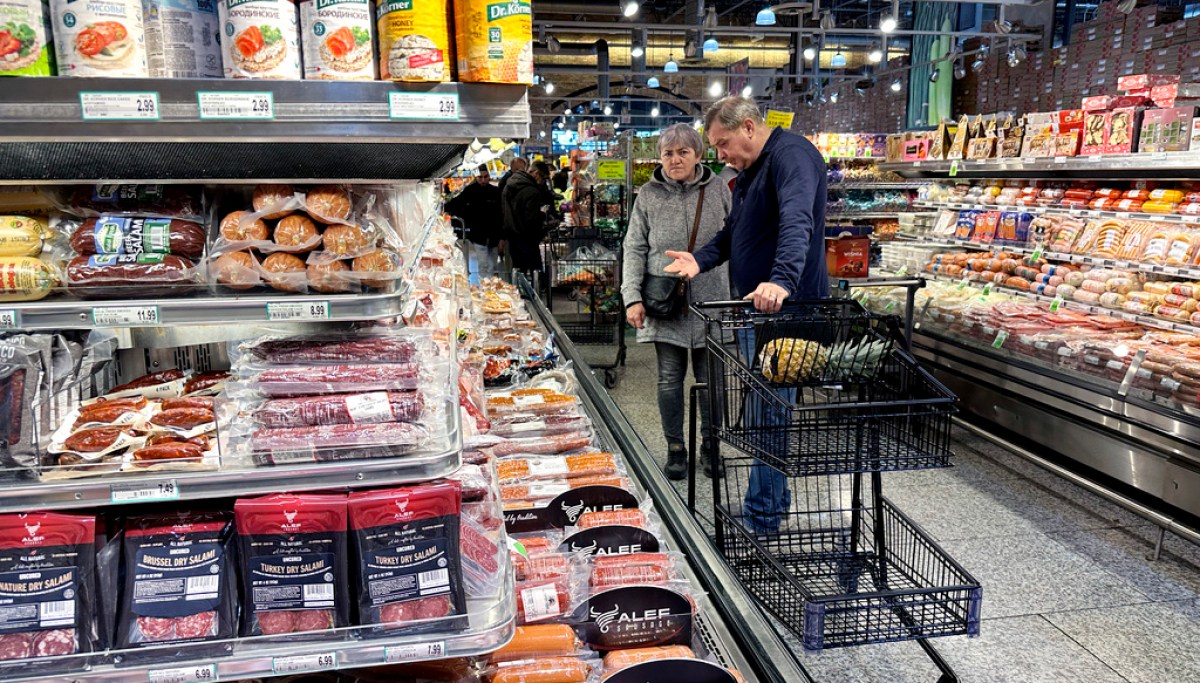
While Trump might still (erroneously) believe that exporters to the US pay his tariffs, the reality is that they don’t – US companies and consumers do – and therefore the cost of his trade war on the rest of the world feeds into the US inflation rate and is ultimately borne by US households.
uncertain
cost → believe → households
US voters recognise that – an NBC News exit poll taken during the US midterm elections earlier this month found that 66 per cent of those polled believed tariffs had hurt the economy.
asserted
tariffs → recognise → economy
Tariffs, the war in the Middle East and the boom in artificial intelligence have been major influences over a US inflation rate that continues to edge up.
asserted
that → continue → rate
The US Federal Reserve Board is expected to raise US rates for the second time this year when it meets early next month, with the 3.8 per cent headline inflation rate posted for October probably locking the increase in.
asserted
rate → expect → increase
Excluding energy and food costs, the “core” inflation rate preferred by the Fed rose 3.3 per cent, the highest rate in three years and well above the Fed’s target of 2 per cent.
asserted
rate → exclude → cent
Just as the effects of Trump’s earlier rounds of tariffs were starting to fade from the inflation data, the self-described “Tarrif Man” has struck again.
asserted
Man → start → data
On Wednesday, the US Trade Representative’s office unveiled the proposed new tariffs on China, the European Union, Japan and 11 other economies, mainly in South-East Asia.
asserted
office → unveil → Asia
The new tariffs are the second leg of the new tariff strategy foreshadowed earlier this year as the permanent replacement for those knocked out by the Supreme Court which, so far this year, has forced the administration to refund nearly $US130 billion ($196 billion) of those tariffs’ revenues, with interest, to importers.
asserted
which → foreshadow → importers
The first tranche, which took effect in July, used the pretext of countries not doing enough to prevent imports from forced labour, imposed tariffs of either 10 per cent or 12.5 per cent on about 60 countries that, between them, supply about 99.4 per cent of all imports to the US.
asserted
that → take → US
Australia was hit with a 12.5 per cent rate.
asserted
Australia → hit → rate
Those tariffs have been challenged in the US Court of International Trade, where the judges have been giving signals that aren’t encouraging for the administration.
asserted
that → challenge → administration
Earlier “interim” tariffs that bridged the gap between those that the Supreme Court struck down and the forced labour tariffs were also deemed illegal by the Court of International Trade, with the administration currently appealing that judgement, which would force another round of tariff refunds.
asserted
which → bridge → refunds
The new tariffs announced this week use Section 301(b) of the US Trade Act, which allows an administration to impose tariffs in response to foreign government acts, policies, or practices that are deemed unreasonable or discriminatory and burden or restrict US commerce.
asserted
that → announce → commerce
They’ll almost certainly also be challenged in the courts by US importers, although Section 301 has been extensively tested in the courts before and held up under challenge.
asserted
Section → challenge → challenge
There is, it should be said, slightly more legitimacy to the use of Section 301, particularly as it relates to China, than the Liberation Day tariffs that Trump is clearly trying to replicate.
asserted
Trump → be → that
The damage that Trump’s misconceived fixation with tariffs and trade deficits has done to America’s relationships with the rest of the world, and America’s allies in particular, will be lasting.
asserted
fixation → do → world
The administration is essentially arguing that government subsidies and other non-market measures have created excess capacity in the countries targeted, flooding global markets with cheap goods, undermining US companies and costing the US jobs and investment.
asserted
subsidies → argue → jobs
The US isn’t unique in pointing a finger at China, where key strategic sectors have been explicitly targeted for global growth and have received layers of government subsidies and support.
asserted
sectors → point → subsidies
China is on track to post a record trade surplus of more than $US1.2 trillion this year.
asserted
China → post → trillion
In Europe, there is weak economic growth and a high cost of living and capacity utilisation rates within its industries have, ironically, been impacted by a tide of Chinese imports; in China the continuing collapse of its property market over the past five years has undermined households’ wealth and their willingness and capacity to consume.
asserted
collapse → be → wealth
That blunts the sharpest edge of the accusations that economies with a surplus of capacity to their domestic demand are unequivocally engaging in unfair trade.
asserted
economies → blunt → trade
With America’s industrial capacity utilisation rate only just above 75 per cent last month it, too, could be accused, using its own framework, of having structural excess capacity that enables unfair trading by US companies and distorts global trade.
uncertain
that → accuse → trade
The Trump administration, of course, isn’t concerned about appearing hypocritical or even the validity of its arguments.
asserted
administration → appear → arguments
It just wants to replicate the tariffs and revenue lost by the Supreme Court’s decision on Trump’s first attempt at a new, “America First,” global trade order.
asserted
It → want → order
The forced labour and excess capacity headings are just the means it devised to achieve that end.
asserted
it → force → end
The new tariffs don’t “stack” onto pre-existing tariffs and in many of the cases leave pre-existing trade deals or the forced labour rates unchanged – provided the countries honour their trade deals or, if they haven’t already got one, negotiate a deal.
asserted
they → stack → deal
For China, the 20 per cent rate is the current rate, at least until the trade peace deal in place with the US expires in January.
asserted
deal → expire → January
The US has set a “proposed” rate of 40 per cent if, when that standstill agreement expires next year, the trade war flares again.
asserted
war → set → cent
The EU’s 15 per cent rate, set by a negotiated deal, remains as long as the terms are met, as is the case with Japan.
asserted
case → set → Japan
Most of the South-East Asian economies face an 18 per cent duty, although Vietnam’s will be 20 per cent if a trade deal is concluded and up to 35 per cent if it isn’t.
asserted
it → face → duty
Australia isn’t hit by the new tariffs.
asserted
Australia → hit → tariffs
The best estimates of the revenue potential of the combination of tariffs that will be in place once a round of public submissions on the excess capacity has been received (and inevitably ignored) are that they won’t raise as much as Trump’s Liberation Day tariffs, but will still generate considerable income from what is essentially a consumption tax levied on US consumers.
asserted
what → receive → consumers
The impact on US households led the Democrats to promise to do what they can to remove the tariffs and limit the presidential authority to use the discretionary power on trade that Congress has delegated to the White House.
asserted
Congress → lead → House
Absent a “super majority” in Congress – a 66 per cent vote in favour of a bill in each of the House and Senate – however, the Democrats can’t override Trump’s ability to veto any attempt to curtail his trade powers.
asserted
Democrats → override → powers
While there are a lot of Republicans who are free-traders and detest Trump’s tariffs, particularly those on close allies like the EU, Australia and (especially) Canada, there probably aren’t enough of them prepared to defy Trump and the party to produce the super majority vote required.
asserted
who → be → vote
What the Democrats could do, and might do, is to try to attach a bill putting limits or at least some conditions requiring pe-approval for trade sanctions to an appropriations bill, threatening to withhold funding from the administration unless it agrees to pass its trade legislation.
uncertain
it → do → legislation
Ultimately, however, for the discretionary authority Congress has given presidents over trade matters to be formally wound back or removed, the Democrats would need to occupy the White House and control both chambers of Congress.
asserted
Democrats → give → Congress
That’s at least two years away.
asserted
That → ’ → ?
Even then, and regardless of whether the latest tariffs survive legal challenges, the damage that Trump’s misconceived fixation with tariffs and trade deficits has done to America’s relationships with the rest of the world, and America’s allies in particular, will be lasting.
asserted
fixation → survive → world
…and 1 more, not listed.

 The Aporia