Note: We are sharing this commentary without a paywall.
asserted
We → note → paywall
At this time last year, I wrote about a question very dear to me: how we speak to one another, how we love one another, and thus, how we exist as political beings.
asserted
we → write → beings
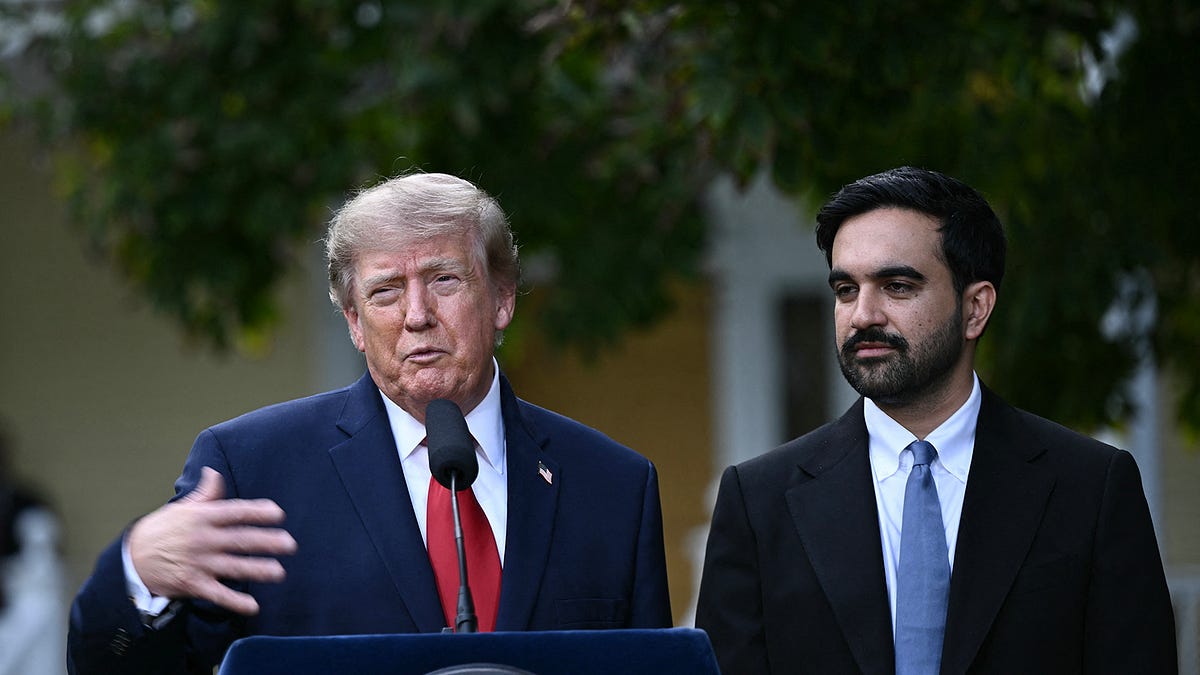
I referred to Zohran Mamdani and Donald Trump’s surprisingly warm relationship as a loose demonstration of what I was getting at.
asserted
I → refer → what
Since then, that relationship has continued, much to Mamdani’s benefit.
asserted
relationship → continue → benefit
All the while, as we enter the holiday season, and approach 2028 – and many people you know are already adopting Pundit Brain instead of just saying what they think – my argument is, for better or for worse, relevant once again.
asserted
argument → enter → what
That’s why we are resharing my piece on how to talk about politics at Thanksgiving with people you love.
asserted
you → ’ → people
I’d love to hear your response to it in the comments below.
asserted
I → love → comments
Every Thanksgiving, at least in the U.S., there’s routine fodder plated up as an appetizer: ‘Here’s what experts say’-style articles providing tips to script away discomfort.
asserted
experts → ’ → discomfort
Be careful whom you invite.
asserted
you → invite → whom
You don’t have to argue about everything.
asserted
You → have → everything
But the genre feels mere degrees away from the guidance politicians get from overpaid suits-and-ties: Sanitize your views, preempt tough conversations, smooth over possible friction by ‘meeting someone where they are’ (which they ultimately translate to mean ‘watering yourself down’).
asserted
they → feel → yourself
It’s all about appearing pragmatic, respectable, realistic.
asserted
It → ’ → ?
Sometimes, it feels like we put on those ties, too.
asserted
we → feel → ties
Instead of just saying what we think, we hyper-
asserted
we → say → what
focus on what we believe other people think.
asserted
people → focus → ?
Fixating on polls and odds and whether something helps a political party overshadows the stakes of an issue itself.
asserted
something → fixate → issue
We don’t talk about displaced migrants, we talk about campaign ads.
asserted
we → talk → ads
We don’t talk about poisoned lakes or dying bees, we talk about how a hypothetical median voter feels about kids defacing a glass-protected painting in an act of climate-inspired protest.
asserted
kids → talk → protest
We don’t talk about 20,000 killed children in Gaza, we talk about how discussing this or that does not help your cause.
asserted
discussing → talk → cause
Political discussions can end up being so steeped in secondhand opinion it becomes unclear what we ourselves think.
uncertain
we → end → what
And when we behave this way, we actually aren’t fueling this “more productive” discourse we’re told we create by diluting ourselves.
asserted
we → behave → ourselves
We’re simply mimicking the same political class that’s helped make us feel so polarized, and so unproductive, in the first place.
asserted
us → mimic → place
So, my Thanksgiving plea: Just say what you think!
asserted
you → say → what
And we have an ongoing example of what this looks like in practice, at least for elected officials: Zohran Mamdani and Donald Trump.
asserted
this → have → officials
Showing How It’s Done
asserted
It → show → ?
Last year, Mamdani went to the Oval Office, amid earlier threats by Trump to pull funding from New York City and to deploy troops to it.
asserted
Mamdani → go → it
My interest in the meeting was not in psychoanalyzing the president’s surprising warmth toward the New York City mayor-elect.
asserted
interest → psychoanalyze → elect
Politics, as Trump’s shown us for a decade, is wrapped up in performance, and the connoisseur himself is doubtful to forget that.
asserted
connoisseur → show → that
And performance is something all politicians participate in.
asserted
politicians → participate → ?
They’re modeling aesthetic and behavior as a signal to other politicians and big media and lobbyists – and downwards, to journalists and commentators and ultimately the rest of us.
asserted
They → model → us
Let’s consider Mamdani’s signaling.
asserted
’s → consider → signaling
In a room crowded with more reporters than some world-leader visits, the 34-year-old mayor-elect didn’t falter.
asserted
elect → crowd → visits
He didn’t back down on his positions.
asserted
He → back → positions
He didn’t even take back calling Trump a fascist!
asserted
He → take → Trump
He was walking a tightrope, seeking to show both Trump – and importantly, everyone else – he was there to advocate for his constituents.
asserted
he → walk → constituents
But that didn’t lead him to preemptively show himself as malleable, chameleonic.
asserted
that → lead → himself
Heck, he straight-up condemned Israel’s genocide of Palestinians, right next to a man complicit in it.
asserted
he → condemn → it
Mamdani earnestly appealed to Trump’s purported focus on common goals like affordability and their mutual love of New York.
asserted
Mamdani → appeal → York
He used that commonality as an entry point, such that even if he hadn’t connected with Trump, he at least would’ve connected with those watching.
asserted
he → use → those
He didn’t sanitize Trump, or even say Trump was actually achieving his purported goals.
asserted
Trump → sanitize → goals
…and 42 more, not listed.
 The Aporia