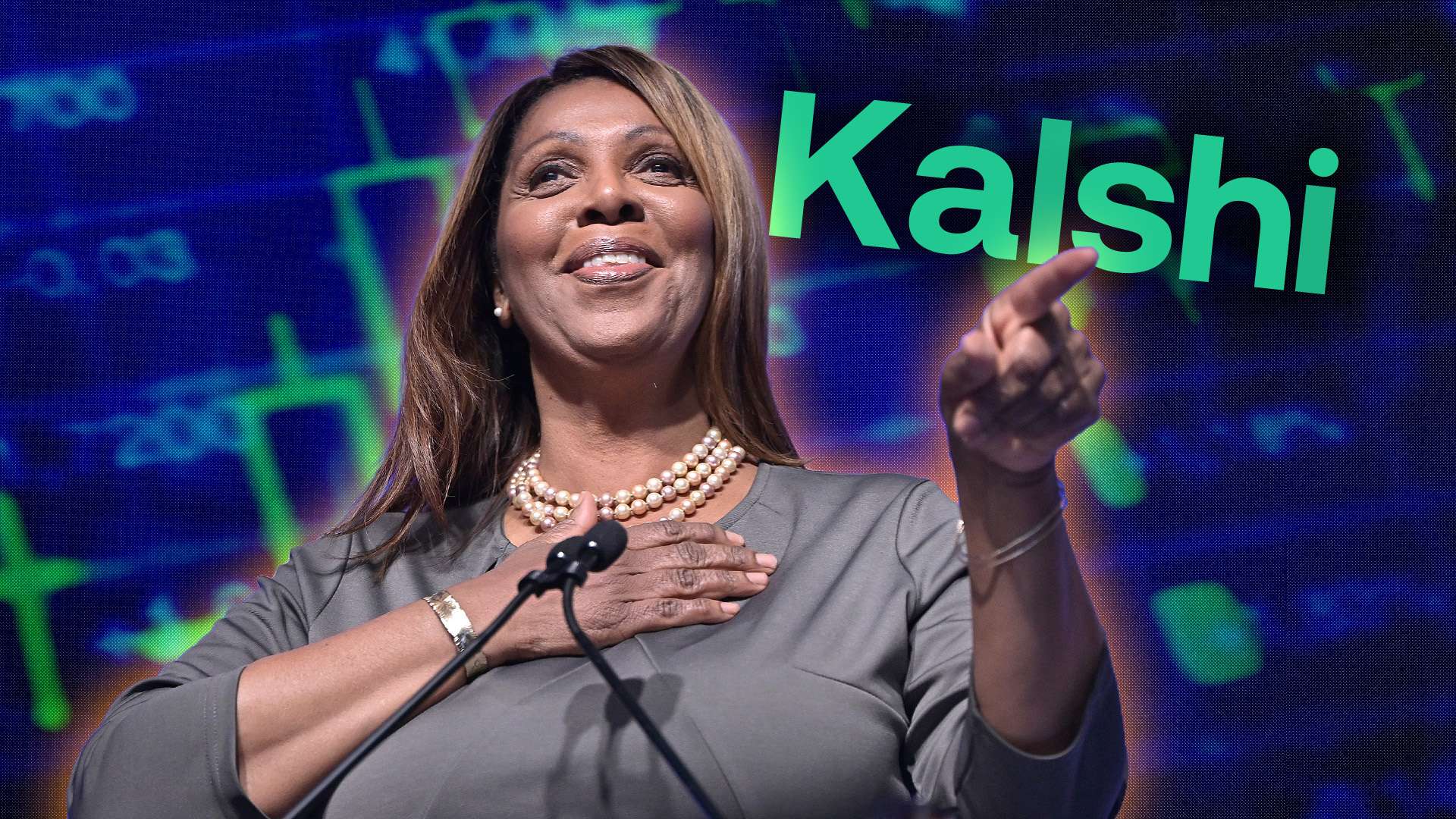
A New York City Council report released Tuesday found that users ages 18–20 accounted for about 17 percent of the $52.5 million the city's users lost on prediction markets between January and November.
asserted
users → release → January
That's compared with institutional users—such as brokers, exchanges, and hedge funds—who gained over $340 million trading on prediction markets during the same time period.
asserted
who → compare → period
This revelation hasn't sat well with council members, including Speaker Julie Menin, who on Tuesday accused prediction market platforms such as Kalshi and Polymarket of "targeting young people with deceptive, predatory marketing practices" that are "tragically" working.
asserted
that → sit → practices
Menin said that because of the report's findings, the City Council would "hold a hearing to consider first-in-the-nation regulations" for prediction markets.
asserted
Council → say → markets
She added that the council expects the executives of these platforms to testify.
asserted
executives → add → platforms
Menin ignores the fact that institutional users are professional traders who likely have more experience with derivatives markets than the average under-21-year-old New Yorker.
asserted
who → ignore → Yorker
They also have better resources.
asserted
They → have → resources
In May, a University of San Diego study found that institutional users partly owe their success to a timing edge gained from trading with automated bots since retail traders tend to enter contract markets after prices have already adjusted and most of the value has disappeared.
uncertain
most → find → value
Menin isn't the only New York government official going after prediction markets.
asserted
Menin → go → markets
On Monday, CNN reported that New York County Supreme Court Justice Melissa Crane denied Attorney General Letitia James' request for a temporary restraining order that would have prohibited Kalshi from operating in the state as James' legal battle against the company continues.
asserted
battle → report → company
During the hearing, Brent Tomer, the assistant attorney general for New York's Investor Protection Bureau, said that the state was not "seeking to shut down Kalshi entirely," according to Front Office Sports.
uncertain
state → say → Sports
Yet a restraining order would do exactly that, preventing the company from offering its services to the 1.5 million users in the state already trading on the platform.
asserted
order → do → platform
Crane was unmoved by Tomer's argument that by allowing Kalshi to continue operating as an unlicensed gambling platform, New York wouldn't be able to collect on its gambling tax, which would seize over 50 percent of Kalshi's revenue.
asserted
which → allow → revenue
Rather than rule prematurely, Crane preferred to "wait and see" whether the U.S. Supreme Court would weigh in on who can regulate prediction markets, since its decision would bind her, Front Office Sports reported.
asserted
Sports → rule → her
However, Crane did find merit in New York's concerns about young adults ages 18–20 using prediction markets like Kalshi.
asserted
Crane → find → Kalshi
The New York Times reported that she asked both parties to "discuss a way of safeguarding for that age group" by next week.
asserted
she → report → week
Short of barring users within that age group from prediction markets, it's unclear that any safeguards would satisfy New York officials, who have repeatedly referred to these platforms as illegal gambling products.
uncertain
who → bar → products
Crane's decision to deny New York's request for a temporary restraining order is a small victory for prediction markets, which state regulators have increasingly scrutinized.
asserted
regulators → deny → which
On Tuesday, Utah Attorney General Derek Brown moved to dismiss the state's criminal case against Kalshi after the prediction platform agreed to block access to its site by geofencing the state.
asserted
platform → move → state
Brown said Kalshi also "committed to monitor for Utah-based IP addresses trying to reach its site."
asserted
Kalshi → say → site
(Kalshi is a supporter of Reason Foundation, the nonprofit that publishes Reason.)
asserted
that → publish → Reason
At the federal level, the Commodity Futures Trading Commission (CFTC) is using its rulemaking authority to secure its jurisdiction over derivatives markets and exchanges, including prediction markets.
asserted
Commission → use → markets
On Monday, the CFTC published a final rule on data reporting for certain event contracts, replacing its previous "patchwork of non-action letters" with clear guidelines for markets and exchanges.
asserted
CFTC → publish → markets
The rule requires platforms to collect a host of personal information—including occupation and employer—of anyone trading a contract fully backed with collateral equal to the contract's maximum payout or loss.
asserted
rule → require → payout
Platforms must also collect the names of any guarantors or financial backers with at least a 10 percent stake.
asserted
Platforms → collect → stake
While the rule was still being finalized, Kalshi said that collecting the new trader data would require a compliance period of at least 12–18 months.
asserted
collecting → finalize → months
The rule appears to favor incumbents, placing an undue burden on smaller platforms and potentially preventing them from offering fully collateralized contracts altogether.
asserted
rule → appear → contracts
The Office of Information and Regulatory Affairs—part of the White House budget office—is also reviewing a June CFTC rule proposal that draws clear regulatory lines for event contracts under the agency's jurisdiction.
asserted
that → review → jurisdiction
The proposal specifically targets contracts that are against the public interest and those involving gaming, such as sports event contracts.
asserted
that → target → contracts
Under the proposed rule, the definition of gaming would include organized sports whose outcomes depend on skill, athletic ability, or luck.
asserted
outcomes → propose → skill
But sports event contracts would still fall under the agency's jurisdiction because the outcomes are verifiable and have broader implications than the game's result.
asserted
outcomes → fall → result
Of course, forcing prediction markets and the CFTC to hedge their bets against a tide of state regulators will only hurt American adults, who can decide for themselves whether it's in their financial interests to trade on these platforms.
asserted
it → force → platforms
 The Aporia