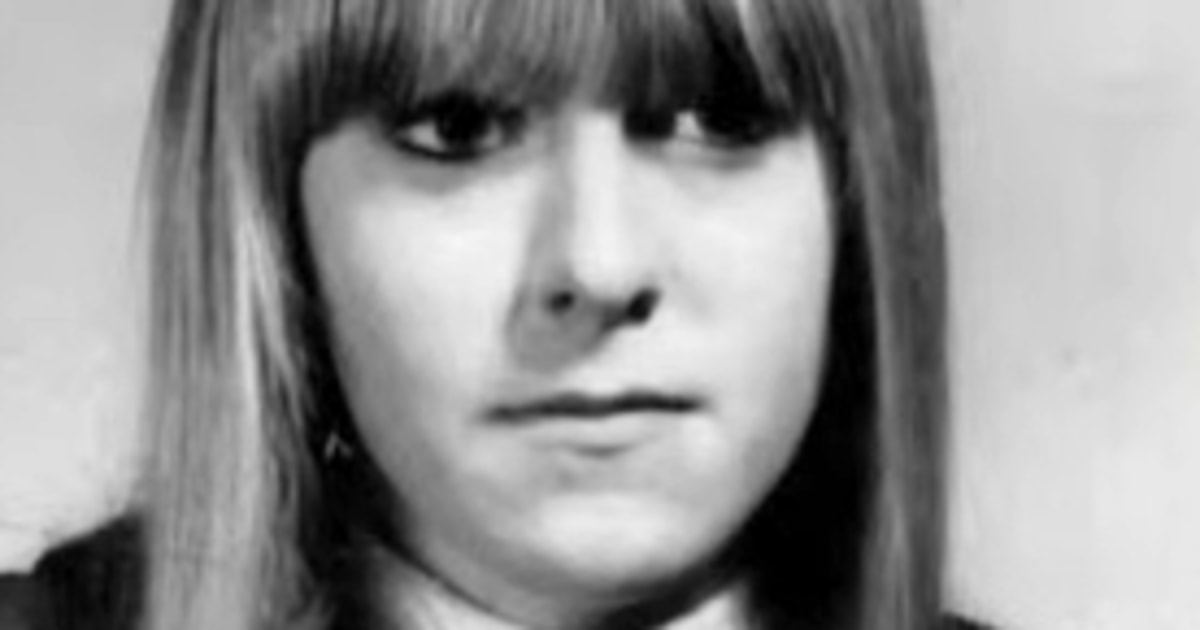
Police in Ontario, Canada, have identified a former firefighter as the man responsible for murdering a 16-year-old girl nearly 58 years ago, after modern DNA testing helped solve a case that remained unresolved for decades.
asserted
that → identify → decades
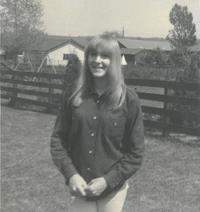
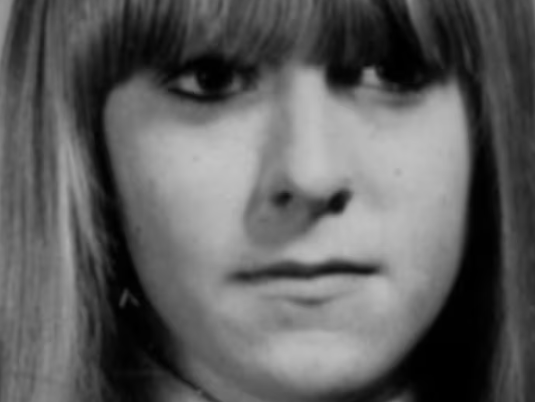
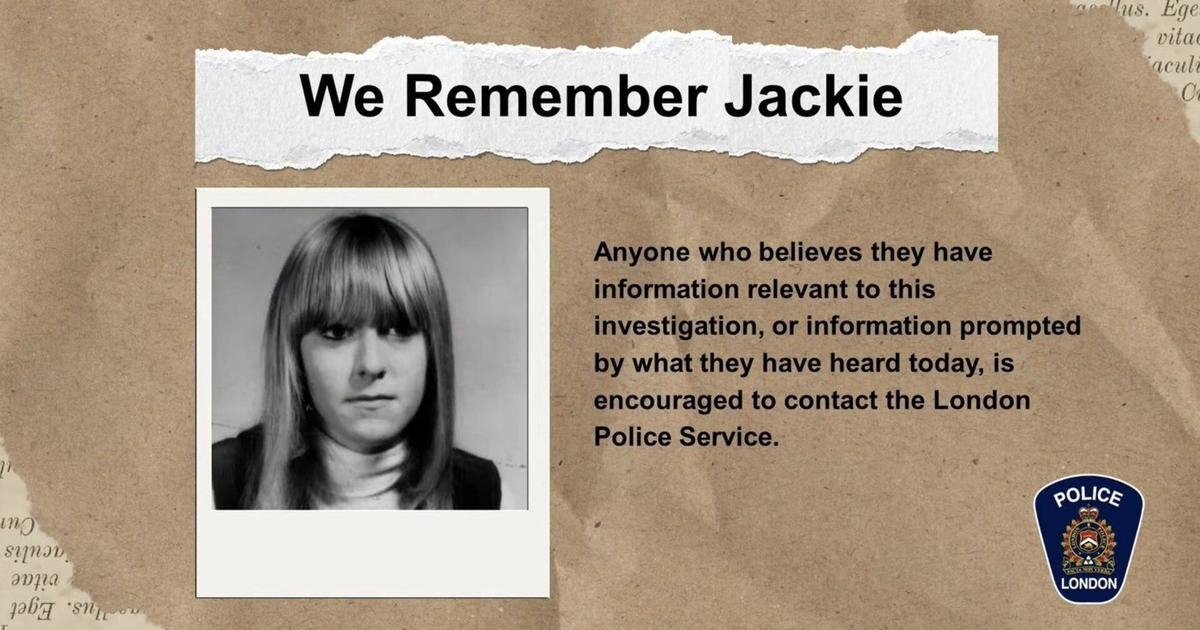
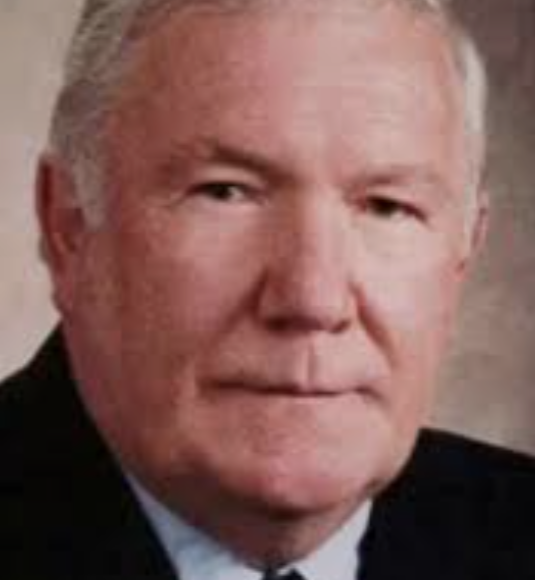
Investigators named Michael Joseph Moore, who died in 2018, as the suspect in the killing of teenager Jacqueline 'Jackie' Dunleavy.
asserted
who → name → Dunleavy
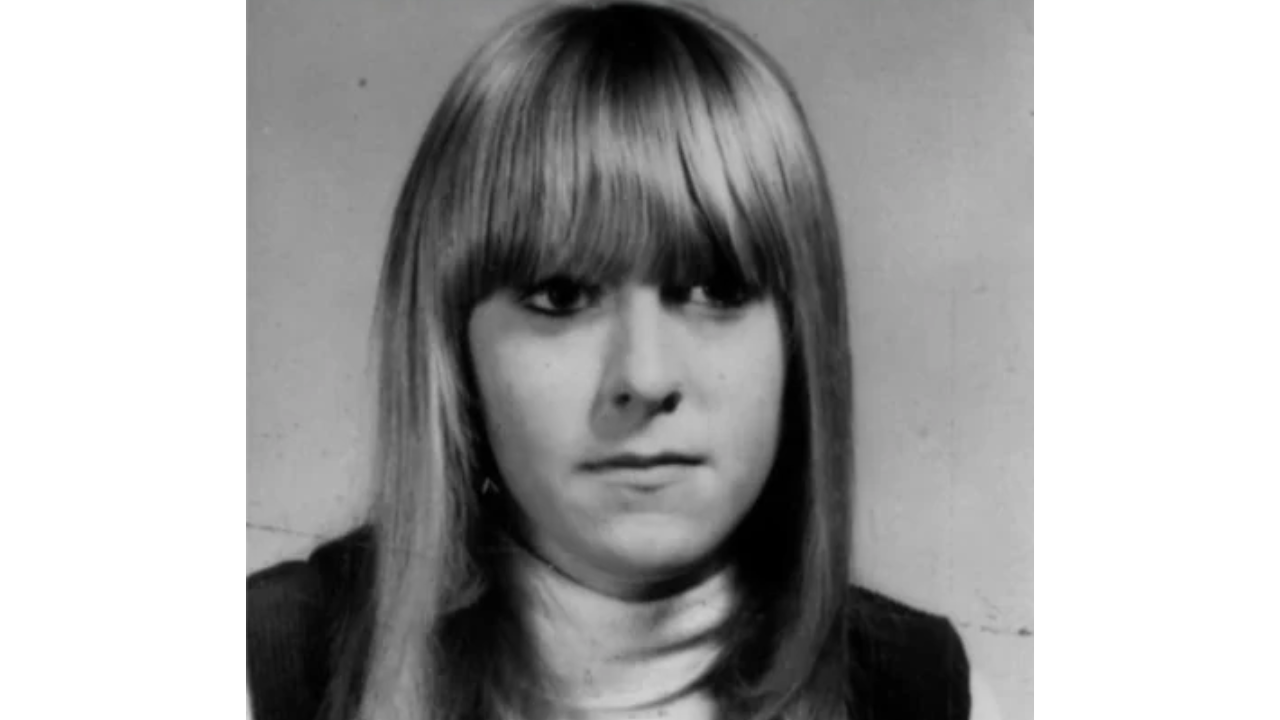
Dunleavy was found dead on January 9, 1968, after finishing her shift at a convenience store in London, Ontario.
asserted
Dunleavy → find → London
According to the London Police service, preserved biological evidence from the original investigation was re-examined using modern forensic technology and genetic genealogy, eventually leading investigators to Moore.
uncertain
evidence → accord → Moore
He was 25 at the time of the murder but died on March 3, 2018, before police identified him.
asserted
police → die → him
Consequently, no criminal charges can be filed against him.
asserted
charges → file → him
The breakthrough was announced at a police news conference on Monday.
asserted
breakthrough → announce → Monday
Chief Thai Truong said the outcome reflected the work of investigators across generations and the importance of preserving evidence for future forensic examination.
asserted
outcome → say → examination
Who was Jackie Dunleavy and what happened in 1968?
asserted
what → happen → 1968
She also worked at Stanley Variety Store on Stanley Street, near Wharncliffe Road.
asserted
She → work → Road
On January 9, 1968, she finished her shift at approximately 6.30 pm and left the store on foot.
asserted
she → finish → foot
Police believe she was heading towards a bus stop to catch a ride home, as she regularly did.
asserted
she → believe → ride
Around 8 pm, three young people discovered her body on the grounds of Katherine Harley School, now the location of Matthews Hall, on Oxford Street.
asserted
people → discover → Street
Investigators determined that she had been strangled.
asserted
she → determine → ?
She had also suffered a head injury, while contemporary news reports noted that a pink tissue box had been placed in her mouth.
asserted
box → suffer → mouth
Police interviewed witnesses, followed several leads and collected biological material from the scene.
asserted
Police → interview → scene
However, the investigation failed to identify the person responsible, leaving the case unsolved for decades.
asserted
investigation → fail → decades
Witnesses recalled seeing a girl matching Dunleavy's description waiting at a bus stop on Beaconsfield Avenue before entering a white vehicle.
asserted
girl → recall → vehicle
Police also received information about an earlier incident in December 1967, when Dunleavy reportedly accepted a lift from a man who had recently arrived in Canada and spoke with an English accent.
uncertain
who → receive → accent
Detective Mike Budzyn said the girl had apparently missed her bus after work.
asserted
girl → say → work
However, he stressed that investigators had no direct evidence establishing that the man described by the witness was Moore.
asserted
man → stress → witness
DNA evidence helped to solve the murder
The investigation gained momentum decades later as forensic technology made it possible to examine evidence that could not be fully analysed in 1968.
uncertain
that → help → 1968
Dunleavy's murder was among the cases reviewed under Project Angel, a joint initiative involving the London Police Service and Ontario Provincial Police that operated between 1997 and 2001.
asserted
that → review → 1997
Moore's name emerged during that earlier review, but he was not identified as a suspect or person of interest.
asserted
he → emerge → interest
Records from that investigation have since been lost, according to Detective Sergeant Micah Bourdeau.
uncertain
Records → lose → Bourdeau
In the latest review, investigators sent preserved evidence to Othram Laboratories in Texas, which specialises in forensic investigative genetic genealogy.
asserted
which → send → genealogy
The technique uses DNA information and genealogical research to identify distant relatives and establish family connections that can help narrow down potential suspects.
asserted
that → use → suspects
According to London police, specialised testing identified distant genetic relatives connected to the unknown DNA profile.
uncertain
testing → accord → profile
Investigators then worked with the Toronto Police Service to build family trees and identify a potential suspect.
asserted
Investigators → work → suspect
Further interviews were conducted, and new forensic samples were collected for comparison.
asserted
samples → conduct → comparison
These were submitted to the Centre of Forensic Sciences, which helped confirm Moore's DNA match.
asserted
which → submit → match
Budzyn said the evidence had reached the threshold required to support criminal charges.
asserted
evidence → say → charges
"Had Moore been alive today, he would have been arrested and charged in relation to Jackie's murder," he said.
asserted
he → arrest → murder
Moore was born in Ireland in 1942 and moved to Canada in January 1967, according to police.
uncertain
Moore → bear → police
He settled in London, Ontario, and moved into an apartment on Springbank Drive in May that year.
uncertain
He → settle → May
He was 25 when Dunleavy was killed.
asserted
Dunleavy → kill → ?
Police described him as white, approximately six feet tall, with dark hair.
asserted
Police → describe → hair
He was generally clean-shaven but sometimes grew a beard while on holiday.
asserted
He → grow → holiday
Moore later worked as a firefighter in Ireland and London, eventually reaching the rank of captain.
asserted
Moore → work → captain
An obituary published in the London Free Press stated that he spent 28 years in the profession.
asserted
he → publish → profession
…and 5 more, not listed.
 The Aporia