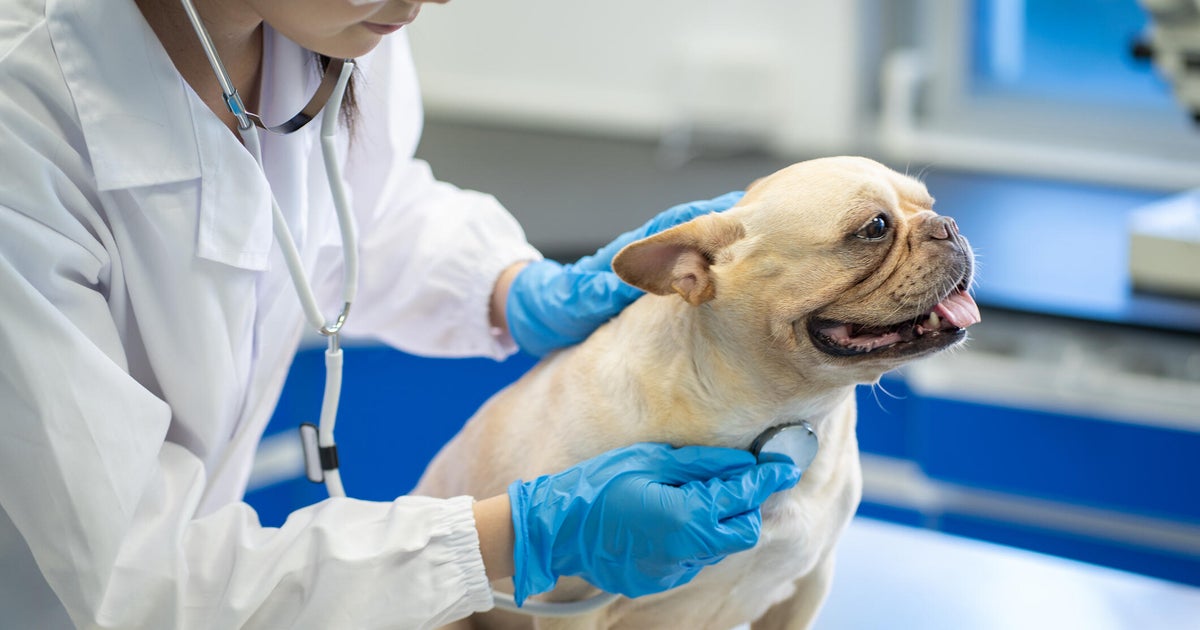
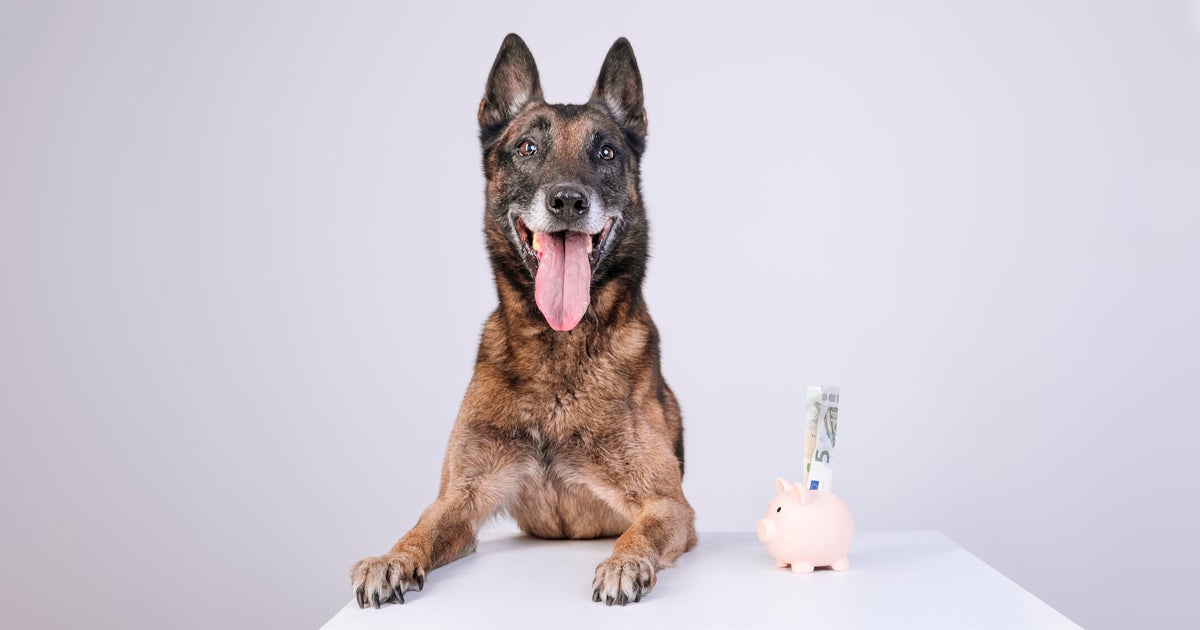
can act as a crucial safety net when your dog or cat needs unexpected medical care.
asserted
dog → act → care
But that protection comes at a price, and the monthly pet insurance premiums can become increasingly difficult to justify if you're paying for coverage you rarely use.
asserted
you → come → coverage
Add in the possibility of annual rate increases, and even a pet insurance policy that initially seemed affordable can eventually become a significant household expense.
asserted
that → add → increases
The challenge is that dropping your pet insurance to save money can be a costly gamble.
asserted
dropping → drop → money
Veterinary emergencies, serious illnesses and unexpected surgeries can leave owners facing bills totaling thousands of dollars, often with little warning.
asserted
emergencies → leave → warning
Without a
in place, those vet expenses generally have to be covered out of pocket, which could force difficult decisions about your pet's treatment.
uncertain
which → have → treatment
That leaves many pet owners facing a dilemma: They can continue paying
that may be stretching their budgets or risk losing the financial protection they've been paying for.
uncertain
they → leave → protection
Luckily, those aren't the only options, though, and there may be opportunities to make your policy more affordable without giving up the benefits that matter.
uncertain
that → make → benefits
How to lower your pet insurance premiums without losing coverage
Reducing your pet insurance costs doesn't always require cutting valuable benefits.
asserted
Reducing → lower → benefits
Depending on your insurer, your pet's age and your current policy, the following strategies could help you lower your monthly payments while
.Increase your deductible strategically
One of the simplest ways to lower your pet insurance premiums is to choose a higher deductible, which is the amount you pay toward covered veterinary expenses before your insurer begins reimbursing you.
uncertain
insurer → depend → you
For example, increasing your annual deductible from $250 to $500 could reduce your monthly premium, although the actual savings depend on your insurer.
uncertain
savings → increase → insurer
The trade-off is that you'll pay an additional $250 out of pocket before receiving reimbursement.
asserted
you → pay → reimbursement
This approach can make sense if you have enough emergency savings to comfortably cover the higher pet insurance deductible.
asserted
you → make → deductible
Just be careful not to increase your deductible so much that you would struggle to afford treatment when your pet needs it.
asserted
pet → increase → it
Compare quotes from multiple pet insurers
Pet insurance companies evaluate risk differently, meaning two insurers may charge significantly different premiums for similar coverage.
uncertain
insurers → compare → coverage
Your pet's breed, age, location and medical history can all influence what you'll pay.
asserted
you → influence → what
In turn, comparing quotes from several
can be worth the effort, even if you already have coverage in place.
asserted
you → compare → place
When shopping, though, make sure you're comparing pet insurance policies with similar deductibles, reimbursement rates, annual limits and covered conditions.
asserted
you → shop → deductibles
And before switching pet insurers, check how the new company handles pre-existing conditions.
asserted
company → switch → conditions
An illness covered under your current policy could be excluded by a new insurer, potentially making a cheaper policy far more expensive in the long run.
uncertain
policy → cover → run
Adjust your reimbursement percentage
Most accident-and-illness pet insurance policies reimburse a percentage of eligible veterinary expenses after you've met your deductible.
asserted
you → adjust → deductible
Common options include 70%, 80% and 90%, with higher reimbursement percentages generally resulting in higher premiums.
asserted
percentages → include → premiums
Reducing your reimbursement rate from 90% to 80%, for example, could lower your insurance costs without eliminating protection against major veterinary bills.
uncertain
Reducing → reduce → bills
However, consider what that difference would mean during an expensive veterinary emergency.
asserted
difference → consider → emergency
On a $10,000 covered claim after the deductible has been satisfied, an 80% reimbursement rate would leave you responsible for $2,000 instead of $1,000 at 90%.
uncertain
rate → cover → %
Ultimately, the goal should be finding a reimbursement level that balances affordable premiums with manageable out-of-pocket expenses.
asserted
that → find → expenses
Look for discounts you're not using
Some pet insurers offer discounts that can reduce your premiums without requiring any changes to your coverage.
asserted
that → look → coverage
For example, you may qualify for savings if you insure multiple pets through the same company.
uncertain
you → qualify → company
Other insurers offer discounts through employers, professional associations or certain membership organizations.
asserted
insurers → offer → employers
Paying annually instead of monthly may also reduce your total costs with some providers, particularly if doing so eliminates installment fees.
uncertain
doing → pay → fees
These savings aren't guaranteed, though, so be sure to ask your insurer which discounts are available and whether they can be combined.
asserted
they → guarantee → insurer
Reconsider optional wellness coverage
If your
includes an optional wellness plan, review whether you're getting enough value from that additional coverage.
asserted
you → reconsider → coverage
Wellness plans typically help pay for predictable expenses, such as routine examinations, vaccinations and preventive treatments.
asserted
plans → help → examinations
Unlike accident-and-illness coverage, however, these benefits generally aren't designed to protect against unexpected, expensive veterinary emergencies.
asserted
benefits → design → emergencies
Compare what you're paying for the pet wellness add-on with the amount you're actually receiving in benefits.
asserted
you → compare → benefits
If the costs of the pet wellness coverage outweigh the reimbursements, removing it could reduce the cost of your payments while preserving your core accident-and-illness protection.
uncertain
removing → outweigh → protection
Be cautious about lowering your annual coverage limit
Choosing a lower annual reimbursement limit can also reduce your pet insurance premiums, but this strategy requires particular caution.
asserted
strategy → lower → caution
For example, a policy with a $5,000 annual limit may be cheaper than one offering $10,000 or unlimited coverage.
uncertain
policy → offer → 10,000
However, a serious illness requiring surgery, hospitalization and ongoing veterinary treatment could exhaust that smaller limit relatively quickly.
uncertain
illness → require → limit
Before making this adjustment, be sure to consider whether the premium savings justify taking on potentially thousands of dollars in additional financial exposure.
asserted
savings → make → exposure
…and 5 more, not listed.
 The Aporia