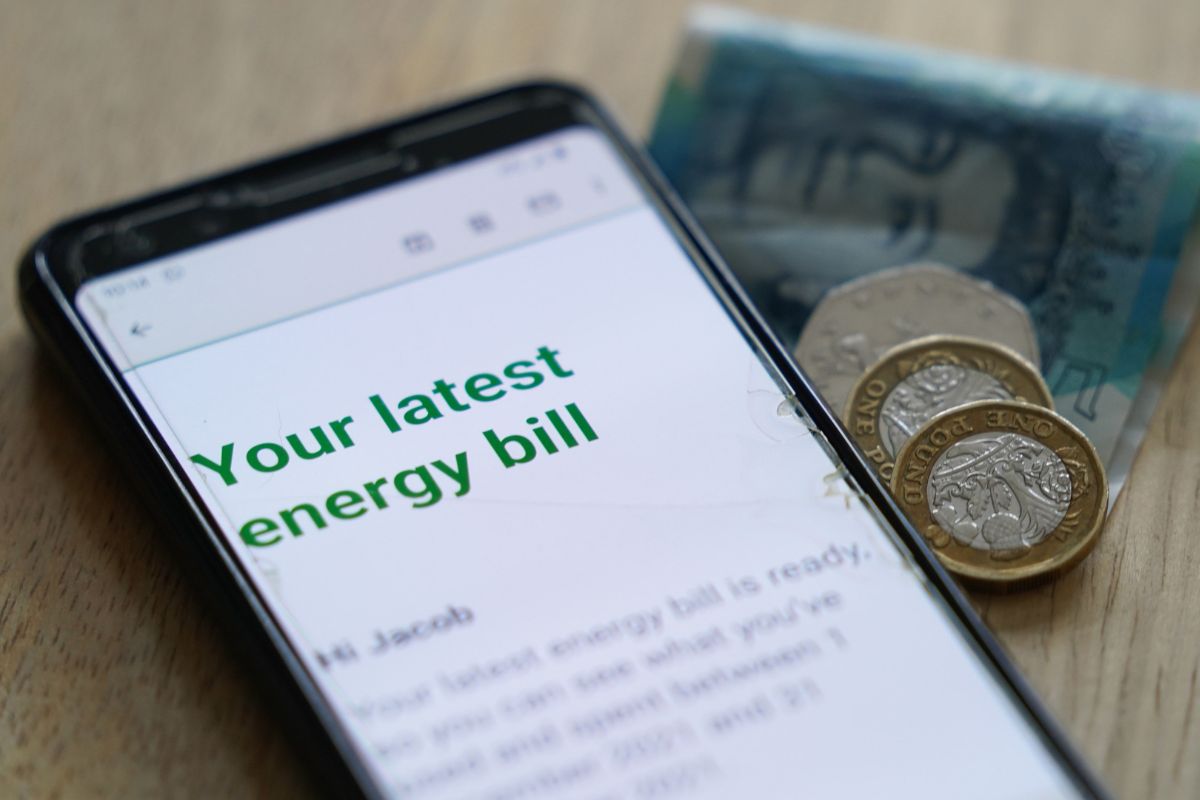
Photo via City AM

HMRC to end reliance on paper tax codes in a bid to slash postage costs

Read the original at City AM ↗
Cite

Grice, M. (2026, November 25). HMRC to end reliance on paper tax codes in a bid to slash postage costs. City AM. https://www.cityam.com/hmrc-to-end-reliance-on-paper-tax-codes-in-a-bid-to-slash-postage-costs/

Dated from the outlet's own feed. Check the original for its byline.

City AM · collected 2026-11-25 · by Maisie Grice

Quick Summary

HMRC plans to send tax code notices electronically to approximately 3.5 million people starting in February 2027, aiming to cut costs and move towards a digital-first approach. The tax authority spent over £70 million on print and postage in the 2025/26 financial year and aims to save more than £50 million annually by 2028/29. The move primarily affects those already using HMRC’s Personal Tax Account or app but who still receive paper notices. Industry experts caution that proper communication is crucial to ensure taxpayers receive and understand the changes.
Written by AI on 2026-11-25, from this article's own text only (the story summary below draws on all the coverage).

AI analysis

Story summary

As of February 2027, the HMRC will begin sending 3.5 million taxpayers their annual tax code notices electronically, in a move to cut costs and reduce reliance on paper correspondence. This shift follows a decision to end the mailing of millions of letters to taxpayers, which currently incurs significant expenses. For the 2026/27 fiscal year, HMRC issued 17.5 million tax codes, of which 34% were digital, and the remaining 11.5 million were posted at a cost exceeding £8.2 million. The tax authority's annual expenditure on print, postage, and office supplies exceeded £70 million in the 2025/26 financial year. The goal is to save more than £50 million annually from the 2028/29 fiscal year onwards by encouraging more customers to use the Personal Tax Account or app.

Written for “HMRC Ends Paper Tax Codes” on 2026-11-26, grounded in this article and the 0 other(s) covering the same event.

Compared with similar articles

Nothing to compare against. No article is close enough to this one for the pipeline to have linked or judged the pair.

Story

HMRC Ends Paper Tax Codes
Economy/Business · 1 article(s) covering the same event.
How this article was measured signals, leaning charts, publisher record, byline, topics and claims

Signals How these are calculated →

Claims extracted
15
sentences that state something as happening or true
Uncertain
13%
2 of 15 hedged ("reportedly", "may", "according to")
Leaning
not political
takes no side on a contested political question
Publisher signals
95/100
City AM's corrections and hedging, across everything collected from it. Not a measure of accuracy.
Outlets on this story
1
Economy/Business
Same framing elsewhere
1
articles that frame the event the way this one does
Analyzed 2026-11-25 · how these are computed

How this is being covered How these are calculated →

Article leaning vs. publisher reliability
Source leaning vs. consistency

Publisher

City AM · 521 article(s) · 0 correction(s) detected
No corrections detected for this publisher. That may mean careful reporting, or simply that nothing has been checked.

Who wrote this

Maisie Grice
32 article(s) here · 1 carrying a prediction
Brits are set to receive their next set of tax codes online as HMRC looks to slash its swelling postage costs and end a system that involves mailing millions of letters to taxpayers.
The new import taxes will impact 16 economies and are in response to what the White House has said is excessive production in those regions, which had led to a flurry of goods at lower prices that undercut US companies.
2026-11-25 · assertive framing · Asian stock markets lose steam amid renewed AI fears
Energy bills for households across Britain are set to rocket from the start of next year, in a further blow to households struggling with the cost of living.
Weighing on Anthropic’s future Analysts added Anthropic’s fall from grace could further “sour demand” for AI-related stocks and overall sentiment towards the sector.
Catering giant Compass has become the latest London firm set to switch its main listing to New York, dealing another heavy blow to the UK’s public markets.
“His return provides reassurance to the market that the company can continue without the shift in strategy that a change in leadership might have brought, particularly given the deep relationships Huang has built with customers and suppliers and his central role in shaping and financing the wider AI ecosystem.
London’s stock markets are set to continue their gains on Tuesday morning, after Jensen Huang’s shock return to Nvidia boosted indices worldwide.
The share moves follow Nvidia’s announcement that it would resinstate its co-founder to his role as chief executive, after he initially resigned following news of multiple extramarital affairs, including one with a suspected Chinese spy.
Isa providers are set to be hit with a £20m bill as HMRC looks to tighten its monitoring of accounts and savers in a bid to crack down on allowance breaches and wider errors.
The S&P 500 is set to rise 2.1 per cent, while Nasdaq 100 futures are tracking 2.8 per cent higher.
Also by Maisie Grice
Nothing else under this byline is closely related to this article, so these are simply their most recent.
All 32 articles by Maisie Grice →

Topics

Brits HMRC Moore Kingston Smith Treasury

Subjects

HMRC ORG · 6× Brits NORP · 1× James Murray PERSON · 1× Joseph Adunse PERSON · 1× Moore Kingston Smith ORG · 1× Treasury ORG · 1×

Narrative

The body confirmed that of the 17.5m tax codes for the 2026/27 issued ahead of 6 April 2026, 34 per cent were digital, but 11.5m were posted at a cost of more than £8.2m. James Murray, Financial Secretary to the Treasury and Paymaster General, said: “This will modernise the service it provides and will reduce the amount of taxpayers’ money being spent on printing and postage.
framing: assertive · carried by 1 article(s) · first seen 2026-11-25
Brits are set to receive their next set of tax codes online as HMRC looks to slash its swelling postage costs and end a system that involves mailing millions of letters to taxpayers.

Claims (15 extracted, 2 hedged)

Brits are set to receive their next set of tax codes online as HMRC looks to slash its swelling postage costs and end a system that involves mailing millions of letters to taxpayers. asserted
that → set → taxpayers
Roughly 3.5m people will receive their annual tax code notices electronically from February 2027, as part of the tax authority’s plans to reduce spending on paper correspondence and postage and become a digital-first office. asserted
people → receive → correspondence
The body’s annual print, postage and office supplies bill exceeded £70m in the 2025/26 financial year, according to its most recent accounts. uncertain
bill → exceed → accounts
The change applies to people already using HMRC’s Personal Tax Account or app but yet to make the transition to online notices. asserted
change → apply → notices
Around 20m taxpayers currently use this service. asserted
taxpayers → use → service
Customers who do not yet use the office’s online services will continue to receive their tax code notice through the post. asserted
who → use → post
The move comes as HMRC shifts more information online in its bid to encourage more customers to go paperless. asserted
HMRC → come → customers
It has committed to saving more than £50m a year in print and post costs from the 2028/29 financial year. asserted
It → commit → year
The body confirmed that of the 17.5m tax codes for the 2026/27 issued ahead of 6 April 2026, 34 per cent were digital, but 11.5m were posted at a cost of more than £8.2m. James Murray, Financial Secretary to the Treasury and Paymaster General, said: “This will modernise the service it provides and will reduce the amount of taxpayers’ money being spent on printing and postage. asserted
it → confirm → printing
“Making annual tax code notices digital by default…is the first step to reduce print and postal costs.” asserted
notices → make → costs
Industry figures noted that moving codes online is a “logical next step” for people using the app, but warned that a failure to properly inform some taxpayers of the change may lead to more issues. “Convenience will count for little if taxpayers miss the message,” said Joseph Adunse, tax partner at Moore Kingston Smith. uncertain
Adunse → note → Smith
“HMRC should monitor whether people are reading notices rather than simply ignoring the alerts. asserted
people → monitor → alerts
Those affected first are likely to be digitally savvy, but even they face a relentless stream of app notifications and emails. asserted
they → affect → notifications
Important tax notices can easily disappear into digital noise.” asserted
notices → disappear → noise
HMRC said it will monitor how the affected taxpayers respond to the new approach, including whether they ultimately view their code online, contact HMRC or request a paper copy in order to inform the wider digital rollout. asserted
they → say → rollout

Give feedback · no sign-in needed

No sign-in needed for now. Your note is sent without a name, so it cannot be answered.

History Support