Mark Carney came back from Asia with plenty to show.
asserted
Carney → come → plenty
In Manila, Canada concluded negotiations on a free-trade agreement with the Philippines and wrapped up talks on a broader trade pact with The Association of Southeast Asian Nations (ASEAN.)
asserted
Canada → conclude → Nations
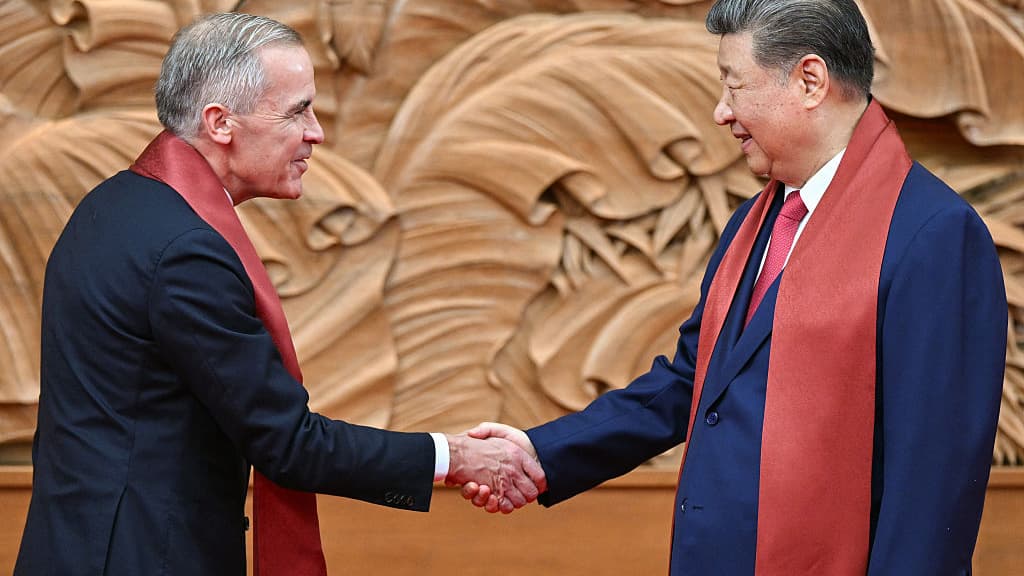
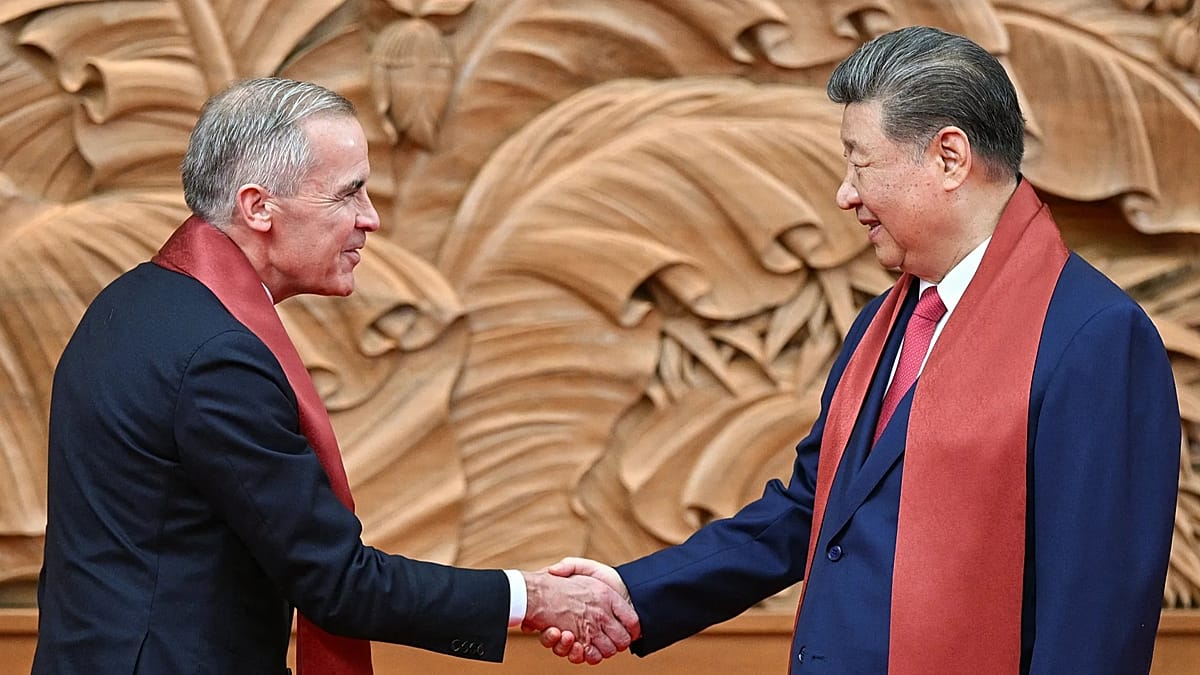
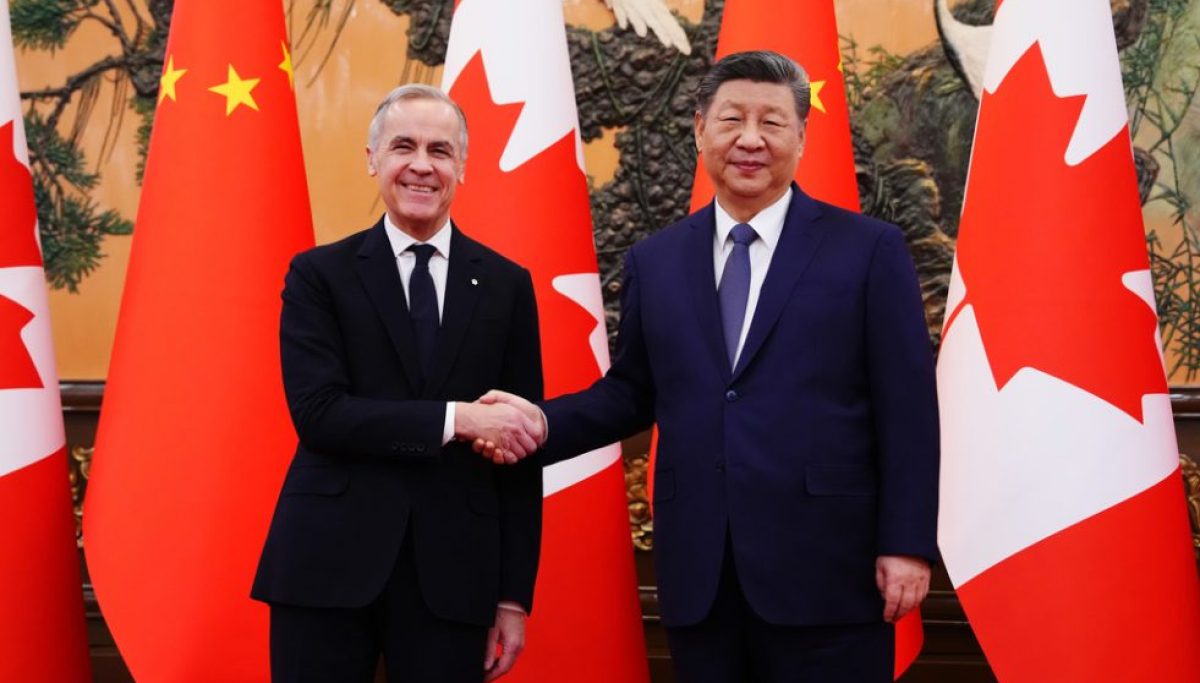
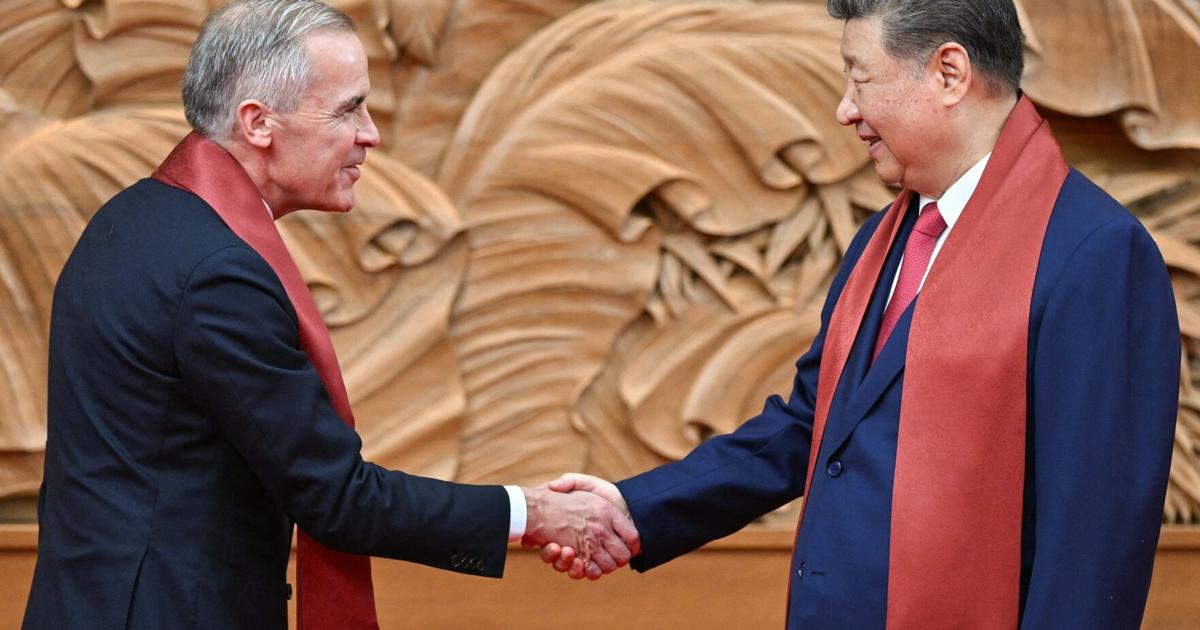
In Shenzhen, on the sidelines of the APEC summit, Carney met Xi Jinping to nurture a “strategic partnership” with Beijing.
asserted
Carney → meet → Beijing
The trip suggested Ottawa finally takes the region’s economic weight seriously.
uncertain
Ottawa → suggest → weight
Resetting relations with China and India was overdue, and Washington’s tariffs diversification a national imperative.
asserted
diversification → reset → China
Canadians appear to agree: a recent Angus Reid–Asia Pacific Foundation poll found majorities now put economics ahead of human rights in dealing with both countries.
asserted
majorities → appear → countries
Two-way merchandise trade with ASEAN grew nearly 24 per cent last year.
asserted
trade → grow → ASEAN
Easing tariffs on Chinese electric vehicles in return for relief on canola was a pragmatic bargain, and Canadian farmers will likely be better off for it.
asserted
farmers → ease → it
The longer record looks patchy.
asserted
record → look → ?
Justin Trudeau’s 2022 Indo-Pacific Strategy was read across the region largely as a security template, built around managing risk from a “disruptive” China.
asserted
Strategy → read → China
Most of what followed was defence signalling: frigate deployments, a visiting forces agreement with Manila, security arrangements with Japan and Indonesia, a larger role in regional exercises and cybersecurity assistance.
asserted
what → follow → exercises
Carney has not so much replaced that posture as carved an exception into it.
asserted
Carney → replace → it
His approach weighs China’s disruptiveness against Washington’s, and with three quarters of Canadian exports going to the United States, Ottawa cannot leave its relationship with the world’s second-largest economy to security hawks alone.
asserted
Ottawa → weigh → hawks
But the result is a commercial carve-out bolted onto a security-centric strategy.
asserted
result → bolt → strategy
Each issue, whether canola, vehicles or investment, gets negotiated from scratch, with Canadian firms left guessing on the limits of that engagement.
asserted
firms → negotiate → engagement
Ottawa should say plainly where it wants to work with Beijing and where it intends to be guarded.
asserted
it → say → Beijing
Clear limits would give firms something to plan around and make investment screening robust.
Southeast Asian governments mostly laud Canada’s “re-pivot” to Asia.
asserted
governments → give → Asia
Few object to its truce with Beijing; most have deep economic ties with China and no wish to choose sides.
asserted
most → object → sides
Regional leaders are drawn to Carney’s middle-power discourse, at least rhetorically.
asserted
leaders → draw → discourse
But Asian capitals judge partners less on rhetoric than on whether they will invest and stay the course.
asserted
they → judge → course
Capital, technical co-operation and a credible voice on digital rules would count for far more and would be harder to unwind whenever relations with Washington or Beijing turn difficult.
asserted
relations → count → Washington
This matters because security competition in Asia is now largely economic, fought over chips, critical minerals, clean energy, data centres and the rules that govern them.
asserted
that → matter → them
Canada’s pitch to the region looks like a list of commodities: energy, potash, critical minerals.
asserted
pitch → look → commodities
Ottawa has failed to signal how it will support partners when dollars are not at stake.
asserted
dollars → fail → stake
Simply put, Canada comes across as being more interested in what it wants rather than what the region wants.
asserted
region → put → what
But a self-centred focus on increasing our exports will not be enough to secure a reliable place for Canada in the world’s most economically dynamic region for the long haul.
asserted
focus → centre → haul
India shows what Canada loses when its engagement stays thin.
asserted
engagement → show → what
Restoring high commissioners and reviving trade talks was necessary; now, the relationship is being rebuilt on a narrow base of energy, commodities and a pending bilateral trade pact.
asserted
relationship → restore → energy
India, meanwhile, is deepening partnerships on critical minerals, technology and clean energy with Japan, Australia and the Gulf, and Canada is largely absent from those conversations.
asserted
Canada → deepen → conversations
After the political strain of the past few years, the relationship needs ballast, something sturdier than a trade deal.
asserted
relationship → need → deal
More co-ordination on energy, minerals, and technology would help while thorny bilateral security issues are handled separately.
asserted
issues → help → energy
Carney has said that the new international order will be built from Europe.
asserted
order → say → Europe
To the extent that achieving a diplomatic settlement to the Ukraine war may determine whether we can avert a world of rigid blocs, this may be true.
uncertain
this → achieve → blocs
And Canada’s limited military capacities mean that, from a narrow defence perspective, Europe (and the Arctic) must come first.
asserted
Europe → mean → perspective
But that does not mean that Ottawa has no room for growth in Asia on issues where economics and security intersect.
asserted
economics → mean → issues
Carney likes to say Canada has what the world wants.
asserted
world → like → what
Asia wants more than what Canada can ship: capital, technology, and a partner at the table where economic rules get written.
asserted
rules → want → table
Without those, trade deals will mostly help Canada sell more canola, LNG, and potash.
asserted
Canada → help → canola
 The Aporia