A self-described “birth keeper” who claims to have psychic abilities has told the NSW Coroner’s Court she respects the medical system, as she gave evidence over her involvement in the unregulated free births of two babies who died in the Northern Rivers region.
uncertain
who → describe → region
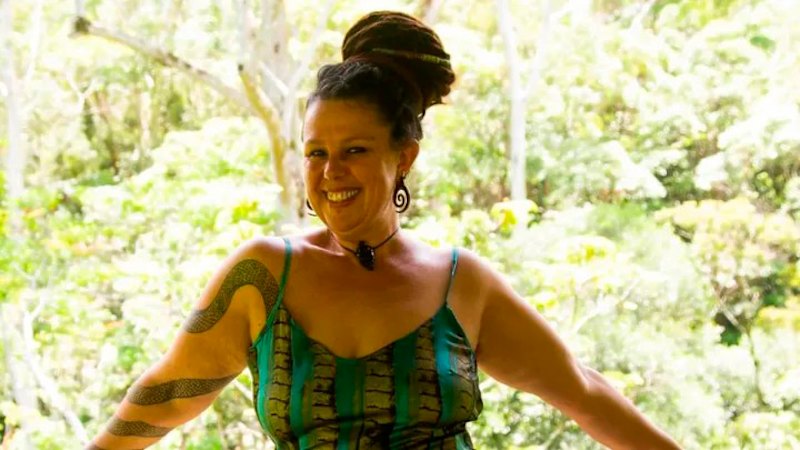
Sita Kali, who the court heard described her services as a “traditional birth keeper, holistic multi-modality healer, dancer, martial artist and occasional DJ”, appeared at Lismore Local Court on Wednesday regarding her role in the births of Baby R and Baby D.
asserted
court → hear → R
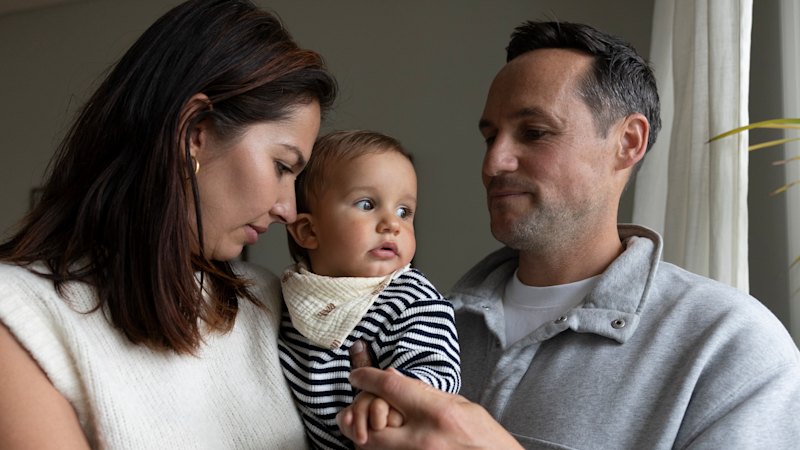
The mother of Baby D did not know she was carrying twins as she had no scans during her pregnancy.
asserted
she → know → pregnancy
When she began birthing what she expected to be her placenta, she instead delivered a second baby, who was stillborn.
asserted
who → begin → baby
Baby D, died three hours later.
asserted
D → die → ?
Counsel assisting the coroner Ragni Mathur questioned why Kali’s psychic abilities did not detect the presence of twins during a body mapping and massage session a few weeks before the birth in February 2024.
asserted
abilities → assist → February
“I wouldn’t say that [using psychic ability is] unreliable,” Kali said.
asserted
Kali → say → ability
“I think that the woman’s own intuition, her own ability to sense, to feel, definitely has more of an impact than my own.”
asserted
intuition → think → own
She said the soul and essence of Baby D and his brother were reading as one baby, and that in hindsight, she may not have sensed Baby D’s brother as he could already have died.
uncertain
he → say → brother
Kali accepted that there was a need for balance with clinical care, but said ultimately that choice belongs to the mother, who needed to be well-informed.
“I think there’s a lot more beyond just clinical assessment and a lot more education that’s needed in understanding the links between [the] emotional, physical and spiritual,” she told the court.
asserted
she → accept → court
The court also heard of the death of Baby R in August 2022, who would have survived if born on time.
asserted
who → hear → time
This led to the baby being born past term, at 43 weeks and one day.
asserted
baby → lead → weeks
Risks to the baby increase after 40 weeks.
asserted
Risks → increase → weeks
Kali said she did not tell people what to do, and said Baby R’s mother did not want to go into hospital any earlier.
asserted
mother → say → hospital
Kali said there was a need to look at all the evidence regarding the calculation of due dates, and read a passage from Dr Sara Wickham, who she initially asserted was a medical doctor.
asserted
she → say → Wickham
She was later informed by the court that Wickham was a midwife who holds a doctorate of philosophy.
asserted
who → inform → philosophy
Expert neonatologist and associate professor Nicholas Evans previously told the court that the date of last period or an ultrasound gives an accurate due date with a margin of error of one or two days.
asserted
date → tell → days
Kali said while she respected this evidence, Wickham was both a midwife and a woman.
asserted
Wickham → say → evidence
“That evidence is from his medical opinion but women still have the right to choose and look at all the options,” she said.
asserted
she → have → options
Kali said she has great respect for the Australian medical system and would tell mothers to go to hospital if their care needed to be escalated.
asserted
care → say → hospital
She said she advised Baby R’s mother to have the baby checked in hospital on two occasions following the birth.
asserted
baby → say → birth
She said when the mother called her following an ultrasound the night before, the information that the pregnancy had become a medical emergency was not relayed to her.
asserted
pregnancy → say → her
Kali became upset when she spoke about the birth of the twins: “Obviously there was a lot of shock in discovering it was a second baby and discovering it was deceased.”
asserted
it → become → shock
“When he was born he looked perfect,” she said of Baby D through tears.
asserted
she → bear → tears
“He seemed perfectly fine when he was born, he was breathing.”
asserted
he → seem → ?
She was questioned about her decision to cut Baby D’s umbilical cord without first clamping it, which may have contributed to his death.
uncertain
which → question → death
She said the cord appeared white, floppy and without bloodflow, and that her priority was to get the mother and babies out of the birthing pool.
asserted
priority → say → pool
Kali spoke about the use of honey and seaweed to treat tears, and said she encouraged expectant mothers to research and prepare their own herbs ahead of a free birth.
asserted
she → speak → birth
The court was played a video of Kali being interviewed by her mentor Heather Bruce, posted to the former’s website and published in an ABC article.
asserted
court → play → article
In the clip, Kali said “plenty of things can go wrong if you want to create things to go wrong”, including baby being stuck, not breathing or hemorrhaging.
asserted
baby → say → things
She said a stuck baby was caused by the mother being stuck in the mind, and that if a baby was not breathing, it will always breathe.
asserted
it → say → mind
Kali told the court the clip was taken without context from an informal conversation about healthy mothers and the relationship between the mind and physical body.
asserted
clip → tell → mind
 The Aporia