On Nov. 17, the Pan American Health Organization (PAHO) declared that measles is no longer considered "eliminated" in the U.S.
asserted
measles → declare → U.S.
In the past year, the U.S. Centers for Disease Control and Prevention (CDC) recorded more than 5,800 cases of measles—the highest caseload since 1991.
asserted
Centers → record → 1991
Vaccination programs and increased monitoring of incoming measles cases helped the U.S. to eliminate measles in 2000, meaning there was no consistent spread of the virus within the country for more than a year.
asserted
U.S. → increase → year
Since then, sporadic cases of the virus have been reported—but from people who had traveled to other parts of the world where the disease is endemic.
asserted
disease → report → world
So far, the CDC reports that 47 states have reported at least one case of measles, and wastewater reports of cases of the virus have increased in recent months.
asserted
reports → report → months
“What makes this different from pop-up cases that we expect year to year is that we failed to interrupt the chain of transmission of the virus,” says Steph Batalis, research fellow at Georgetown University’s Center for Security and Emerging Technology.
asserted
Batalis → make → Security
“That’s a big deal.
asserted
That → ’ → ?
We have tools to do that, yet we failed to do so.
asserted
we → have → that
That should raise serious questions about the conditions that allowed that to happen.”
asserted
that → raise → conditions
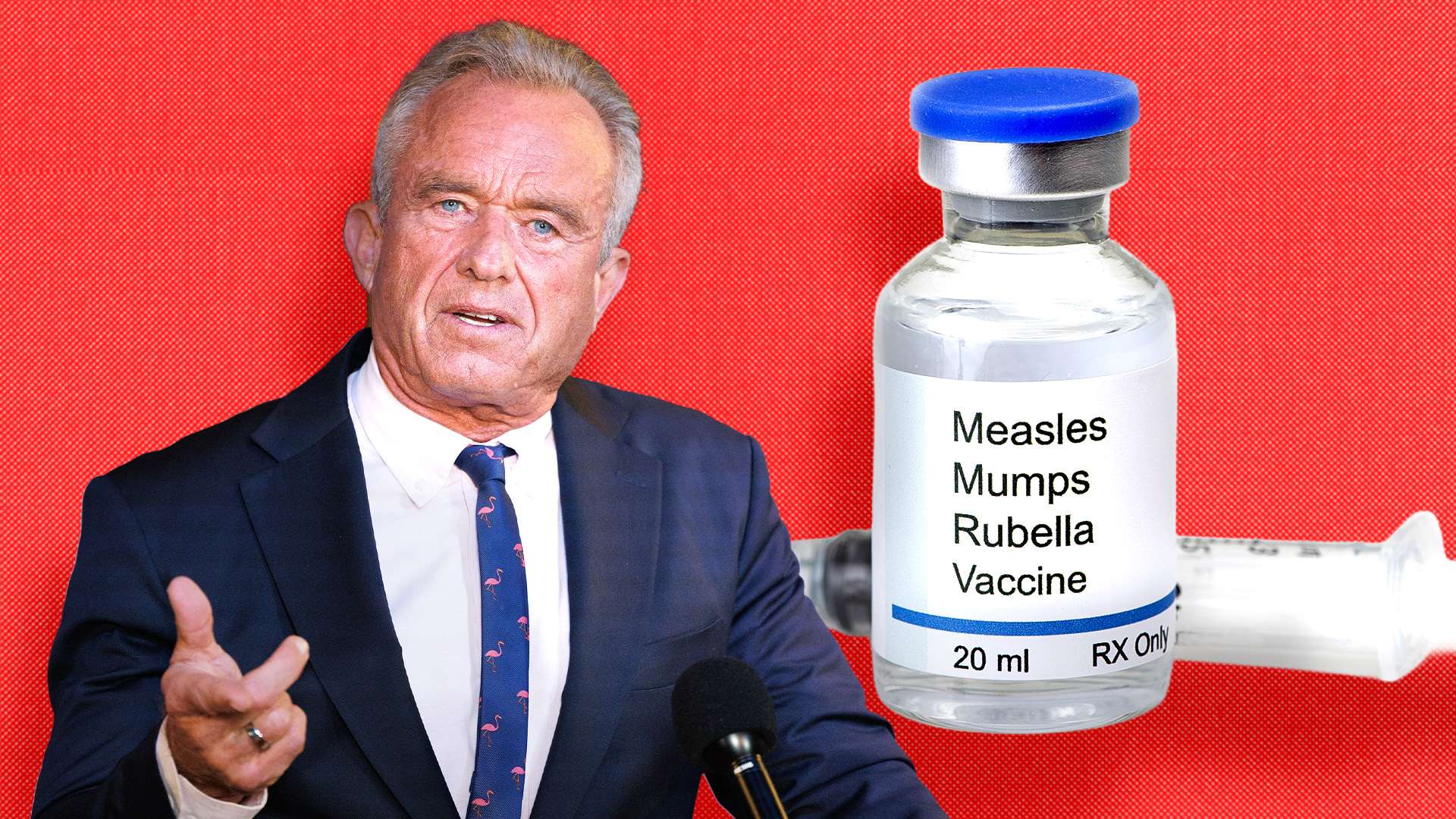
Days after the announcement, Secretary of Health and Human Services (HHS) Robert F. Kennedy Jr. posted on X that HHS will "work to regain U.S. measles elimination status.
asserted
HHS → post → status
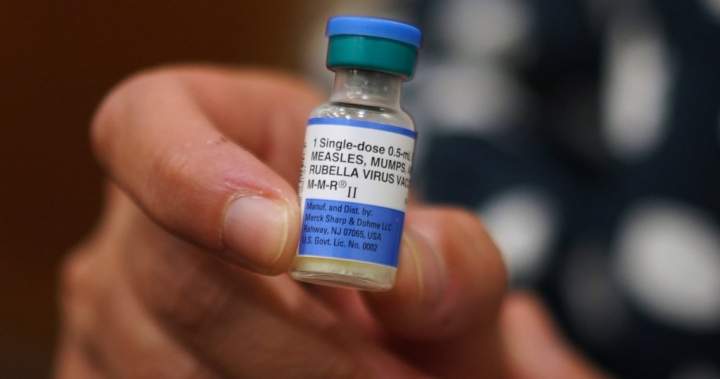
I continue to recommend MMR vaccination as the most effective way to prevent measles.
asserted
I → continue → measles
While Kennedy went on to blame COVID for interrupting childhood vaccinations, public-health officials point to several other more recent actions that Kennedy, a long-time skeptic of vaccines, has taken that may have also contributed to the rise of measles cases in the U.S. In 2025, Kennedy dismissed the CDC’s Advisory Committee for Immunization Practices, an independent group of experts that sets vaccine recommendations for the U.S. that state health departments and professional organizations generally follow, and replaced the committee with members who shared his vaccine skepticism.
uncertain
who → go → skepticism
HHS also attempted to revise the childhood immunization schedule, removing recommendations for most children to receive annual flu and COVID shots, and emphasizing shared-decision making about vaccines between families and physicians.
asserted
children → attempt → families
Professional health organizations—including the American Academy of Pediatrics, the American College of Physicians, and the Infectious Diseases Society of America—sued HHS over these changes.
asserted
organizations → include → changes
A court suspended the new ACIP from continuing to meet and reverted the childhood immunization schedule back to its original recommendations.
asserted
court → suspend → recommendations
Such confusion around vaccines has likely played a significant role in the U.S. measles outbreaks of the past year, says Dr. Jon Andrus, professor of global health at the Milken Institute School of Public Health at George Washington University.
asserted
Andrus → play → University
“Any successful public-health program requires excellence in scientific and operational strategies about how you are vaccinating, when you vaccinate them, and what vaccines you use, all based on evidence,” he says.
asserted
he → require → evidence
“And none of that works without political commitment.
asserted
none → work → commitment
If that is undermined, and if the messages coming from the highest level sows seeds of doubt, then you have people doubting the strategies and not vaccinating their child.”
asserted
people → undermine → child
He and other public-health experts say that the loss of the measles elimination status isn’t merely a symbolic change.
asserted
loss → say → status
It’s a warning sign of a weakened public-health system fueled by deteriorating trust in scientific experts and mixed messages from health leaders who the public normally turn to for advice.
asserted
public → ’ → advice
And the change in the U.S.’s status may have deeper consequences for public health, beyond just more cases of measles.
uncertain
change → have → measles
Here's what's worrying experts.
asserted
what → worry → experts
Some of the public’s attitudes about vaccines—including the one for measles, which is part of the MMR series—center around unsubstantiated claims that the vaccines contain toxic chemicals that do more harm than good, and that the measles shot in particular is linked to a higher risk of autism, a claim that has for years been scientifically debunked.
uncertain
that → include → years
Because measles has not been common in the U.S. for decades, a generation of parents and doctors have not seen how devastating the disease can be.
asserted
disease → see → parents
“Measles in Latin means ‘miserable,’” says Andrus.
asserted
Andrus → mean → Latin
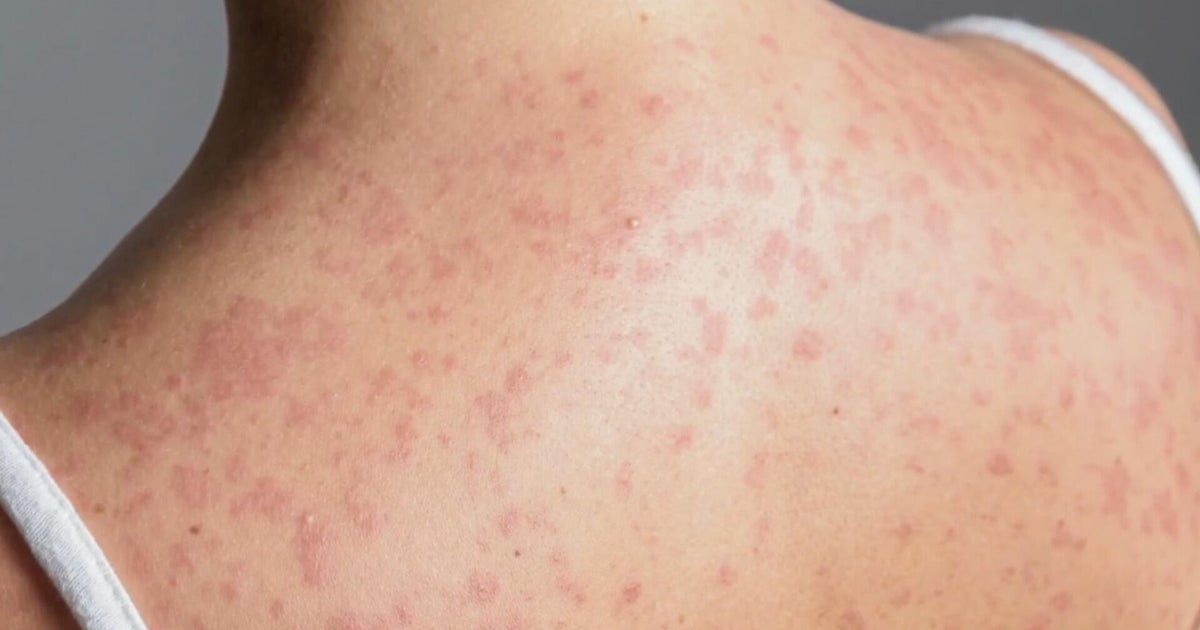
Having measles can cause pneumonia, ear infections, and encephalitis, or brain swelling.
asserted
Having → have → pneumonia
But even if a child recovers from a measles infection, the disease may affect his or her health for years to come.
uncertain
disease → recover → years
“Measles infections can contribute to deafness, blindness, and, depending on the neurological insult, intellectual and physical disability as well,” says Dr. Micah Niermann, an internal medicine and pediatric physician at Gillette Children’s in St. Paul, Minn.
asserted
Niermann → contribute → Paul
“Some may need lifelong care, and their lives and the lives of their families are altered permanently.”
uncertain
lives → need → families
More recently, scientists have also uncovered another way the virus can impact a person’s health, even if they recover from the infection.
asserted
they → uncover → infection
“The measles virus can attack immune cells and make them less effective for some prolonged period of time,” says Dr. Andrew Racine, president of the American Academy of Pediatrics.
asserted
Racine → attack → Pediatrics
“We don’t know how long, but for that period after measles, the child is more susceptible to other kinds of infections that they are ordinarily immune to.”
asserted
they → know → that
The measles virus has the ability to wipe out whatever memory the immune cells have accumulated to recognize other pathogens—including those introduced by vaccines.
asserted
cells → have → vaccines
“A child who has had measles is at risk of suffering from or dying from other vaccine-preventable diseases, and that risk goes out three years or longer,” says Andrus.
asserted
Andrus → have → diseases
There is also a rare but still meaningful risk of longer term consequences of measles known as subacute sclerosing panencephalitis (SSPE), a condition caused by the measles virus destroying brain cells.
asserted
virus → be → cells
SSPE’s symptoms can start years after a measles infection but cannot be triggered by the measles vaccine.
asserted
symptoms → start → vaccine
Children may start to show changes in personality and experience seizures or involuntary movements of their arms and legs, which then leads to dementia and problems eating, swallowing, and breathing.
uncertain
which → start → dementia
Children under two who get measles are at higher risk of developing SPPE later in life, and the best way to prevent the condition is to protect those children from getting measles in the first place with the vaccine, or for those too young to be vaccinated, to ensure those around them are vaccinated so they are less likely to get exposed to measles.
asserted
they → get → measles
Some people may need a booster shot
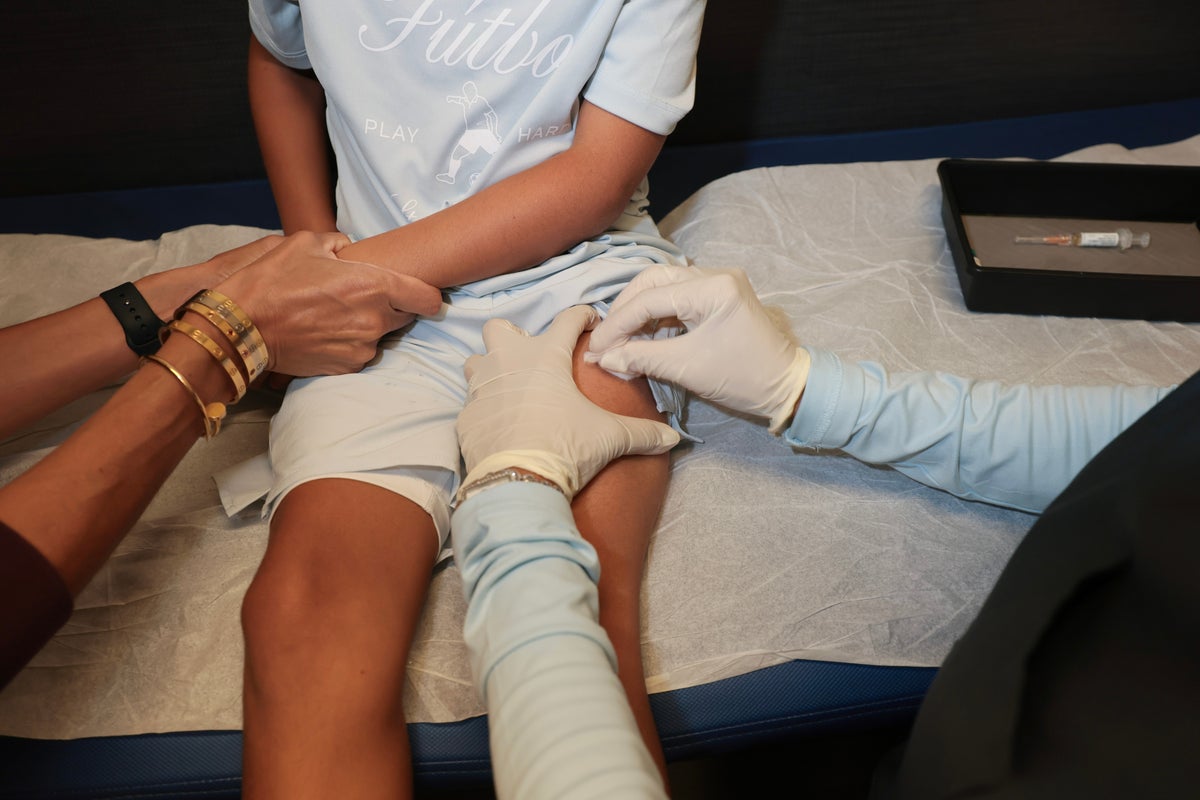
Most adults who have received two doses of the MMR vaccine do not need to get a booster; the two doses provide 97% protection against infection for a lifetime, according to the CDC.
uncertain
doses → need → CDC
…and 42 more, not listed.
 The Aporia