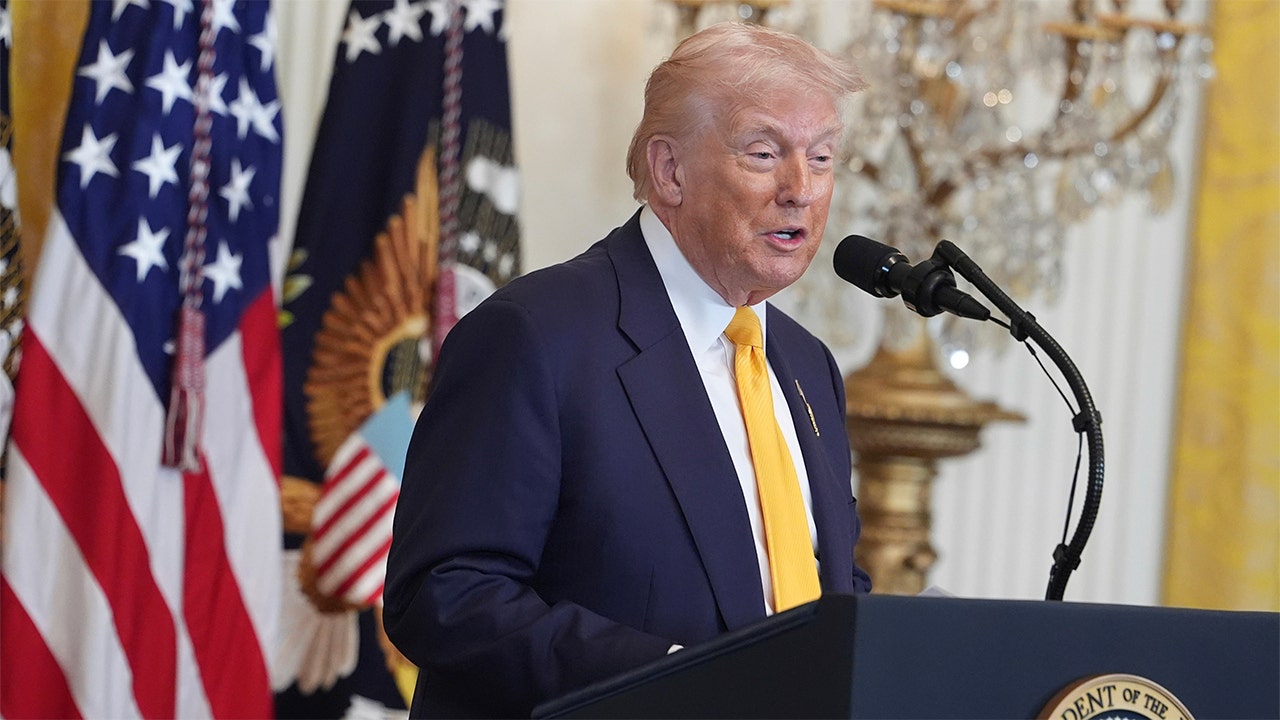
"Maybe we could touch the subject of immigration."
uncertain
we → touch → immigration
If the president deploys his power of pardon for a defined class of illegal immigrants, it will be a "golden touch" for them that will enshrine his memory among their communities and add another achievement of enormous significance to his already lengthy column of them.
asserted
that → deploy → them
Such an act of presidential mercy would be unprecedented—without a parallel mass grant of grace in American history—and it would be approved of by supermajorities of Americans and certain to be counted among his greatest achievements as president by citizens of all political persuasions who have long desired an actual breakthrough on this stalemated front.
asserted
who → approve → front
The president’s carefully phrased suggestion to McEnany is a good topic for a Thanksgiving dinner conversation: "What should we as a country do about or to the country’s illegal immigrant population?"
asserted
we → phrase → population
Frame the question this way:
"What do we think about a presidential pardon for, say, the 10% of the illegal immigrant population, people whom everyone here could agree ought to be left alone and free of the fear of deportation?"
uncertain
everyone → frame → deportation
The best studies estimate the population of illegal immigrants in the country at between 15 and 20 million.
asserted
studies → estimate → 15
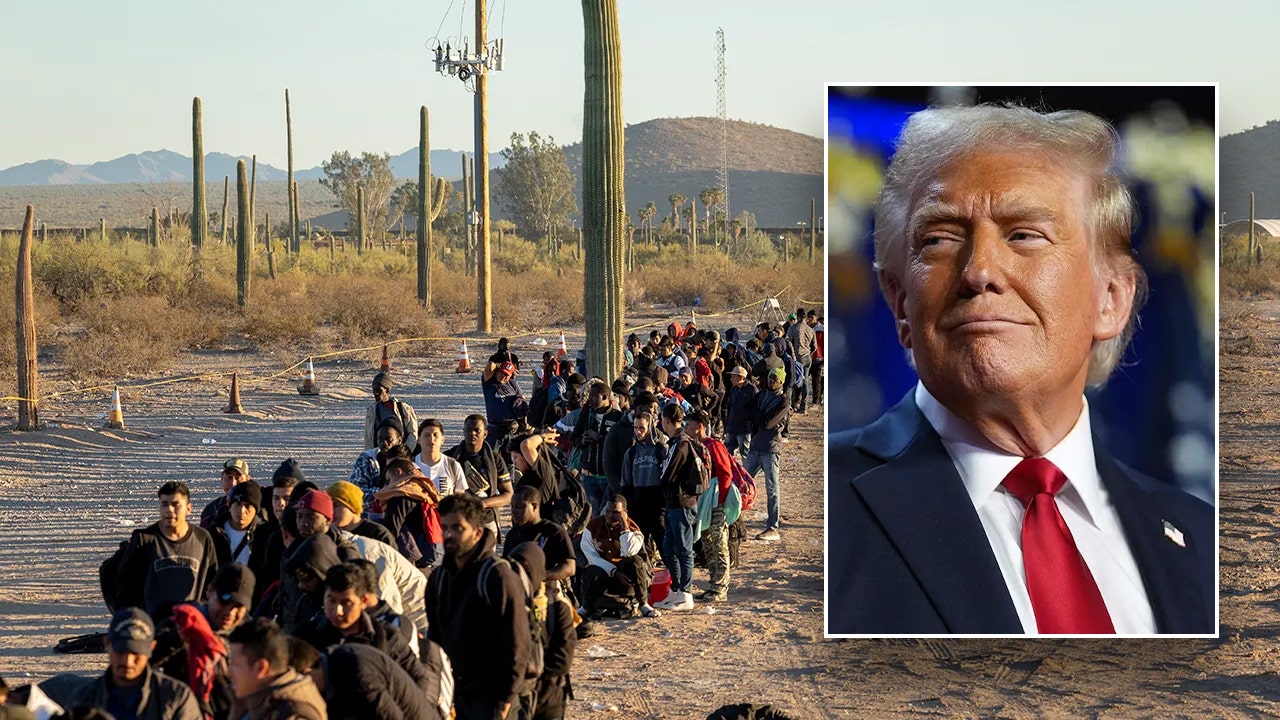
Some crossed the border right up to the day President Trump returned to office, but very few have arrived in the country since the spring of 2025.
asserted
few → cross → 2025
Trump sealed the southern border, and it remains, for all practical purposes, shuttered.
asserted
it → seal → purposes
"The Wall" has now been built over more than 750 miles.
asserted
Wall → build → miles
Another 600 miles of wall are planned between now and the end of Trump’s second term.
asserted
miles → plan → term
The Border Patrol is funded through the end of Sept. 2029.
asserted
Patrol → fund → Sept.
President Trump delivered on his promise to close the border.
asserted
Trump → deliver → border
On Nov. 8, after being asked by Ross Douthat of "60 Minutes" about deportation policy in the past two years, the president said, "I think it was too tough."
asserted
it → ask → years
President Trump then added, "I think it might be too tough, yeah."
uncertain
it → add → ?
Some of the election results on Nov. 3 were "because we also took people that had good jobs, that created one violation, or breaking of the law, and that was that they came into the country illegally."
asserted
they → take → country
"Now, there is a large part of the country that thinks that they should be put out," he added.
asserted
he → be → country
"And there's a large part of the country that thinks that they should be allowed to stay if they're good people working in a landscaping company, or working in a hotel, or doing something, right?
asserted
they → be → something
So, what should be done?
asserted
what → do → ?
What should President Trump do?
Democratic leaders in Congress have a wide-open door to the Oval Office to negotiate a reasonable set of statutory reforms that are not "amnesty" and don’t involve a "path to citizenship.
asserted
that → do → citizenship
But as President Trump has noted on a few occasions, he doesn’t have to wait on them, as he has the "very powerful power of the pardon," which is indeed complete and within his sole control.
asserted
which → note → control
He could use the power of pardon on any segment of the illegal immigrant population before COB today or on Thanksgiving if he wanted to.
uncertain
he → use → Thanksgiving
What might a presidential pardon look like that would (1) reflect the views of a supermajority of Americans and (2) not create an incentive for immigrants to think they should come toward our country or overstay visas?
uncertain
they → look → visas
It is also a civil offense—still within the pardon power—to have entered legally but to have overstayed the permitted time of presence in the country.
asserted
It → enter → country
So ask the people around the table: What would you think of any sort of presidential pardon for those who have broken these laws?
asserted
who → ask → laws
Is there a version of one you could endorse and even applaud?
uncertain
you → endorse → one
President Jimmy Carter’s pardon of draft dodgers who had broken the Selective Service laws of the Vietnam era is a model and included this language:
"I, Jimmy Carter, President of the United States, do hereby grant a full, complete and unconditional pardon to: (1) all persons who may have committed any offense between August 4, 1964, and March 28, 1973, in violation of the Military Selective Service Act or any rule or regulation promulgated thereunder; and (2) all persons heretofore convicted, irrespective of the date of conviction, of any offense committed between August 4, 1964, and March 28, 1973, in violation of the Military Selective Service Act, or any rule or regulation promulgated thereunder, restoring to them full political, civil and other rights."
On its face, the pardon of 50 years ago was narrowly tailored, and its accompanying language specifically excluded those whose Selective Service violation involved force or violence and those who committed violations in connection with employment as an agent, officer, or employee of the Selective Service System.
uncertain
who → break → System
It also did not cover military deserters or people who had gone AWOL from the armed forces.
asserted
who → cover → forces
President Trump thus has it within his power to immediately and carefully address the excesses of deportation policy that he knows were "too tough.
asserted
he → address → policy
Thus, President Trump is in a position to do a Nixon-to-China on illegal immigrants.
asserted
Trump → do → immigrants
There might be a "Trump-Schumer-Jeffries Regularization Act" a year down the road, a statute that should not include a general "amnesty" and cannot provide a "pathway to citizenship."
uncertain
that → include → citizenship
Such a statute could provide a detailed legislative change to grant a right of continued residence to a defined subset of illegal immigrants upon a showing of certain conditions, such as no felony arrests, past or future, for people in the country for a decade or more.
uncertain
statute → provide → decade
But President Trump does not have to wait on Democrats, and indeed he shouldn’t, to make clear it was his decision.
asserted
was → have → Democrats
Pardon seekers would have to present proof of near-continuous employment and such other evidence of character and commitment as President Trump details in the language of the pardon.
asserted
Trump → have → pardon
A pardon could be very focused and also include such conditions and exclusions as the president deems fit.
uncertain
president → include → conditions
President Trump could issue such a pardon today.
uncertain
Trump → issue → pardon
He can act tomorrow.
asserted
He → act → ?
He can act on Thanksgiving or Christmas.
asserted
He → act → Thanksgiving
If President Trump deploys it carefully, the public would first be thunderstruck and then almost wholly united in praising his act of mercy.
asserted
public → deploy → mercy
The deportation of long-time residents who have worked hard and are raising families—especially those with children born in the country—deeply disturbs most Americans of all political persuasions.
asserted
who → work → persuasions
Continued deportation of individuals whose life circumstances jar ordinary voters especially upsets legal residents, family members, and friends of illegal immigrants.
asserted
circumstances → jar → immigrants
…and 35 more, not listed.
 The Aporia