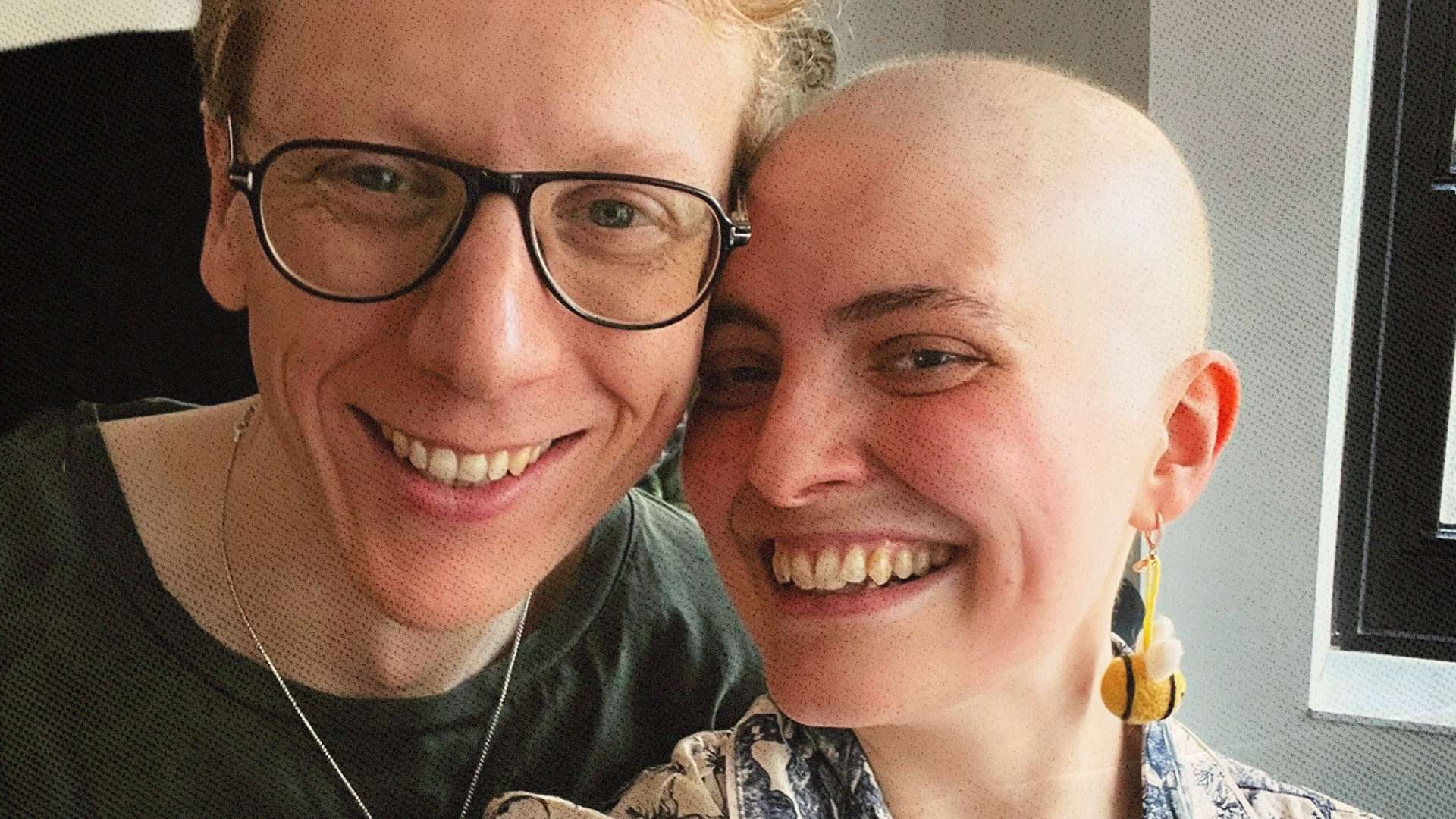
Two cancer patients in dire need of treatment not available in Ontario alleged in court filings that the Ontario government misdirected their funding requests for novel out-of-country treatment, sending them into months of time-wasting administrative roadblocks.
asserted
government → allege → roadblocks
Sabrina Apitz-Grossman and Kevin Nash, who have been told they have months to live, are challenging the province’s refusal to pay for therapies available in the United States that are not currently covered by public health insurance in Canada.
asserted
that → tell → Canada
Their judicial applications will be heard jointly Tuesday morning at Toronto’s Osgoode Hall courthouse.
asserted
applications → hear → courthouse
Ms. Apitz-Grossman has synovial sarcoma, a soft-tissue cancer that was first detected in her right leg which has spread to her lungs.
asserted
which → have → lungs
In September 2025, she was told the median survival for her cancer ranges from 12 to 18 months.
asserted
survival → tell → months
Mr. Nash has melanoma, a skin cancer that has metastasized into his lungs and pancreas.
asserted
that → have → lungs
He learned in January that the median life expectancy for people with his type of cancer is 2.75 to six months.
asserted
expectancy → learn → cancer
In their filings to the Ontario Superior Court, Ms. Apitz-Grossman and Mr. Nash said the letters rejecting their funding requests advised them they could appeal to the Health Services Appeal and Review Board.
uncertain
they → say → Board
However, earlier this year when they brought their cases before HSARB, the government argued, successfully, that the board had no jurisdiction to order funding for a drug without a recommendation from Patrick Dicerni, the executive officer of the Ontario Public Drug Programs.
asserted
board → bring → Programs
Ms. Apitz-Grossman and Mr. Nash applied to the court for a judicial review after HSARB ruled in September that it couldn’t order funding for their treatments.
asserted
it → apply → treatments
“Being misdirected to the HSARB cost me months that I simply do not have to spare,” Ms. Apitz-Grossman, 31, of Toronto, said in a court affidavit.
asserted
Grossman → misdirect → affidavit
Mr. Nash’s lawyers said a written legal argument that he was also misdirected and endured “a repeated pattern of delay, dead-ends, and disregard from Ontario.”
asserted
he → say → Ontario
Their cases are the latest instances where Canadians who haven’t responded to conventional oncology seek access to the new personalized treatments that use drugs customized to each patients’ genetic profiles and tumours.
asserted
that → respond → profiles
In September, the Ontario Superior Court of Justice sided with Alex Shved, a melanoma patient challenging the province’s refusal to cover treatment abroad.
asserted
Court → side → treatment
However two weeks later, the government amended its regulation so that out-of-country drug funding would only be available if a medication is already insured in Ontario, but temporarily unavailable.
asserted
medication → amend → Ontario
The regulation change was necessary to close “a back door for global pharmaceutical companies to avoid negotiating directly with the province to achieve more competitive pricing,” the government said in an October press release.
asserted
government → close → release
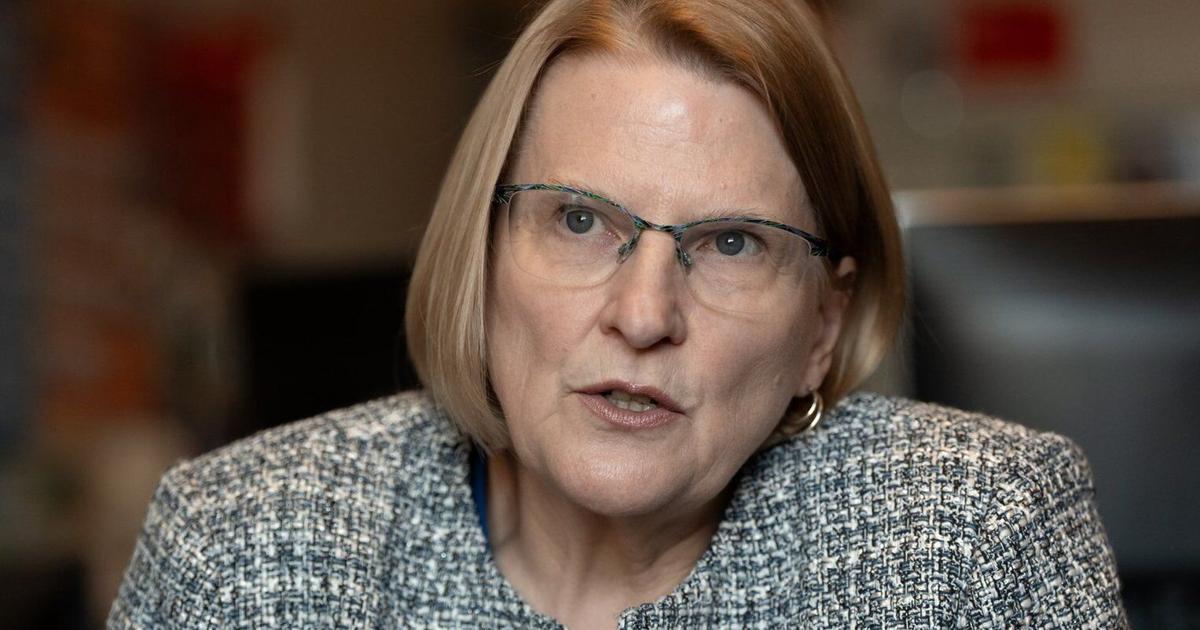
Questioned on Monday by the NDP, Health Minister Sylvia Jones told the legislature that she couldn’t comment on specific cases.
asserted
she → question → cases
She said funding denials are not political decisions but are “based on expert advice.”
asserted
denials → say → advice
Mr. Nash and Ms. Apitz-Grossman have said in their court filings that during the review of their funding applications, independent clinical experts were consulted and said the out-of-country therapy could help them.
uncertain
therapy → say → them
Their requests were ultimately turned down by Mr. Dicerni, the provincial drug program’s executive officer.
asserted
requests → turn → Dicerni
Meeting reporters, Mr. Nash noted that his proposed treatment was approved by doctors.
asserted
treatment → meet → doctors
“It’s Sylvia Jones and bureaucrats that have turned this down,” he said.
asserted
he → ’ → this
“It’s Sylvia Jones and the bureaucrats that are sentencing Sabrina and myself to death.
asserted
that → ’ → death
And she doesn’t even seem to care.
asserted
she → seem → ?
She just repeats rhetoric.”
asserted
She → repeat → rhetoric
Mr. Nash, like Mr. Shved, applied to be treated with lifileucel, a tumour-infiltrating lymphocyte, or TIL, therapy.
asserted
Nash → apply → lifileucel
The treatment, known by the brand name Amtagvi, uses cells from the patient’s surgically removed tumour to fashion a personalized medicine.
asserted
treatment → know → medicine
Amtagvi has been authorized by Health Canada but is still being reviewed by Canada’s Drug Agency, which advises provincial and territorial governments on public funding for new drugs.
asserted
which → authorize → drugs
Mr. Nash’s application for funding was turned down in March.
asserted
application → turn → March
The denial letter said “the [out-of-country] program could not be used to provide interim funding while public funding was being considered.”
uncertain
funding → say → funding
Ms. Apitz-Grossman’s oncologist at Mount Sinai Hospital in Toronto said she is a good candidate for afamitresgene autoleucel.
asserted
she → say → autoleucel
Also known by the brand name Tecelra, the treatment uses a person’s own T-cells, a type of white blood cell, modifying them and infusing them back into the patient.
asserted
treatment → know → patient
Ms. Apitz-Grossman received a denial letter in April.
asserted
Grossman → receive → April
Even if I respond optimally to the treatments I receive here, my prognosis is terminal,” she said in her court affidavit.
asserted
she → respond → affidavit
 The Aporia