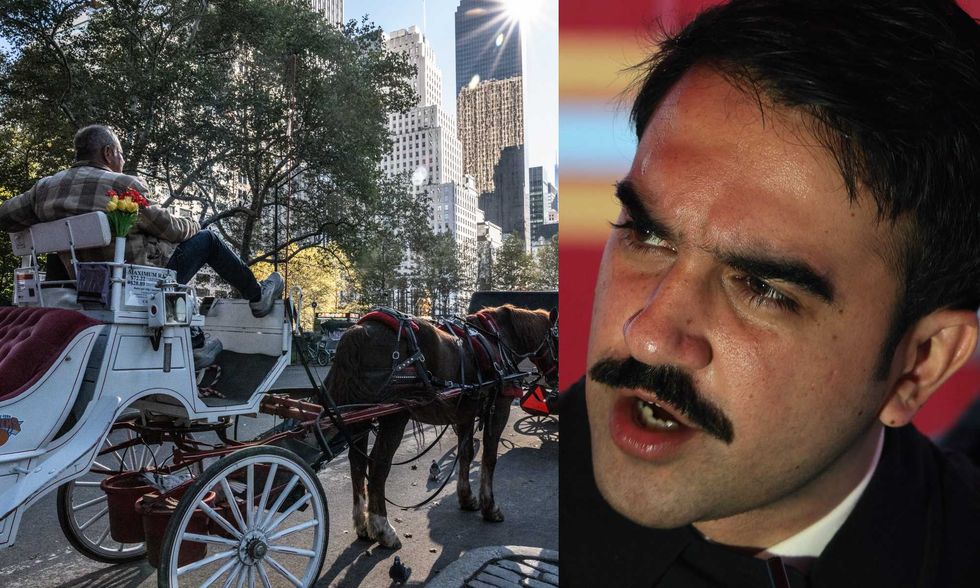
New York City’s prohibitively difficult standards for forcibly retiring the horses that pull carriages in Central Park could create a pipeline sending around 180 draft horses to the slaughterhouse.
uncertain
that → retire → slaughterhouse
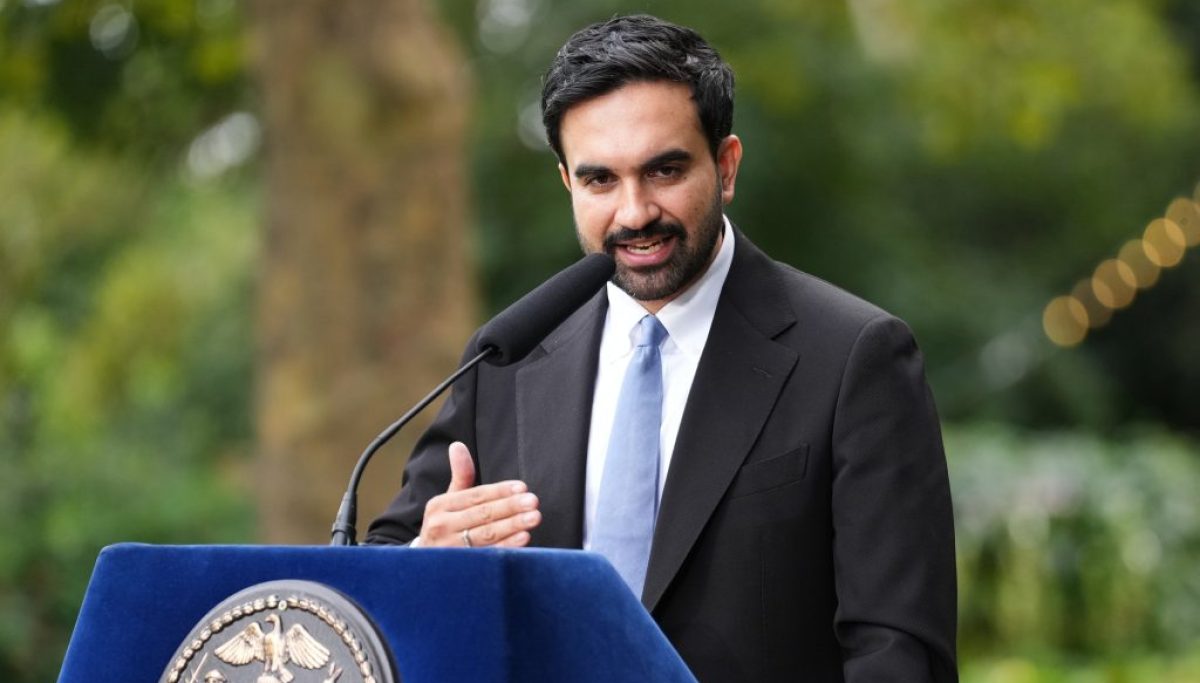
The bill, signed by Democratic Socialist Mayor Zohran Mamdani last Thursday, requires all carriage operators to phase out horse-drawn cabs by May 31, 2028.
uncertain
bill → sign → May
The move would terminate nearly 300 jobs and dismantle the infrastructure that keeps the horses alive.
asserted
that → terminate → horses
(RELATED: Man Found Guilty Of Starting Wildfire The Left Blamed On Climate Change)
asserted
Left → relate → Change
Lawmakers, activists and three successive mayors have tried to end the historic enterprise for nearly two decades.
asserted
Lawmakers → try → decades
The effort finally succeeded following the death of Romanch Mahajan, an 18-year-old tourist from India who was killed when a horse pulling his carriage ran away.
asserted
horse → succeed → carriage
The legislation is named after Romanch, the only documented death resulting from a horse-drawn carriage in Central Park since rides began more than 150 years ago.
asserted
rides → name → Park
For context, 160 traffic fatalities were recorded across the city in 2025.
asserted
fatalities → record → 2025
For more than 160 years, horse carriages have rolled through Central Park.
asserted
carriages → roll → Park
Now, about 200 workers have less than two years to find a new way to make a living.
asserted
workers → have → living
Mayor Zohran Mamdani signed legislation Thursday that will phase out New York City’s horse-drawn carriage industry, setting a June 1, 2028 deadline for carriages to stop operating.
asserted
carriages → sign → deadline
The law is named for Romanch Mahajan, the 18-year-old who died after a horse-drawn carriage crash in Central Park in June, and the City Council approved it 40-7 in October.
asserted
Council → name → October
The Transport Workers Union, which represents the carriage industry, filed a lawsuit in Manhattan federal court minutes after the signing.
asserted
which → represent → signing
The union says the law strips owners of city medallions they paid hundreds of thousands of dollars for, without guaranteeing compensation.
asserted
they → say → compensation
One owner put it bluntly: “This is not a humane bill for the humans of New York City that devoted their lives into this business.”
asserted
that → put → business
City Hall says it will create a worker program offering job training and career help.
asserted
it → say → training
But wiping out an entire industry and the jobs that come with it raises a fair question about who pays the price.
asserted
who → wipe → price
Should the city be forced to pay carriage owners back for the medallions it’s taking away?
asserted
it → force → medallions
Under the Romanch bill, operators must follow a cab industry transition plan, under the mayor’s direction, by April 1.
asserted
operators → follow → April
The American Horse Council (AHC), which has been working with other equine groups to explore transition options, told the Daily Caller that those options include finding retirement homes, placing horses in sanctuary facilities or finding alternative working arrangements that comply with the new restrictions.
asserted
that → work → restrictions
The council said its primary concern is the health and welfare of the horses.
asserted
concern → say → horses
The AHC said some of the 1,200 registered nonprofit sanctuaries across the country have shown they could accommodate the horses.
uncertain
they → say → horses
However, no firm figures have been established, and the cost and logistics of transporting the animals across the country must also be considered.
asserted
cost → establish → country
The bill also requires the “humane disposition” of the carriage horses, prohibiting them from being sold or transferred for “inhumane purposes,” including another horse-drawn cab business or slaughter.
asserted
bill → require → business
While lawmakers have put these protections in writing, the economics of the industry could make them difficult to enforce.
uncertain
them → put → industry
Without a plan to fund the horses’ retirement, the very conditions created by the legislation could push them toward the outcome lawmakers intended to prevent.
uncertain
lawmakers → fund → outcome
Horses are expensive to purchase, train, and maintain.
asserted
Horses → purchase → ?
Carriage rides not only funded the livelihoods of the people working in the industry but also paid for the horses’ stables, food, health care, and even their four-week mandatory annual vacations in Amish country.
asserted
rides → fund → country
Once that revenue disappears, the financial engine keeping the horses alive will come to a halt.
asserted
engine → disappear → halt
Operators could struggle to maintain them, while the restrictions on selling or transferring the animals leave potential recipients with little financial incentive to take them off the operators’ hands.
uncertain
restrictions → struggle → hands
A 2023 national study estimated the annual cost of owning a horse at between $8,600 and $26,000, with expenses expected to continue rising alongside feed prices.
asserted
expenses → estimate → prices
Maintaining larger draft horses, like those bred to pull carriages, can cost up to twice as much as maintaining an average horse.
asserted
Maintaining → maintain → horse
With around 180 horses, AGDaily estimates that caring for the retired animals could cost between $943,000 and $1.24 million annually.
uncertain
caring → estimate → 943,000
Yet the city has offered no plan to fund the horses’ forced retirement, despite requiring operators to abandon the industry that once paid for their care.
asserted
that → offer → care
The animal rights group People for the Ethical Treatment of Animals (PETA) has pledged $50,000 to help fill the funding gap.
asserted
group → pledge → gap
However, that amount would cover less than three weeks of the horses’ basic care.
asserted
amount → cover → care
When asked about the difference between PETA’s contribution and the estimated cost of caring for the horses, PETA campaign specialist Ashley Byrne dismissed concerns about funding, telling the Daily Caller there were “More than enough homes, and more than enough funding for their care.”
asserted
Byrne → ask → care
Byrne said the “long overdue” bill would guarantee fair compensation for the horses’ drivers and owners and ensure lifelong care for any retired horses.
asserted
bill → say → horses
However, the legislation makes no specific provisions for funding or providing that care.
asserted
legislation → make → care
Instead, it only promises that the mayor’s office will give “consideration” to compensation.
asserted
office → promise → compensation
…and 13 more, not listed.

 The Aporia