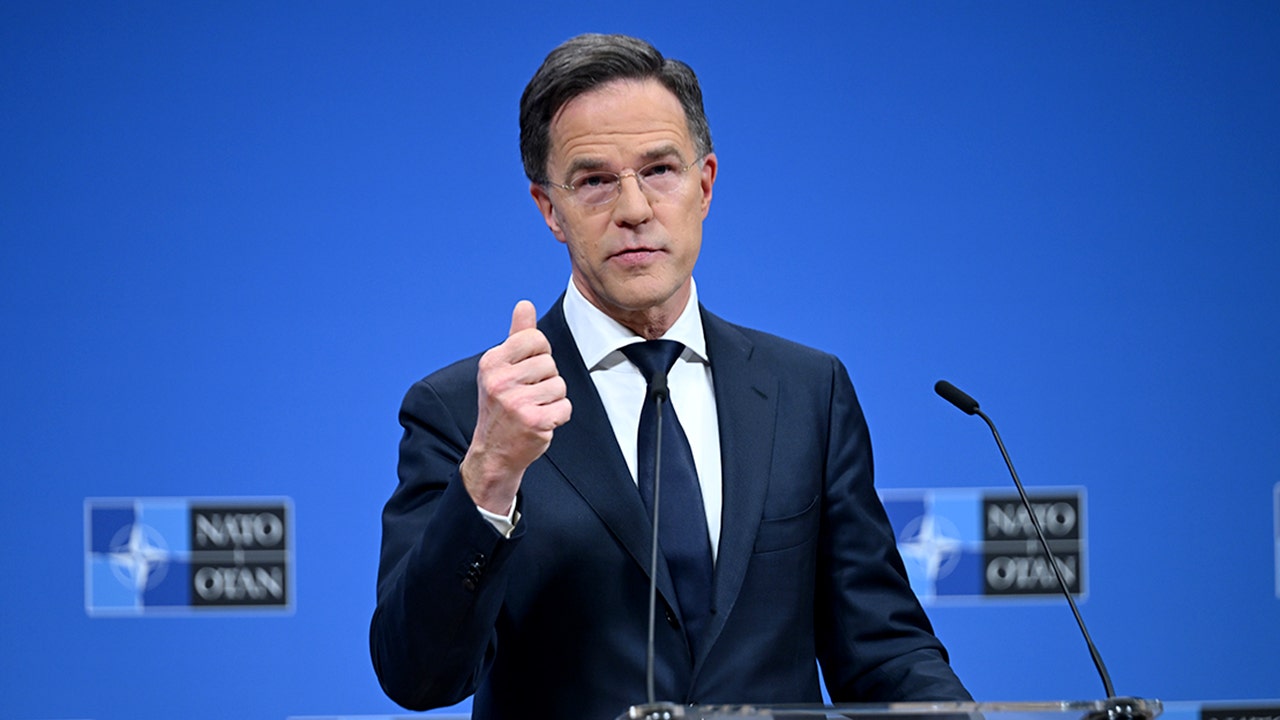
NATO Secretary-General Mark Rutte warned Monday that creating a separate European army could undermine the alliance’s ability to respond quickly to a Russian attack, as Moscow continues to ramp up its military capabilities during the ongoing war in Ukraine.
uncertain
Moscow → warn → Ukraine
Speaking at the 72nd annual session of the NATO Parliamentary Assembly in Berlin, Rutte cautioned that competing military command structures could hold up decisions in a crisis, warning that Russia’s "war machine" is running at full throttle and could also pose a threat to Europe long after the war ends.
"What I would counsel against is having all the nations with their own militaries working together in NATO and then on top of that having a big European structure, because then if Putin attacks, we will first need two or three weeks to agree who will do what, and then he will probably end up in Rotterdam before we have decided.
uncertain
we → speak → Rotterdam
So that has been my argument," Rutte said, according to Ukrainska Pravda.
uncertain
Rutte → say → Pravda
Rutte pointed to the United States as a model for an integrated military, arguing that European countries would also need to move beyond separate national forces to establish a unified army.
"
asserted
countries → point → army
My point has always been that if you have a European military, you cannot also have national militaries.
asserted
you → have → militaries
The United States has one military."
"There is not a specific army or navy for the state of New York or for the state of California.
asserted
States → have → California
It is an integrated United States military.
asserted
It → integrate → ?
If Europe is able to pull that off, fine," Rutte said.
asserted
Rutte → pull → that
Rutte said it was Russia's expanding military production and cooperation with China, Iran and North Korea that pose a long-term threat to NATO, regardless of how the war in Ukraine ends.
"
asserted
war → say → Ukraine
We face great dangers coming from Russia and the fact that Russia works so closely together with Iran, China, and North Korea, we know that Russia's war machine at the moment is running at full speed," Rutte also said at the assembly in Berlin.
asserted
Rutte → face → Berlin
"Its war economy keeps growing, and it won't stand still when the war against Ukraine hopefully will end one day.
asserted
war → grow → Ukraine
That whole machine is there and will continue."
Rutte also rejected the idea that only countries bordering Russia or Ukraine face a direct military threat, warning that Moscow's long-range missiles put capitals across Europe within striking distance.
asserted
missiles → continue → distance
"Let me say once again to everyone here who is not on the eastern flank: I have news for you.
asserted
I → let → you
These latest Russian missiles need only five minutes longer to reach Lisbon, Rome or The Hague, my hometown, than to reach Tallinn, Warsaw or Helsinki," Rutte said.
asserted
Rutte → need → Tallinn
Let's put an end to this discussion about whether or not you are on the eastern flank.
asserted
you → let → flank
The NATO chief's remarks came amid plans to deploy an early-warning aircraft to Poland after Polish prosecutors said three Russian Kh-101 cruise missiles landed on Polish territory Friday during strikes against Ukraine.
asserted
missiles → come → Ukraine
Polish Deputy Defense Minister Pawel Zalewski said that NATO would deploy an Airborne Warning and Control System, or AWACS, aircraft to strengthen surveillance along the alliance's eastern flank, according to Reuters.
"
uncertain
NATO → say → Reuters
This is a very good system that gives us even deeper... operational awareness which allows us to respond better to this kind of threat," Zalewski told reporters following a NATO meeting in Brussels.
asserted
Zalewski → give → Brussels
The aircraft can monitor large areas of airspace and provide allied forces with a shared picture of potential aerial threats, improving NATO's ability to detect and respond to missile and aircraft activity.
Ukrainian President Volodymyr Zelenskyy also warned Monday night that intelligence indicated Moscow was preparing a new wave of strikes against Ukraine.
Beyond Russia's ongoing military threats, Rutte said that Europe's interconnected infrastructure, including energy networks and communications systems, is vulnerable.
asserted
infrastructure → monitor → networks
"We are all targeted, that we are all affected when it comes to our pipelines, our cables, our energy grids, and our economies.
asserted
it → target → pipelines
"They are all interconnected, and that means that we are all in this for the long term.
asserted
we → mean → term
And therefore, we must step up to the plate to ensure that we stay ahead of danger."
asserted
we → step → danger
Rutte said defending NATO countries demands civilian preparedness, pointing to northern European nations that have begun teaching residents about their responsibilities in the event of war.
asserted
that → say → war
"This really takes the whole of society," he said.
asserted
he → take → society
"And that's in the end, I think, still Norway and Sweden, and Denmark and Finland, and maybe one or two others who are really ahead of the pack here, and having made clear to their citizens what they need to do in case war breaks out, at least not to get in the way of the military, but to be helpful and also how they make sure that the police and the ambulance services and fire, the fire fighting departments work together, supporting the military wherever possible."
asserted
work → think → military
Rutte's warnings come amid uncertainty over Ukraine's long-term security arrangements and whether Western allies will offer guarantees resembling NATO's Article 5 collective defense commitment as part of a future peace agreement.
asserted
allies → come → agreement
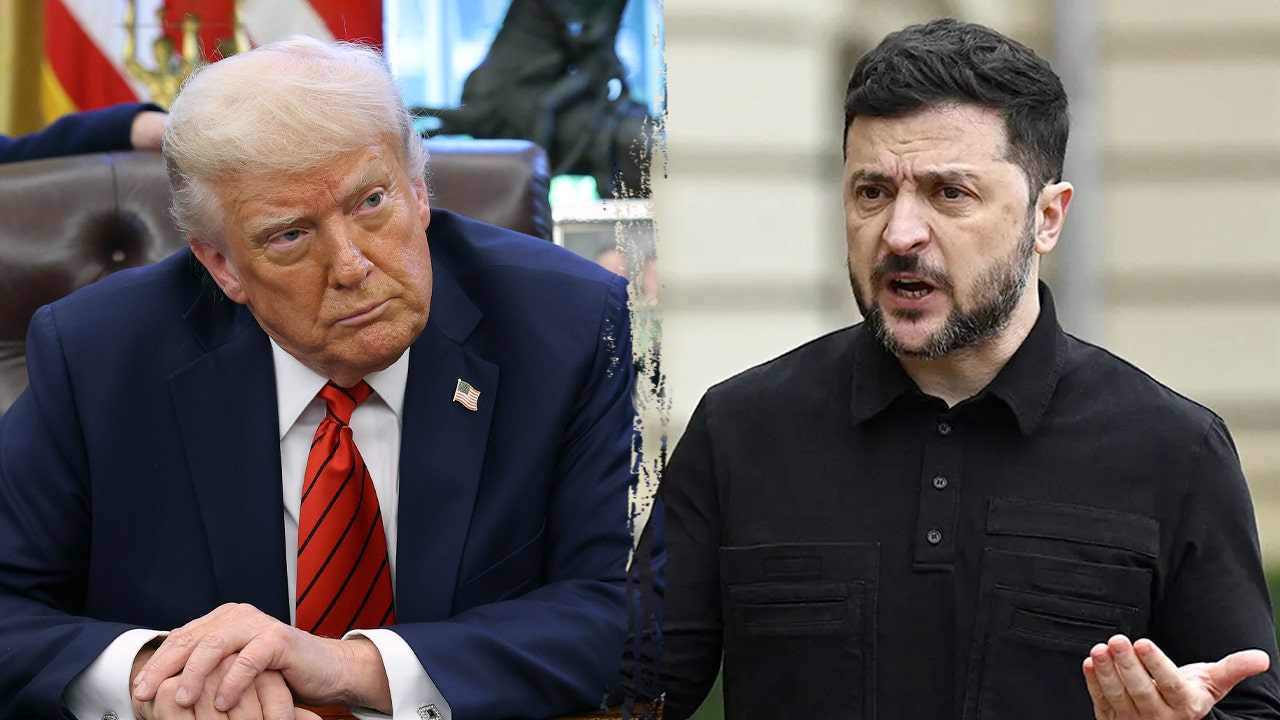
U.S. special envoy Jared Kushner said Sunday that President Donald Trump was willing to consider Article 5-style security guarantees for Ukraine as part of a broader postwar security arrangement for Europe.
asserted
Trump → say → Europe
 The Aporia