Taiwan’s deputy foreign minister says a trade agreement with Canada that has gone unsigned for months could yield deeper co-operation in high-tech fields like AI and help shield Canada from coercion by Beijing.
uncertain
that → say → Beijing
Chen Ming-chi told The Canadian Press Taiwan fears Beijing might move to weaponize Canada’s new trade ties with China and suggested Ottawa spread out its trade.
“China is going to leverage its ties (and) weaponize this interdependence to their advantage,” he said Monday
“That’s the part that we worry (about), that we all have to be very clear-eyed and set the guardrails when it comes to building a relationship with China.”
uncertain
it → tell → China
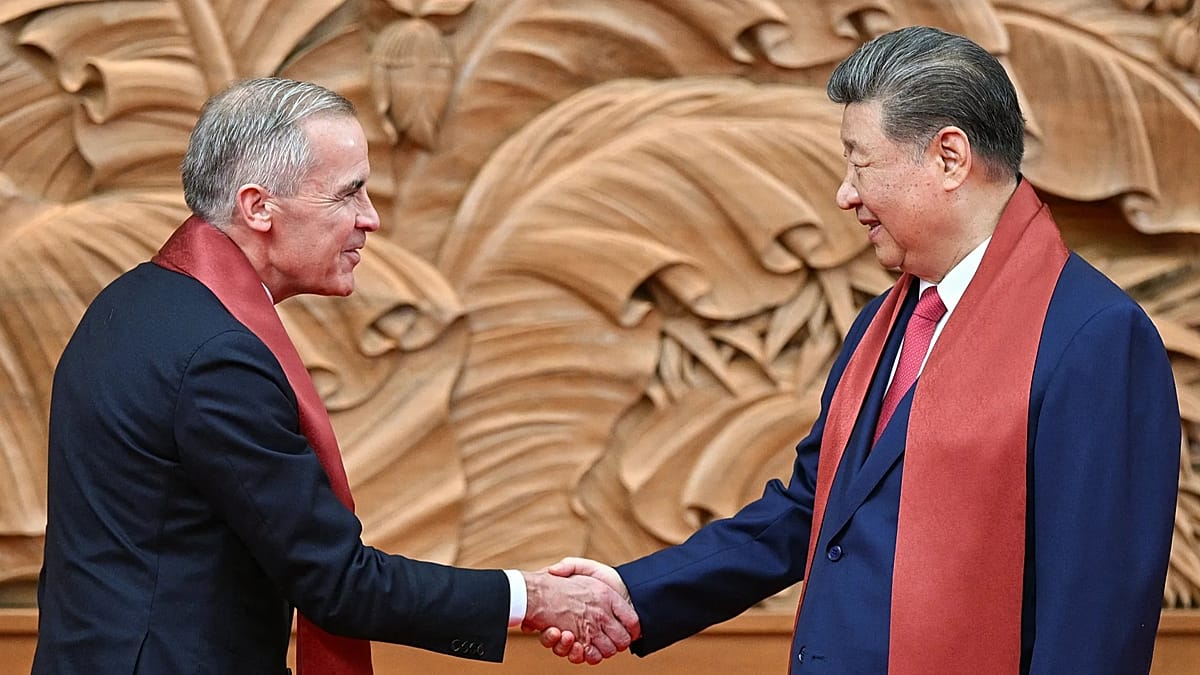
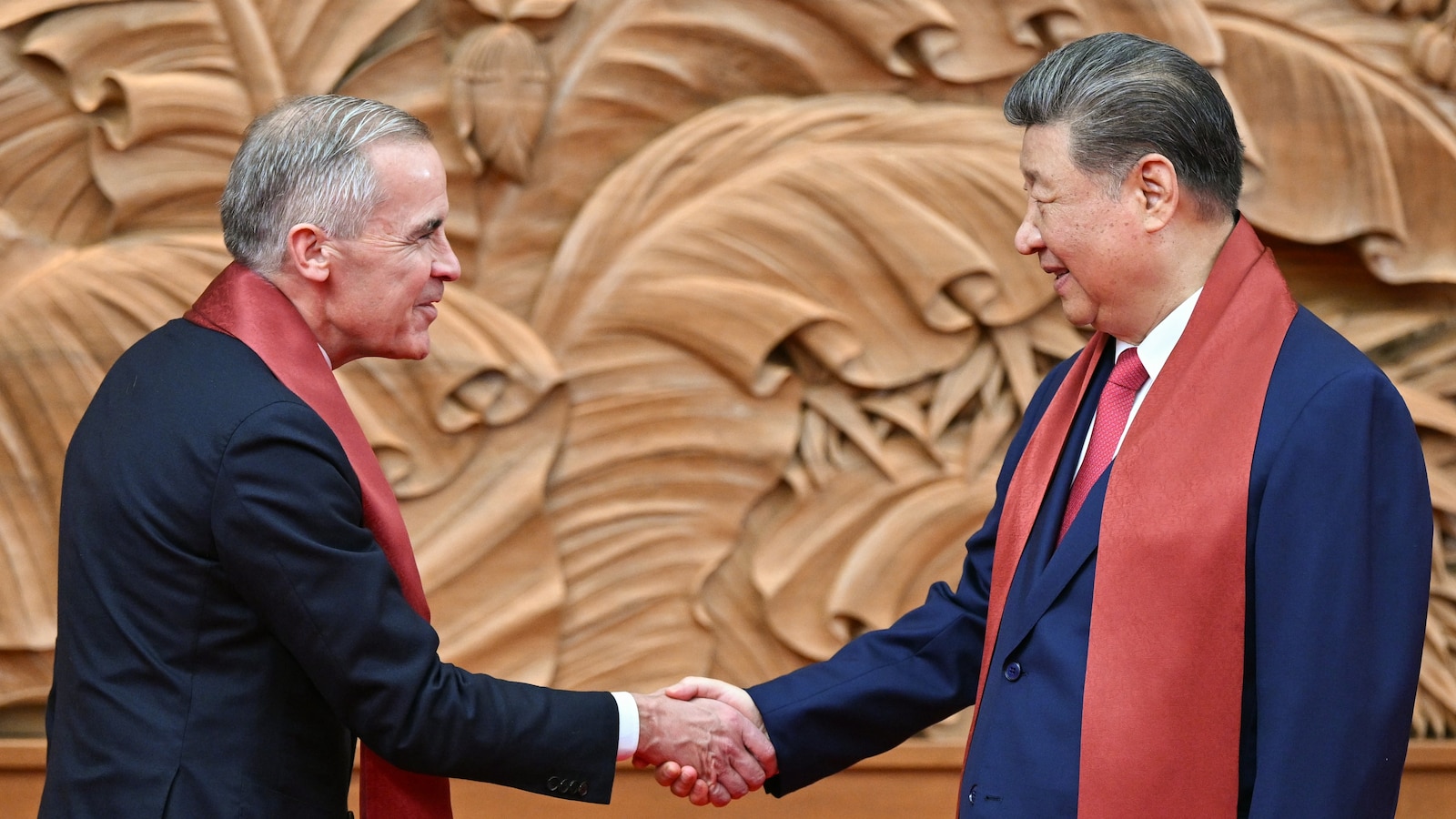
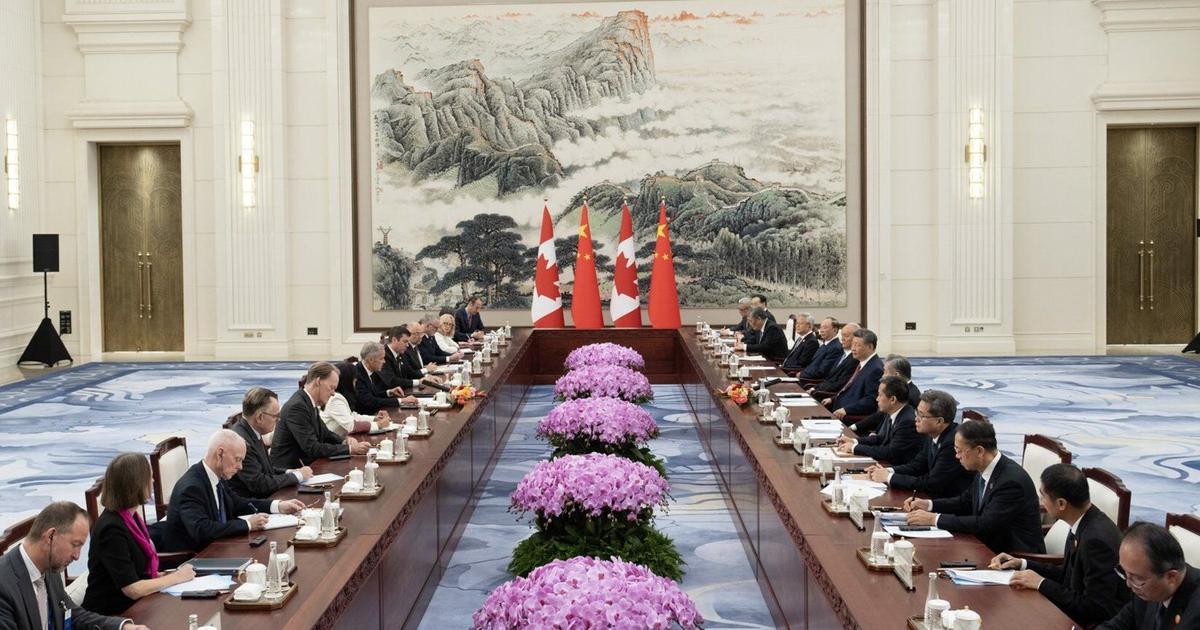
Chen is visiting Ottawa this week, shortly after Prime Minister Mark Carney concluded his second trip to China this year.
asserted
Carney → visit → China
While the prime minister was in Shenzhen this month, China announced a deal to drop some restrictions on Canadian pork imports in exchange for more steel market access.
asserted
China → announce → access
During a visit to Beijing in January, Carney announced a renewed strategic partnership with China — one that shifted away from a 2022 federal policy document describing China as an increasingly disruptive power that challenges Canadian interests.
asserted
that → announce → interests
That 2022 policy document, introduced under the Trudeau government, called for “multi-faceted engagement with Taiwan” while respecting the long-standing “One China” policy, which officially recognizes the government in Beijing as the sole government of China.
asserted
which → introduce → China
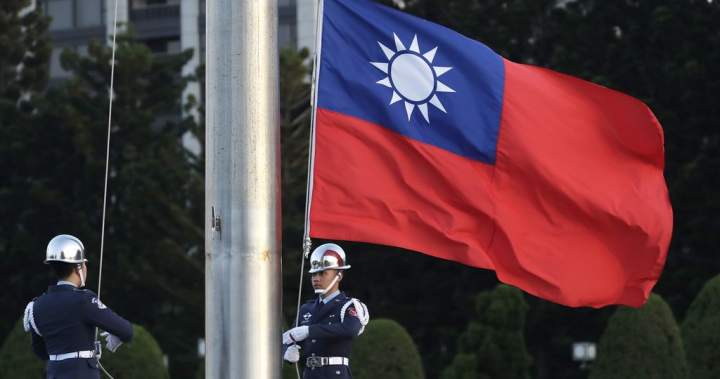
Taiwan is a self-governing island that China considers to be a breakaway province and Beijing has never ruled out reuniting Taiwan with the mainland by force.
asserted
Beijing → govern → force
Chinese nationalist forces fled to Taiwan after losing the civil war to the communists in 1949.
asserted
forces → flee → 1949
As part of Canada’s Indo-Pacific strategy, Ottawa negotiated a Canada-Taiwan Trade Cooperation Framework Arrangement.
asserted
Ottawa → negotiate → Arrangement
Parliamentary documents tabled in September show Canada and Taiwan concluded talks in March 2025 and the federal government consulted the provinces on the agreement two months later.
asserted
government → table → agreement
While in China recently, Carney was asked about the Taiwan deal sitting unsigned for months.
asserted
deal → ask → months
The prime minister pushed back and said he hoped the deal would be signed soon.
asserted
deal → push → ?
His office has not explained why the deal has not been signed.
asserted
deal → explain → ?
Chen said Taiwan is glad to hear the deal will be concluded but added Canada hasn’t raised it with Taiwan since spring 2025.
asserted
Canada → say → spring
“Last year before your big election, we had reached a conclusion,” Chen said.
asserted
Chen → reach → conclusion
“It’s been sitting there.”
asserted
It → sit → ?
He said there have been talks with Canada on technology, students and deeper economic ties but “not on this specific issue” of the framework agreement.
asserted
He → say → agreement
“We do have a very good channel of communication,” he added.
asserted
he → have → communication
Chen said Taipei wants to connect Canadian minerals, research and automotive know-how with Taiwan’s prowess in advanced manufacturing and military drones.
asserted
Taipei → say → manufacturing
He said Taiwan has strong trade ties with mainland China but is careful about maintaining diverse supply chains.
asserted
Taiwan → say → chains
“We have learned it the hard way,” he said.
asserted
he → learn → it
“I would like to share our experience, how closer economic ties get in the way for us to make … political decisions, who we want to be friends with, how are we going to participate in the international community.”
asserted
we → like → community
China has restricted trade with various partners over political disputes; it limited U.S. access to certain rare earths last year in response to American restrictions on U.S. technology.
asserted
it → restrict → technology
China also has imposed restrictions on Canadian canola — in one instance, immediately after the house arrest of a Chinese tech leader.
asserted
China → impose → leader
It’s a market controlled by a Leninist state,” Chen said.
asserted
Chen → ’ → state
“Even Taiwan will not abandon the Chinese market entirely.
asserted
Taiwan → abandon → market
But how to manage the risk, I think especially, is about security issues.”
asserted
I → manage → issues
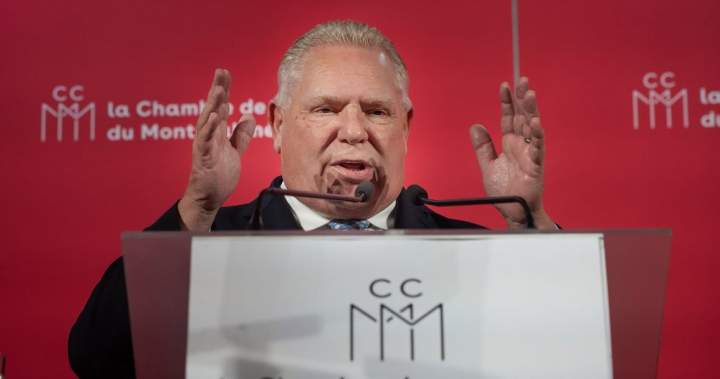
Chen addressed a panel hosted Monday by the Macdonald-Laurier Institute think tank.
asserted
Chen → address → tank
Just before the panel discussion, Macdonald-Laurier Institute founder Brian Lee Crowley urged Ottawa not to turn its back on the United States despite the tensions with President Donald Trump.
asserted
Crowley → urge → Trump
He argued Canadians need to look beyond “the parochial and the immediate” sources of friction with the U.S. and see the larger picture.
asserted
Canadians → argue → picture
“Authoritarian powers are challenging international norms.
asserted
powers → challenge → norms
Coercion is becoming a routine instrument of statecraft.
asserted
Coercion → become → statecraft
And economic relationships are increasingly being used to exercise strategic leverage,” Crowley said.
asserted
Crowley → use → leverage
“If Canadians view the world principally through the lens of our disagreements with Washington, we risk overlooking developments that could have much more profound consequences for our security, prosperity and sovereignty.”
uncertain
that → view → security
Chen said Taiwan undertook “painful” negotiations to land a trade deal with Washington this February, after a year of negotiations and concerns about Trump’s rapprochement with Chinese President Xi Jinping.
asserted
Taiwan → say → Jinping
Despite Trump’s rhetoric, Taipei has shifted a large chunk of its outbound investment from China to the United States, a move Chen argued is strategically smart.
asserted
Chen → shift → States
And we also need to have multiple markets and multiple partners,” he said.
asserted
he → need → markets
Chen warned that the world’s democracies probably only have three or four years to prevent “very dire consequences” coming from China and other authoritarian states which are building up their militaries.
asserted
which → warn → militaries
“We have to build an effective mechanism for collective deterrence by denial,” he said.
asserted
he → have → denial
“I urge all democracies in the world to face the reality.
asserted
I → urge → reality
…and 5 more, not listed.

 The Aporia