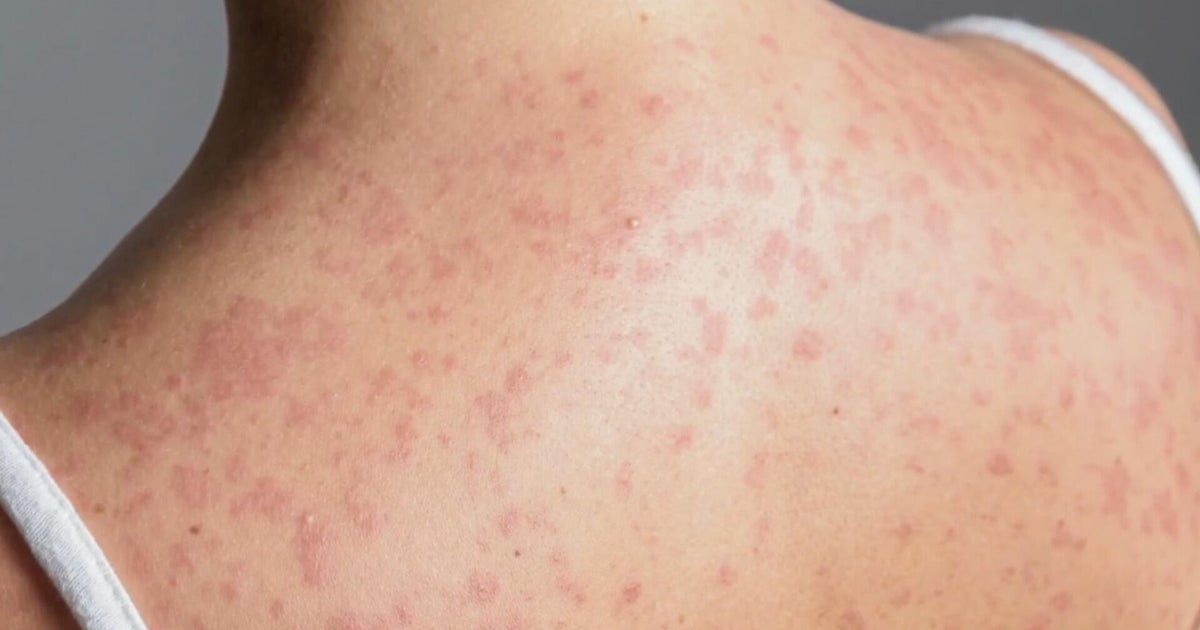
Measles is continuing to spread across the U.S. this fall, with nearly 6,000 cases confirmed this year - the highest level in over three decades.
asserted
Measles → continue → decades
In a major public health failure, the U.S. lost its measles elimination status last week, which it had held for 30 years.
asserted
it → lose → years
The status indicates there is no continuous spread of the virus for at least a full year.
asserted
status → indicate → year
The vaccine that targets the measles virus provides lifelong protection against severe infection with two doses.
asserted
that → target → doses
But people who received their vaccine before 1989 - when the two-dose regimen was introduced - might now need a booster, according to experts.
uncertain
regimen → receive → experts
Some people may have received one dose that wasn’t effective.
uncertain
that → receive → dose
Or, you may just not know if you were ever vaccinated against measles.
uncertain
you → know → measles
“A lot of people don’t know they’re not immune, or they assume they’ve gotten their childhood vaccines, but they didn’t,” Dr. Scott Roberts, a Yale Medicine infectious diseases specialist, explained in a statement.
“Now’s a really good time - it’s a good wake-up call - for people to just go back and check their vaccine records,” he said.
asserted
he → know → records
If you were born before 1957, you likely don’t need a booster, because you were most certainly exposed to the virus back then.
asserted
you → bear → virus
“They got measles, and that immunity is very long-lasting,” Dr. Christopher Ohl, an infectious disease physician at Dartmouth Hitchcock Medical Center, said in a statement last week.
asserted
Ohl → get → statement
The first measles vaccine was released in the U.S. in 1963, according to the U.S. Centers for Disease Control and Prevention.
uncertain
vaccine → release → Control
However, there was only one dose and between 1963-1967 some children received an ineffective vaccine, MIT Health notes.
asserted
Health → be → vaccine
That vaccine killed a version of the virus that was less effective than the current one.
asserted
that → kill → one
“There is no harm in getting a booster if you were vaccinated in the 1960s and are not sure if you received an additional vaccination after 1967,” the healthcare system says.
asserted
system → be → 1967
If you were vaccinated between 1968-1969, you received a vaccine that has been proven effective, MIT Health points out.
asserted
Health → vaccinate → vaccine
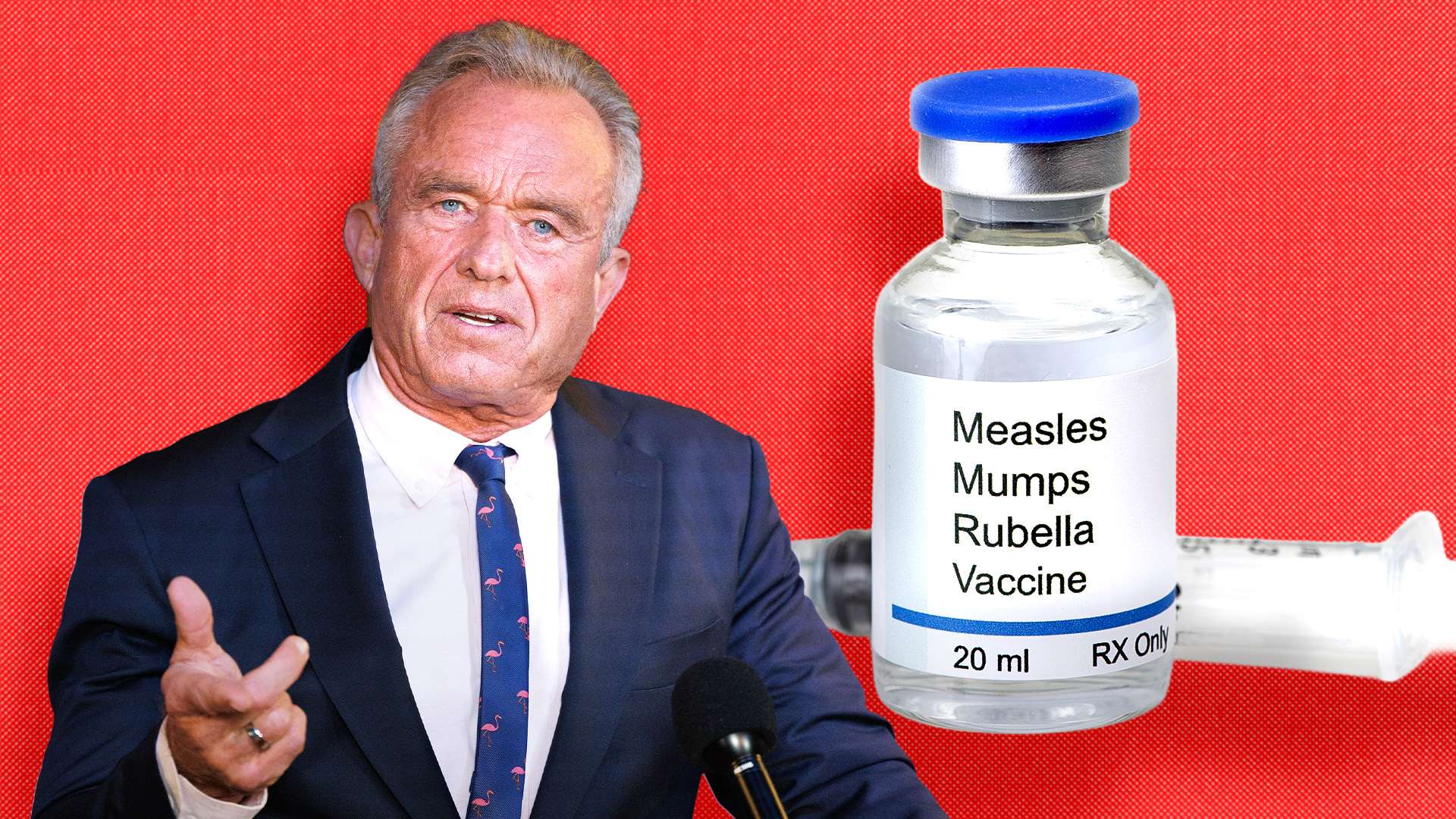
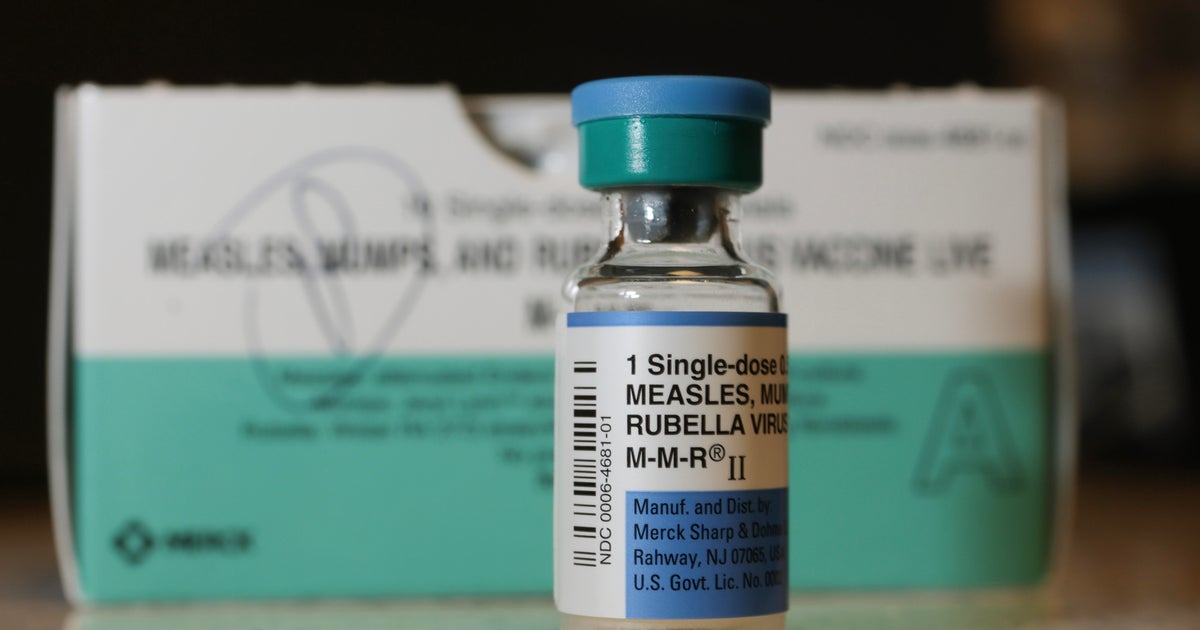
In 1971, the vaccine targeting the measles, mumps and rubella viruses - known as the “MMR vaccine” - was released.
asserted
vaccine → target → vaccine
This is the vaccine America uses today.
asserted
America → use → ?
One dose of the updated vaccine protects from infection at about a 93 percent level.
asserted
dose → update → level
But two doses provide 97 percent protection, according to the CDC.
uncertain
doses → provide → CDC
“Two shots are what you need to really have a level of immunity that provides that herd immunity,” said Ohl.
asserted
Ohl → need → immunity
Herd immunity refers to having 95 percent of a population vaccinated for measles - a rate that helps prevent transmission of the world’s most contagious infectious disease.
asserted
that → refer → disease
People who are unsure about how many doses they’ve received should check their vaccination records and consult with a physician, especially if they work in a high-risk setting or live where measles is spreading.
asserted
measles → receive → setting
It’s okay to get another shot, even if you’re unsure about how many doses you have.
asserted
you → ’ → doses
“It's not going to hurt you at all.
asserted
It → go → you
All it will do is boost your immunity.
asserted
it → do → immunity
And if you're not sure, then you'll know if you got another shot that you've had two,” Ohl added.
asserted
Ohl → know → two
 The Aporia