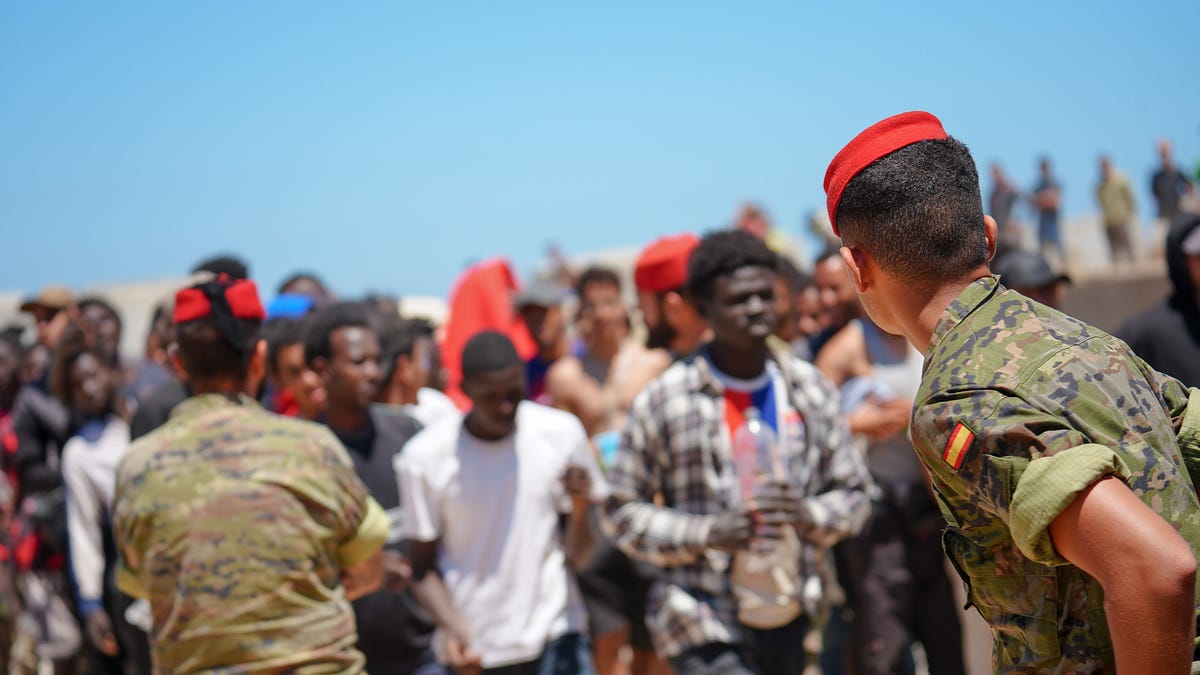
Direct attacks on NATO territory—the very thing Article 5 was created to defend against—are now becoming routine.
asserted
Article → create → territory
On 14 November, drones struck two merchant ships inside Romanian territorial waters; Romanian officials linked the strikes to Russia’s war but did not formally say where the drones came from.
asserted
drones → strike → where
Six days later, three Russian cruise missiles came down in south-eastern Poland, one of which was 100 km inside the country.
asserted
one → come → country
So far, the countries attacked have not only failed to retaliate—they have not even invoked Article 4 of the North Atlantic Treaty to request formal consultations with other allies when its security is threatened, let alone Article 5, which states an attack against one NATO member is an attack against all.
asserted
attack → attack → all
This is despite one notable former U.S. president promising to defend every inch of NATO territory not that long ago.
asserted
president → promise → territory
Article 5 looks very different from this side of those undefended 100 km than it did before.
asserted
it → look → km
So why is it not working?
asserted
it → work → ?
To say that we simply do not have the political will would not be entirely true.
asserted
we → say → will
If Russian tanks rolled across the border, NATO would step up in a heartbeat.
asserted
NATO → roll → heartbeat
That is what it was designed for.
asserted
it → design → what
The problem is that modern warfare has changed, and after being stuck in Ukraine for almost five years, Russia no longer has the manpower or the bottomless Soviet armoury reserves for a conventional, boots-on-the-ground aggression on another front—at least not right now.
asserted
Russia → change → front
What it does have in spades, however, is the desire to force its will on other countries and the hubris to believe that one way or another it will achieve its goals.
asserted
it → force → goals
And that is precisely what NATO was not originally designed for: the slow advance of what has come to be known as hybrid warfare—events that can be denied by both the attacker and the attacked, so that the former can continue the strategy while the latter, driven by the common desire to cover its own backside and ignore the bigger picture, can avoid taking any responsibility.
asserted
latter → design → responsibility
The NATO treaty, written in 1949, did not foresee that a country could be both under attack and not under attack at the same time, and nobody has had the courage to test whether it covers all eventualities.
uncertain
it → write → eventualities
It’s designed to cover all sorts of conditions, but on a high-deductible plan, using it for small things still costs you: until you’ve spent a few thousand dollars in a year, most of the bill is yours.
asserted
most → design → bill
Now imagine you regularly have bouts of indigestion.
asserted
you → imagine → indigestion
You take some antacids and blame stress, your boss, or modern life.
asserted
You → take → stress
You could see a doctor, but the visit and whatever tests they order would come out of your own pocket, and once the tests start, who knows where the bills end.
uncertain
bills → see → pocket
So it’s easier to ignore it.
asserted
it → ’ → it
Eventually the pain gets worse and you go in.
asserted
you → get → ?
By then, if you’re lucky, you have gastritis; if you’re less lucky, an ulcer; and if you’re very unlucky, cancer.
asserted
you → ’re → gastritis
Now you hit your out-of-pocket maximum before spring, and the insurance finally does what it’s for.
asserted
it → hit → what
Had you gone in earlier and paid for that one visit, you wouldn’t have to throw everything and the kitchen sink at trying to stay alive now.
asserted
you → go → everything
Well, Article 5 at the moment works roughly the same way.
asserted
Article → work → moment
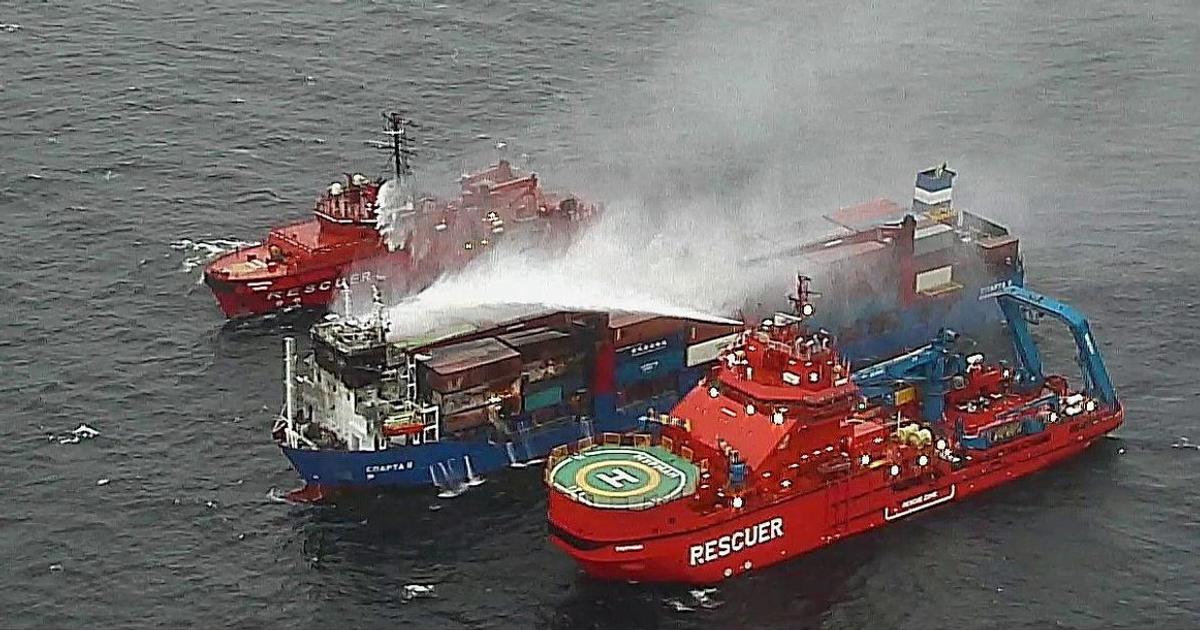
We ignore the so-called “hybrid” attacks: drones and missiles over Poland and Romania, ships sunk in the Black Sea off the shores of NATO countries, airports shut down by “unidentified” drones, assassination attempts (and some successes) in European countries, attacks on undersea cables in the Baltic, arson attacks on shopping centres, and explosives targeting cargo planes on European soil.
asserted
We → ignore → soil
In reality, there is nothing hybrid about them; they are very real.
asserted
they → be → them
But they are also very much deniable, if we wish to ignore them.
asserted
we → wish → them
If we call for help now, the real fear is that the moment we call in the big guns, we trigger an escalation.
asserted
we → call → escalation
In other words, we are afraid of the bill: one visit leads to tests, tests lead to treatment, and before long we are paying big money.
asserted
we → lead → money
For some reason, we do not see every new “hybrid” attack as an escalation on Russia’s part, only our possible reply.
asserted
we → see → part
So we do nothing, or very little.
asserted
we → do → nothing
Germany moved to close the Russian House in Berlin, for example.
asserted
Germany → move → example
Estonia is closing all its border crossings with Russia after a failed arson attack on a drone factory.
asserted
Estonia → close → factory
Unfortunately, both will soon be fresh out of things to close, whereas Russia still has plenty of attempts left.
asserted
Russia → close → attempts
The real problem is that every time we do not respond, we invite Russia to attack us again—it gets away with it, so it tries again.
asserted
it → respond → it
So far, only a few of our own citizens have died, but eventually even that will change.
asserted
that → die → citizens
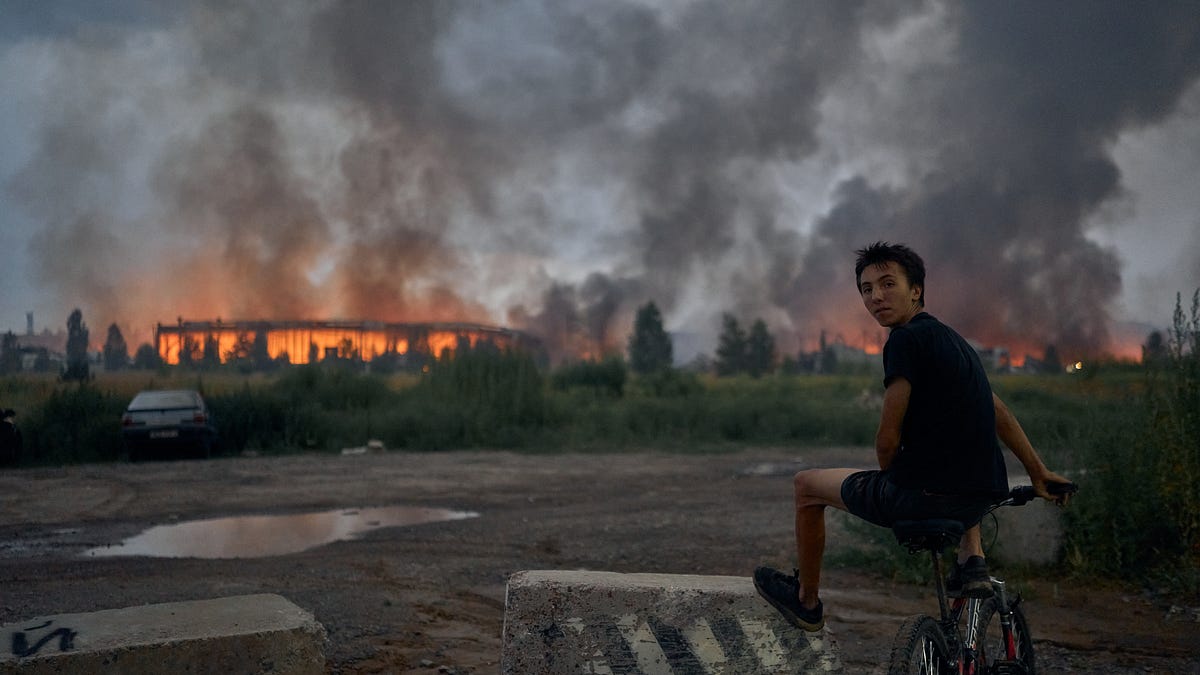
Next time the explosives might go off, or, instead of hitting fields or cowsheds, missiles might hit a hospital, a school, or another block of flats like the one a drone struck in Galați, Romania, in May—but this time, many people will die.
uncertain
people → go → May
These are all targets Russia routinely hits in Ukraine while the rest of the world chooses to ignore it.
asserted
rest → hit → it
Many of them are targeted deliberately, but some are hit simply because Russian aim is poor.
asserted
aim → target → them
The Russians know it but do not care.
asserted
Russians → know → it
…and 37 more, not listed.
 The Aporia