A classified Pentagon memo reported to restrict military co-operation with Canada governs meetings and event attendance rather than operations, U.S. Sen. Mike Rounds told reporters at the Halifax International Security Forum on Saturday.
asserted
Rounds → report → Saturday
Rounds, a South Dakota Republican, gave the most detailed public account yet of the document.
asserted
Rounds → give → document
He said it covers matters such as attendance at think-tank conferences.
asserted
it → say → conferences
It does not affect the North American Aerospace Defence Command (NORAD), NATO operations, the Five Eyes intelligence alliance or U.S. defence personnel now stationed in Canada, he said.
asserted
he → affect → Canada
“It does limit general flag officer meetings to those that advance (defence department) objectives,” Rounds said, according to The Canadian Press.
uncertain
Rounds → limit → Press
“[U.S. defence officials] must request permission for Canadian think-tank events or social engagements.
asserted
officials → request → events
And it is OK to attend any 9/11 events.”
asserted
it → attend → events
Rounds said the memo was drafted “several months ago” and “only recently signed.”
asserted
memo → say → ?
He also said Canadian officials told the visiting senators it sounded like nothing new compared with how the two militaries had operated for the past year and a half, The Hill reported.
asserted
Hill → say → year
Rounds and a bipartisan Senate delegation met Canadian officials at the forum and shared what they knew.
asserted
they → meet → what
Not every colleague took his relaxed view.
asserted
colleague → take → view
Sen. Tim Kaine, a Virginia Democrat, called the memo’s tone “bad” and “unnecessary.”
asserted
Kaine → call → tone
What the Post reported
The memo came to light Friday in The Washington Post.
asserted
memo → report → Post
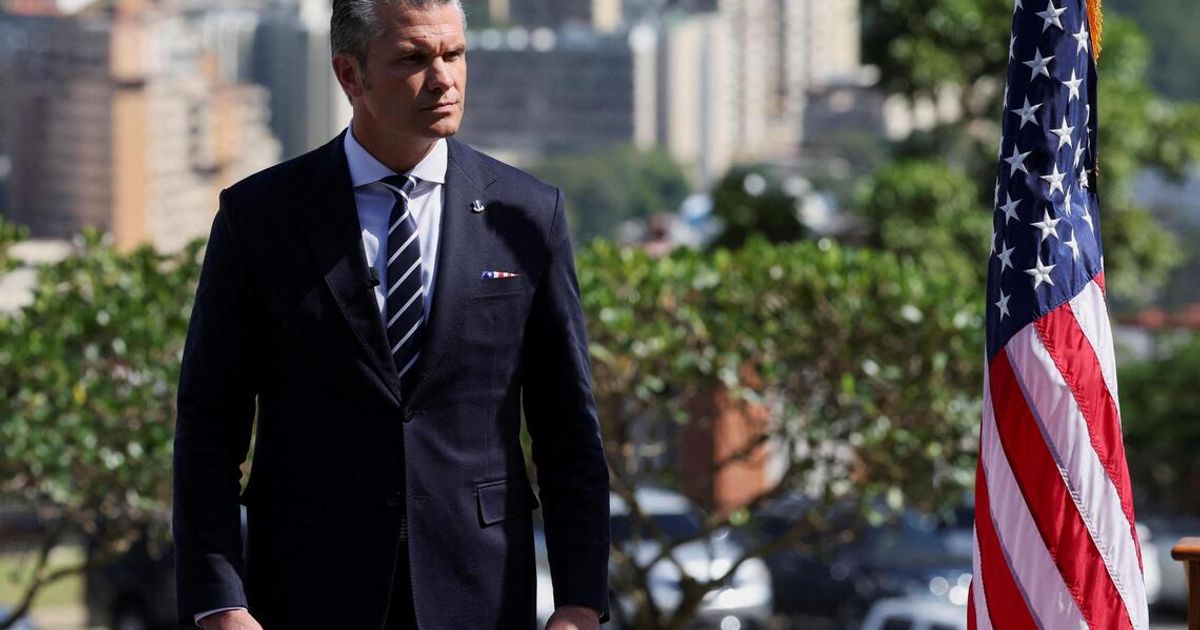
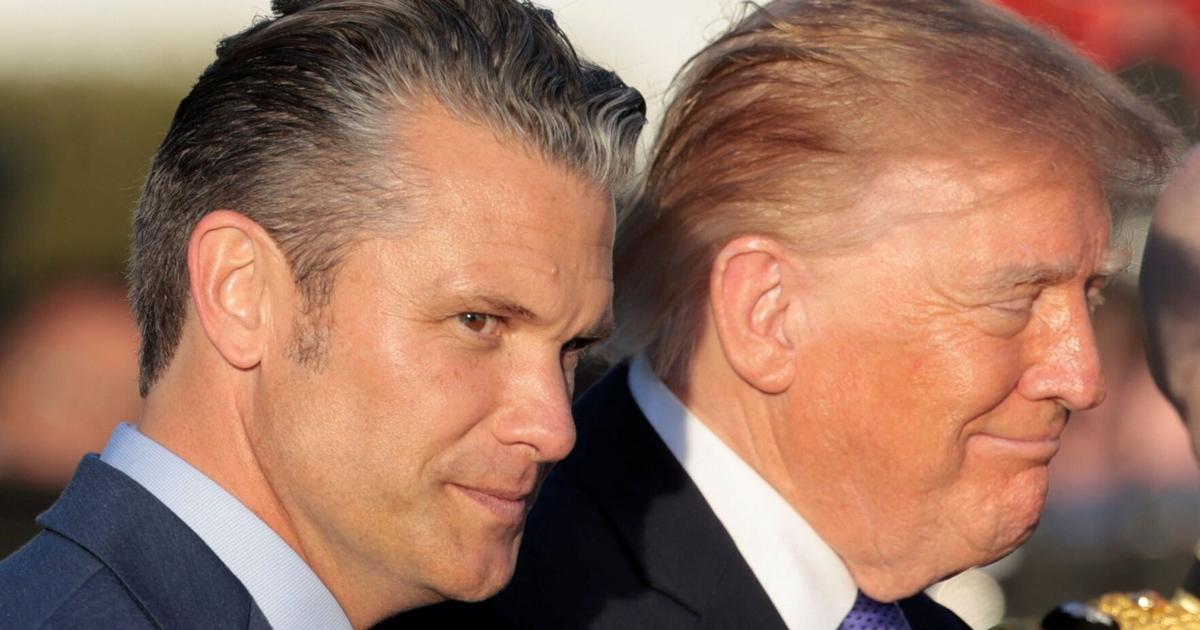
Citing officials who spoke on condition of anonymity, the newspaper reported that Defence Secretary Pete Hegseth had issued a classified directive last week imposing new restrictions on the U.S.-Canada defence relationship.
asserted
Hegseth → cite → relationship
The Post said it had not reviewed the memo, and it did not detail the restrictions.
asserted
it → say → restrictions
One official told the newspaper Canadians would see the move as a “slap in the face.”
asserted
Canadians → tell → face
Another said that while intelligence sharing had not formally changed, U.S. officials had shared less with Canada over the past year.
asserted
officials → say → year
Chief Pentagon spokesperson Sean Parnell said late Friday that the department is “taking steps to ensure its engagements with Canada advance tangible U.S. defense objectives and ultimately support a reinvigorated defense relationship.”
asserted
engagements → say → relationship
The guidance does not affect defence intelligence co-operation, NORAD or co-operation through NATO, he said.
asserted
he → affect → NATO
Ottawa received no notice
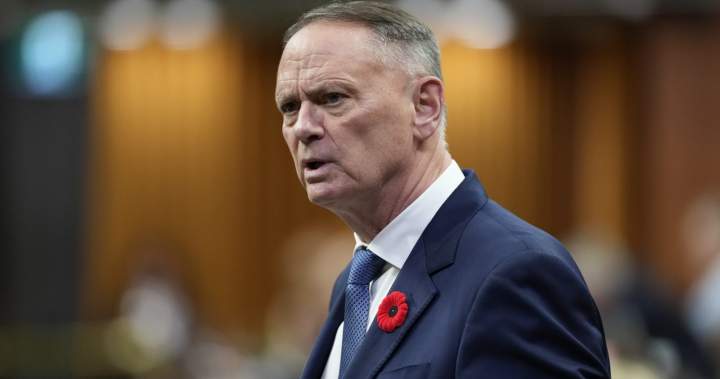
Defence Minister David McGuinty spoke at the forum hours before Rounds.
asserted
McGuinty → receive → Rounds
He said he had not seen the memo and did not know what it contained.
asserted
it → say → what
He had checked with Canada’s top military leaders, he said, and they had seen no evidence of change.
asserted
they → check → change
“We continue to co-operate.
asserted
We → continue → ?
We continue to work together,” McGuinty told reporters.
asserted
McGuinty → continue → reporters
Three military sources told the Globe and Mail that senior leaders of the Canadian Armed Forces had no warning of the memo and first learned of it from The Post.
asserted
leaders → tell → Post
Those sources and a senior government source said Washington had not contacted Ottawa, formally or informally, about the memo or any plan to scale back co-operation.
asserted
Washington → say → operation
Two senior military sources said ties between the two militaries are operating normally.
asserted
ties → say → militaries
National Defence said in a statement that it would not speculate on media reports and that its defence collaboration with the U.S. continues.
asserted
collaboration → say → U.S.
A strained relationship
The memo lands in an already strained defence relationship.
asserted
memo → land → relationship
In May, Elbridge Colby, the U.S. undersecretary of defence for policy, paused American participation in the Permanent Joint Board on Defence, an advisory body created in 1940.
uncertain
Colby → pause → 1940
He said Canada “has failed to make credible progress on its defense commitments.”
asserted
Canada → say → commitments
In a June piece for The Hub, he wrote that Washington had asked Ottawa for a credible plan to quickly modernize NORAD.
asserted
Washington → write → NORAD
Canada’s failure to produce one, he argued, was among the reasons Colby cited for the pause.
asserted
Colby → produce → pause
Procurement hinges on American clearance
That piece, written months before the memo surfaced, argued that Ottawa’s choice of Saab’s GlobalEye airborne early warning aircraft would leave Canada dependent on Washington’s goodwill.
asserted
choice → hinge → goodwill
The GlobalEye is built on Bombardier’s Global 6500 business jet.
asserted
GlobalEye → build → jet
Without U.S. clearance for specific communications equipment and ongoing cryptological support, Shimooka wrote, the aircraft could not connect to NORAD’s command-and-control networks.
uncertain
aircraft → write → networks
Integrating sensitive American systems would also bring the aircraft under U.S. International Traffic in Arms Regulations.
asserted
Integrating → integrate → Regulations
That would give Washington a veto over the export sales the government has touted.
asserted
government → give → sales
“This decision has the potential to further sour bilateral relations, all while squandering precious fiscal resources for the much-needed modernization of the Canadian Armed Forces,” Shimooka wrote.
asserted
Shimooka → have → Forces
Ottawa has pressed ahead.
asserted
Ottawa → press → ?
…and 16 more, not listed.

 The Aporia